
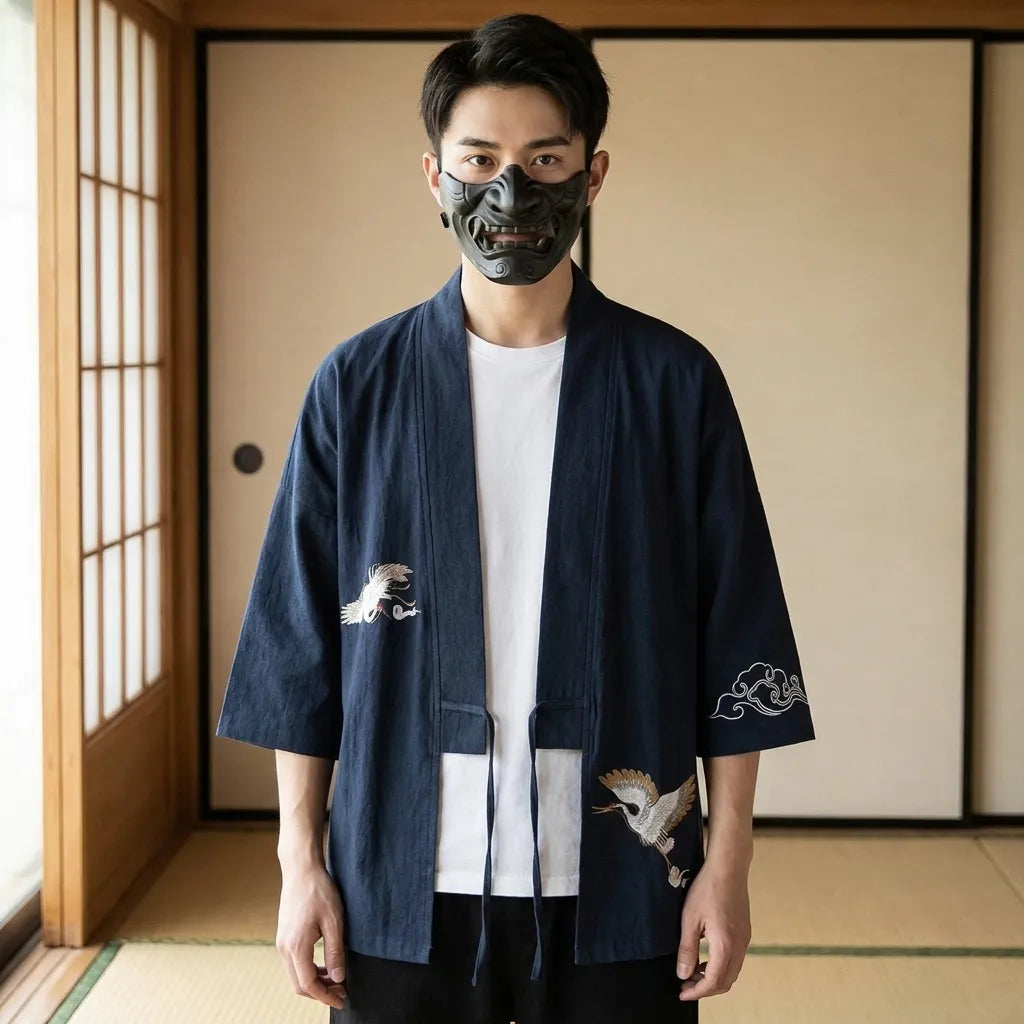
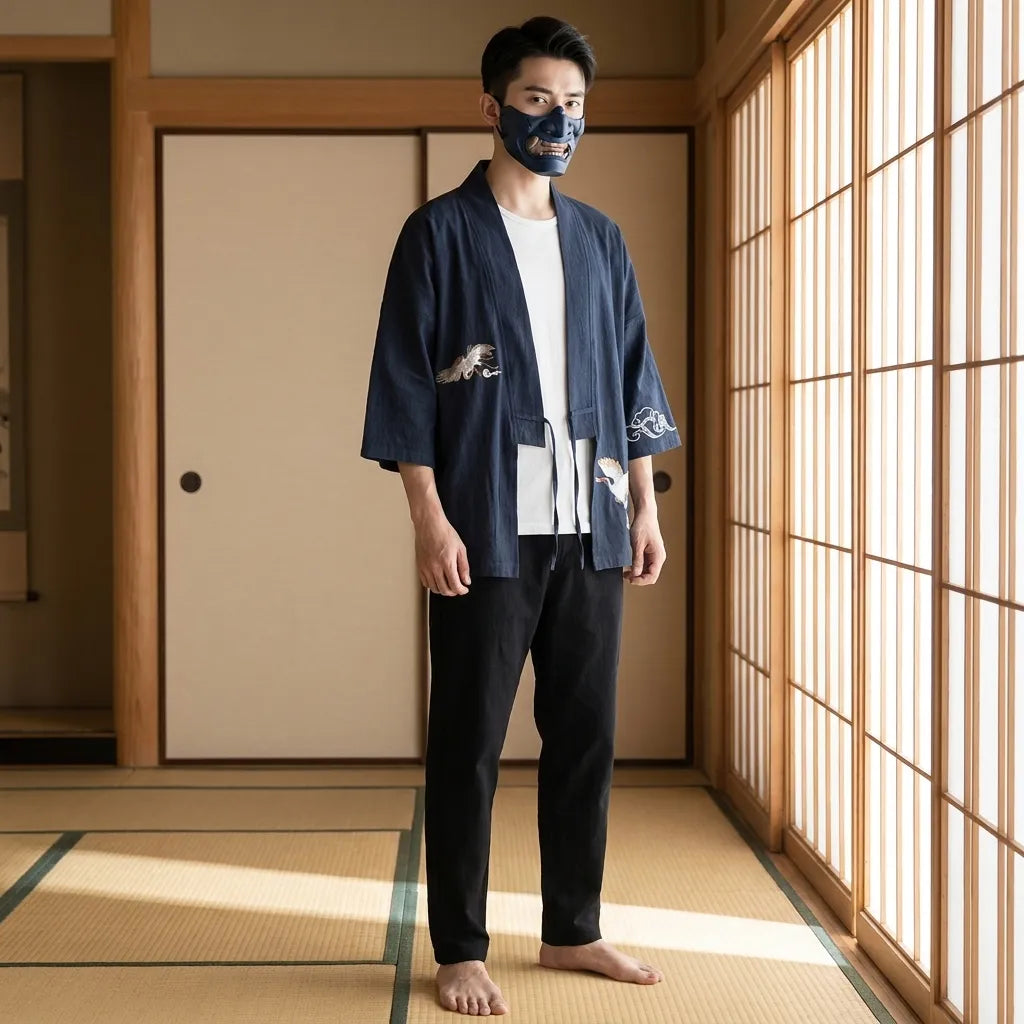

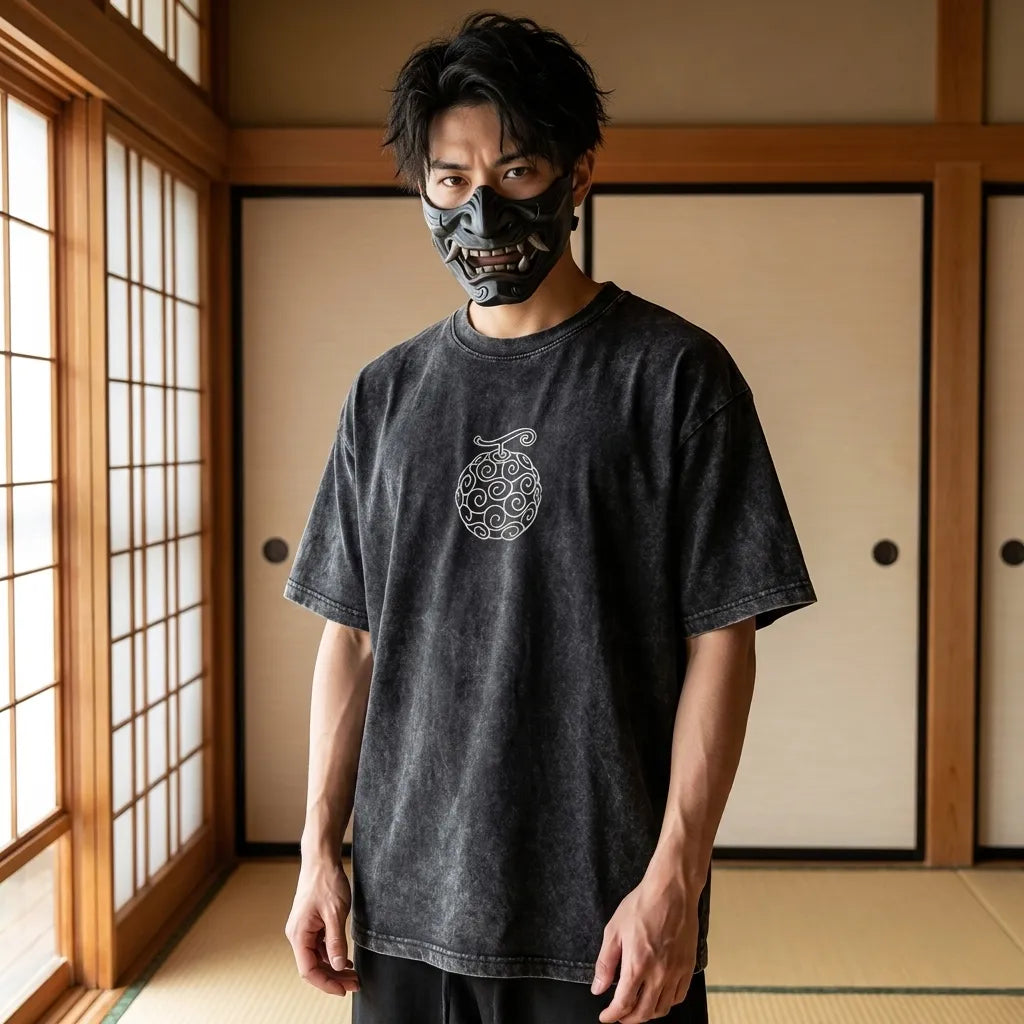
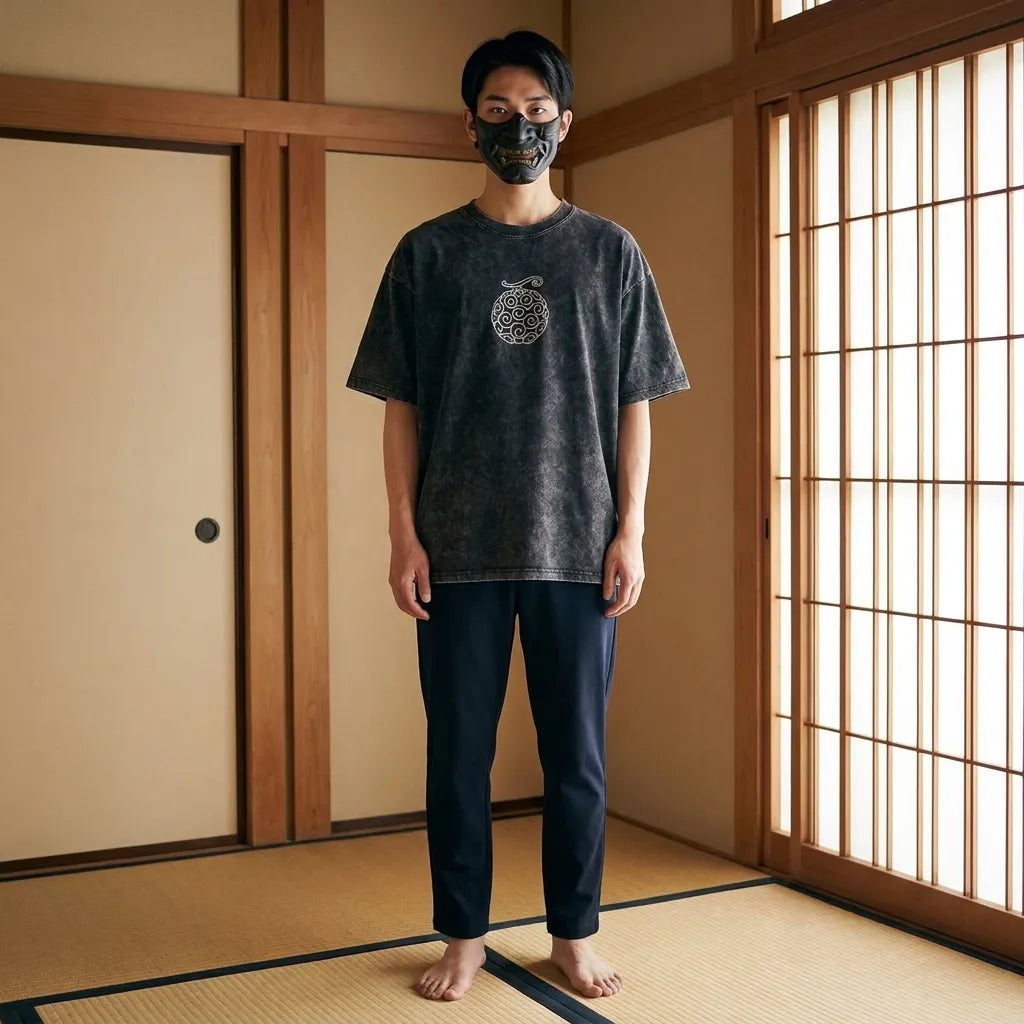
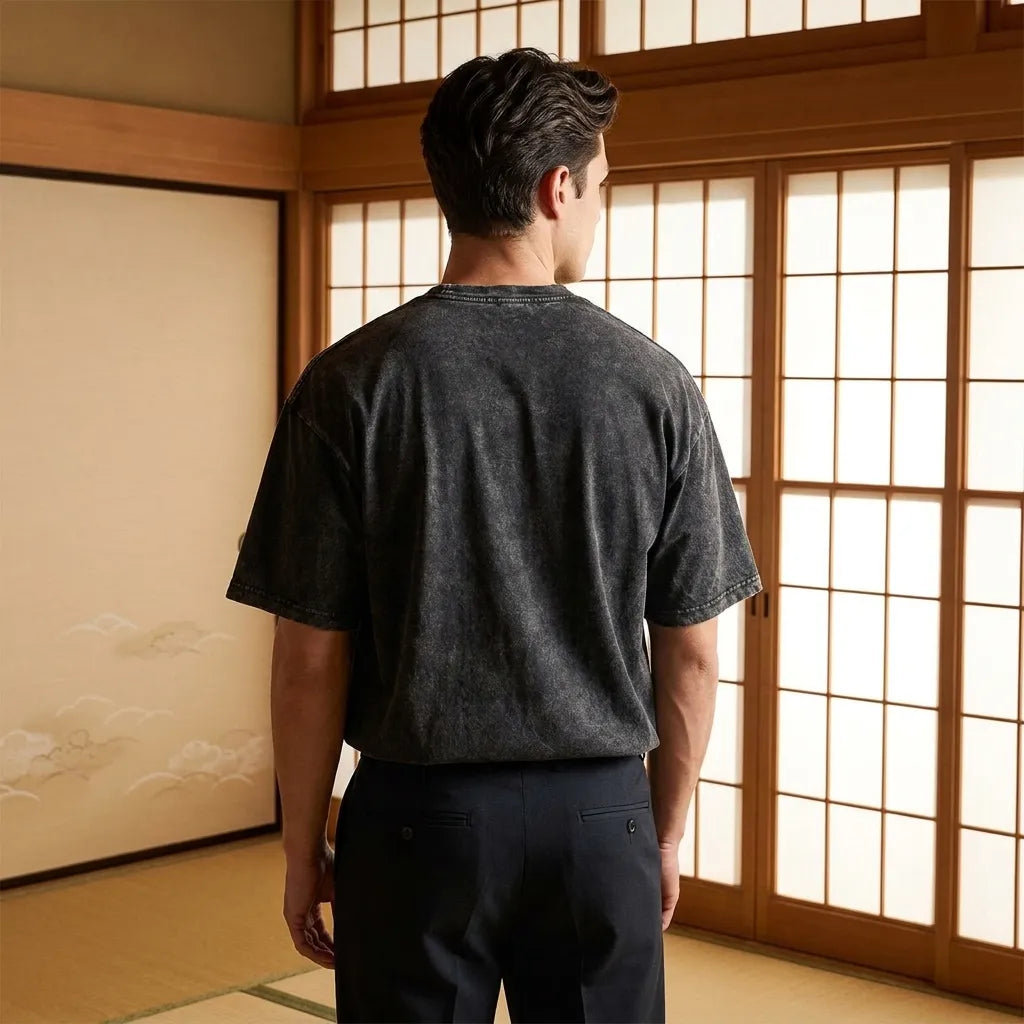

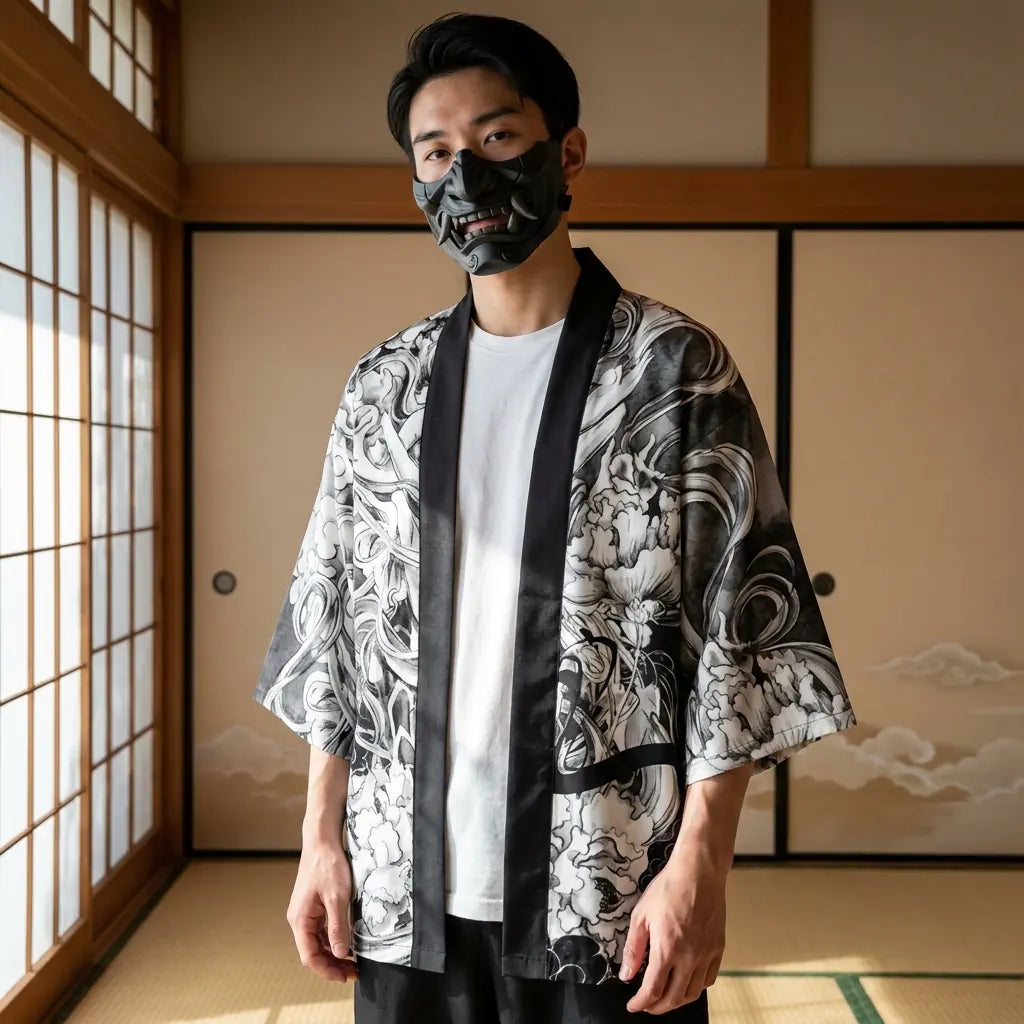
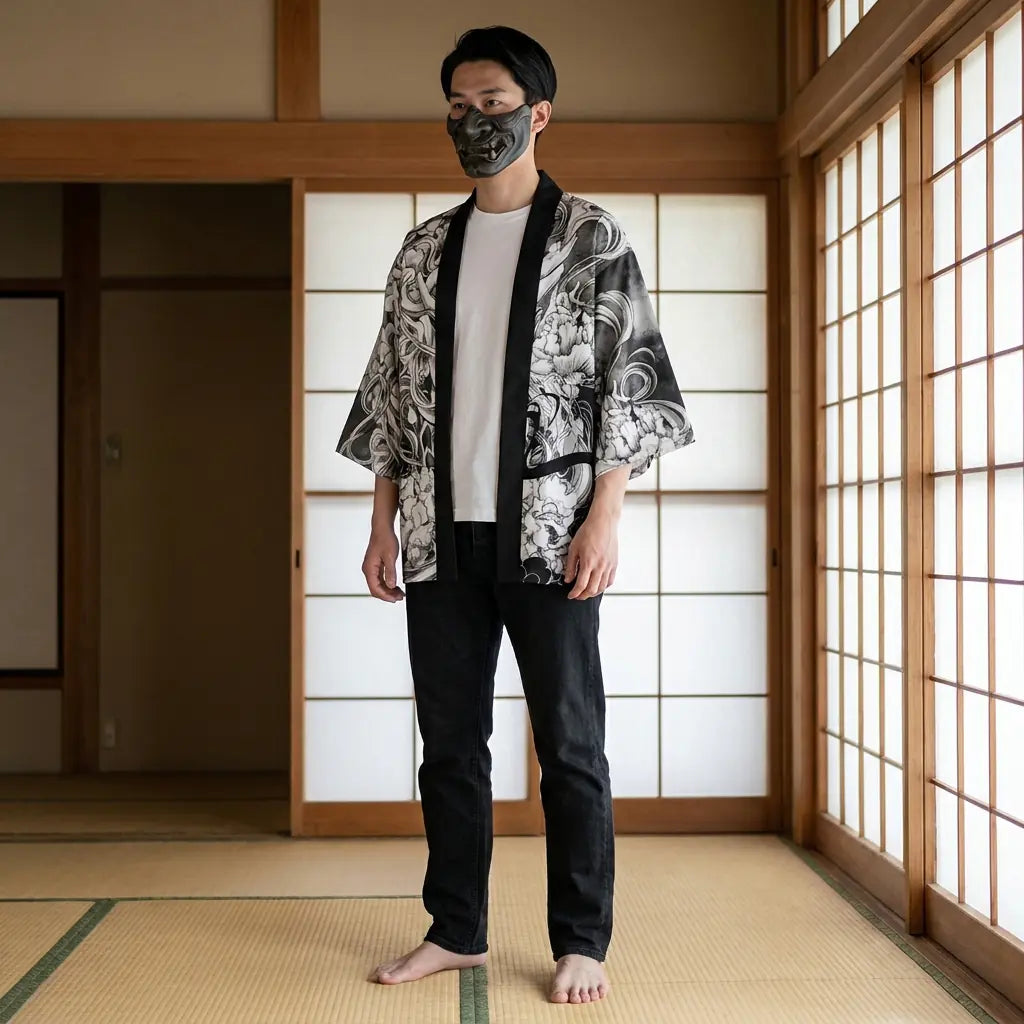


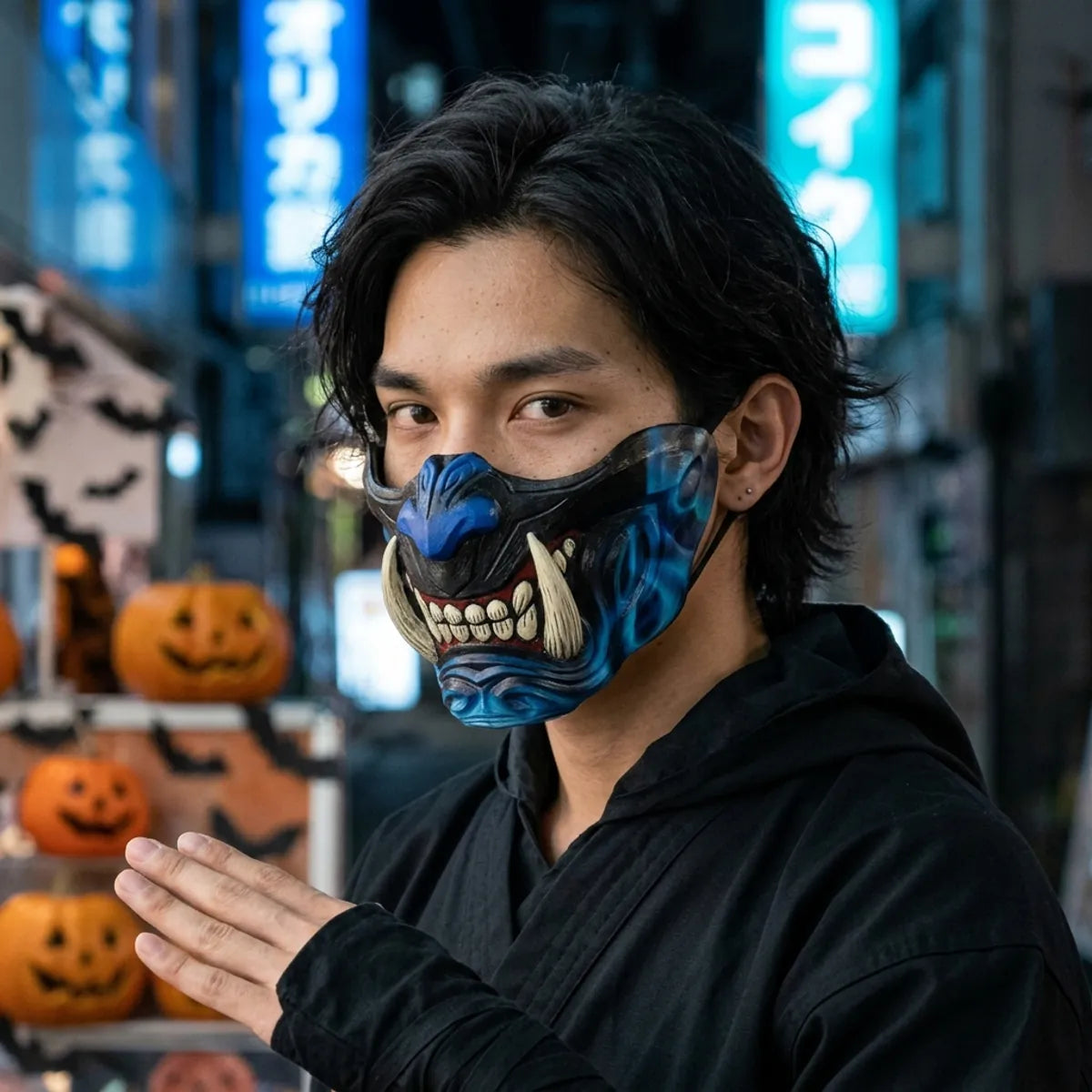
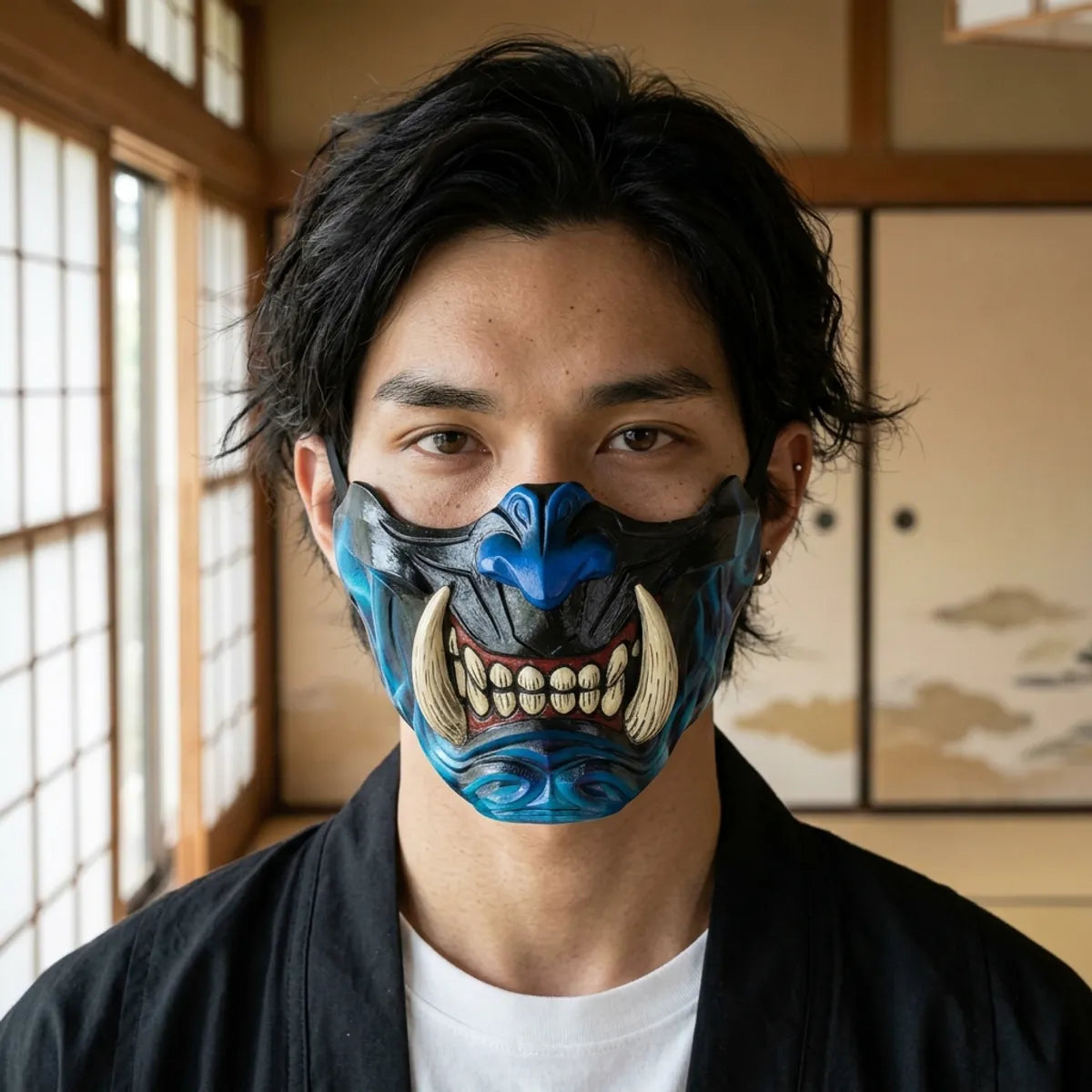
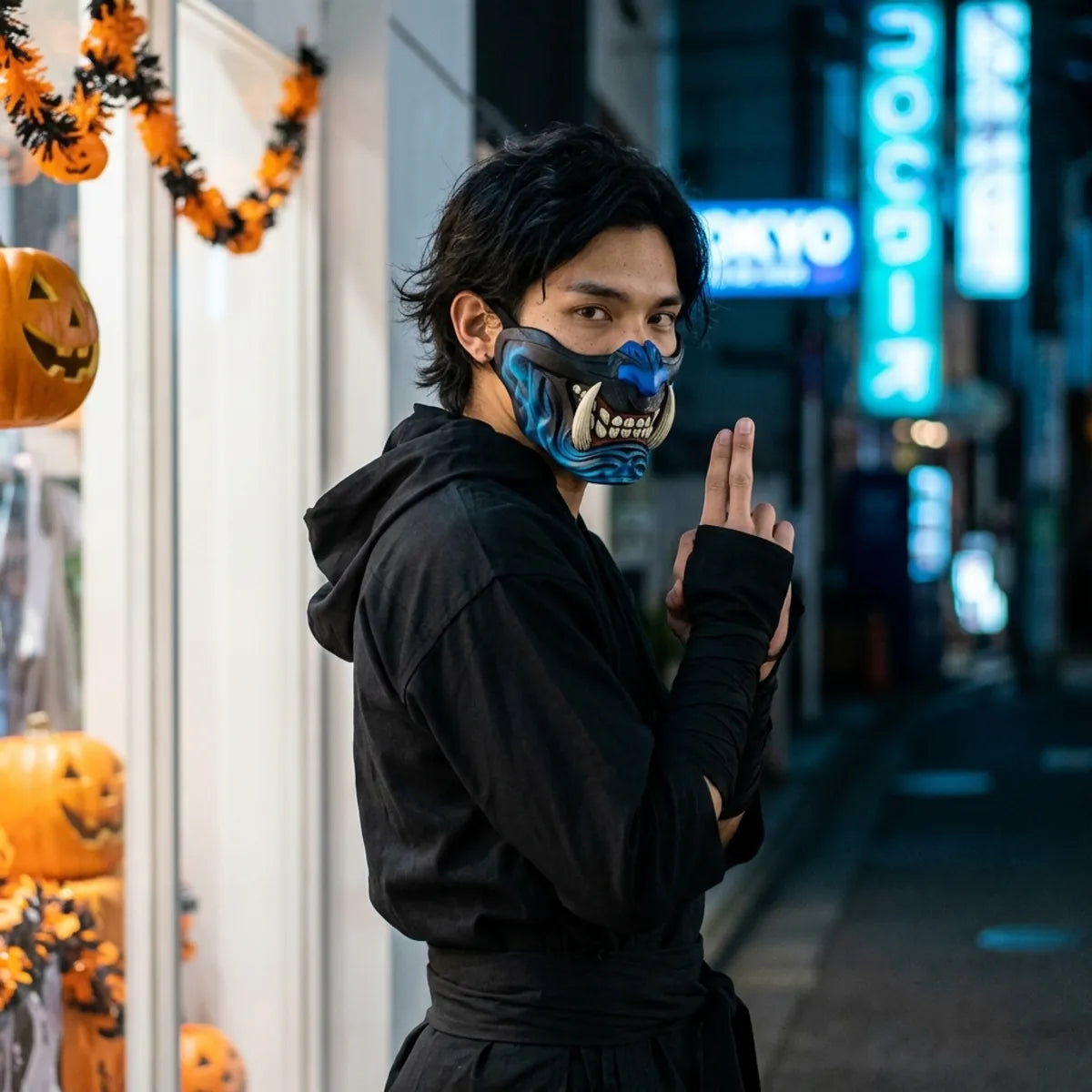
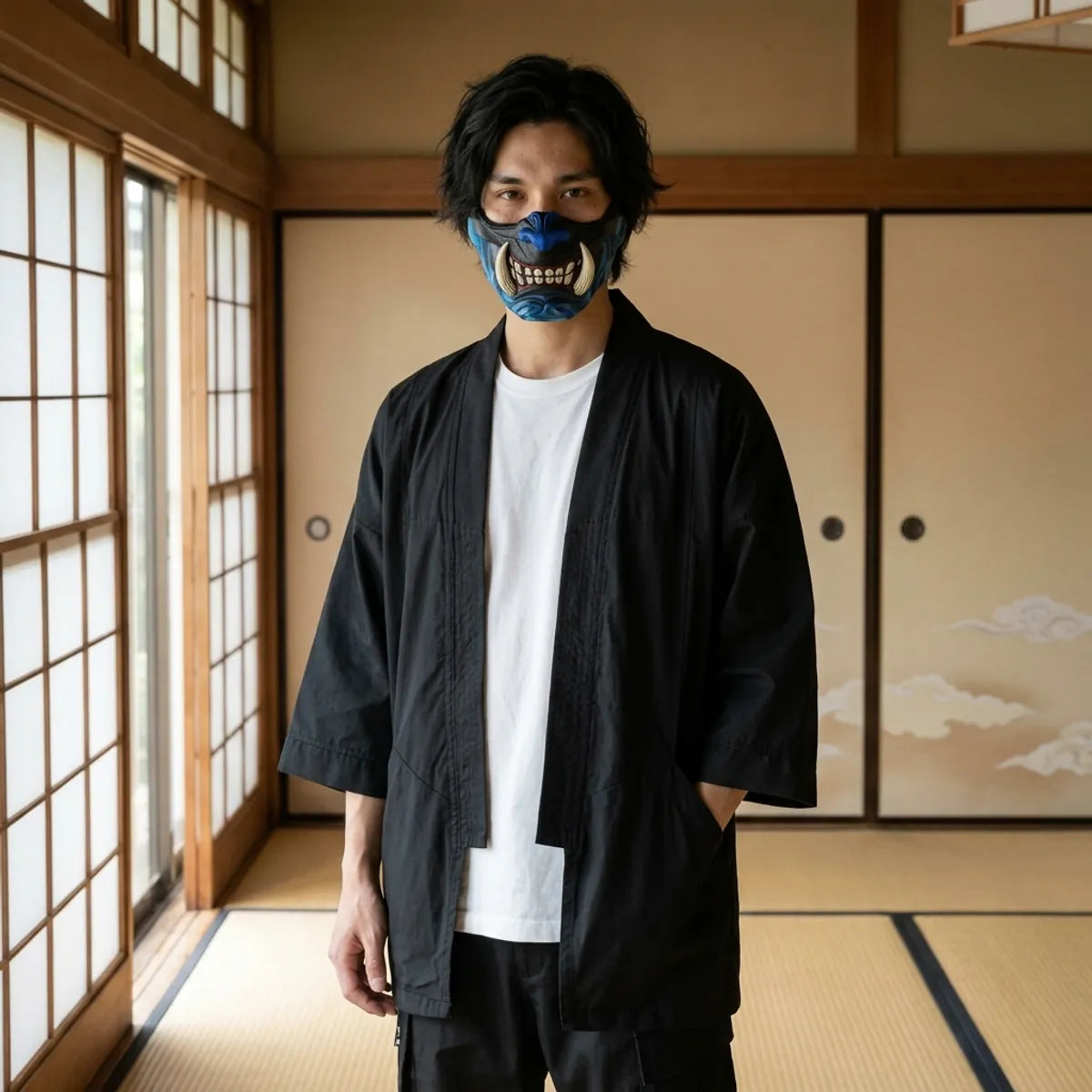
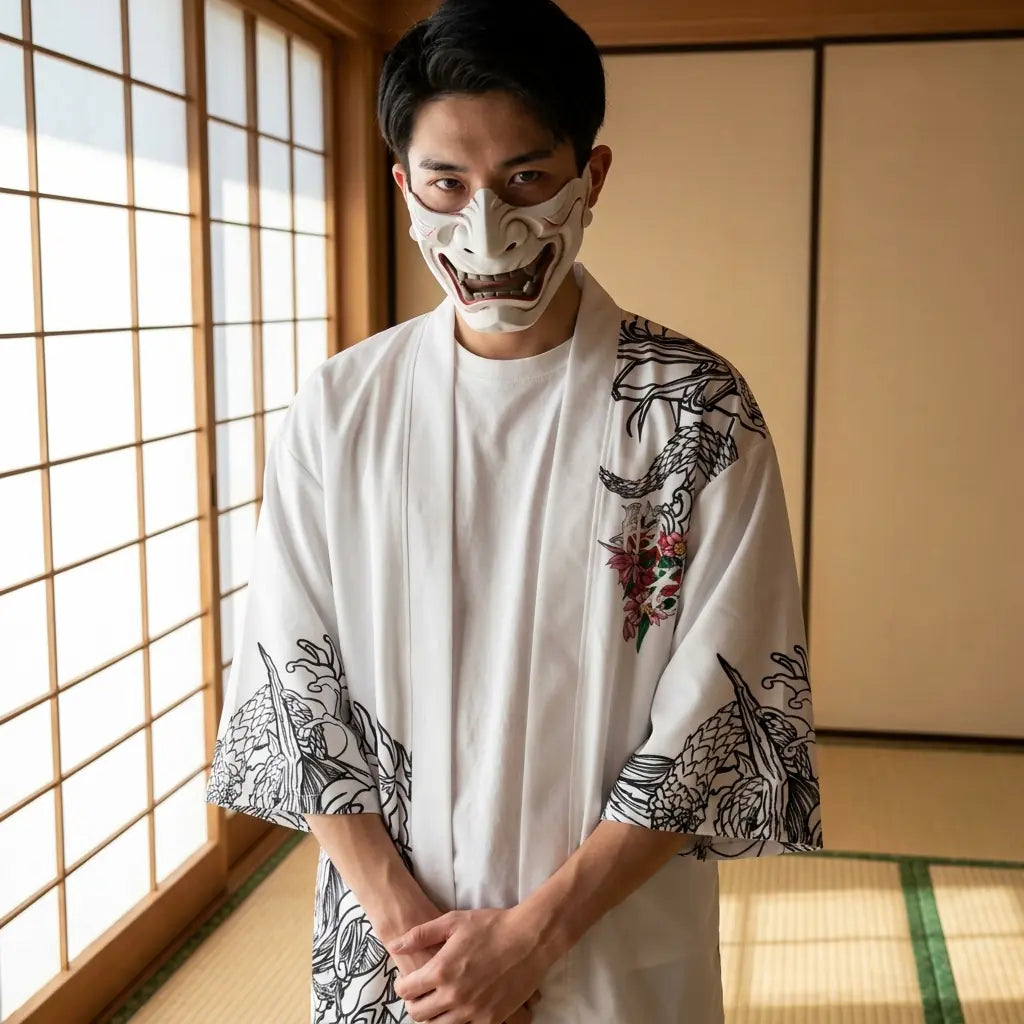
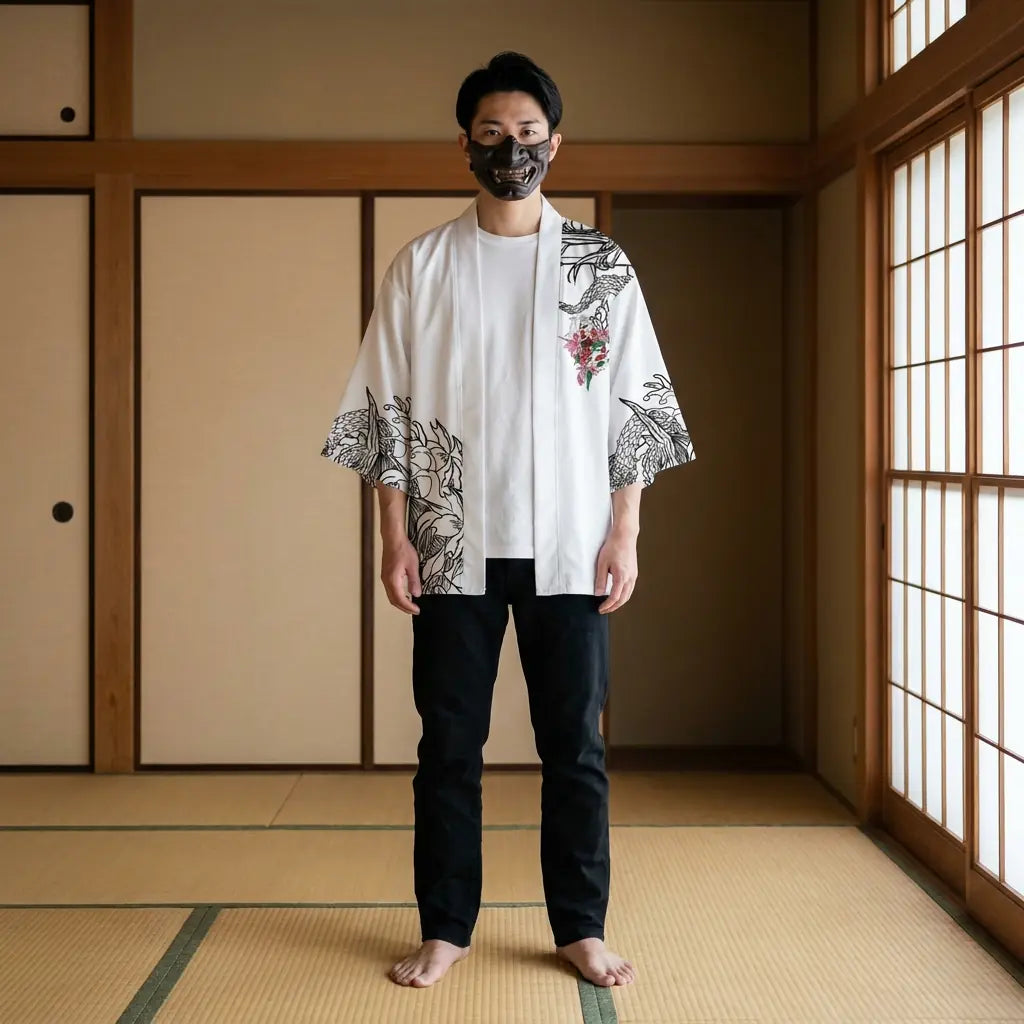
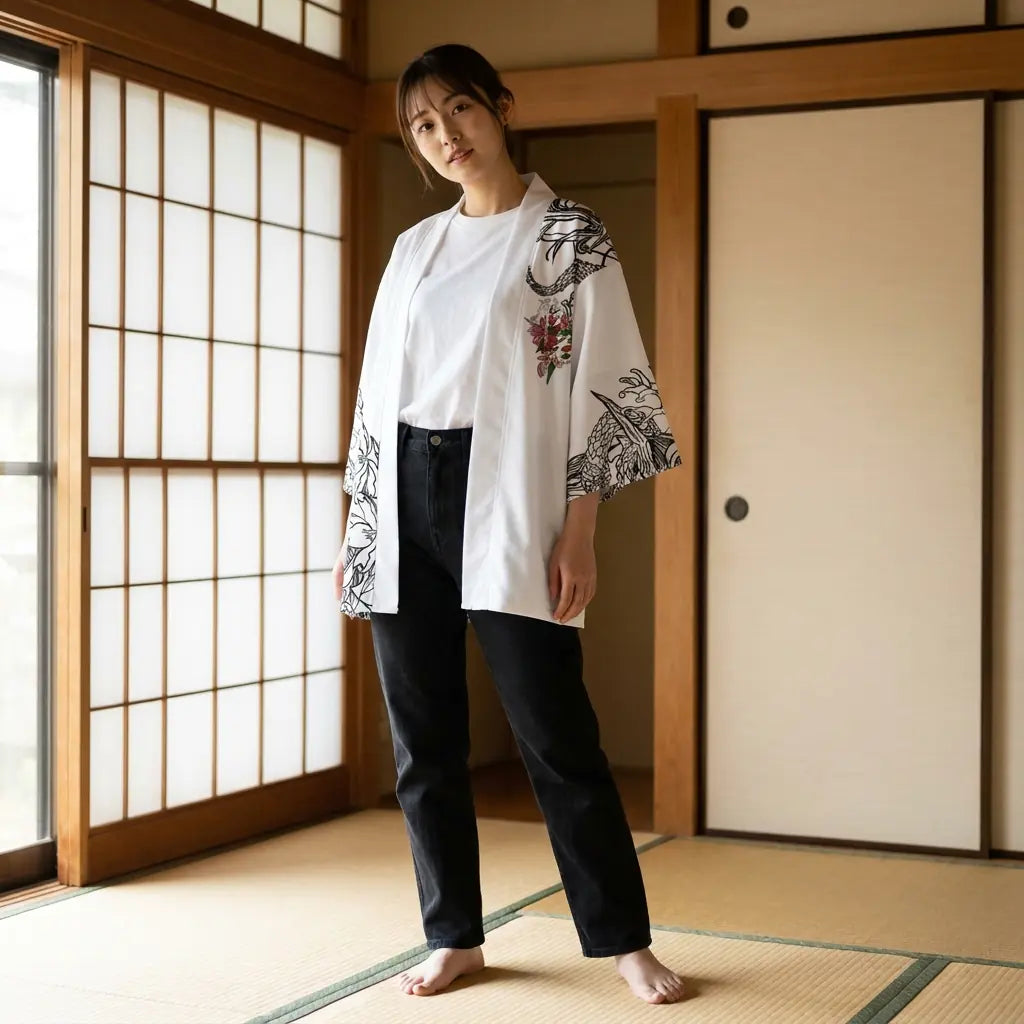
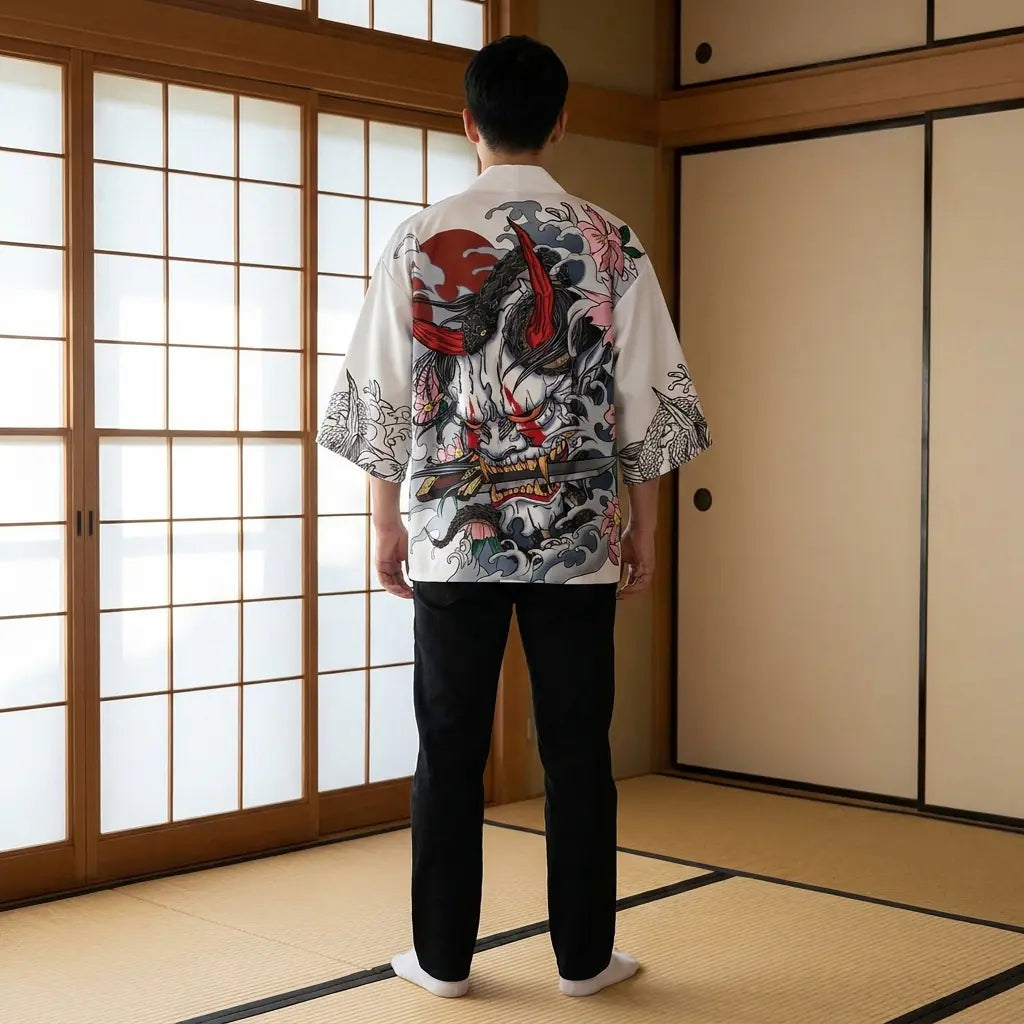
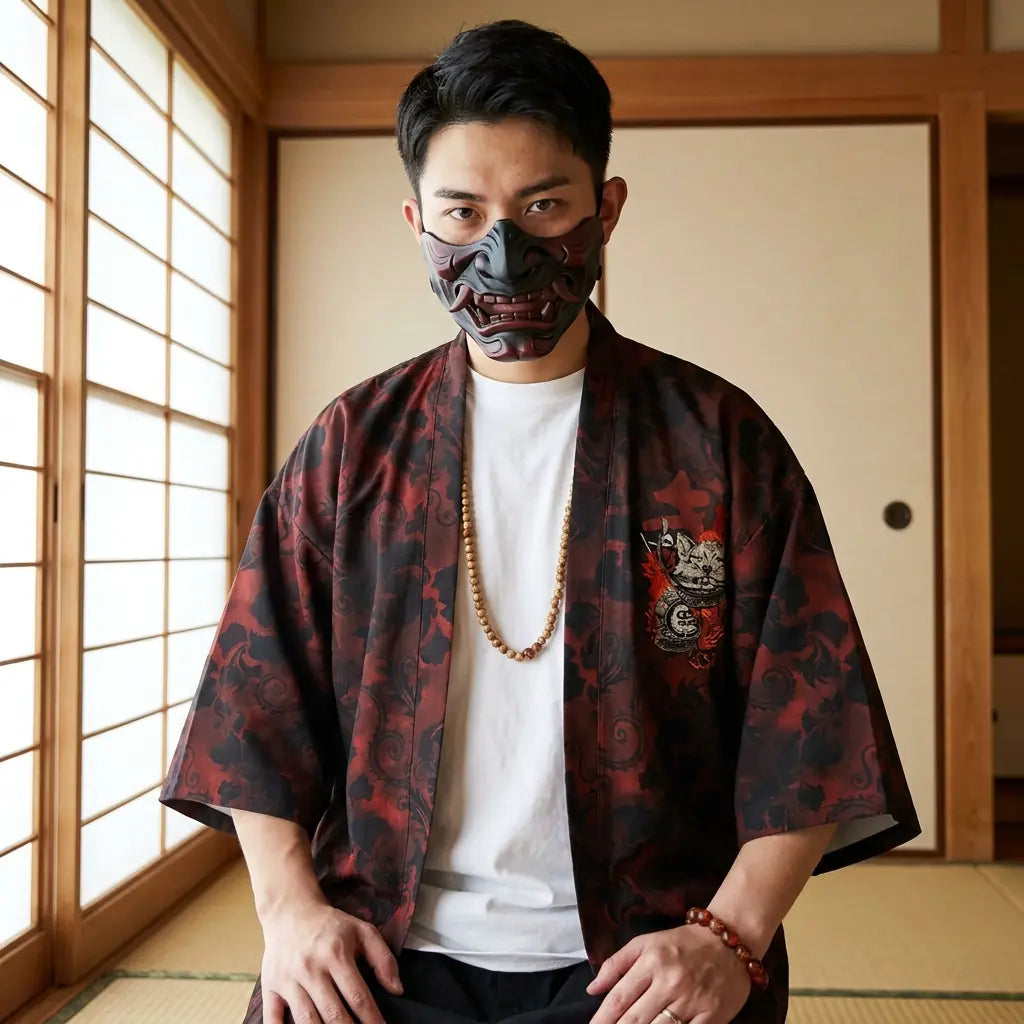
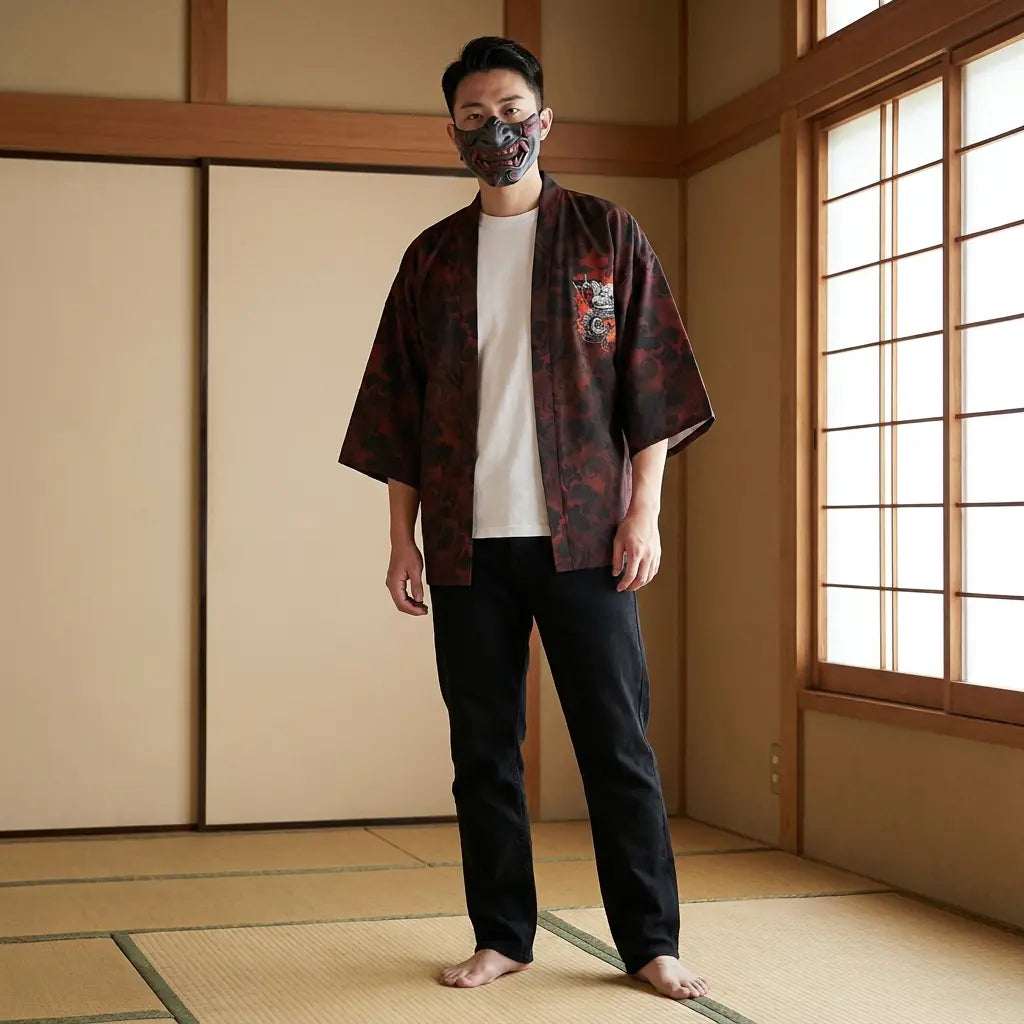
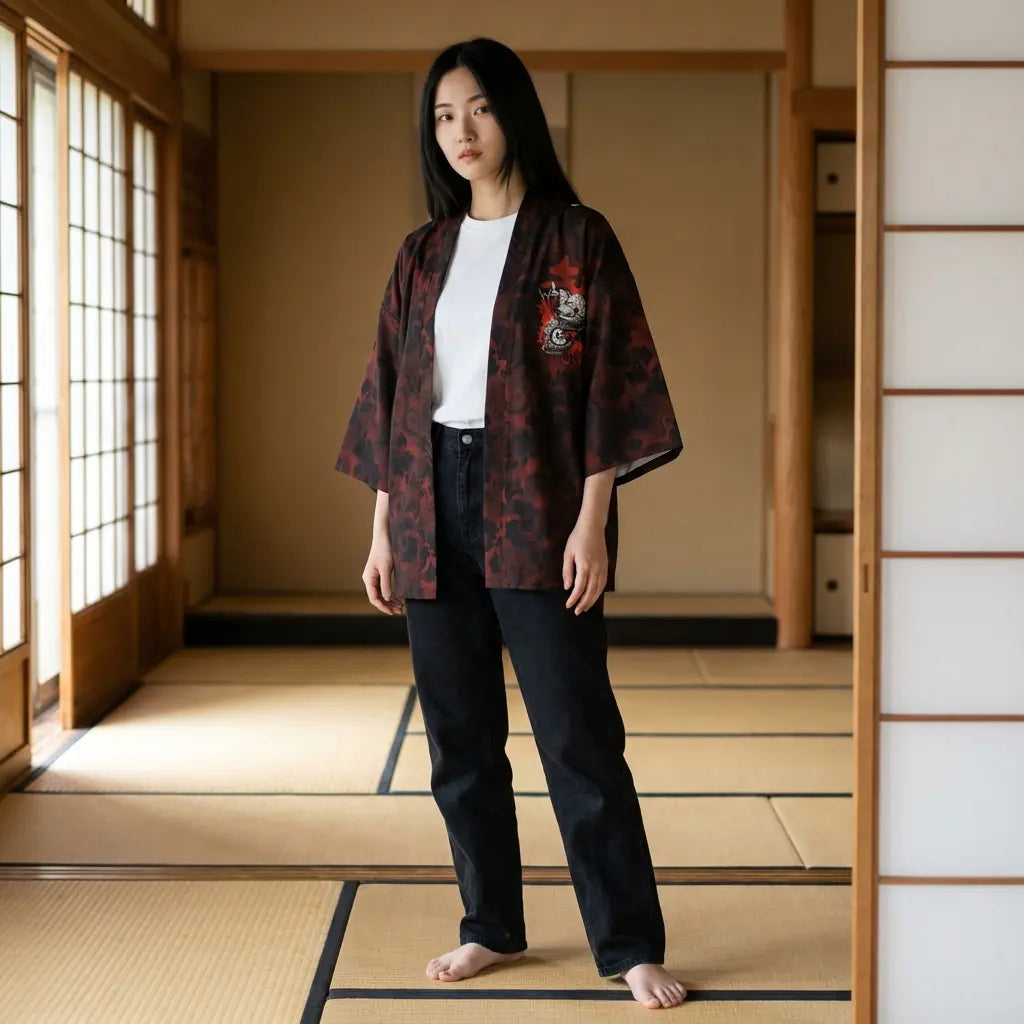
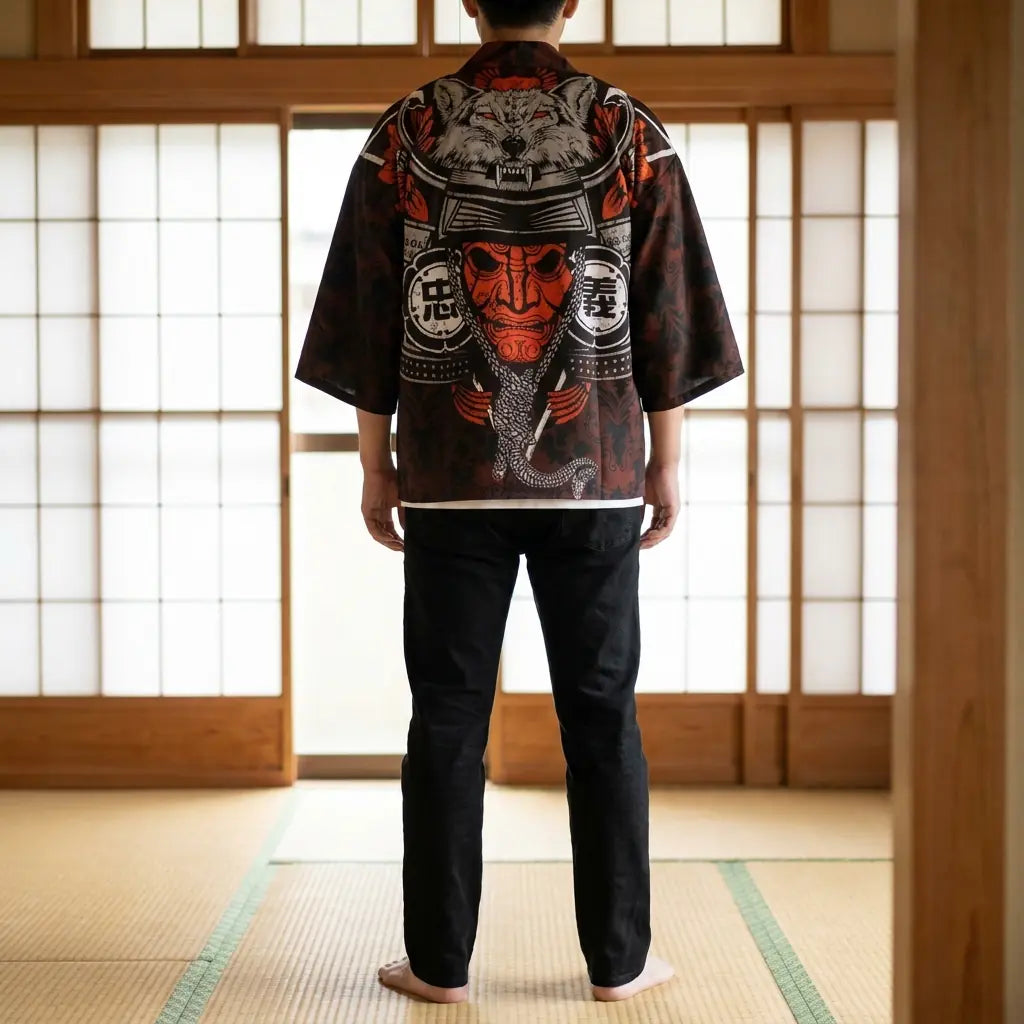


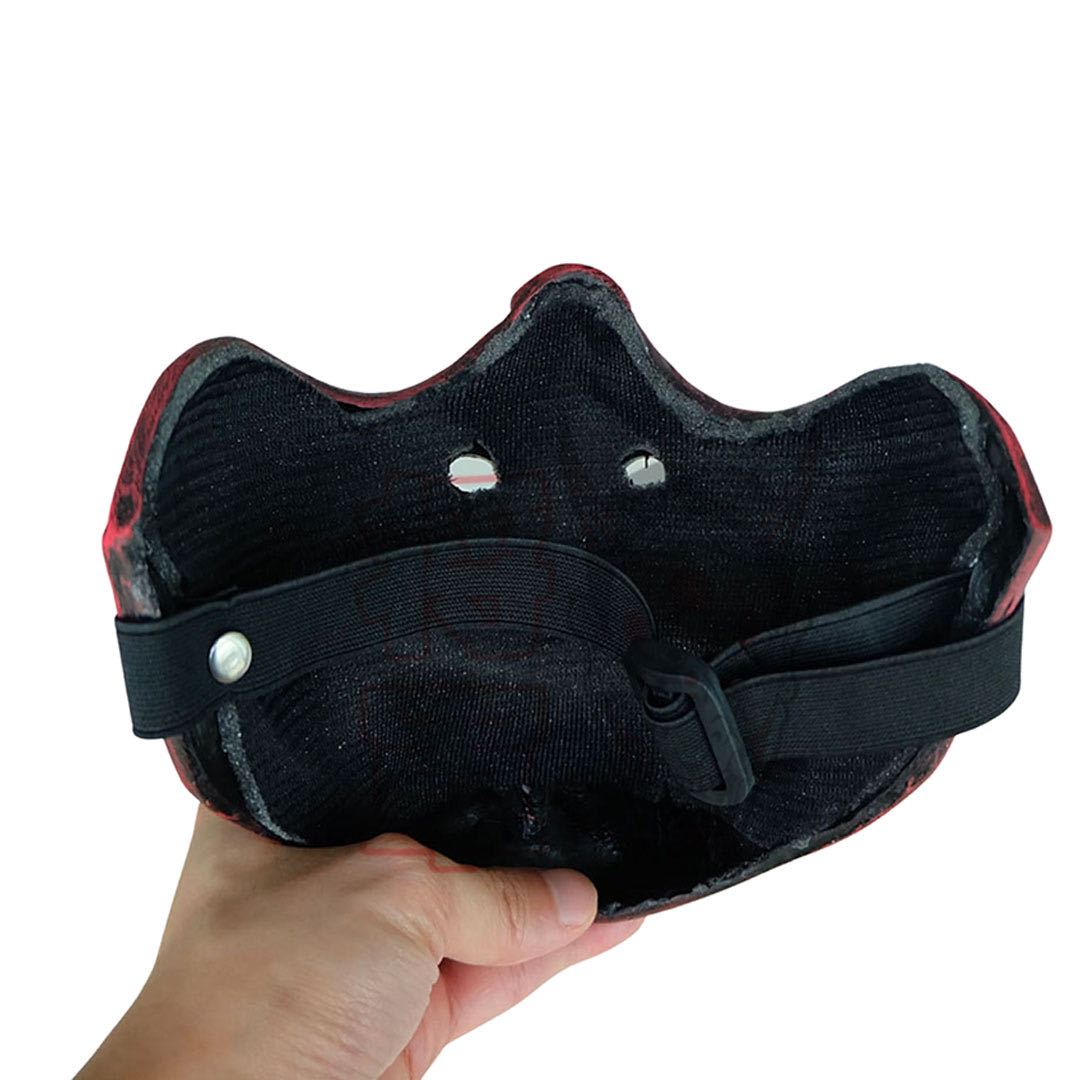


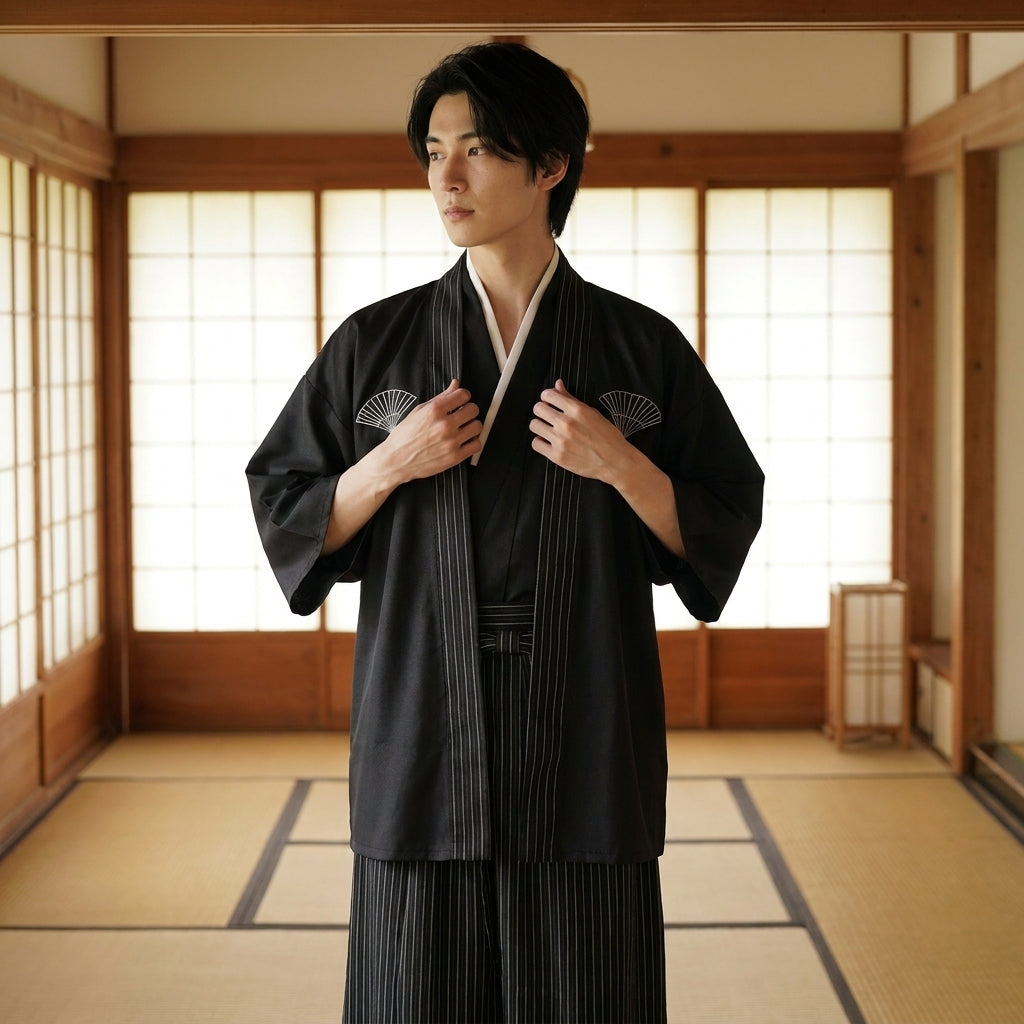
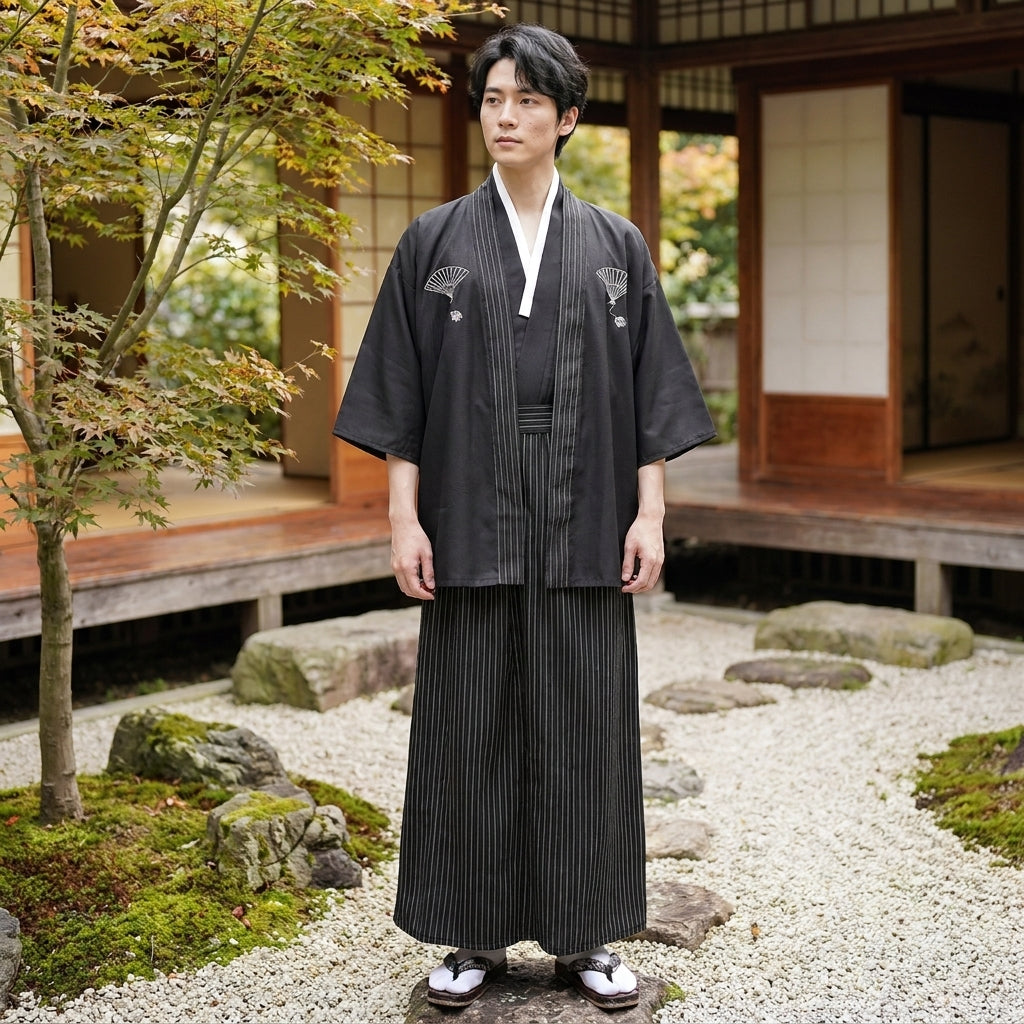
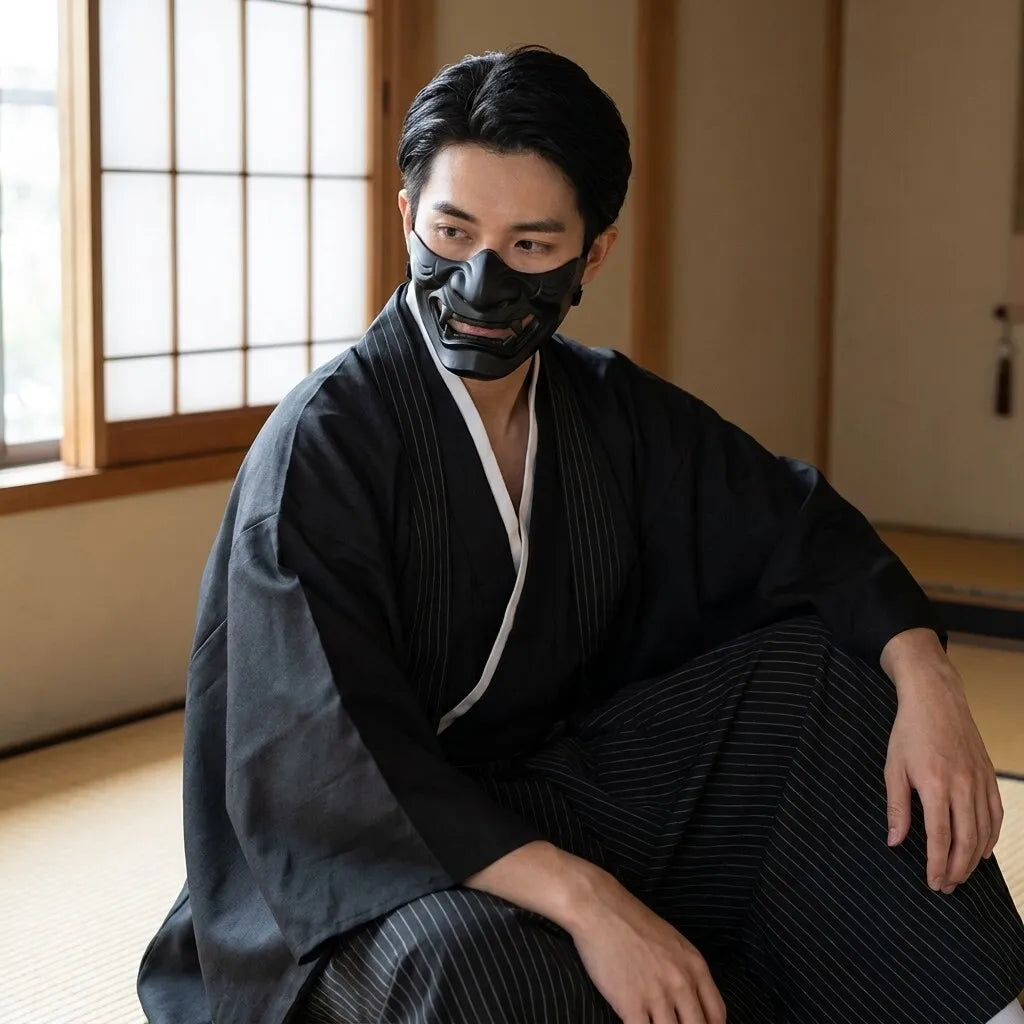
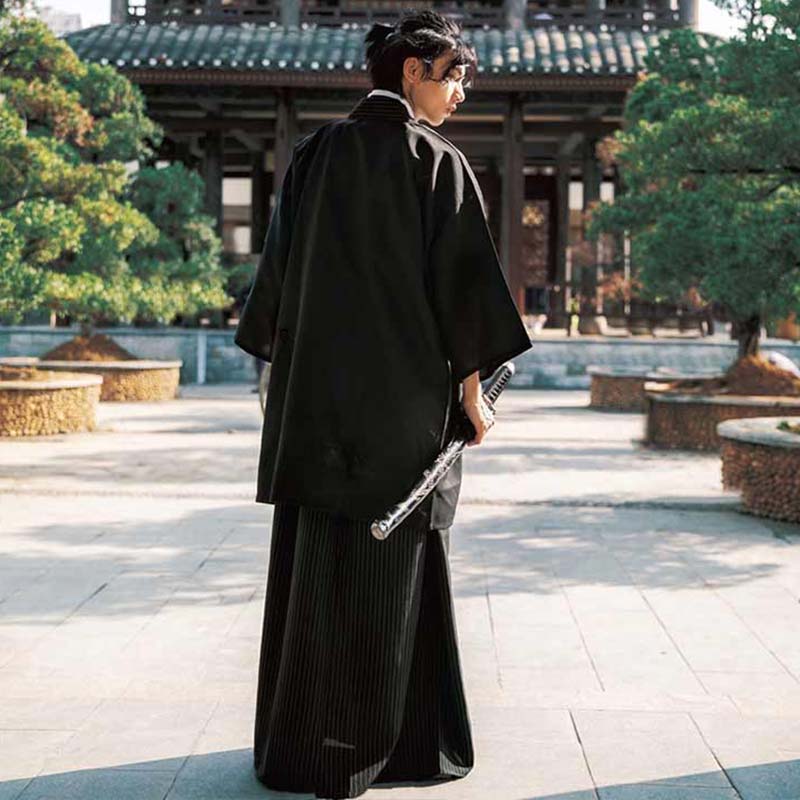


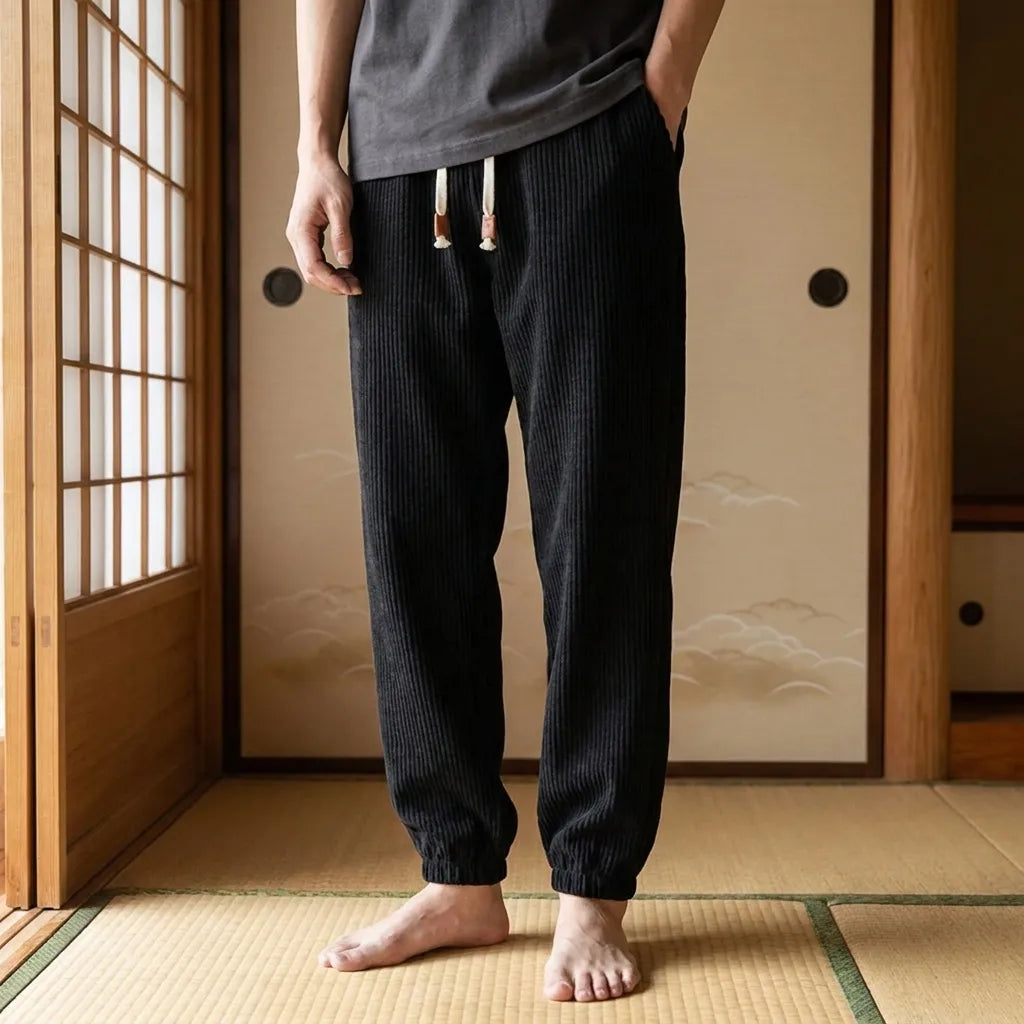
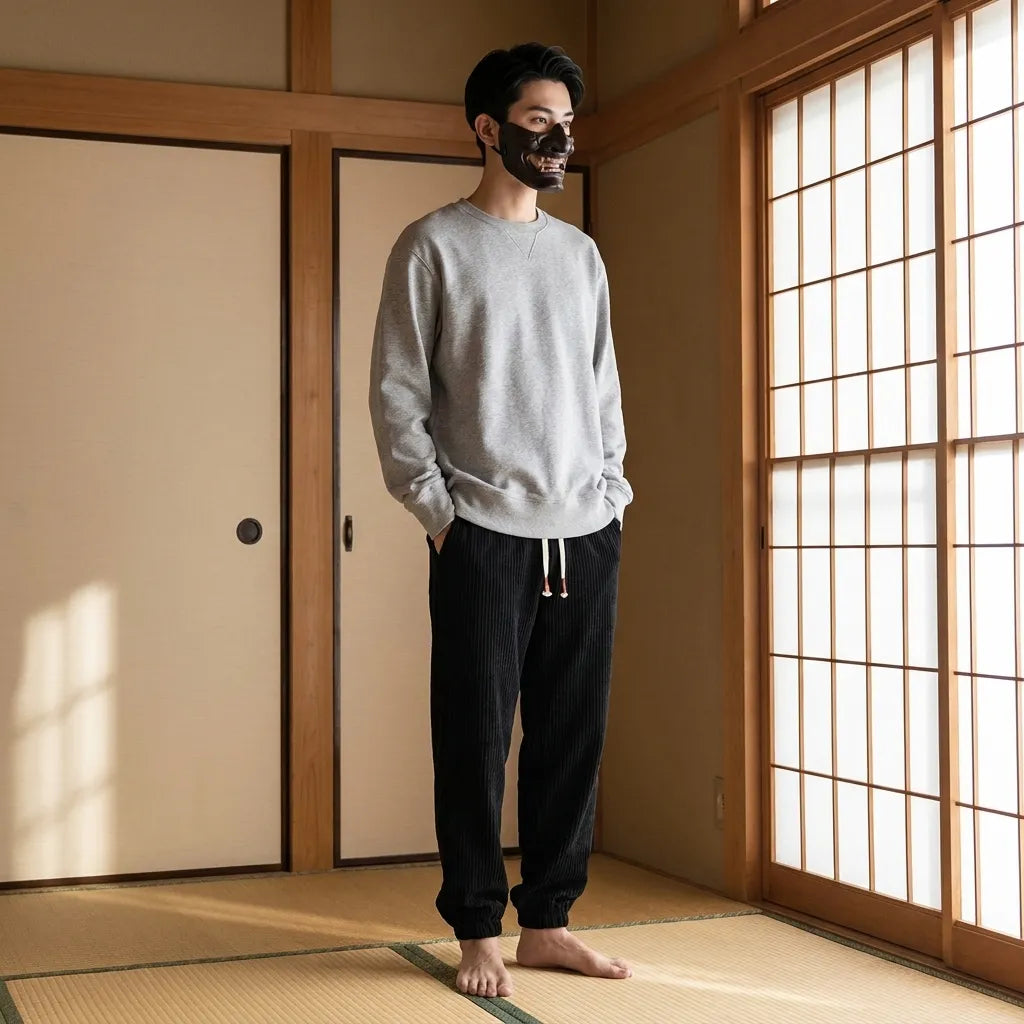
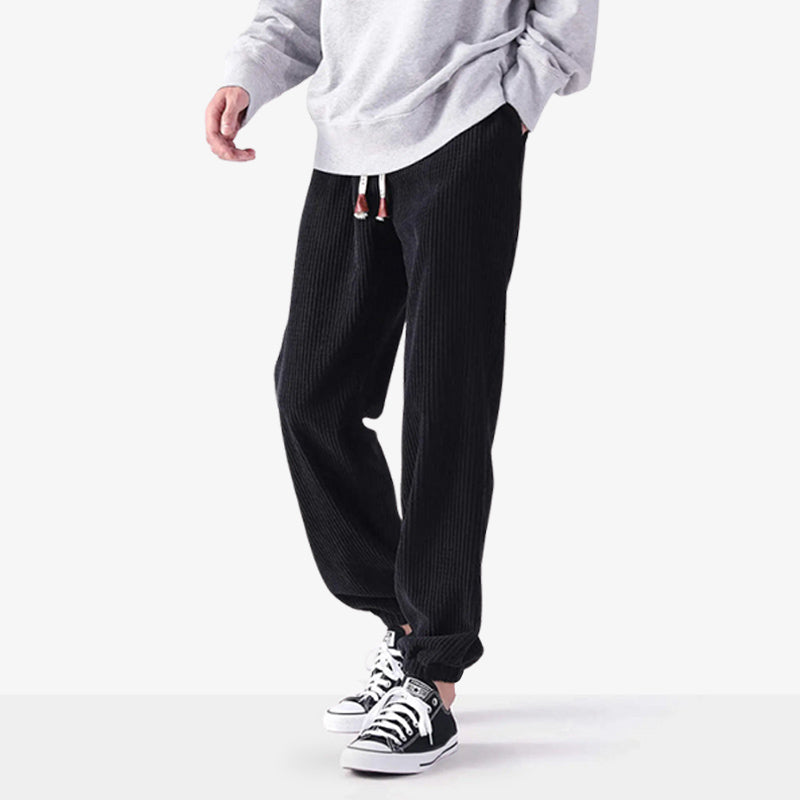
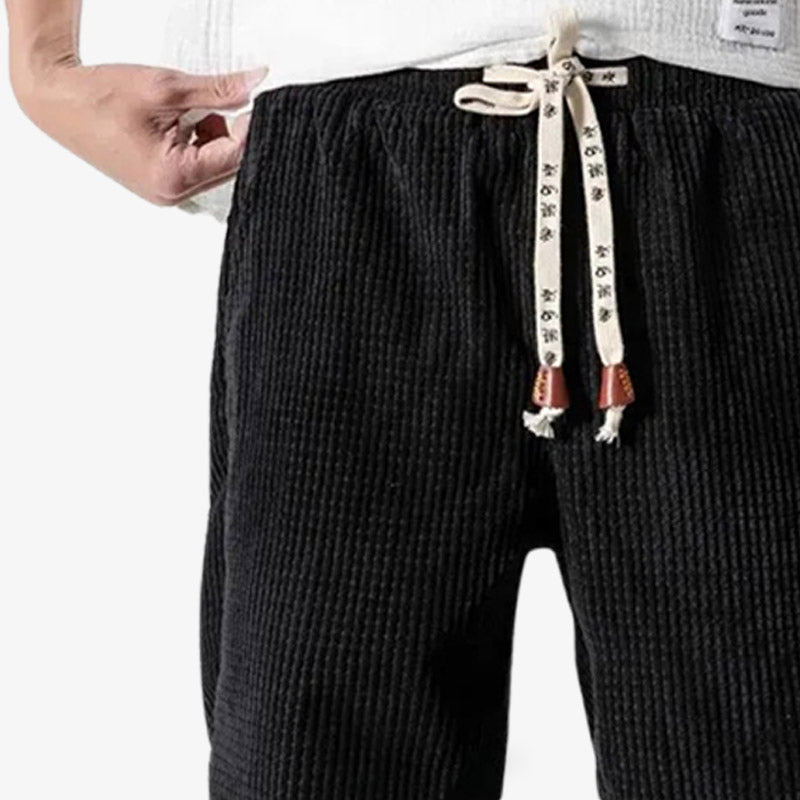
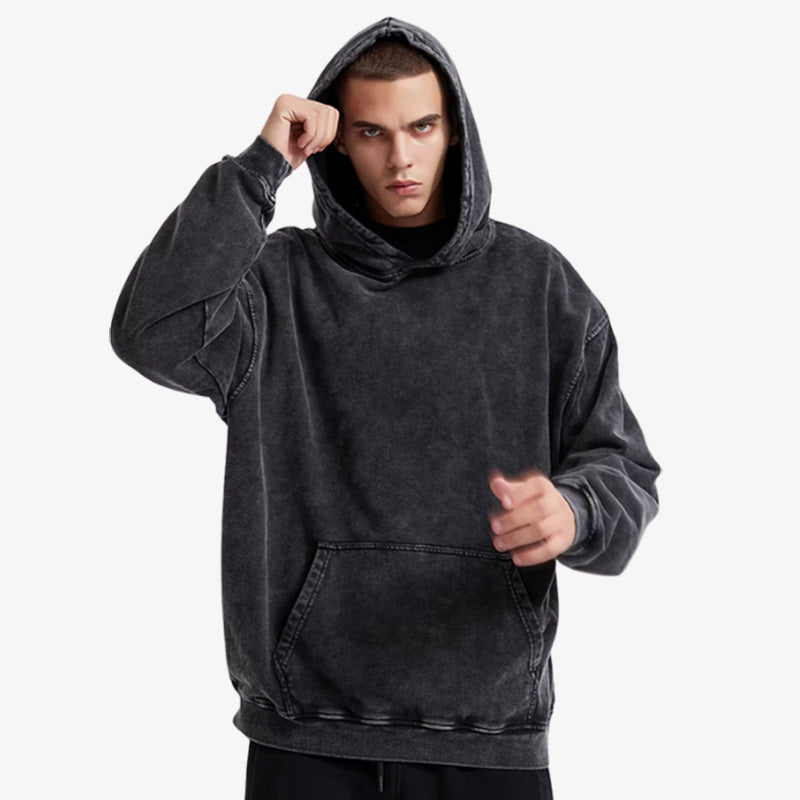
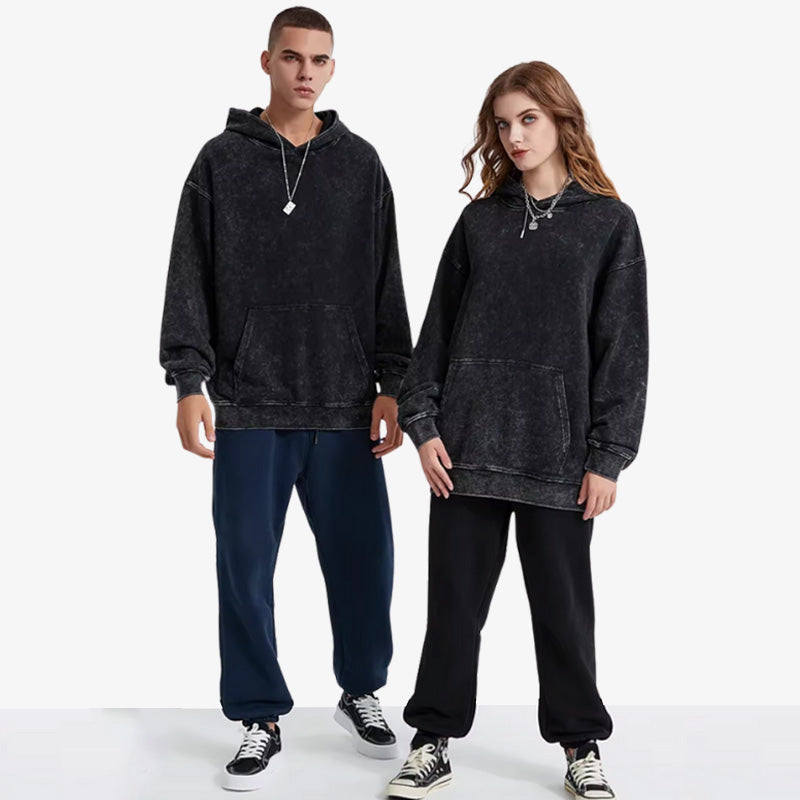
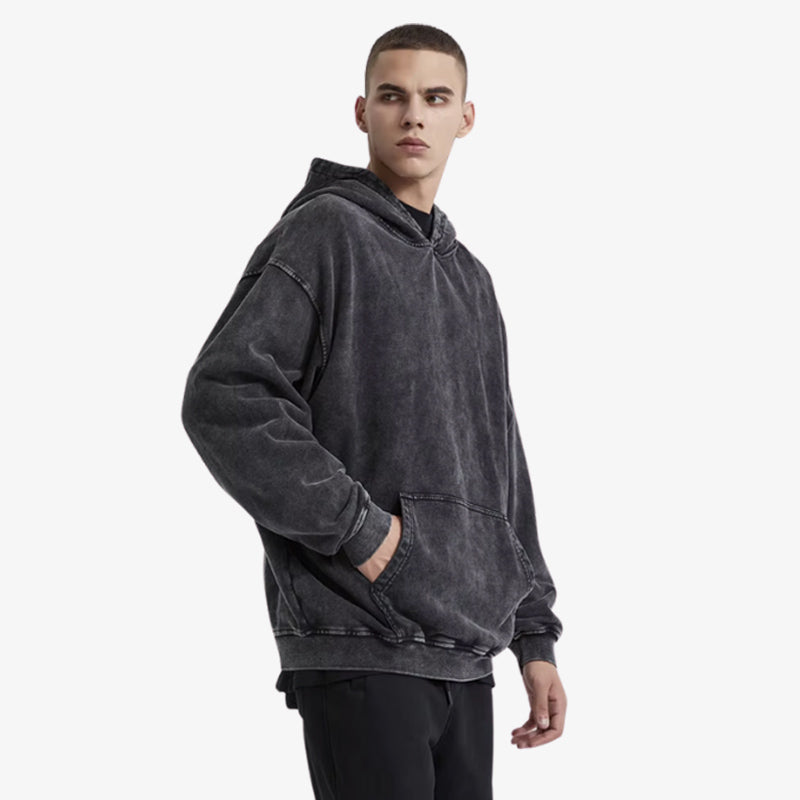
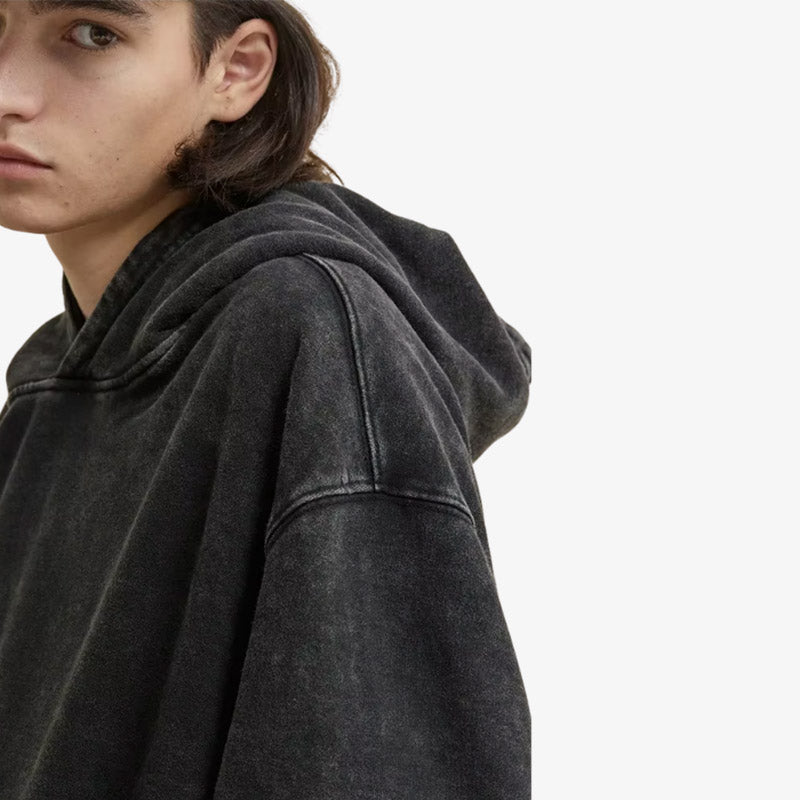
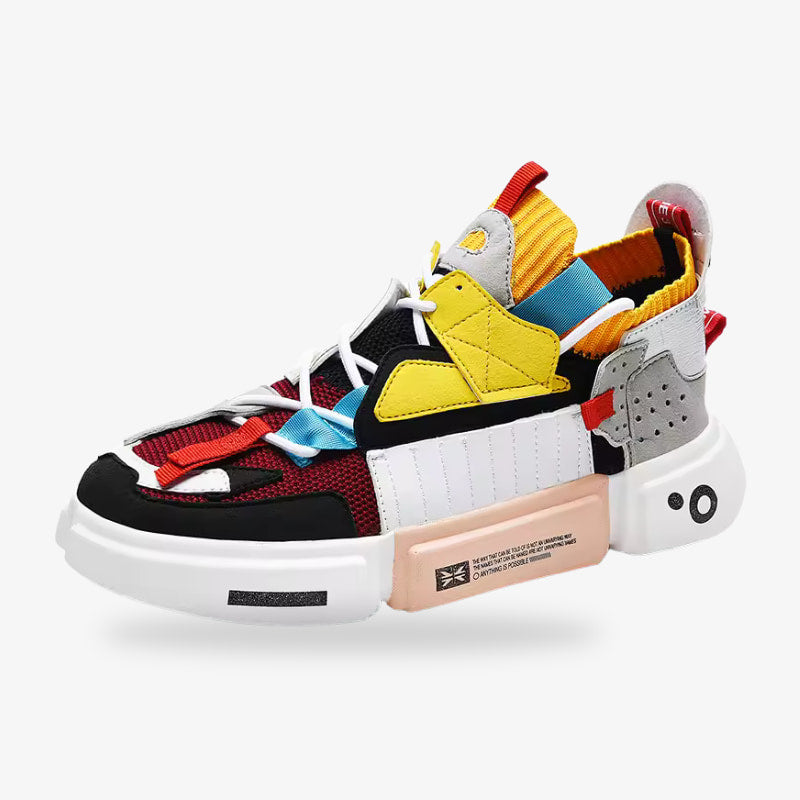
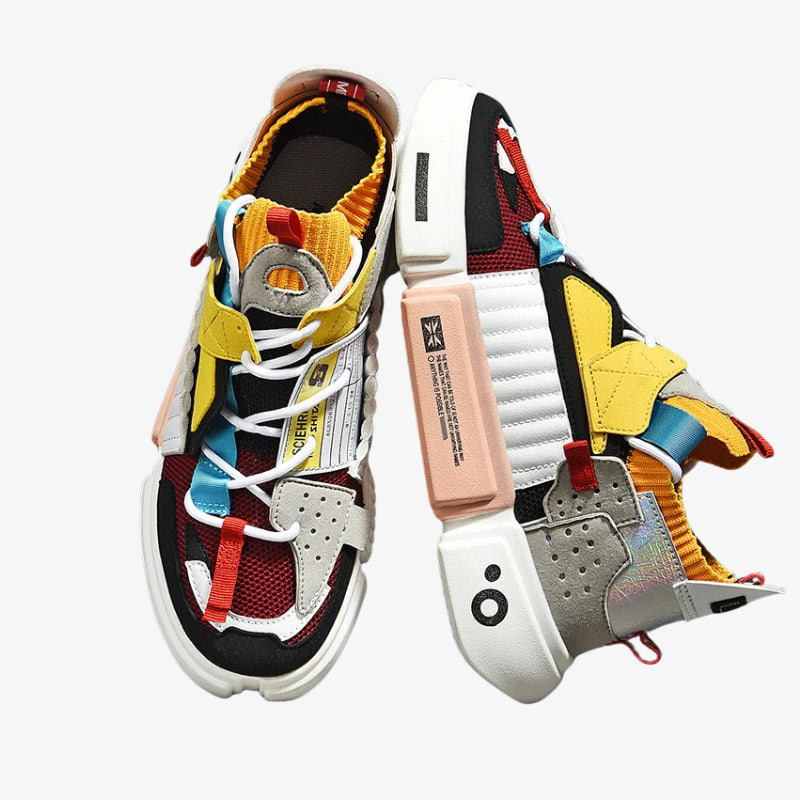


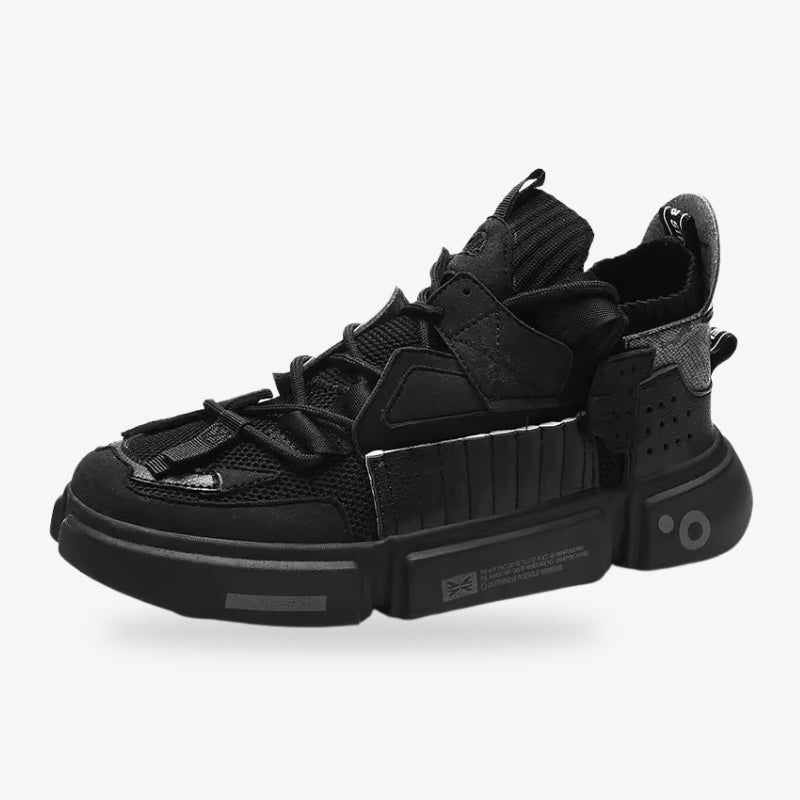
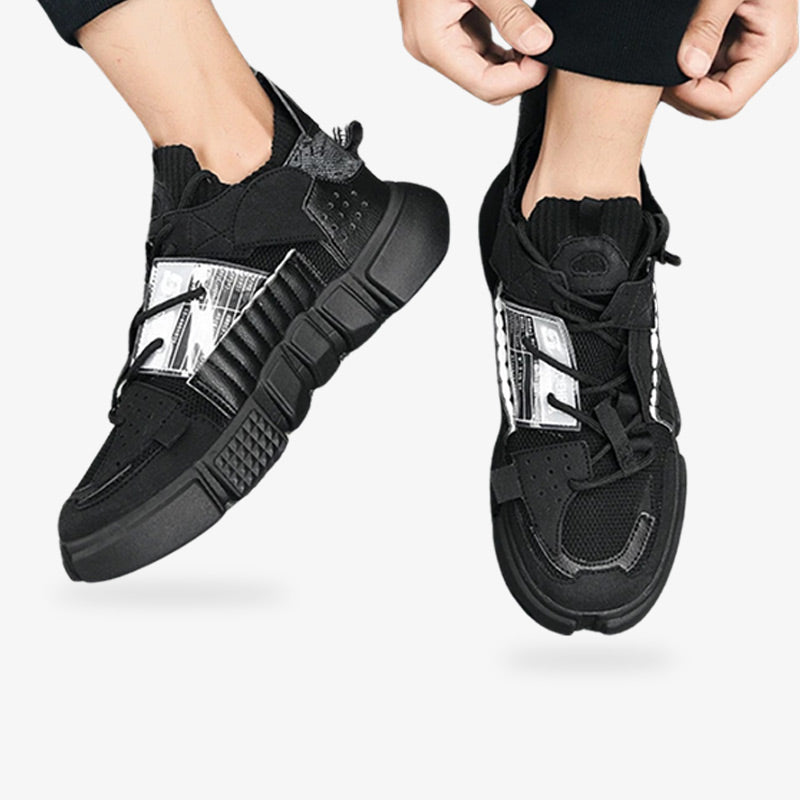
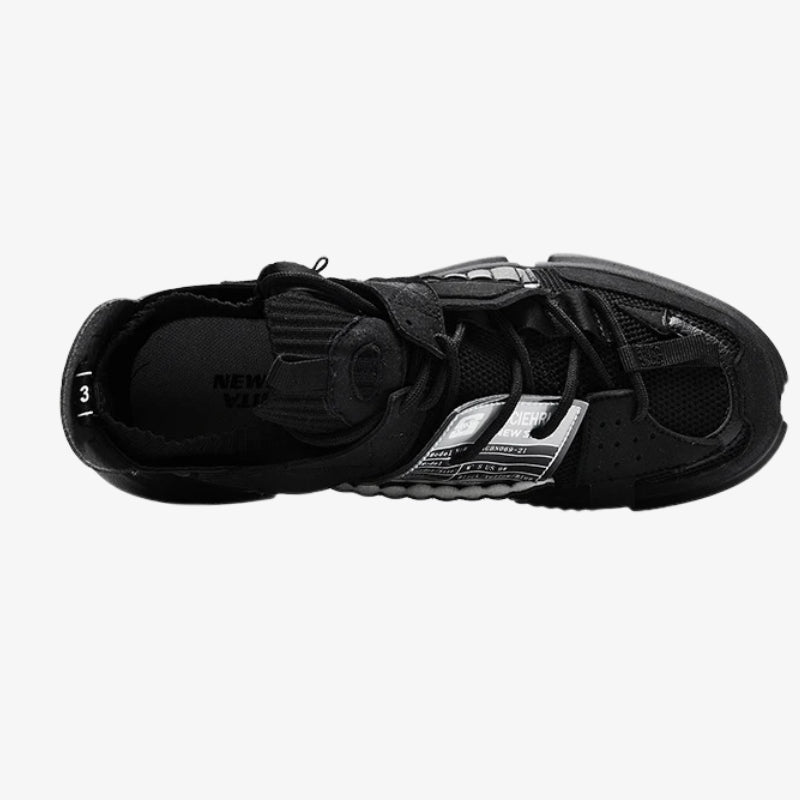
Best selling Japanese clothing gathers the pieces most requested season after season, from Harajuku hoodies to traditional hakama pants and everyday kimono cardigans. This edit works as an entry point into wafuku-inspired fashion, whether the goal is a daily outfit or a themed look for a convention. For a wider view of everyday Japanese fashion, the Japanese Clothing collection extends the selection further.
Read more
How to choose best-selling Japanese clothing pieces
Choosing well starts with the occasion. A jacket meant for a convention floor will not move the same way as a piece worn under a coat on a commute. Cut matters as much as pattern: a boxy silhouette reads closer to Harajuku style, while a fitted cardigan leans toward a quieter, everyday wardrobe. Looking at how a garment closes, drapes or layers helps narrow the list before checking size charts.
Best-selling Japanese clothing sizing: US and EU guide
Japanese sizes typically run about one size smaller than US or EU standards, so a label marked M often fits closer to a Western S. This is especially true for structured pieces like a hakama, where waist ties allow some flexibility but shoulder width does not. Checking measurements in centimeters against a personal chart, rather than relying on the letter size alone, avoids most fit surprises.
Styling best-selling Japanese clothing with everyday basics
Many pieces in this selection were designed to sit comfortably alongside a plain wardrobe. A dark haori layered over a white t-shirt and black jeans keeps the traditional silhouette while staying wearable outside of any themed event. Streetwear pants or a graphic hoodie work the same way, pulling one Japanese-inspired element into an otherwise simple outfit rather than replacing the whole look.
Care and origin of best-selling Japanese clothing
Most pieces here are handcrafted by local artisans working with cotton, wool blends or brushed fleece, depending on the garment. A kimono cardigan generally asks for gentle machine or hand washing to protect printed motifs, while heavier jackets hold up better with occasional spot cleaning. This attention to material and construction reflects the Kaizen principle behind the selection: small, steady improvements in fit and finish rather than one-off design choices.