
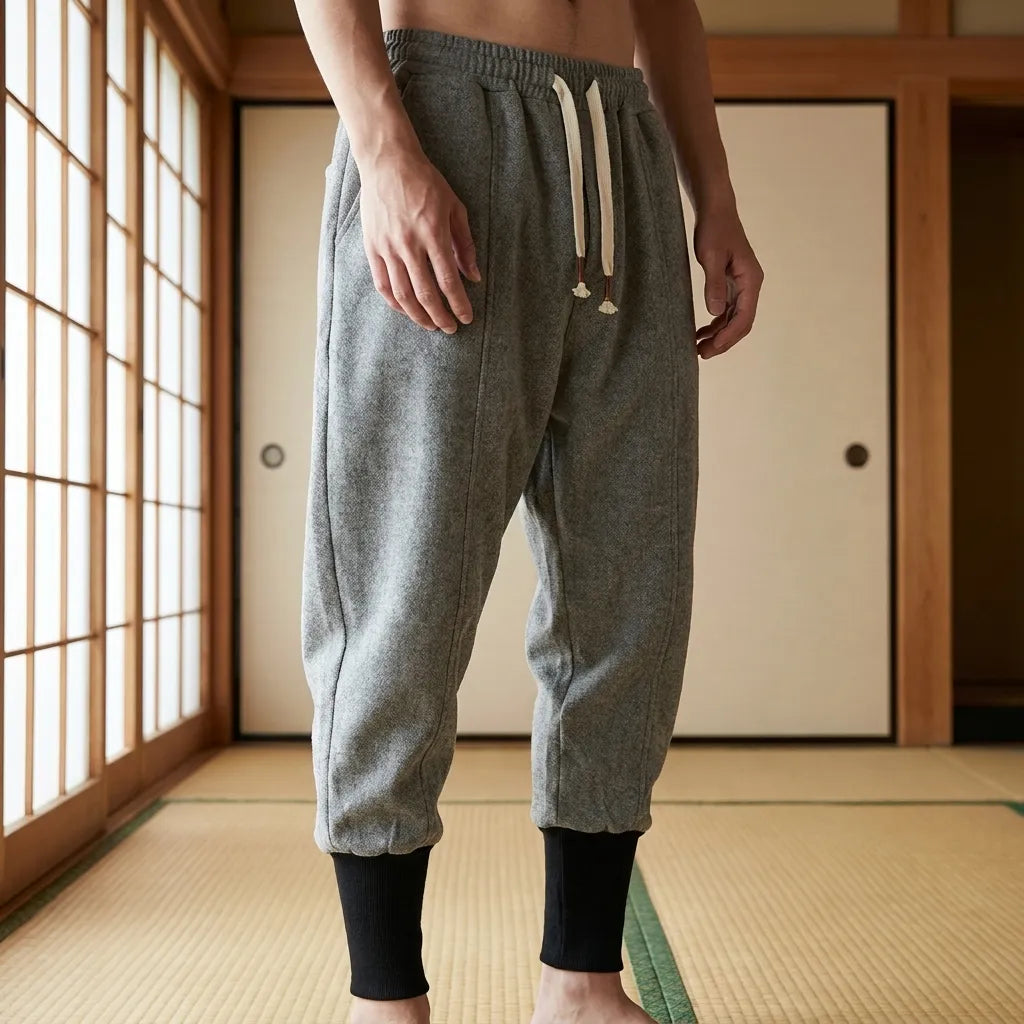
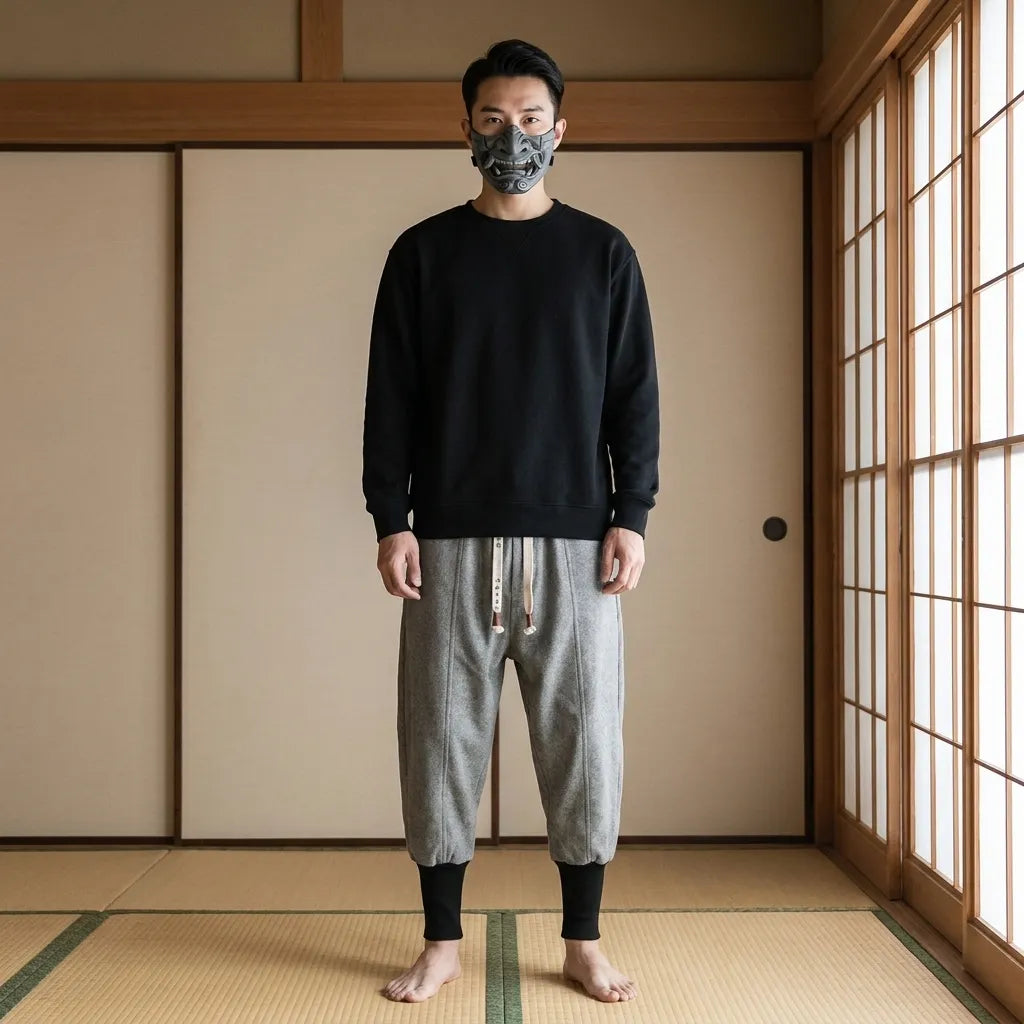
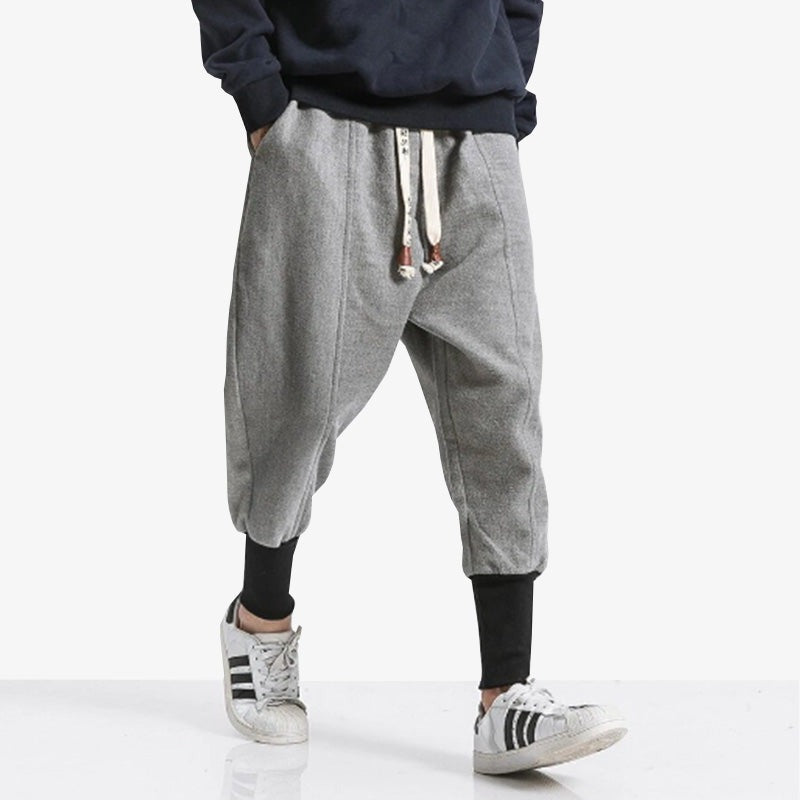
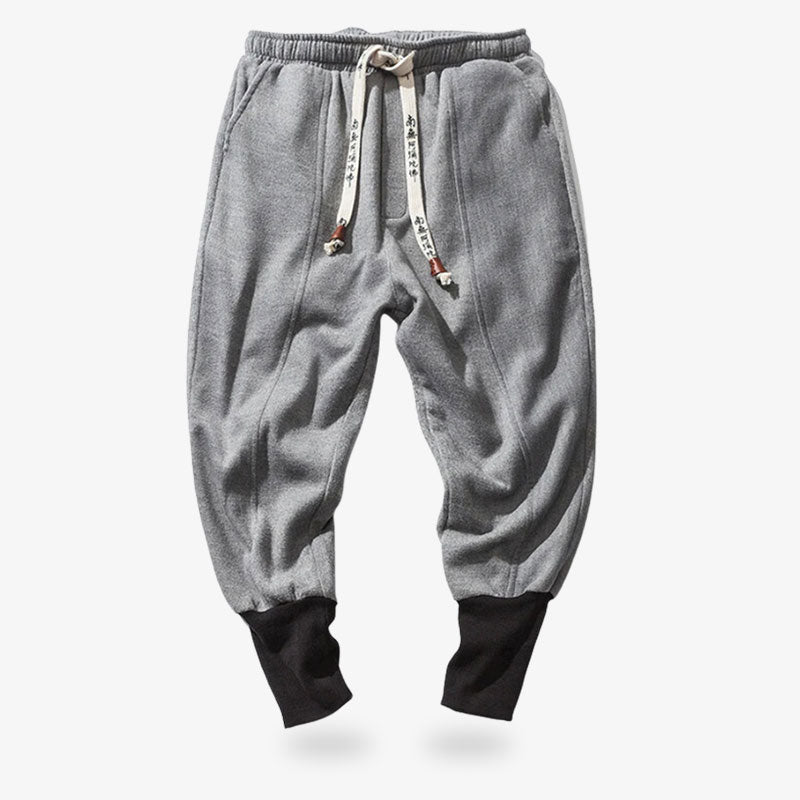


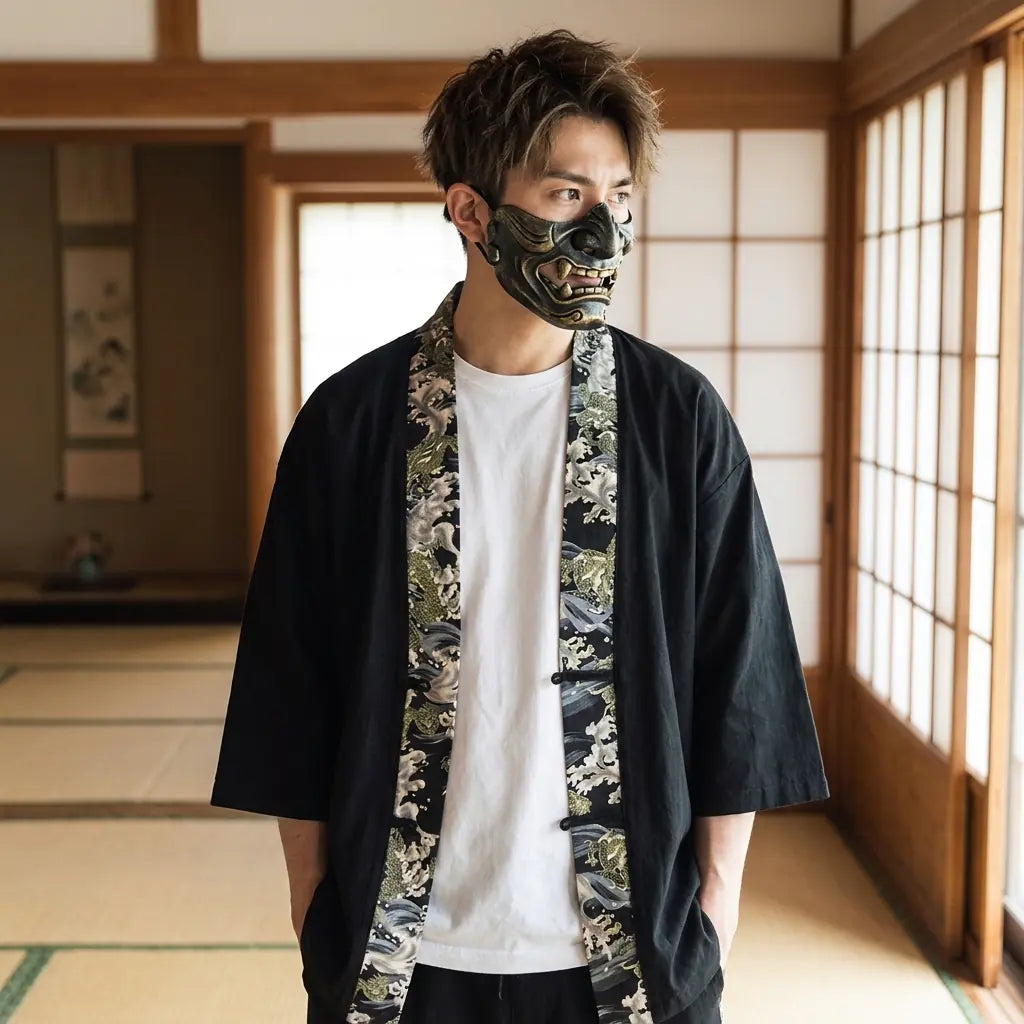
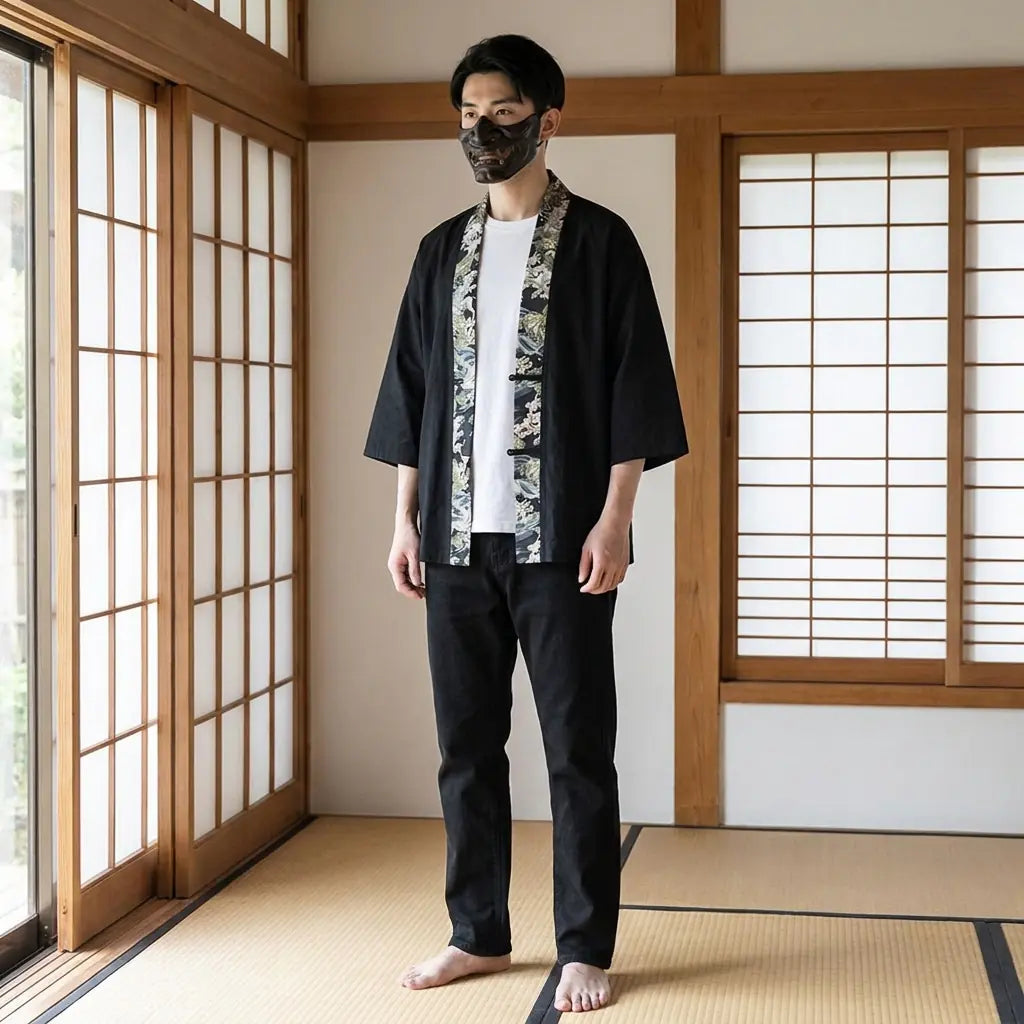
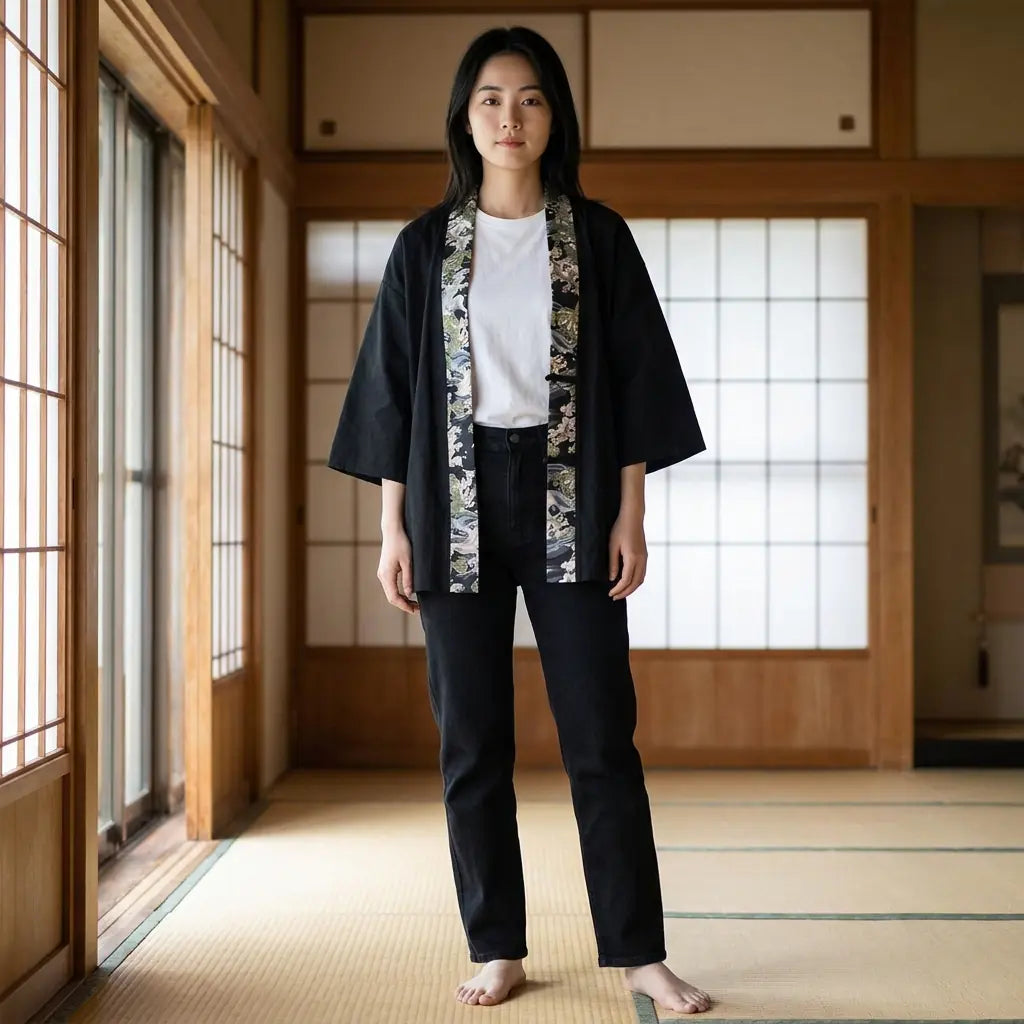
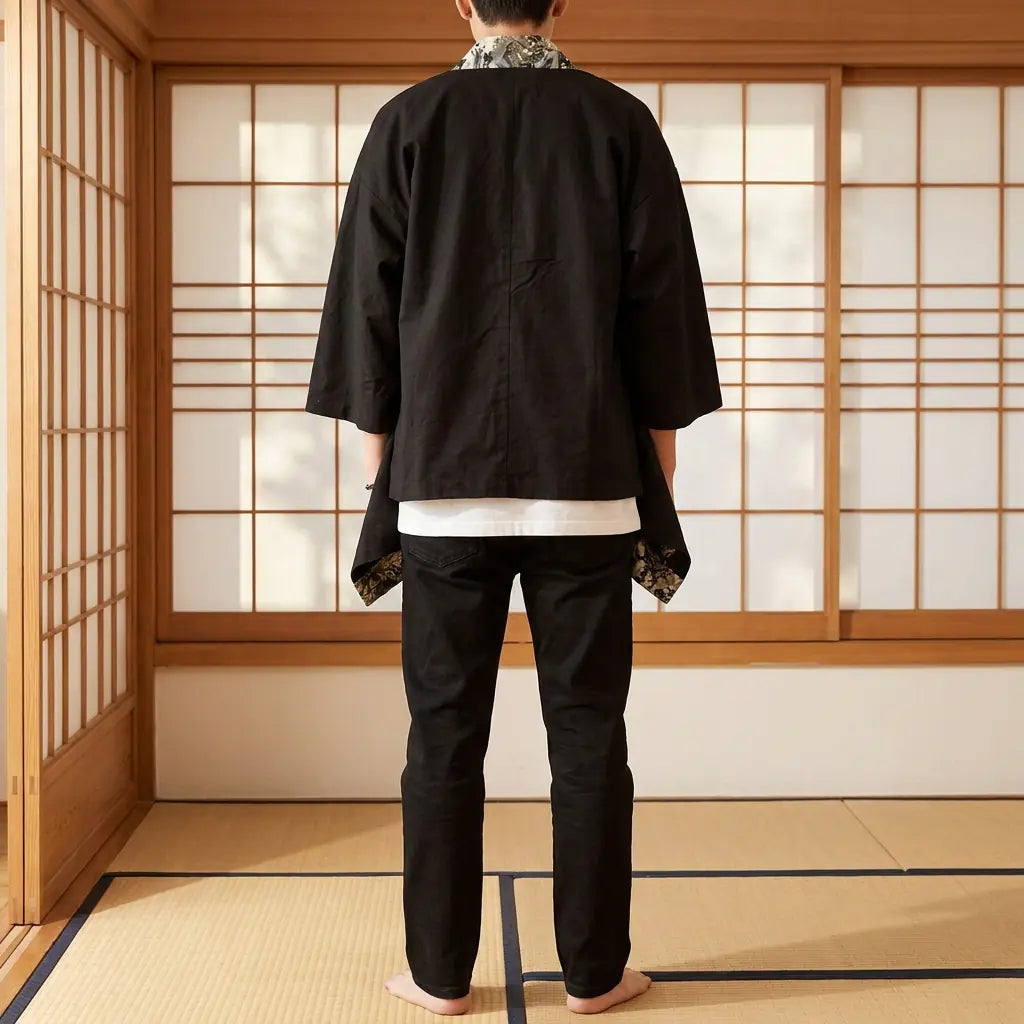
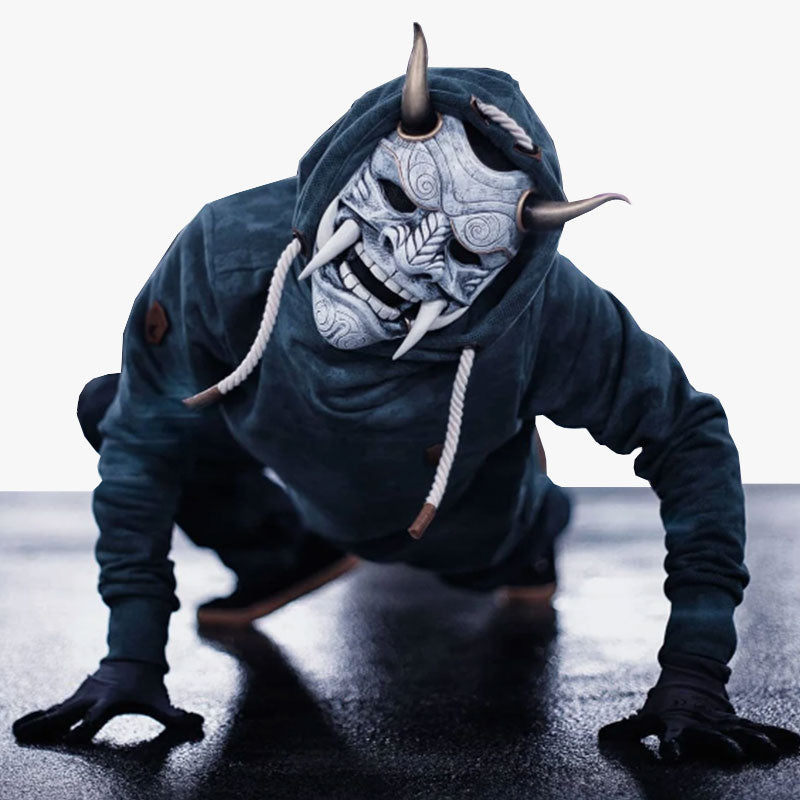
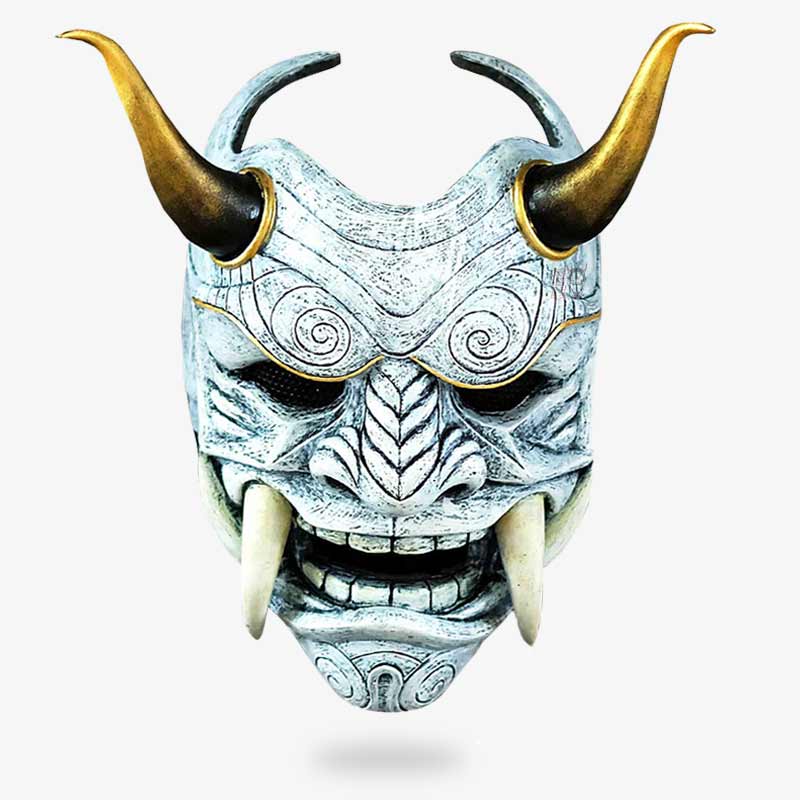
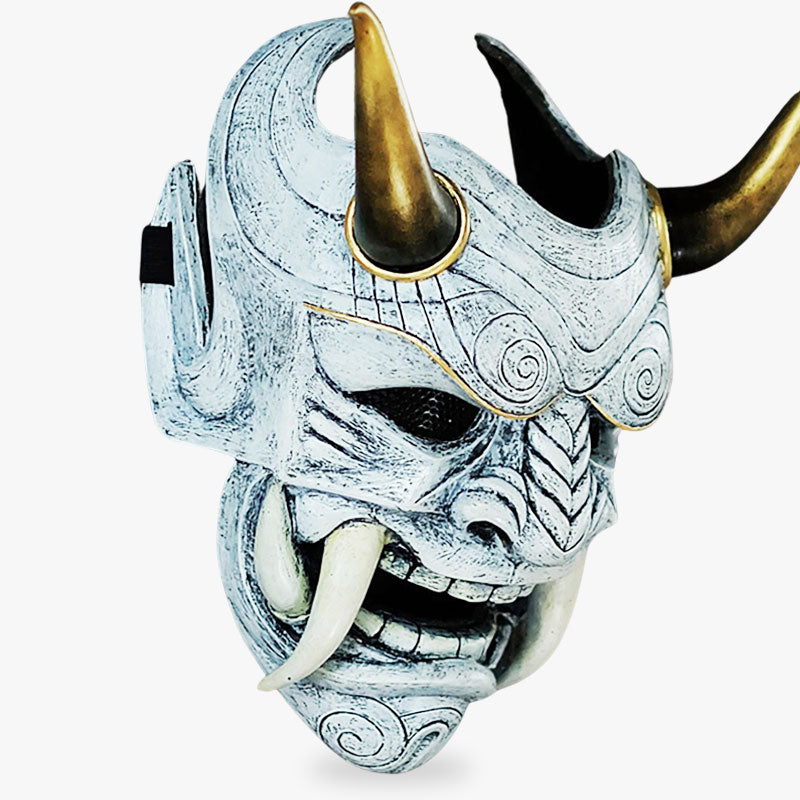


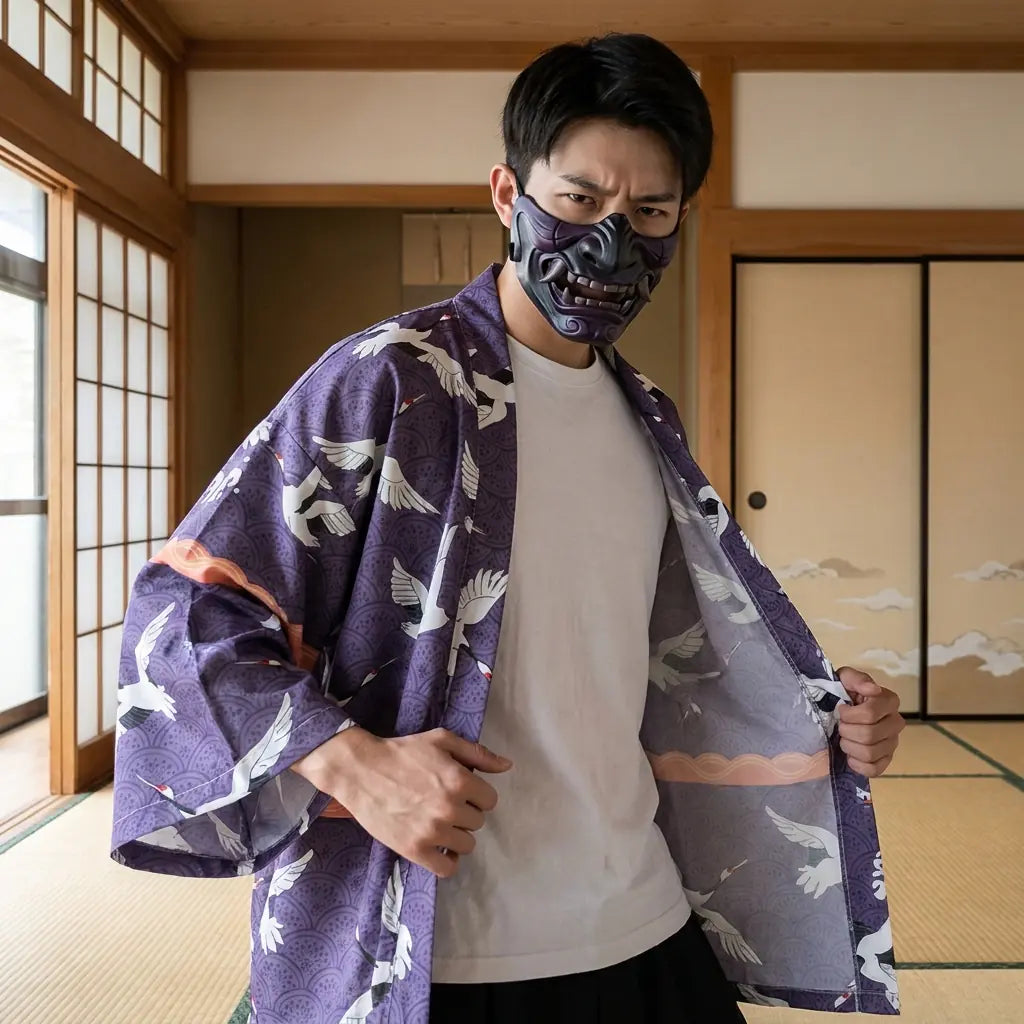
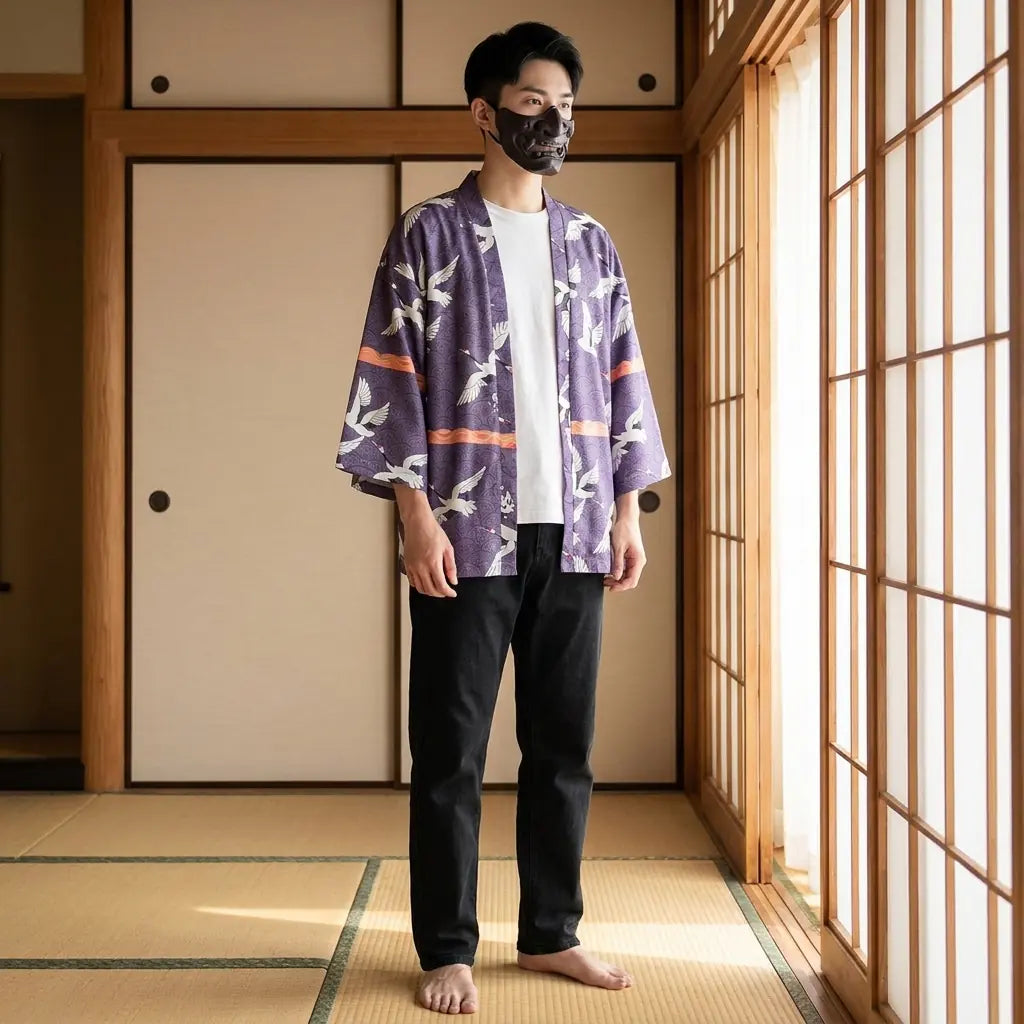
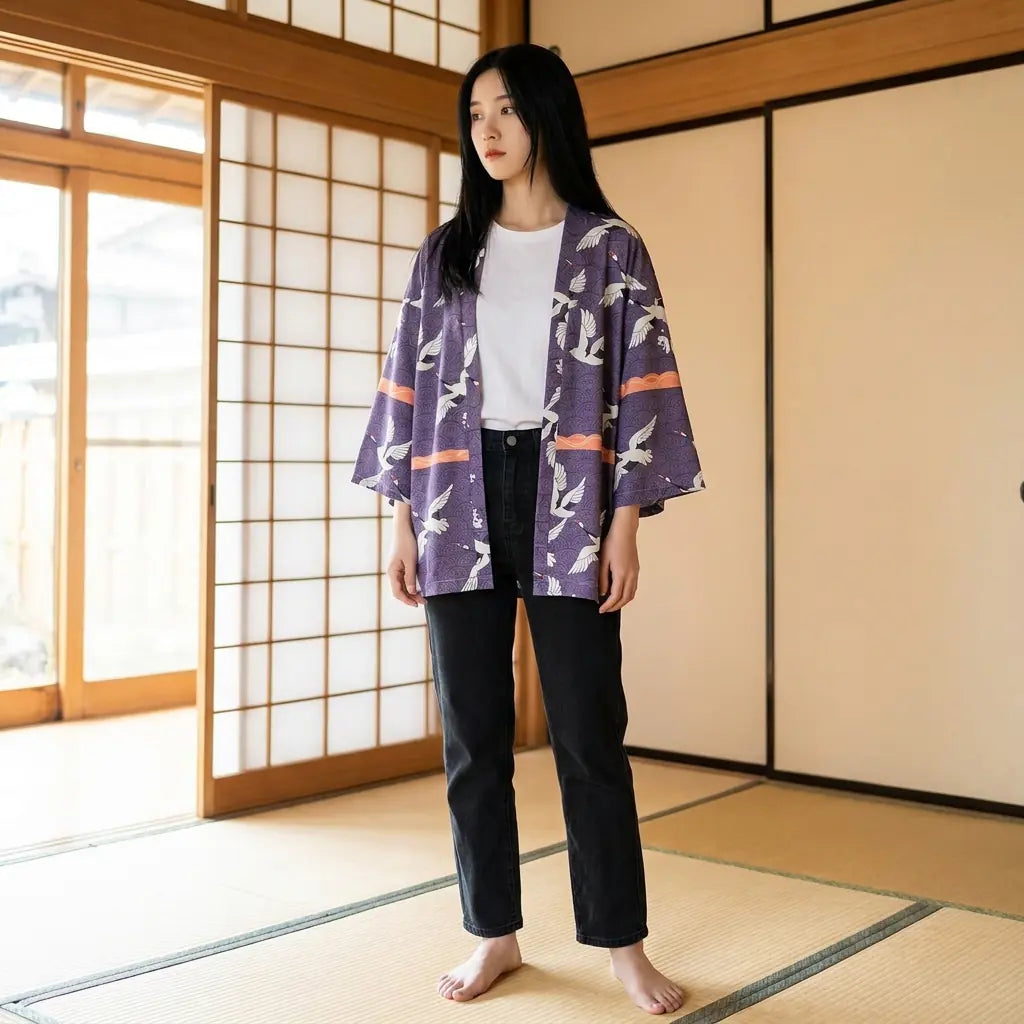
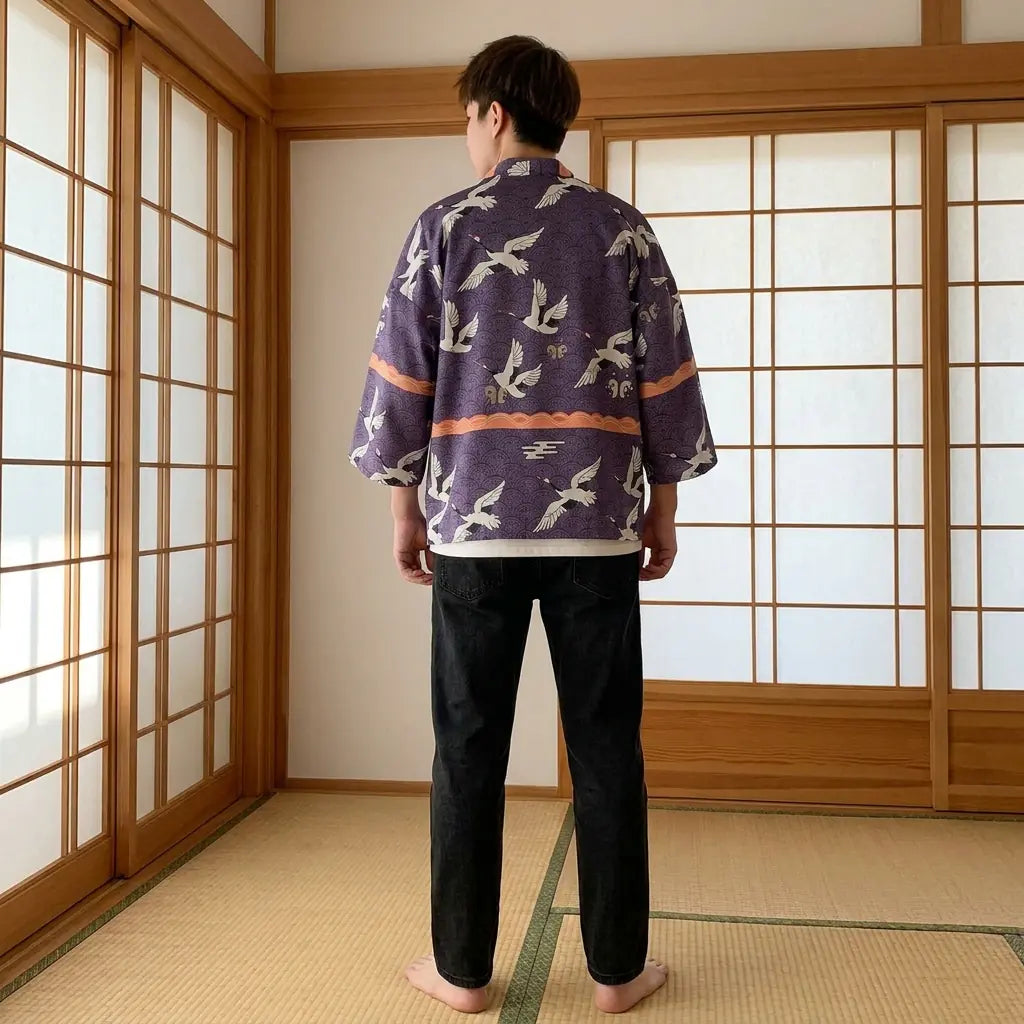
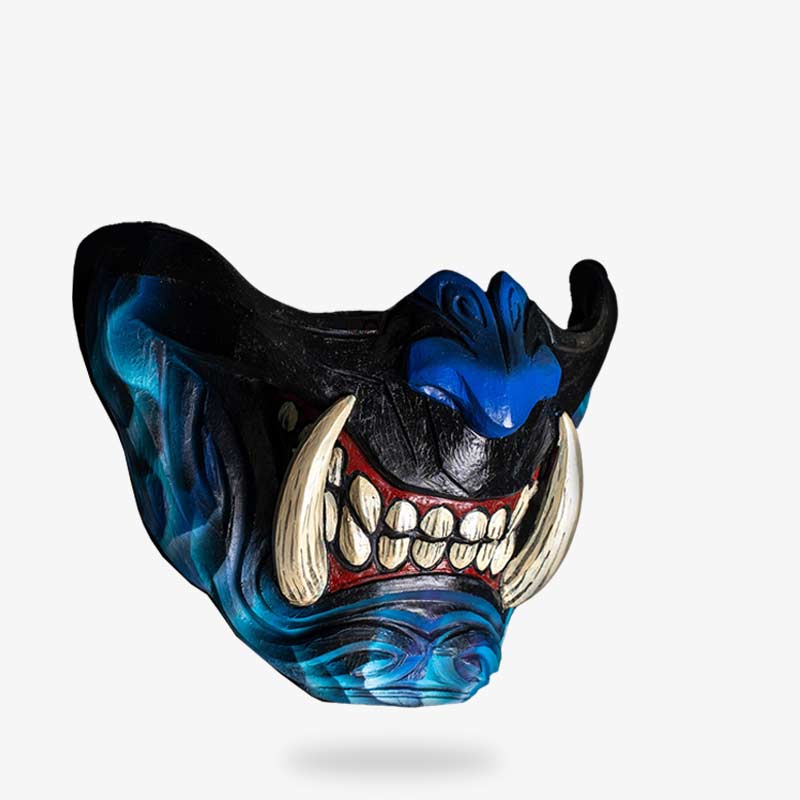
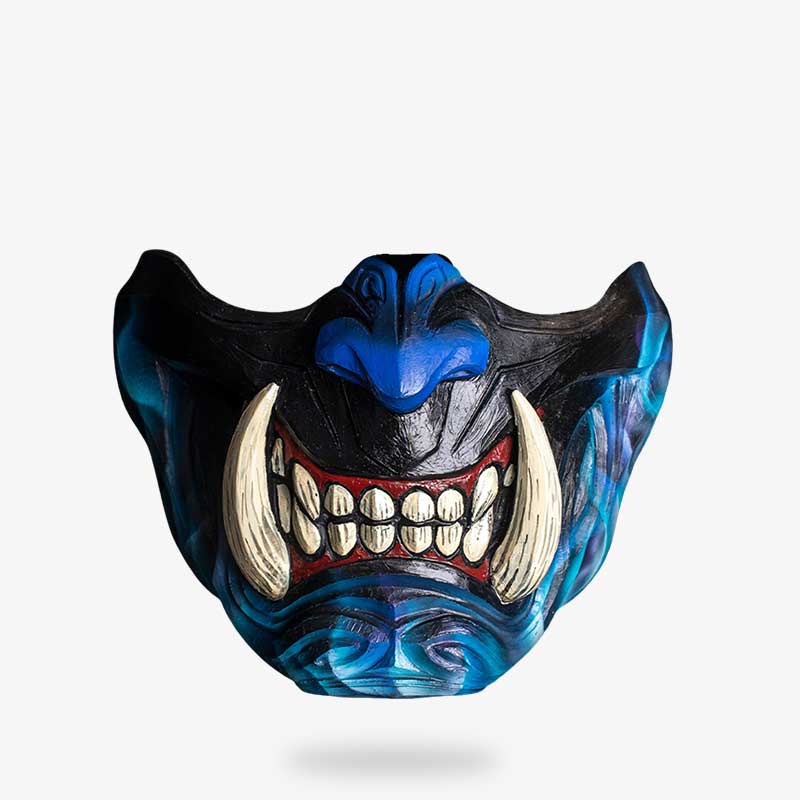
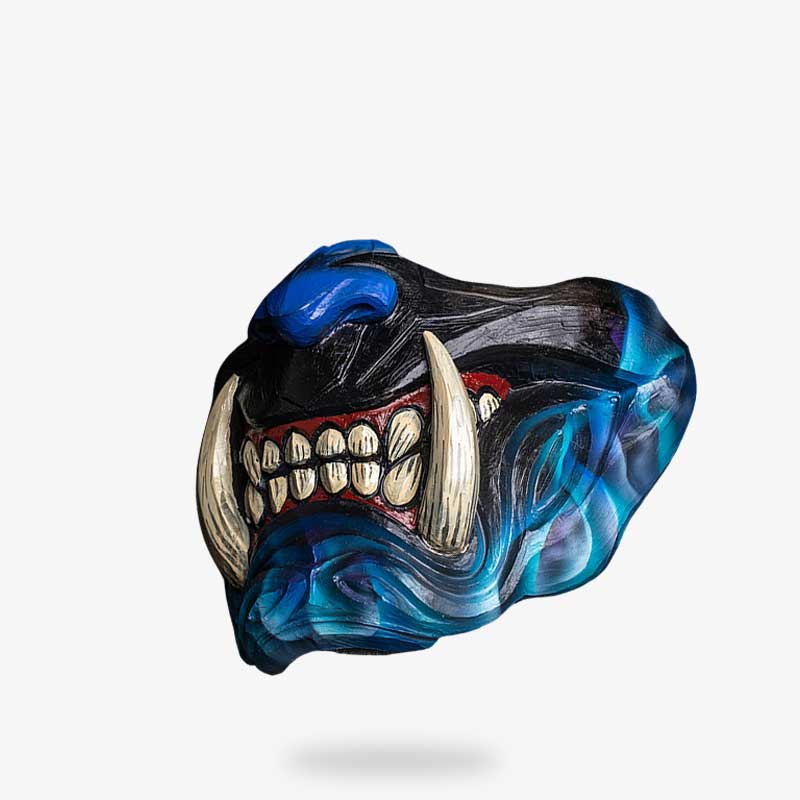
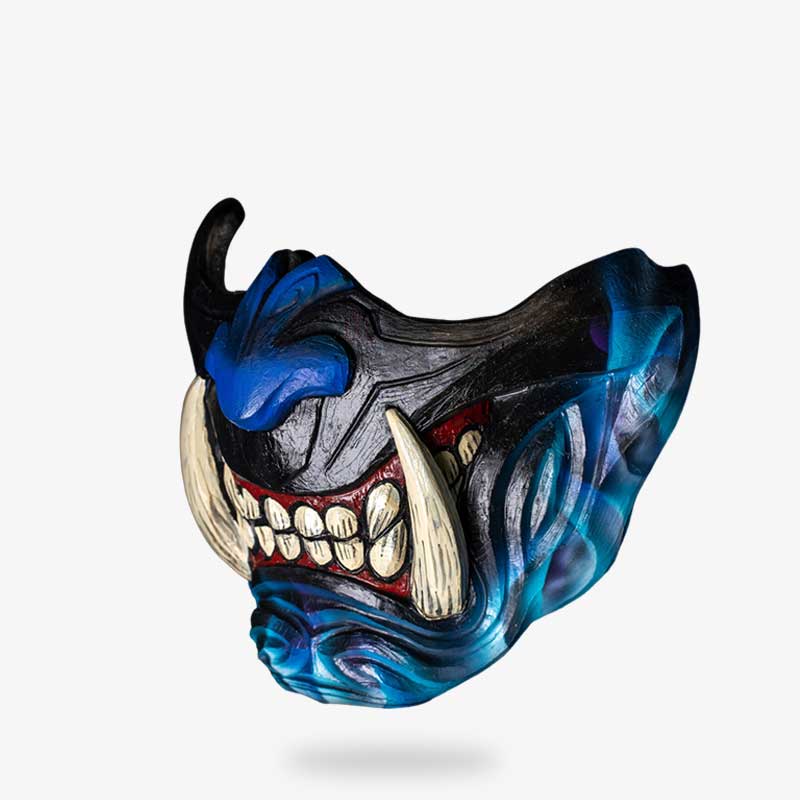


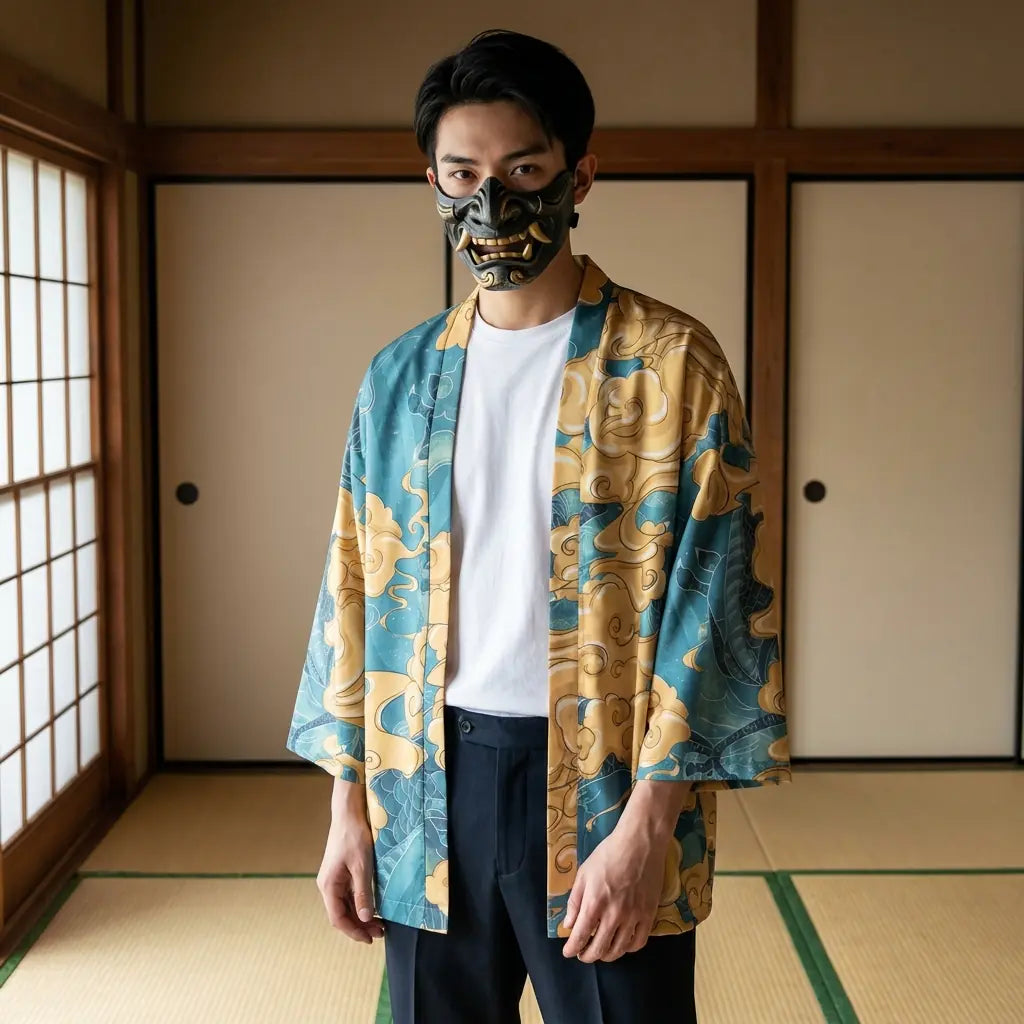
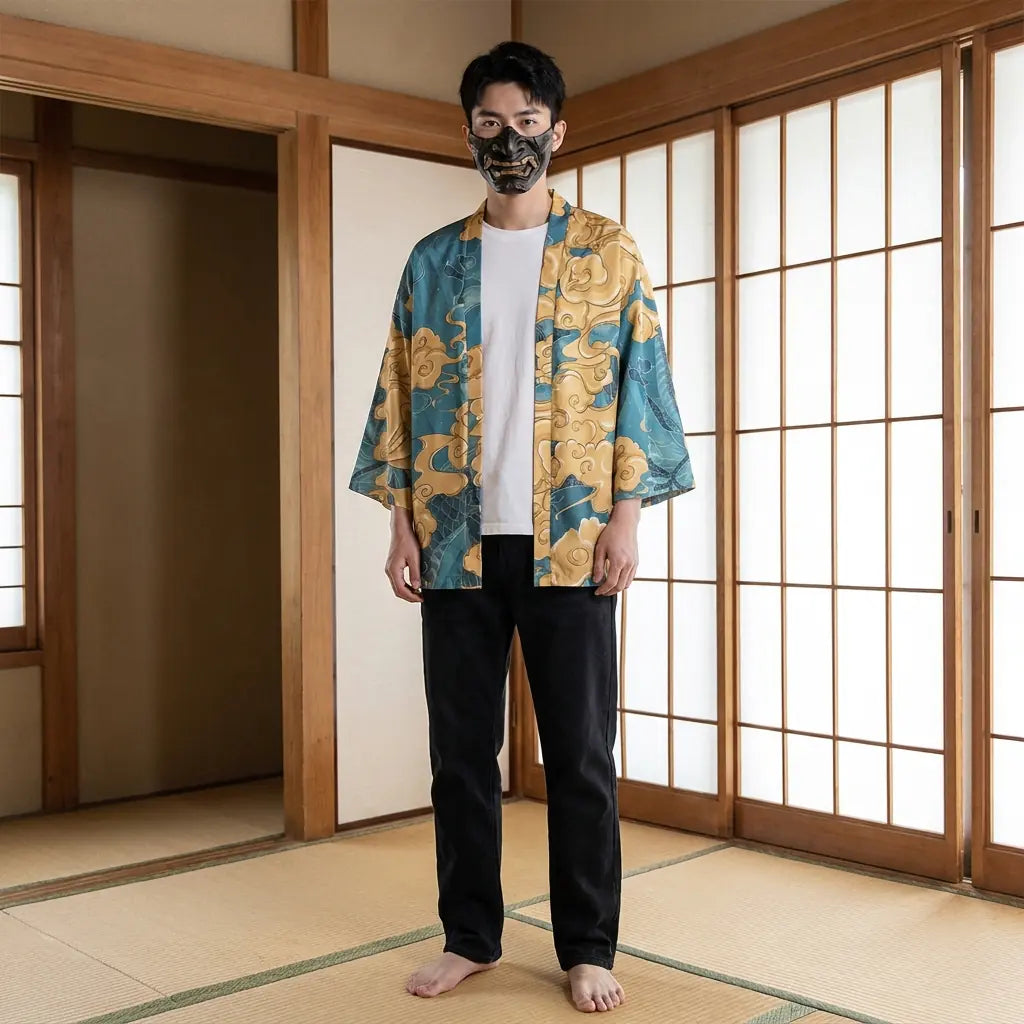
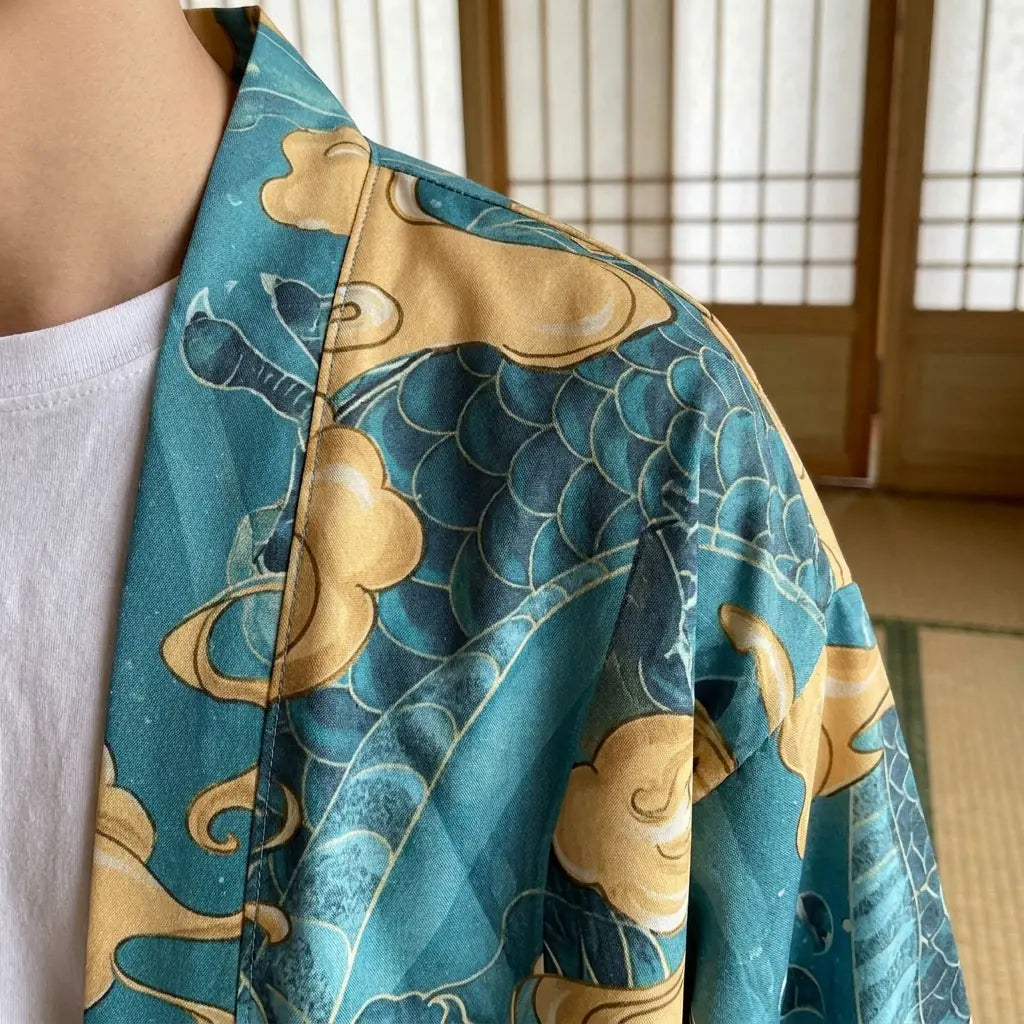
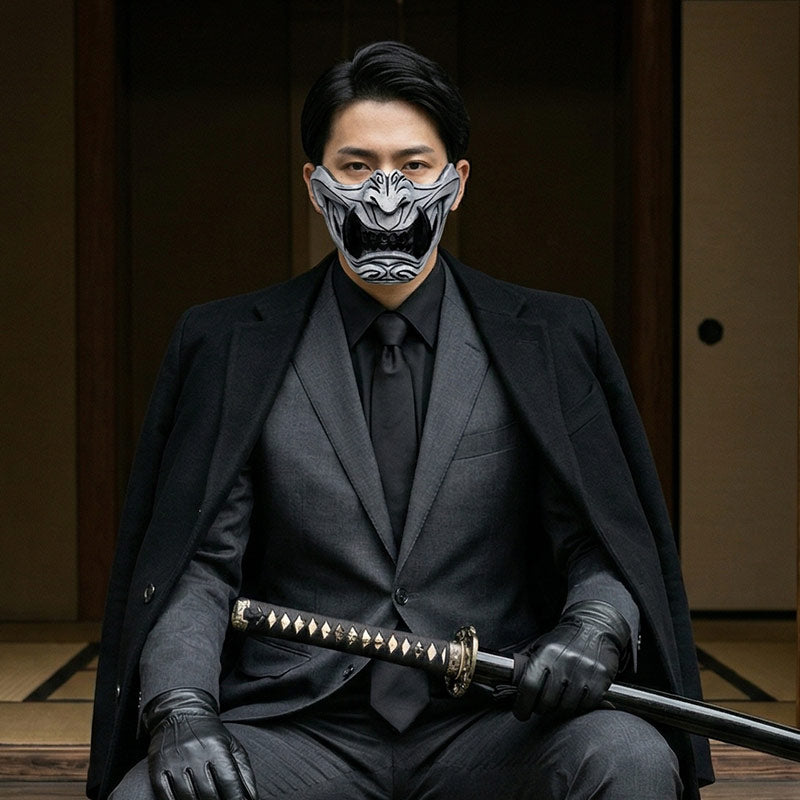
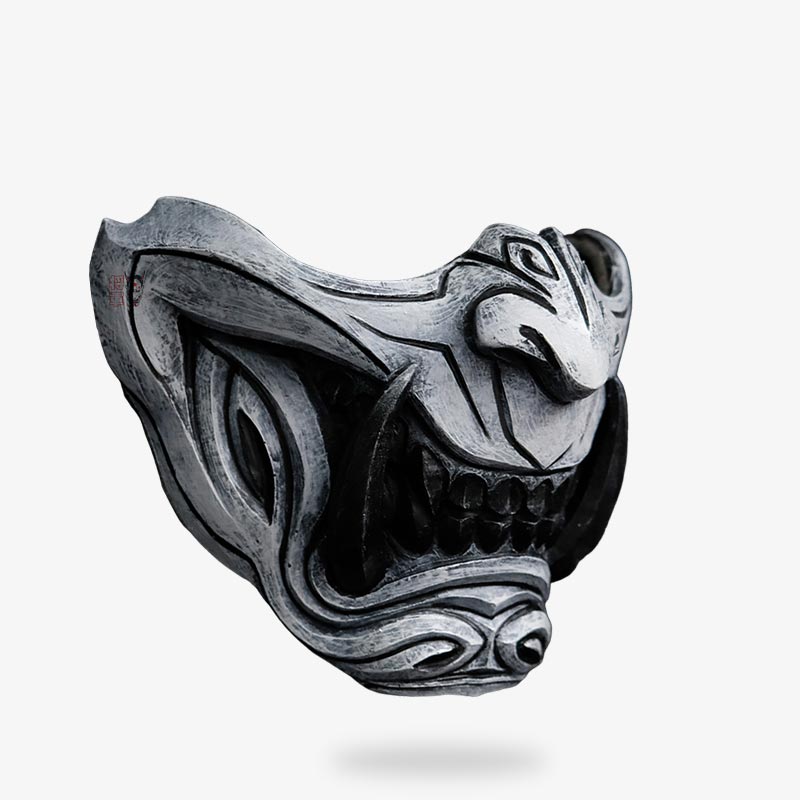
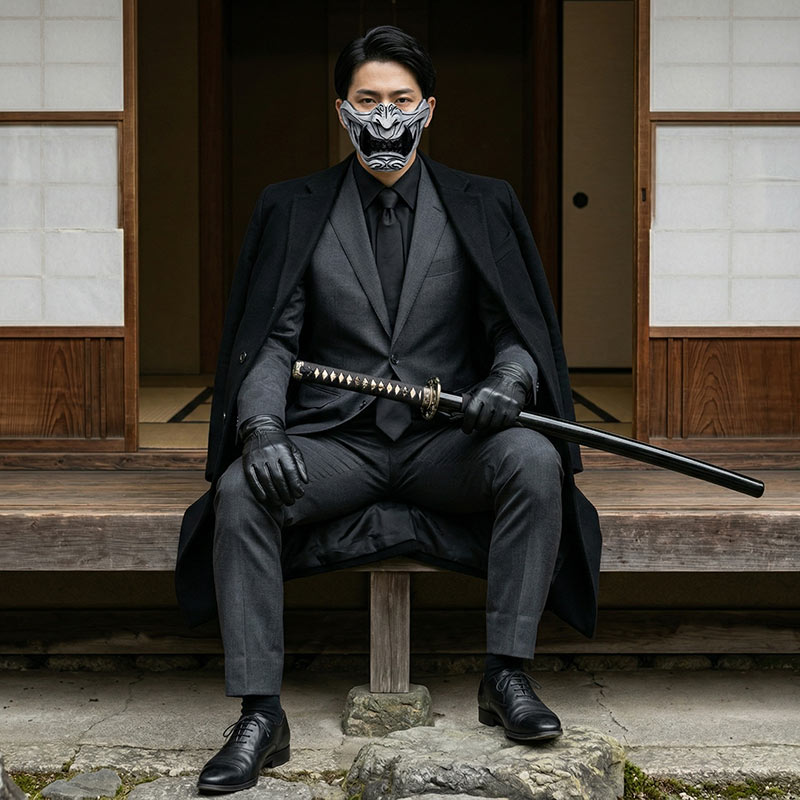
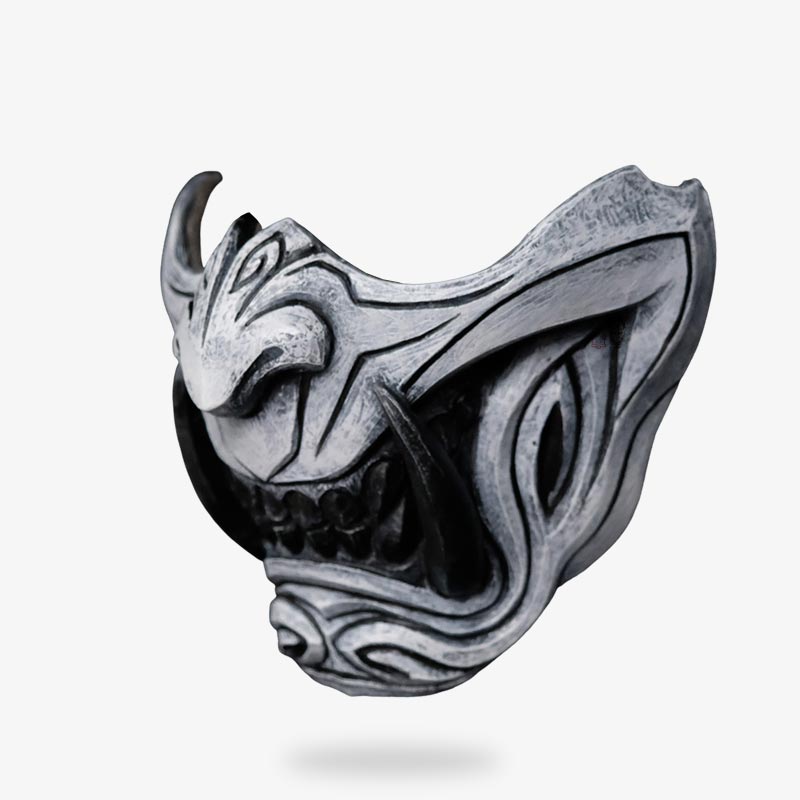
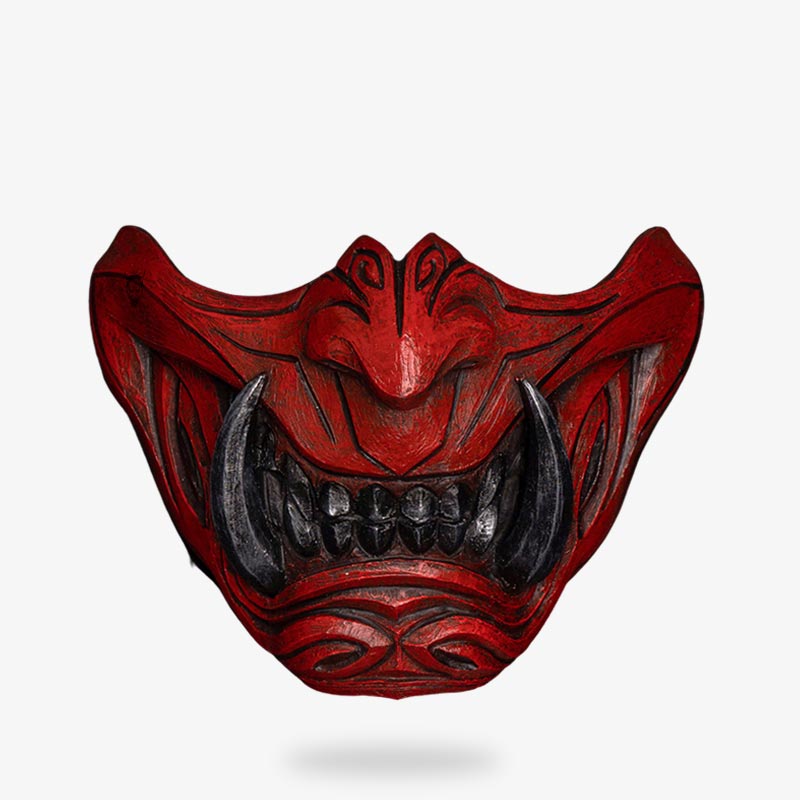
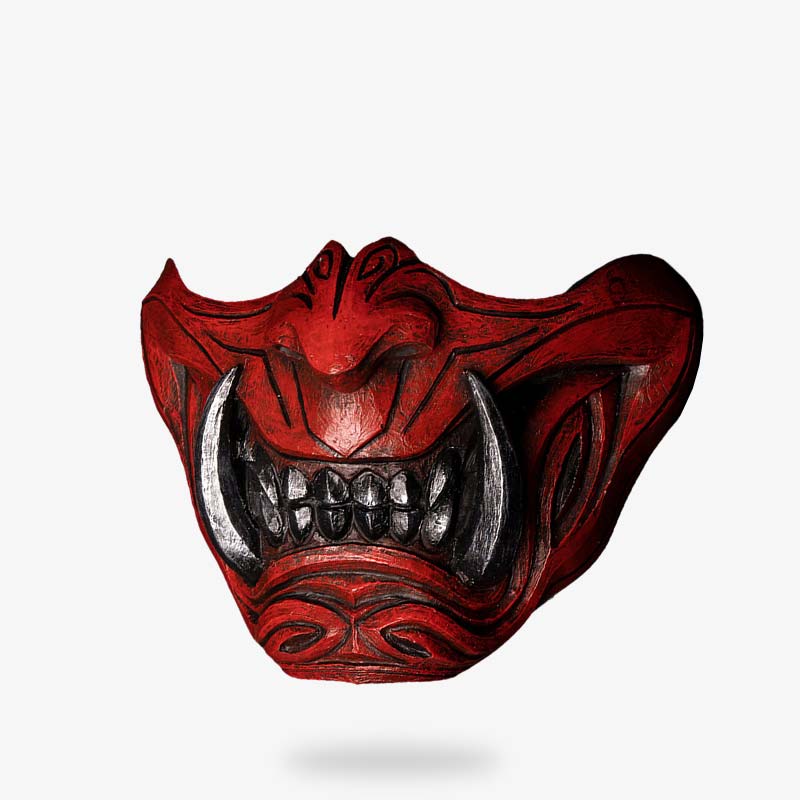
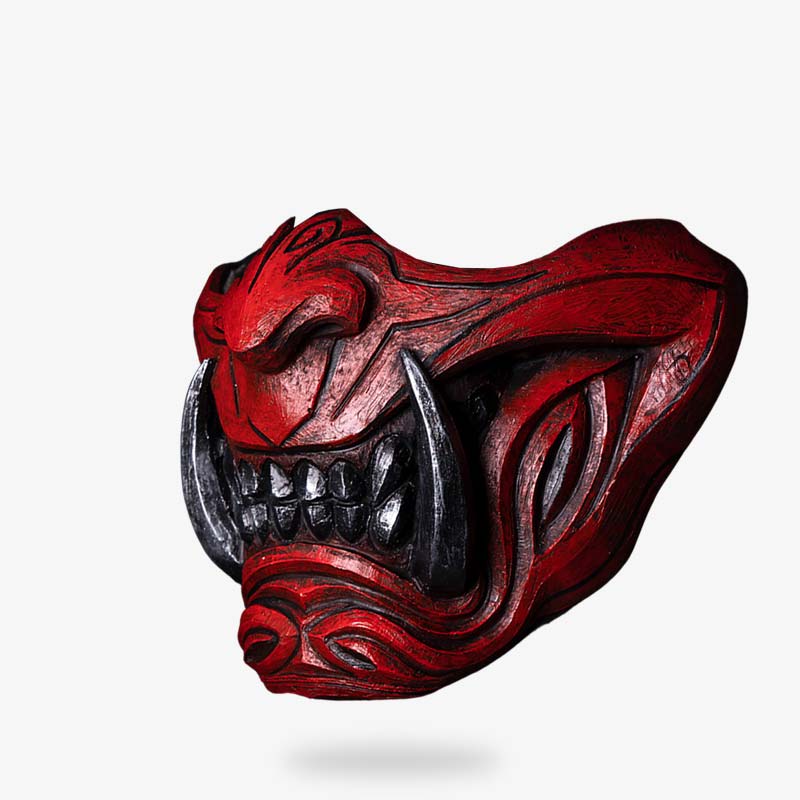
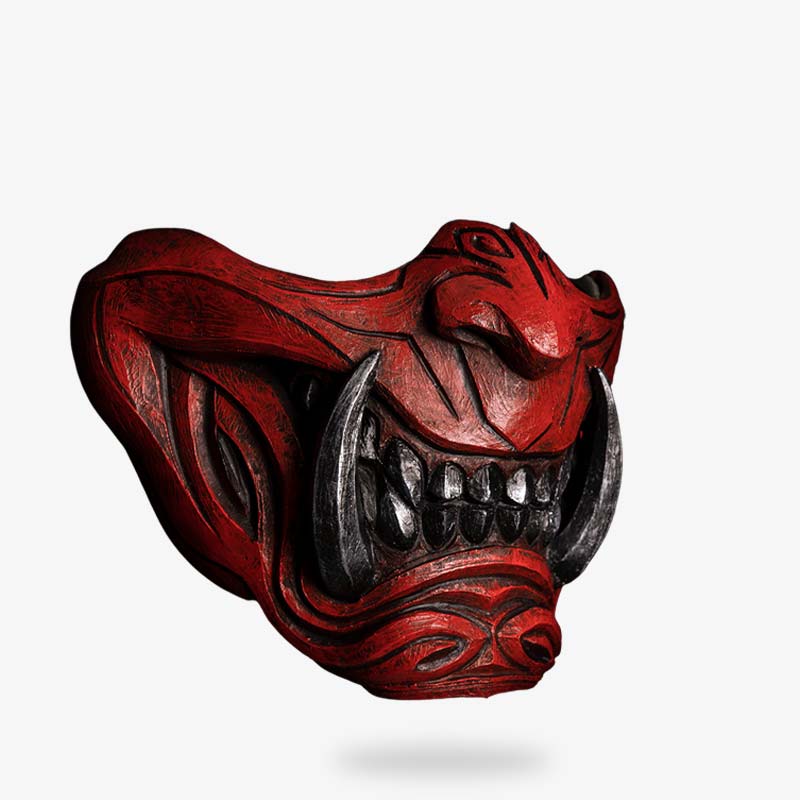
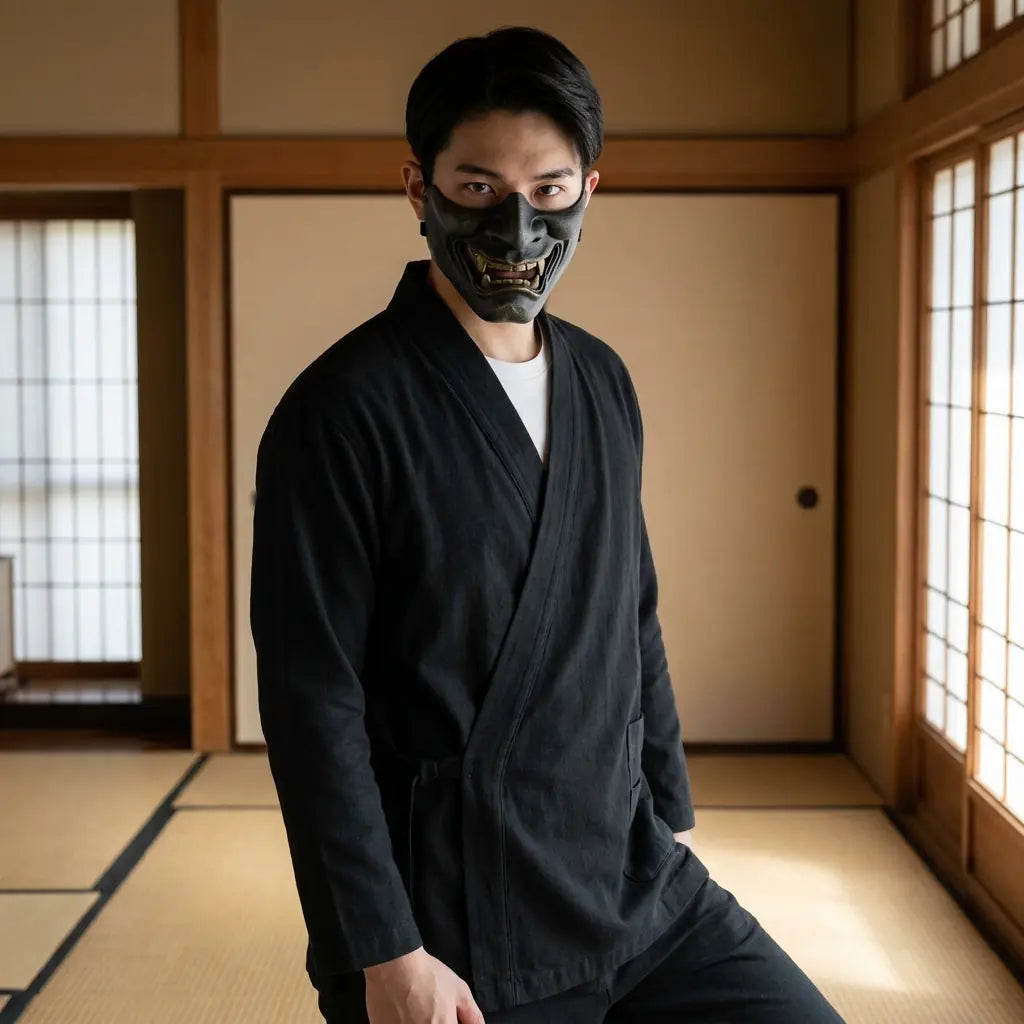
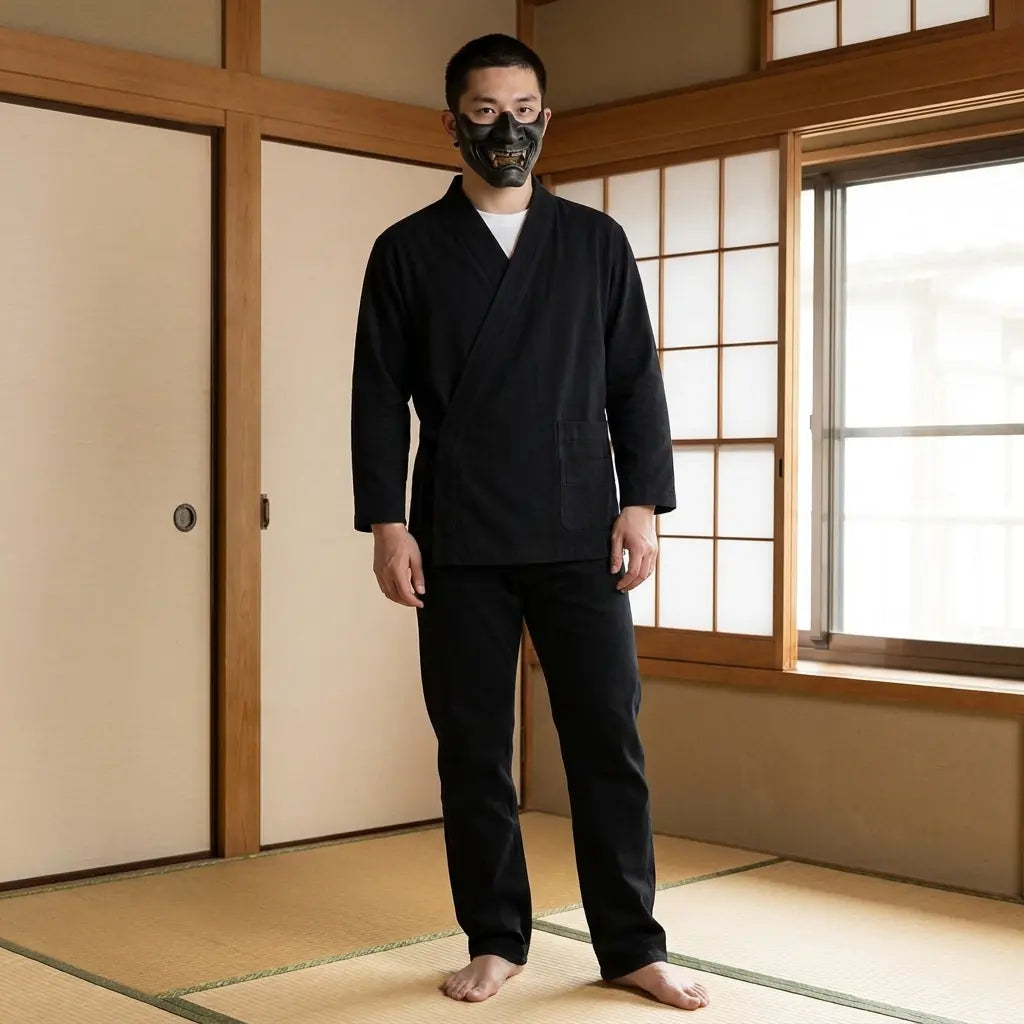
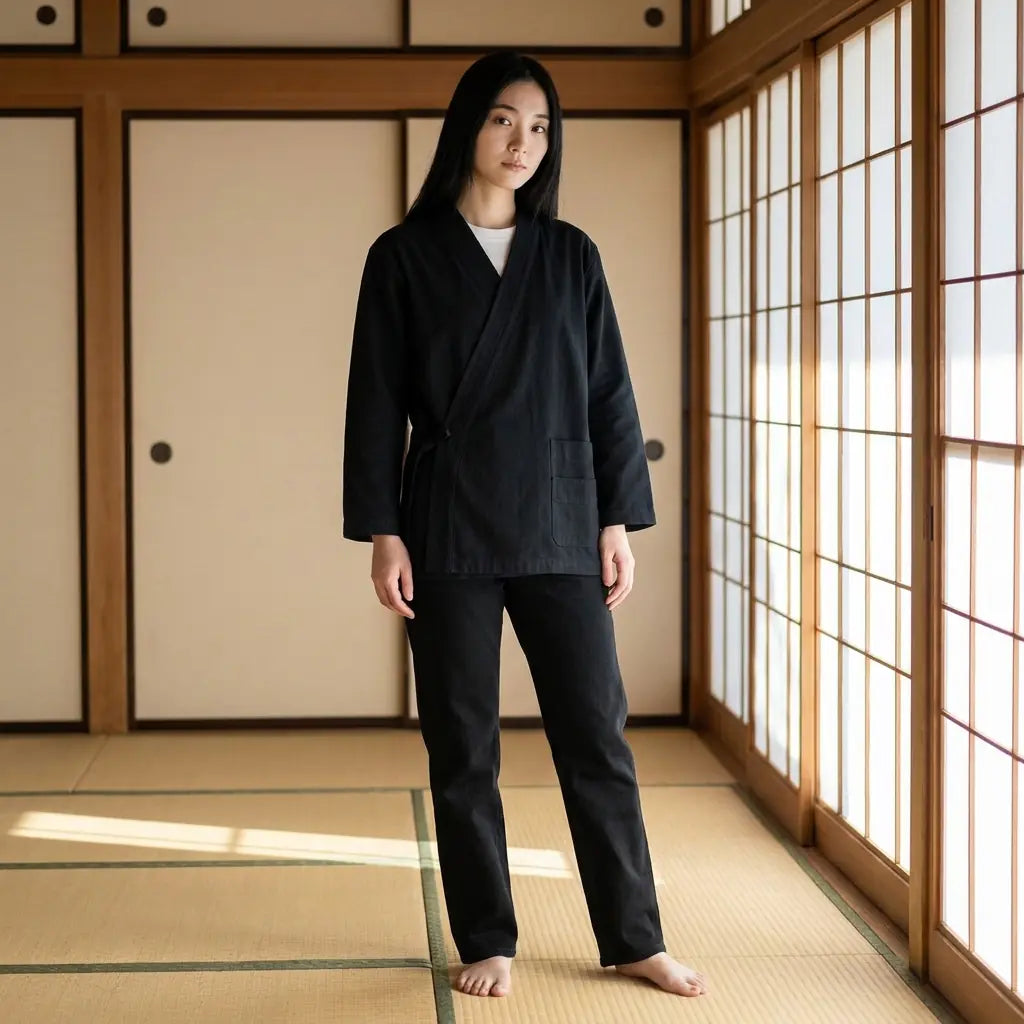
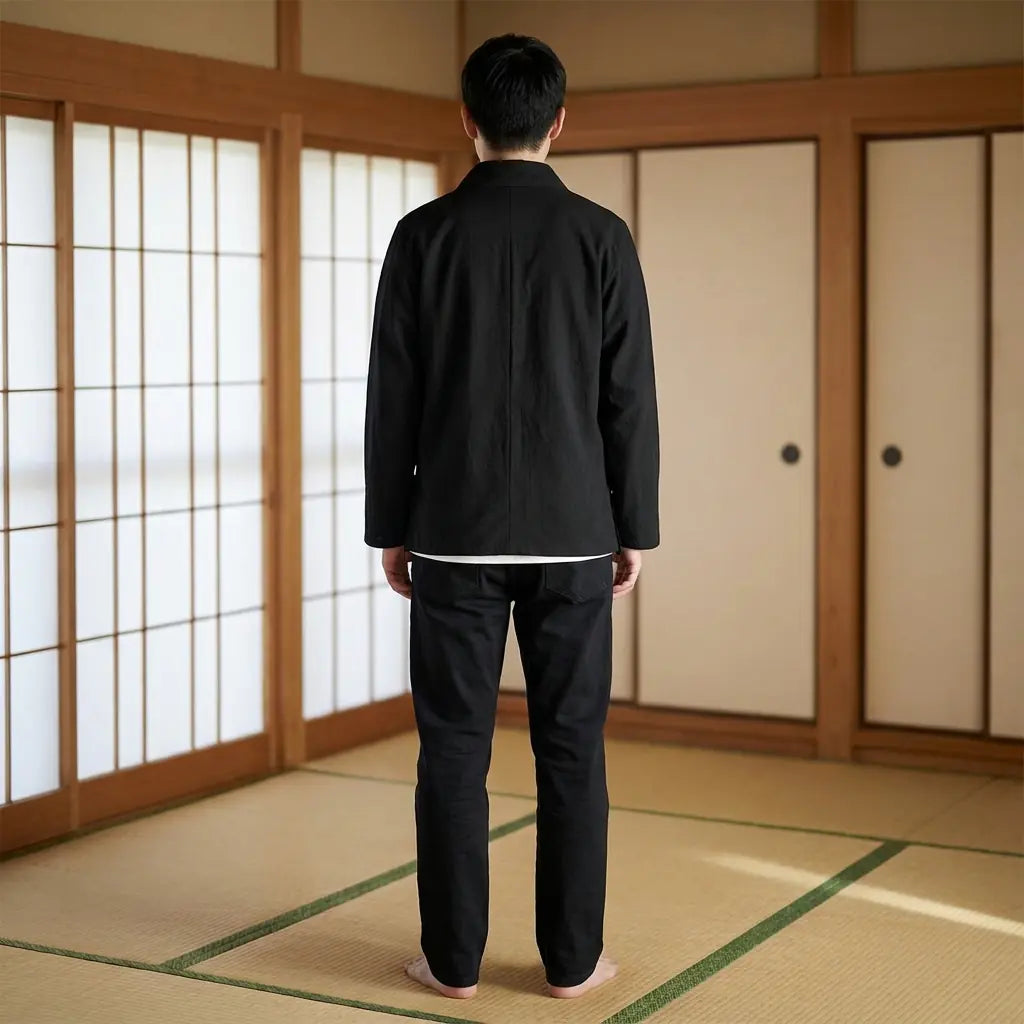
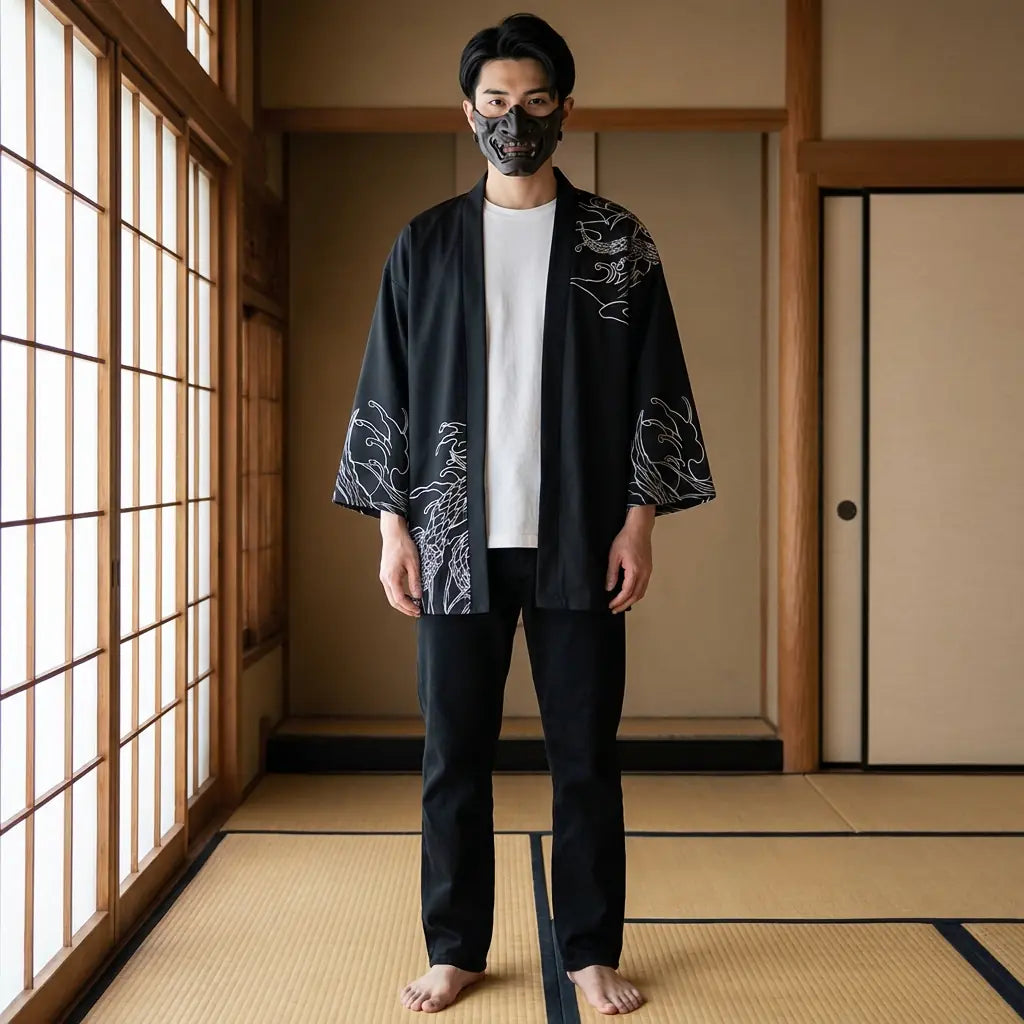
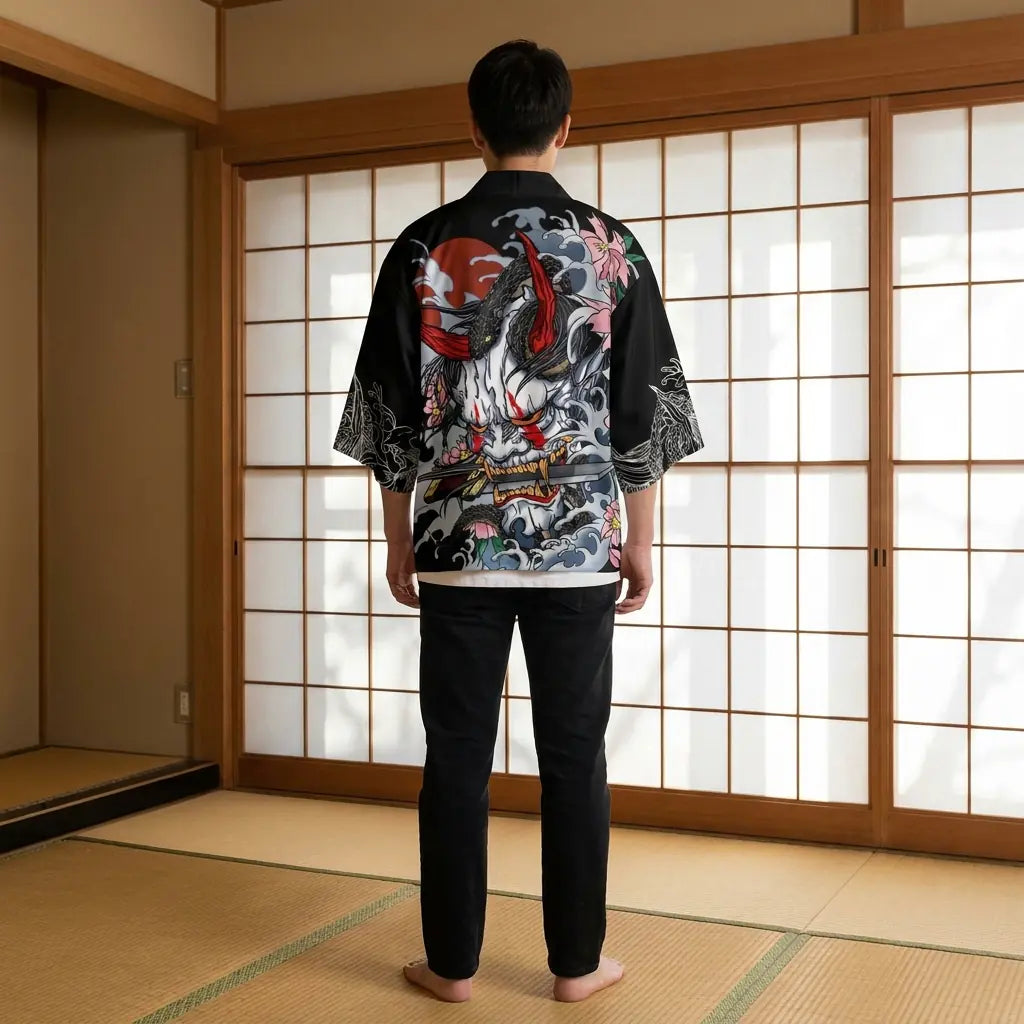
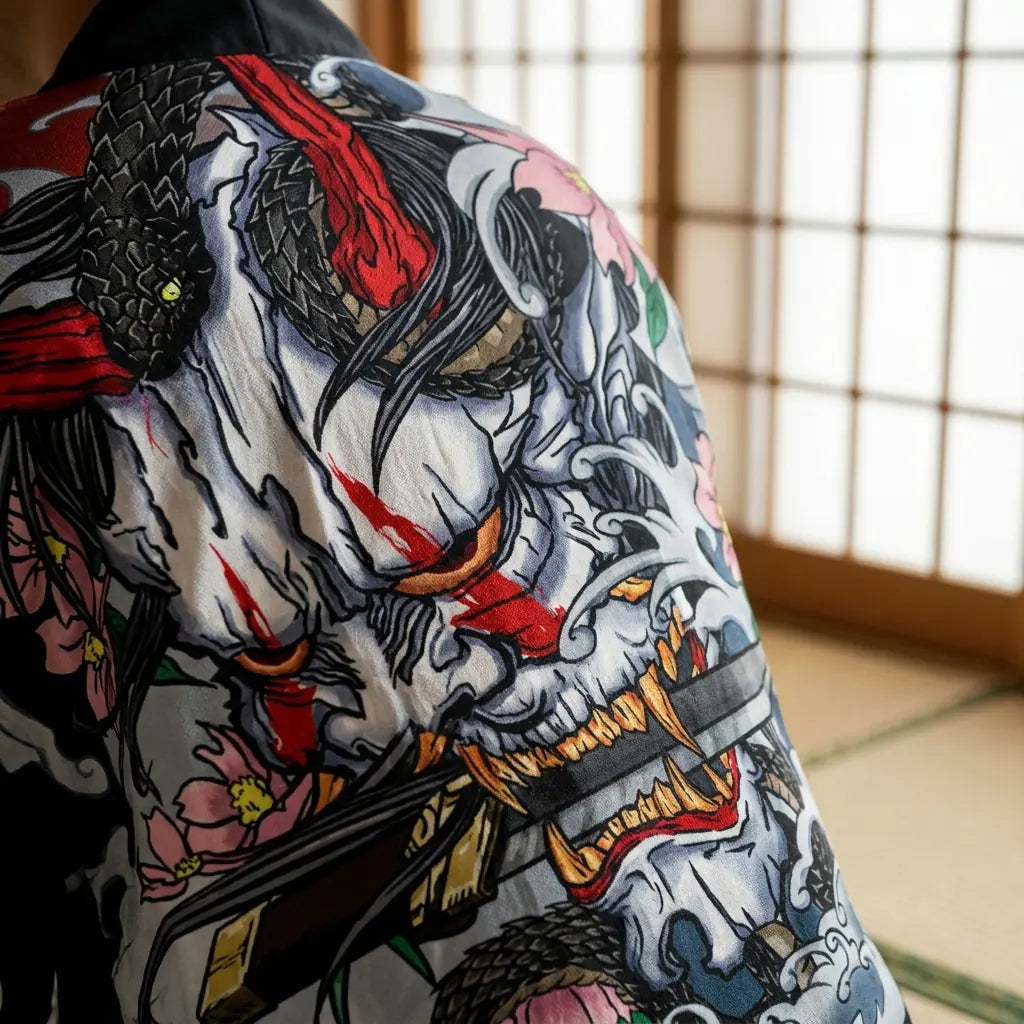
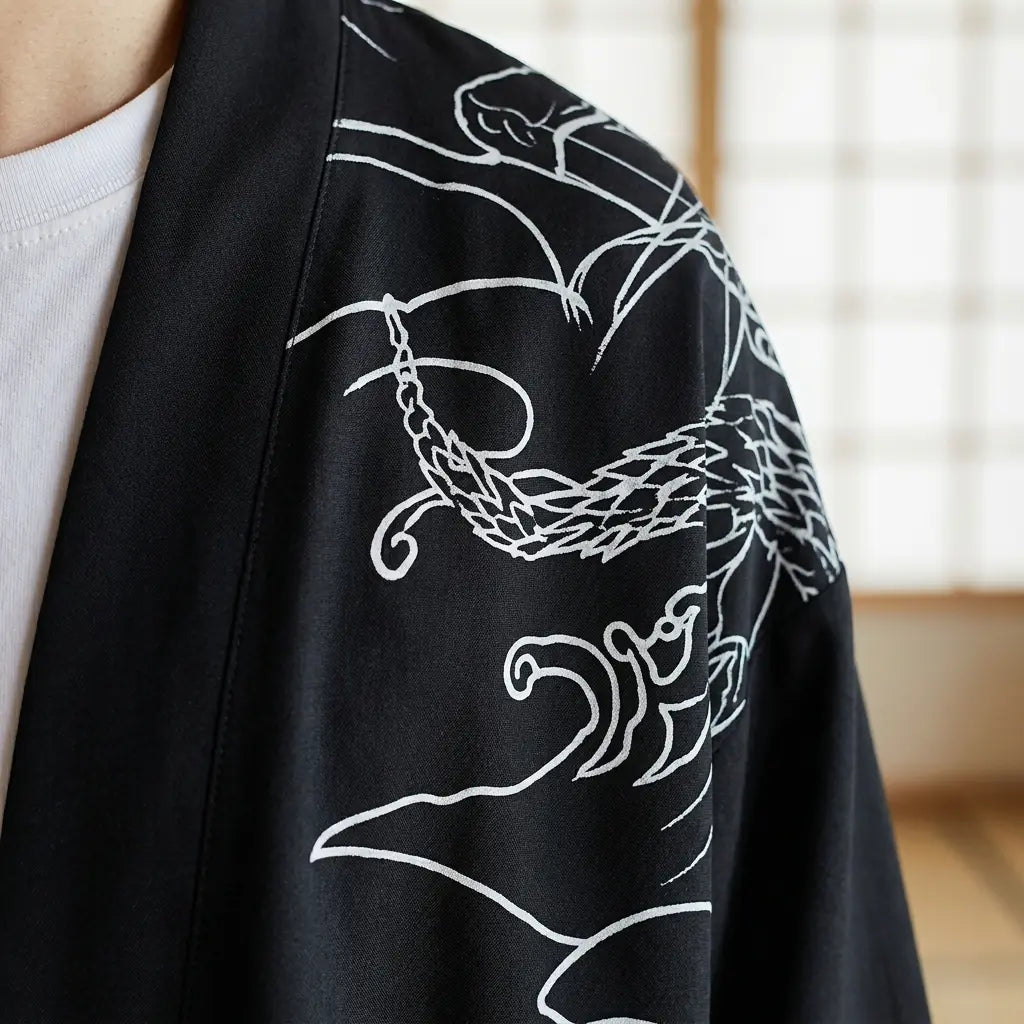
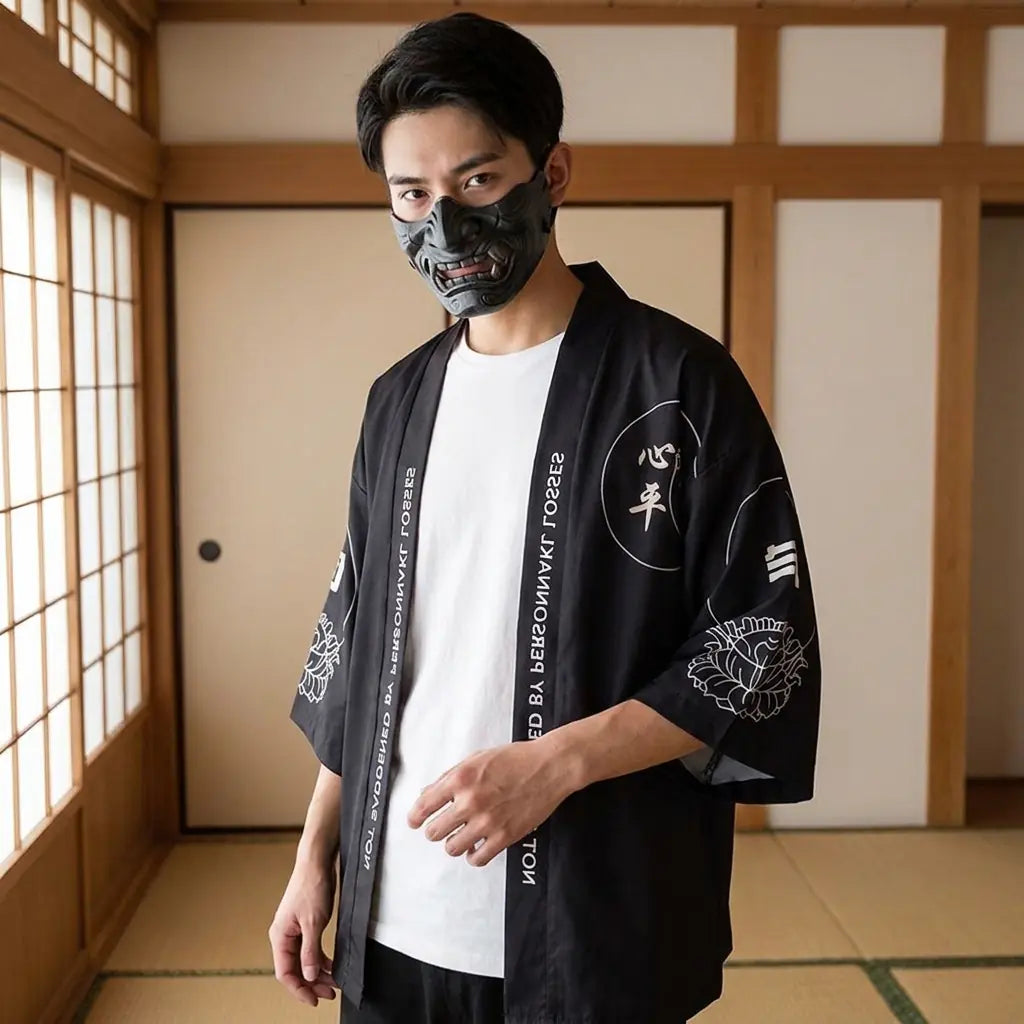
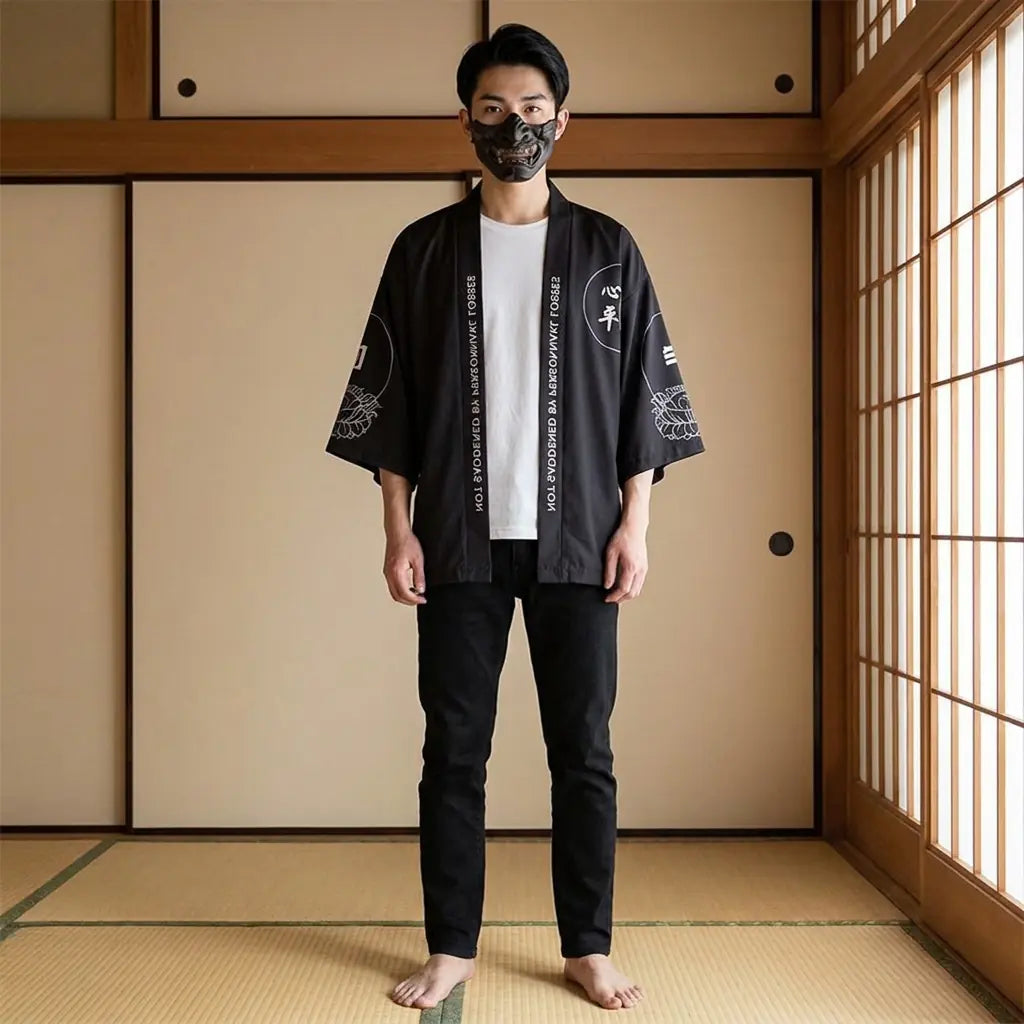
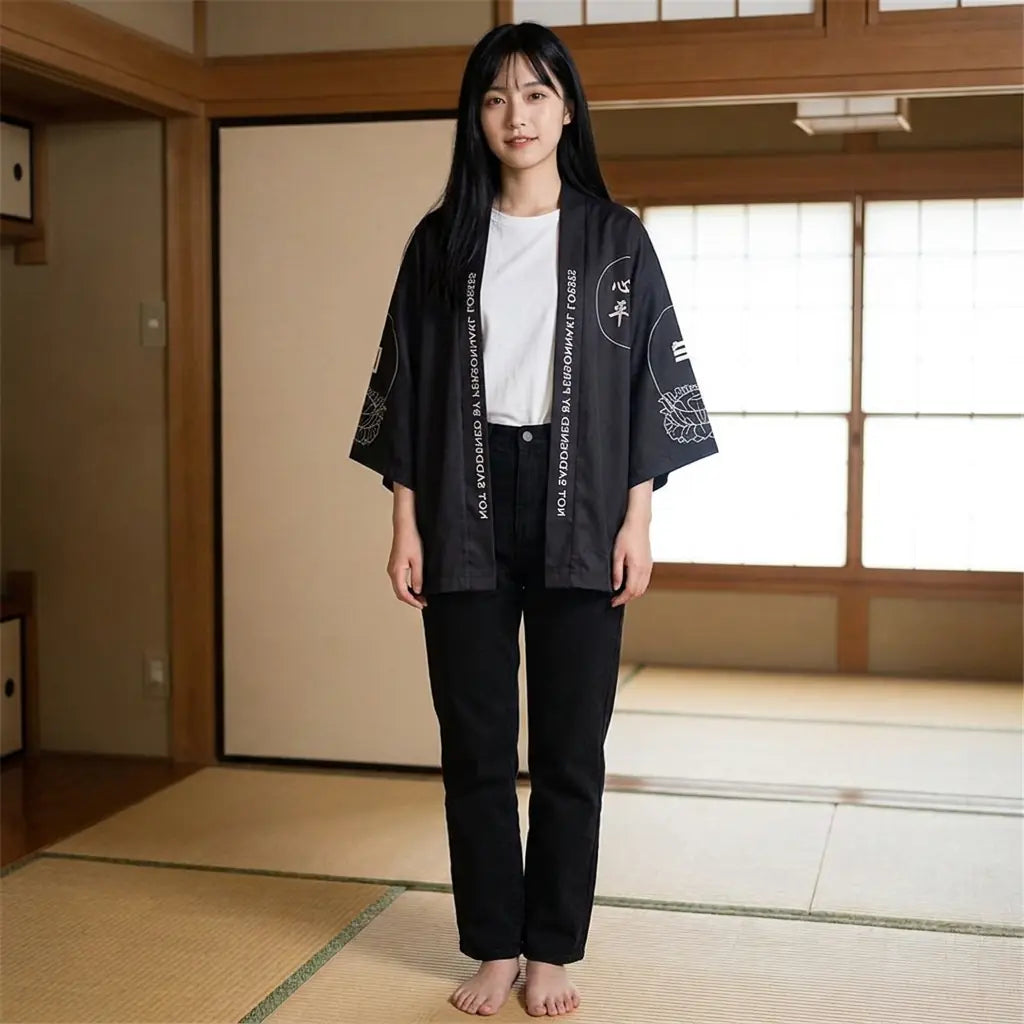
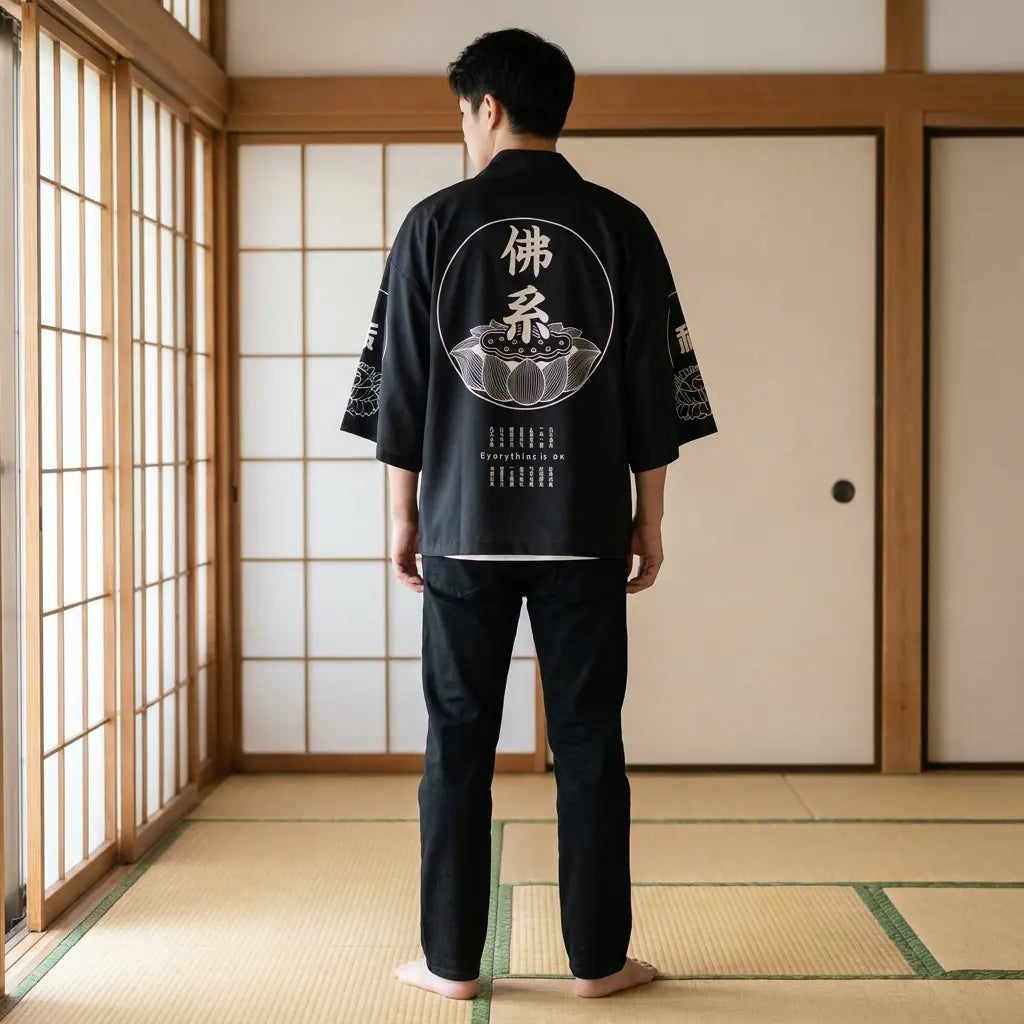
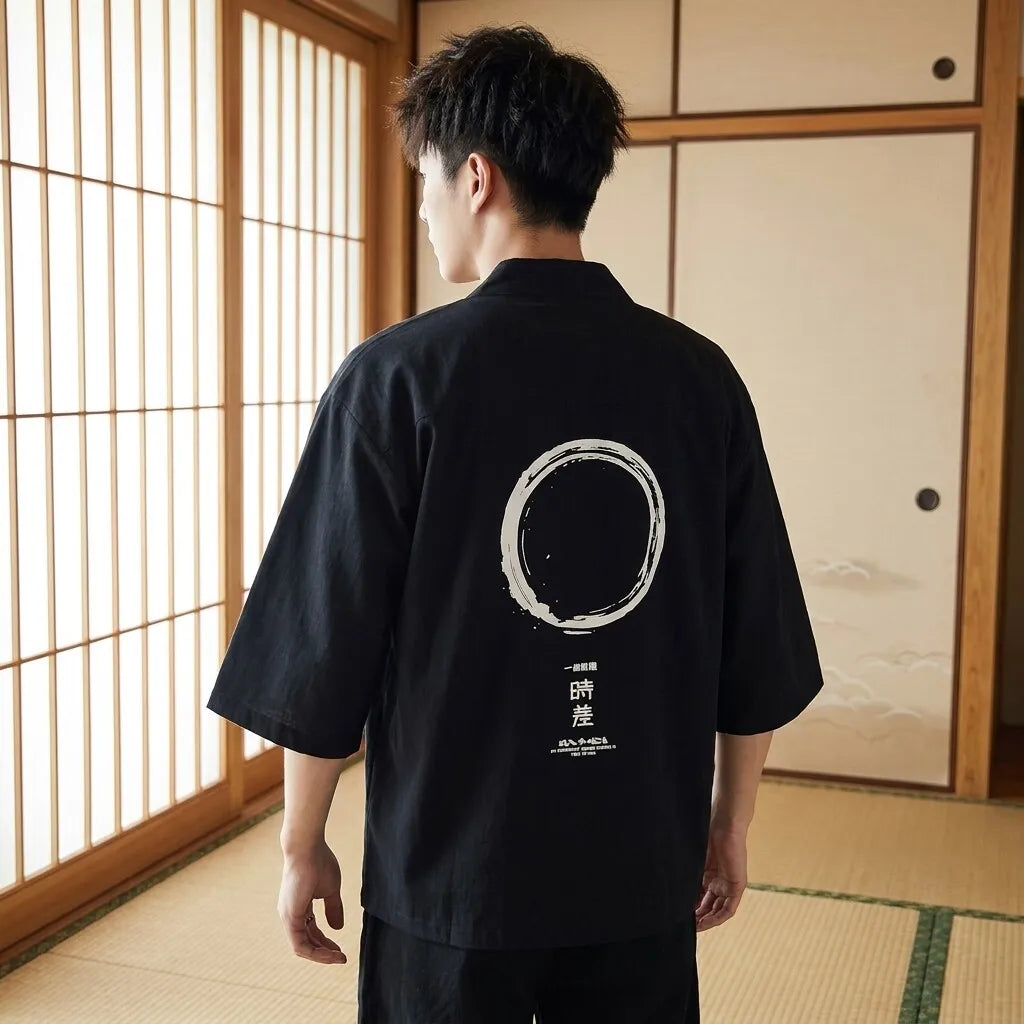
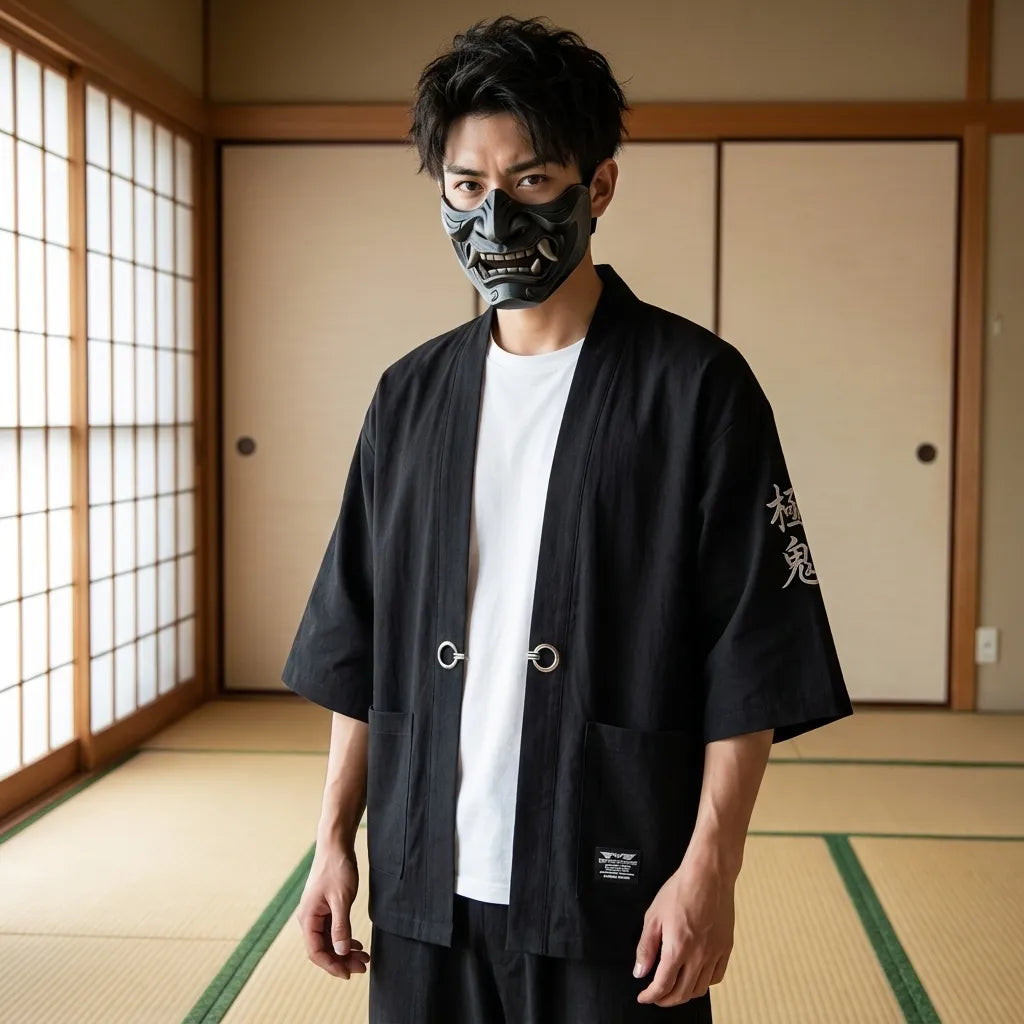
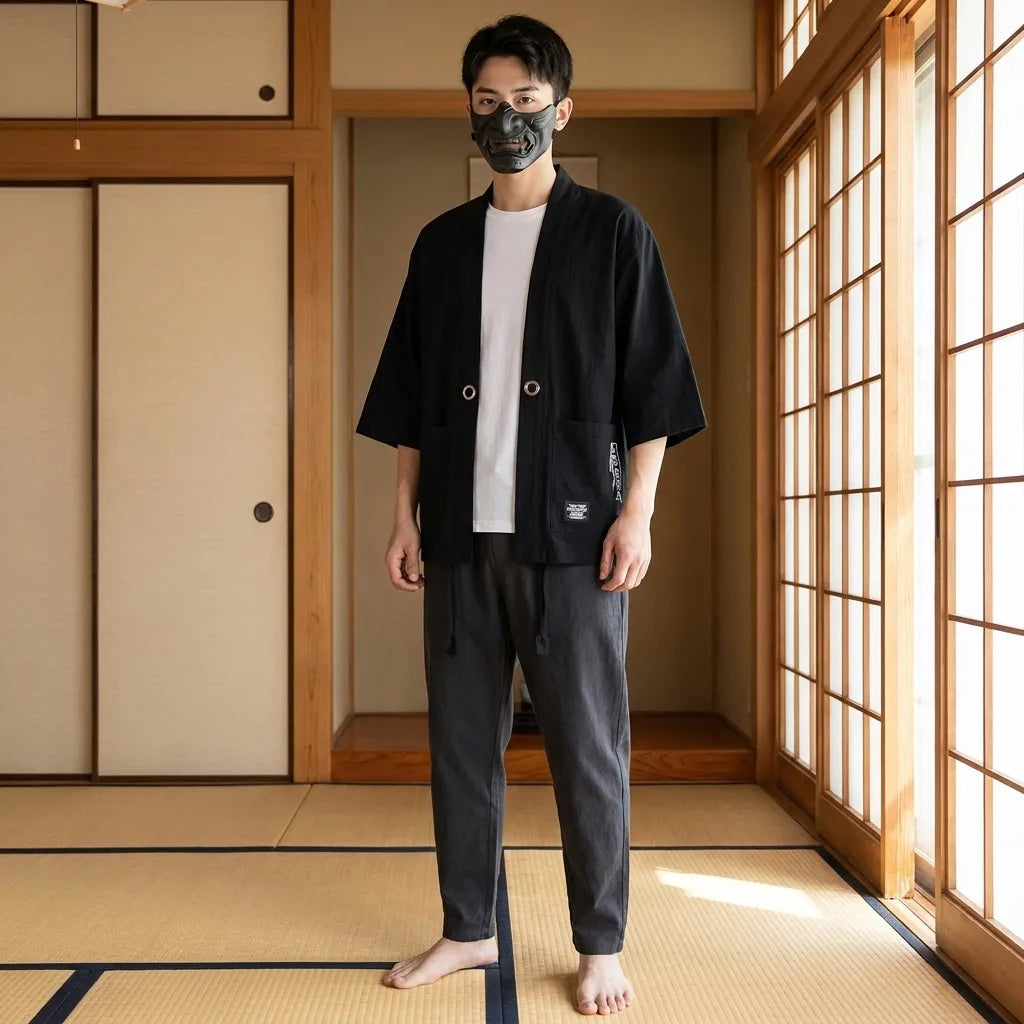
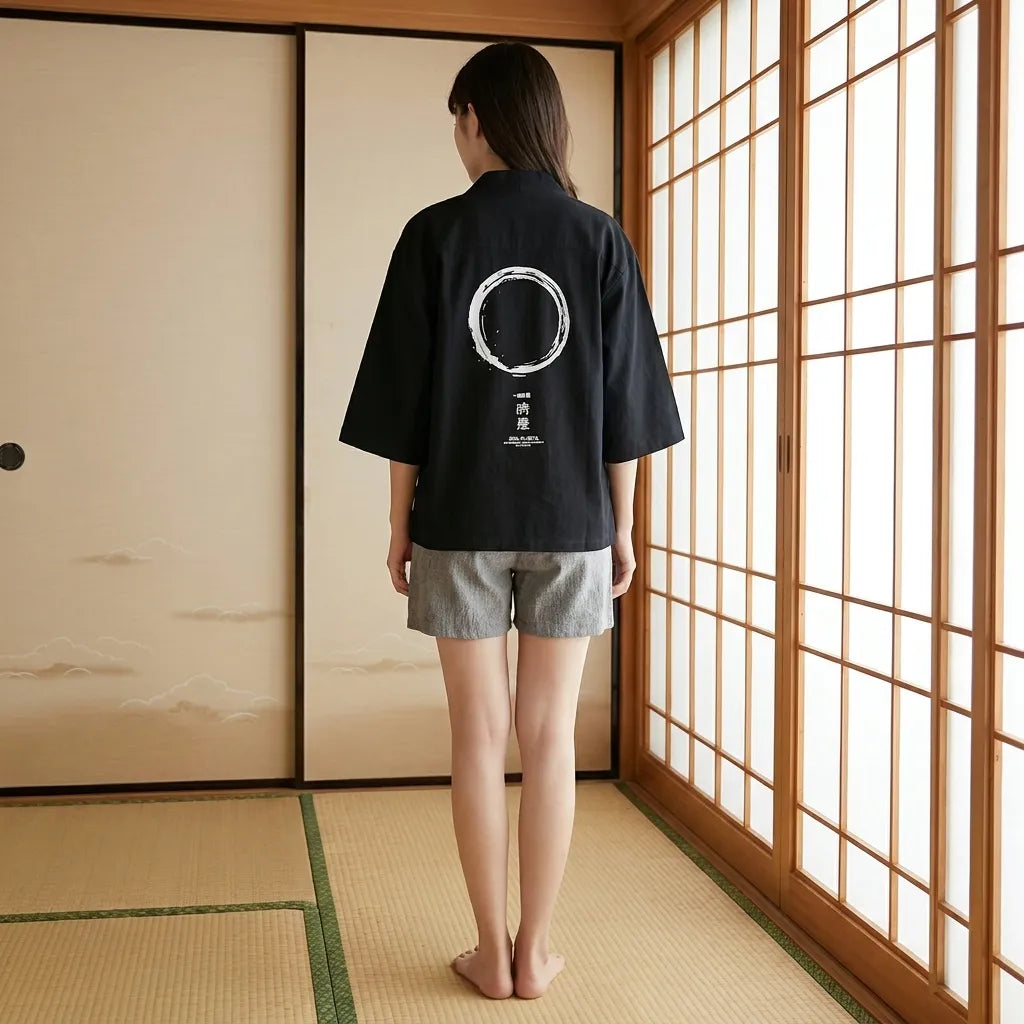
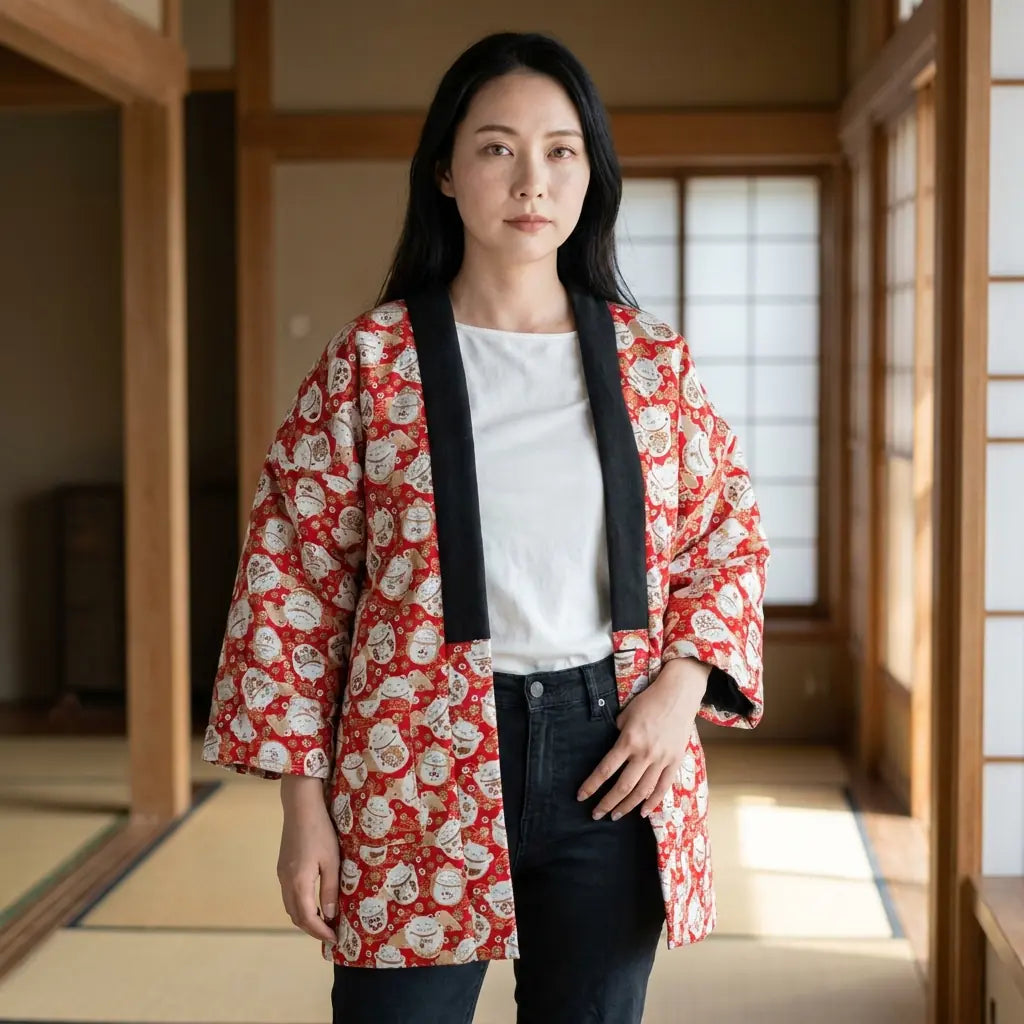
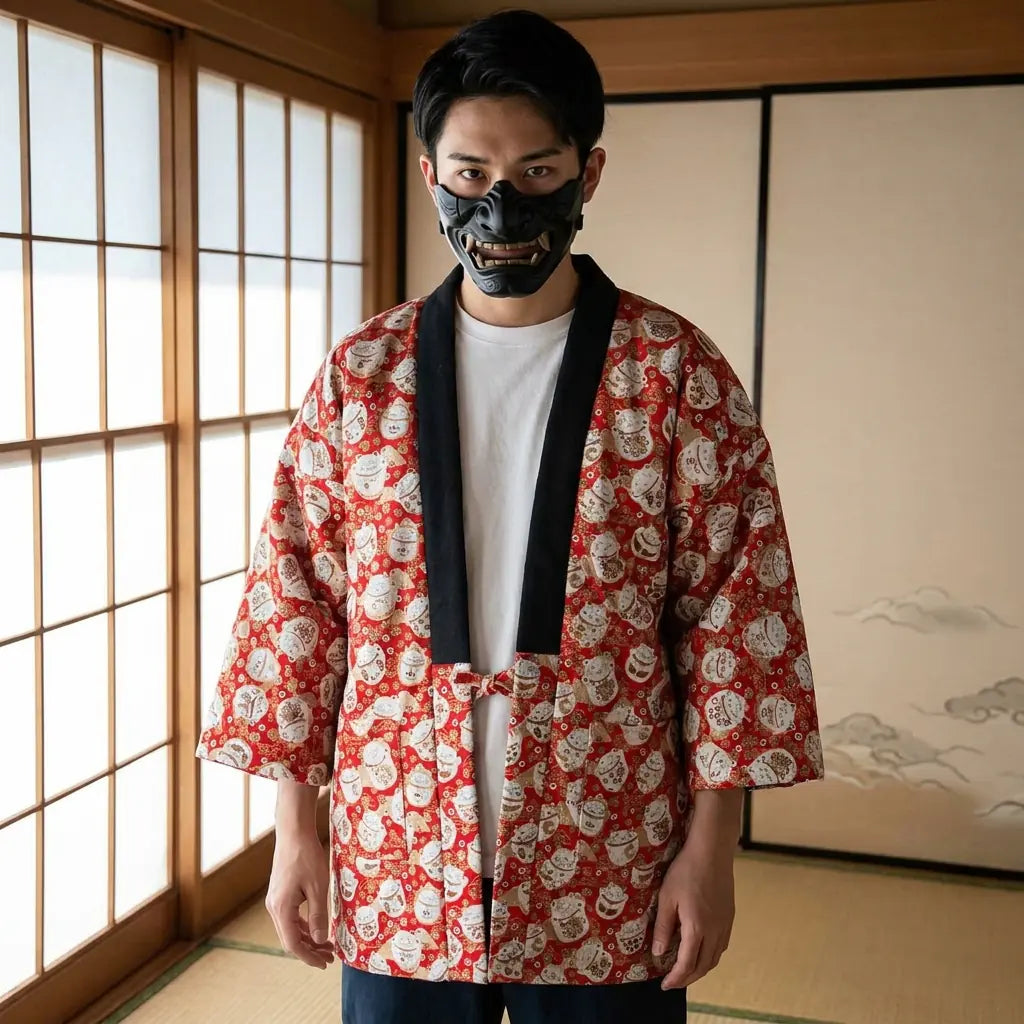
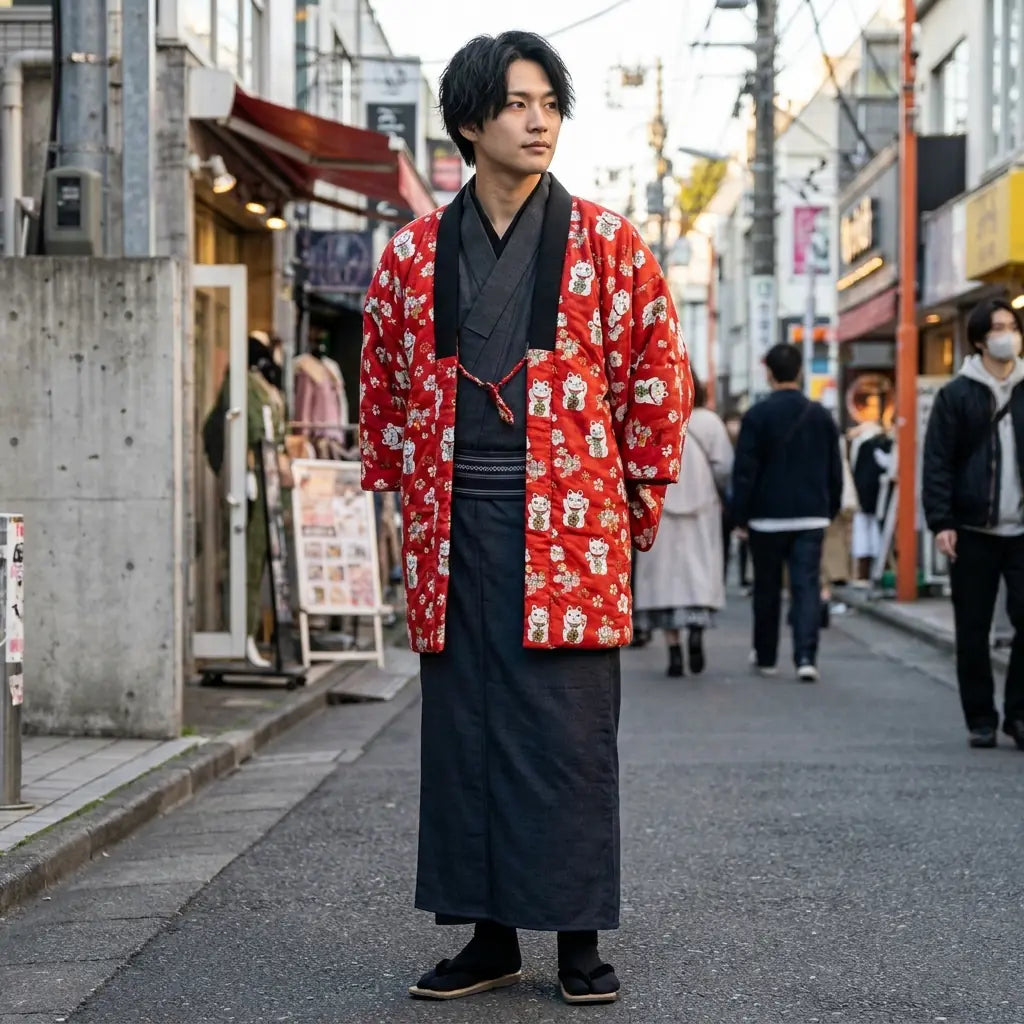
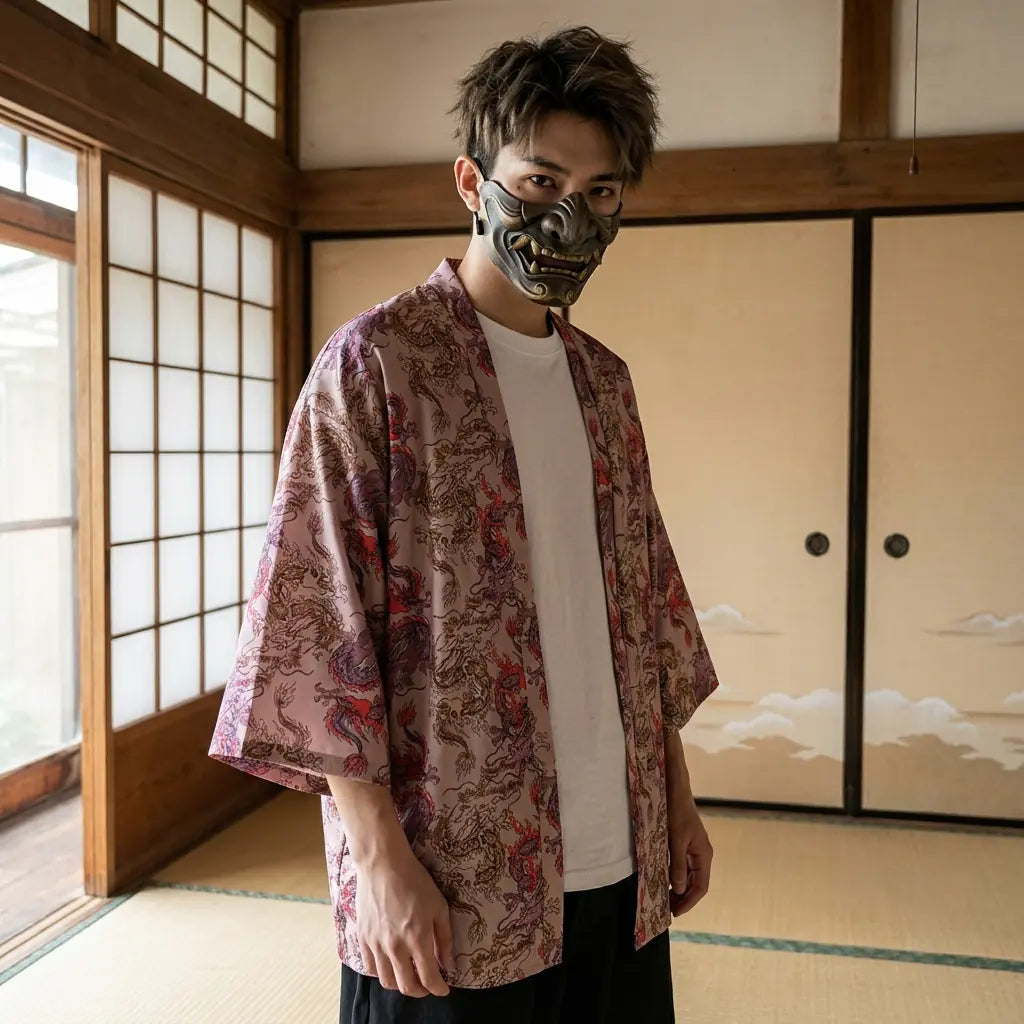
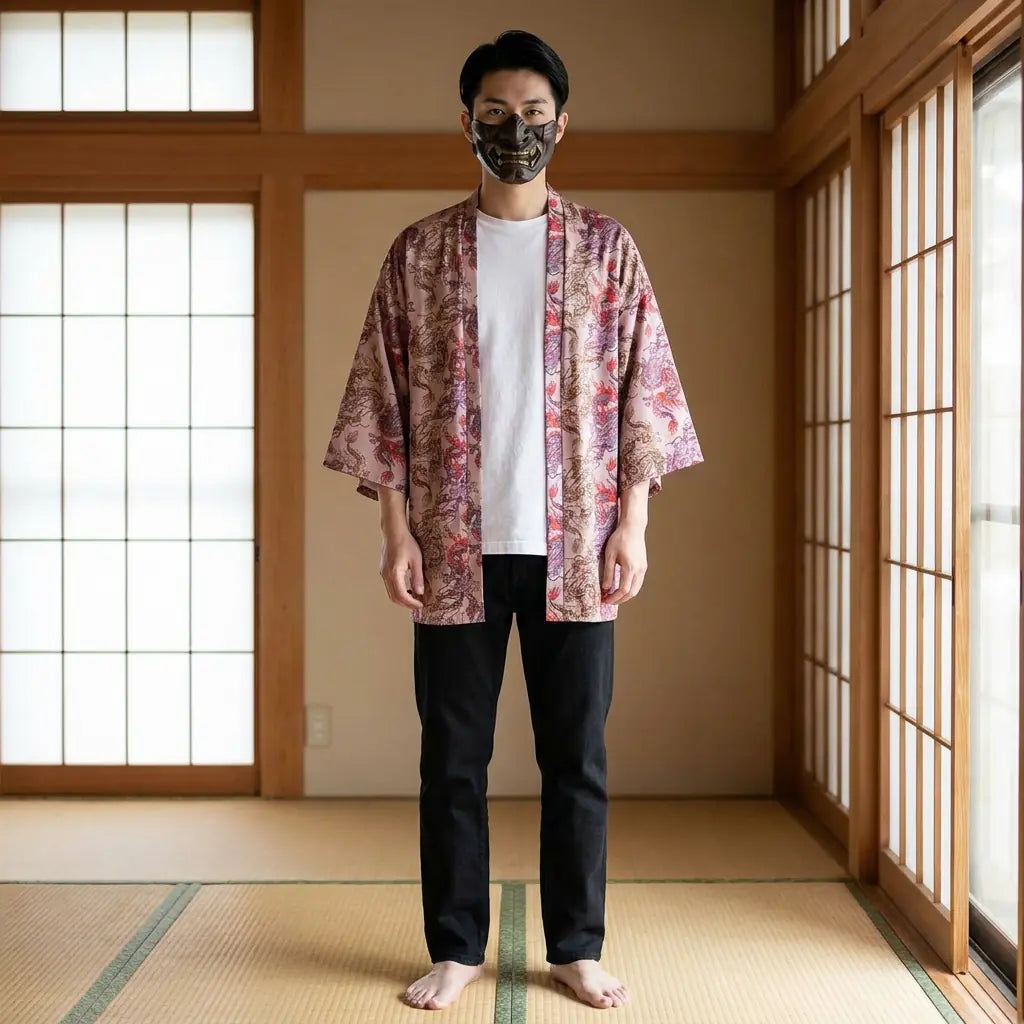
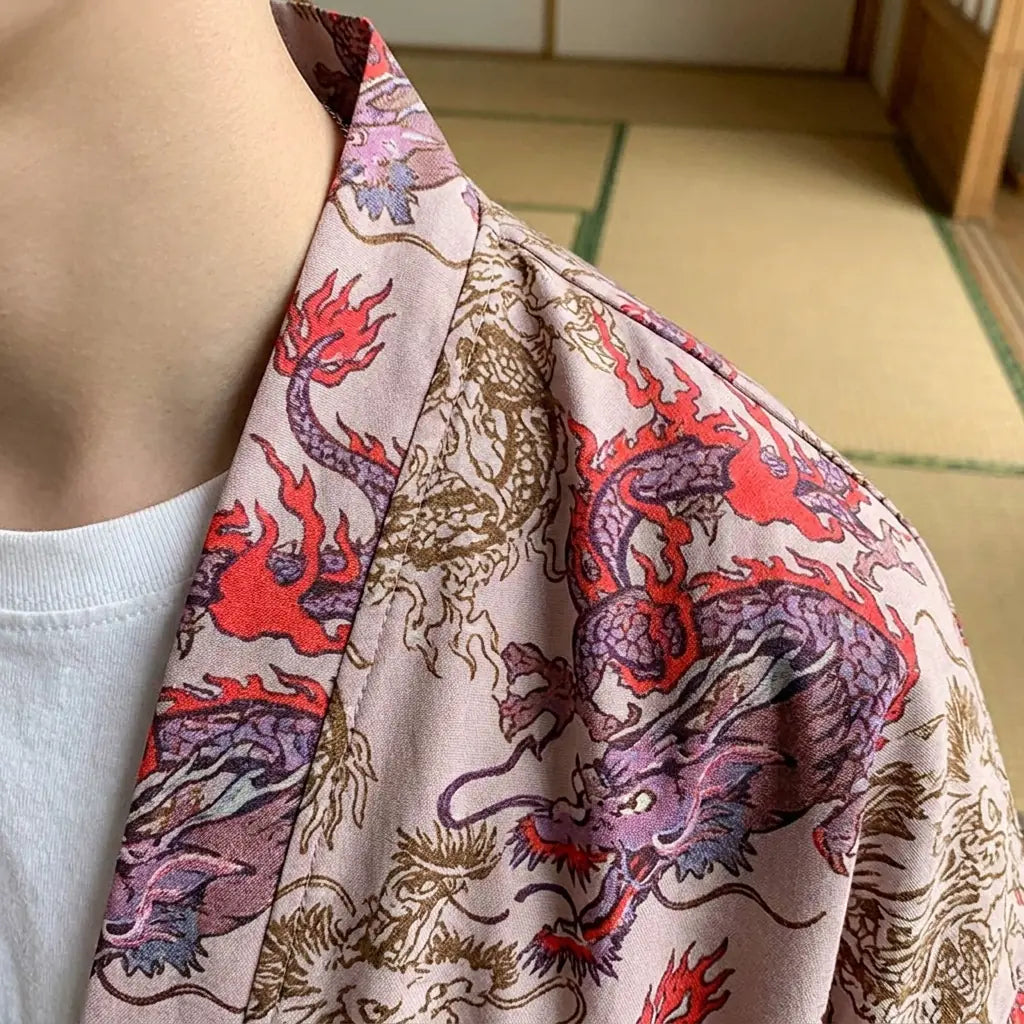
Japanese clothing brings together centuries-old silhouettes and pieces built for daily life, from a relaxed haori (羽織) jacket to a full samurai mask meant for display or costume. This selection covers loungewear, outerwear and accessories that move easily between a themed convention and a regular afternoon in jeans. For a closer look at face coverings alone, the Japanese Mask collection groups every style side by side.
Read more
Popular Japanese clothing products for your wardrobe
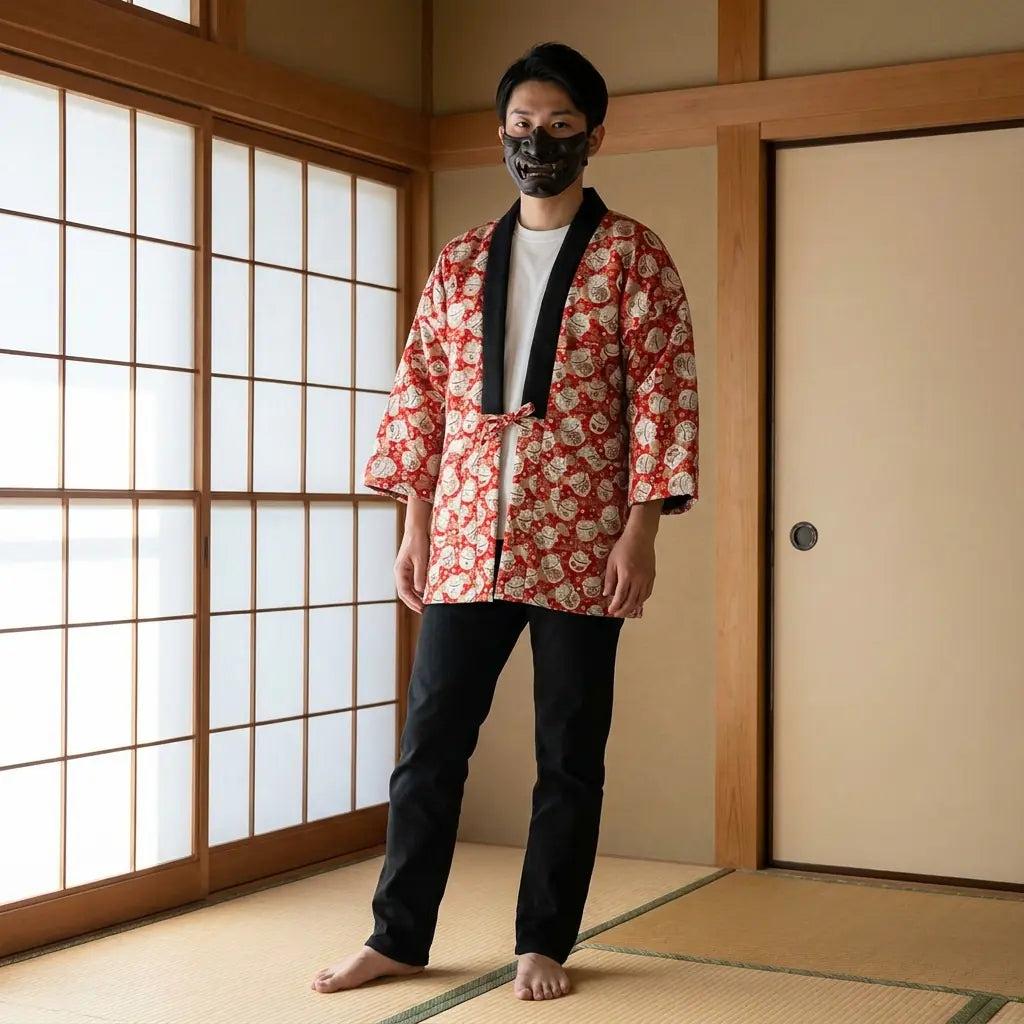
Popular Japanese clothing spans loungewear, jackets and masks, so the first step is deciding how the piece will be worn. A haori jacket layers over a plain t-shirt for a casual look, while a full mask suits a themed event, a photo shoot or a shelf display. Loose-fitting pants and cotton tops draw from the same wabi-sabi idea of comfort over polish, favoring pieces that feel lived-in rather than stiff.
Popular products' sizes in Japan, US and EU
Sizing is where most first orders go wrong. Japanese sizes usually run one size smaller than US and EU standards, so a piece marked M in Japan sits closer to a US or EU S. This matters most for fitted jackets and for a samue set, since a loose cut in Japan can still feel snug once converted. Checking the garment's own measurements against a favorite piece already in the closet remains the safest method, rather than relying on the letter size alone.
Materials and craft behind popular Japanese clothing products
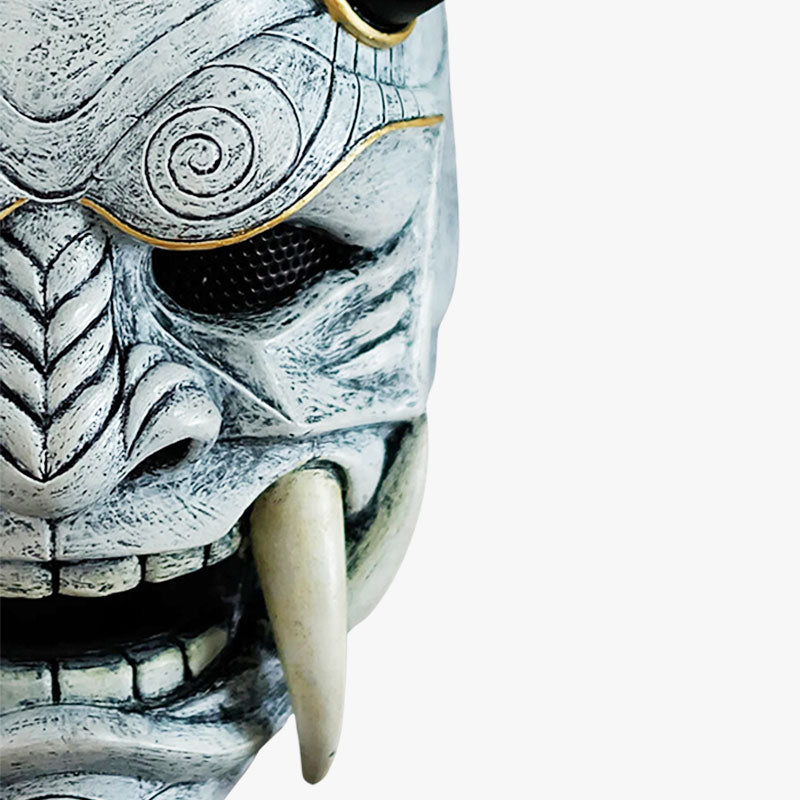
Cotton and cotton-blend fabrics dominate this category, chosen for breathability in jackets, pants and loungewear alike. Many masks are handcrafted by local artisans, shaped and painted by hand rather than molded in bulk, which explains small variations from one piece to another. A gakuran jacket, for instance, keeps a structured collar and stiff lining even in cotton-poly versions, echoing the tailored school uniforms it borrows from.
Styling popular products for daily wear or costume
Two approaches cover most uses. For daily wear, a haori in black or navy pairs with black jeans and a white t-shirt, adding a layered silhouette without extra effort. For costume or convention wear, a samurai mask or oni design pairs naturally with darker outfits and simple accessories, letting the mask stay the focal point. Both directions share the same kaizen logic behind the selection: small, deliberate choices that add up to a coherent look rather than a costume thrown together.