Read more
What are the differents Japanese Noh Masks?
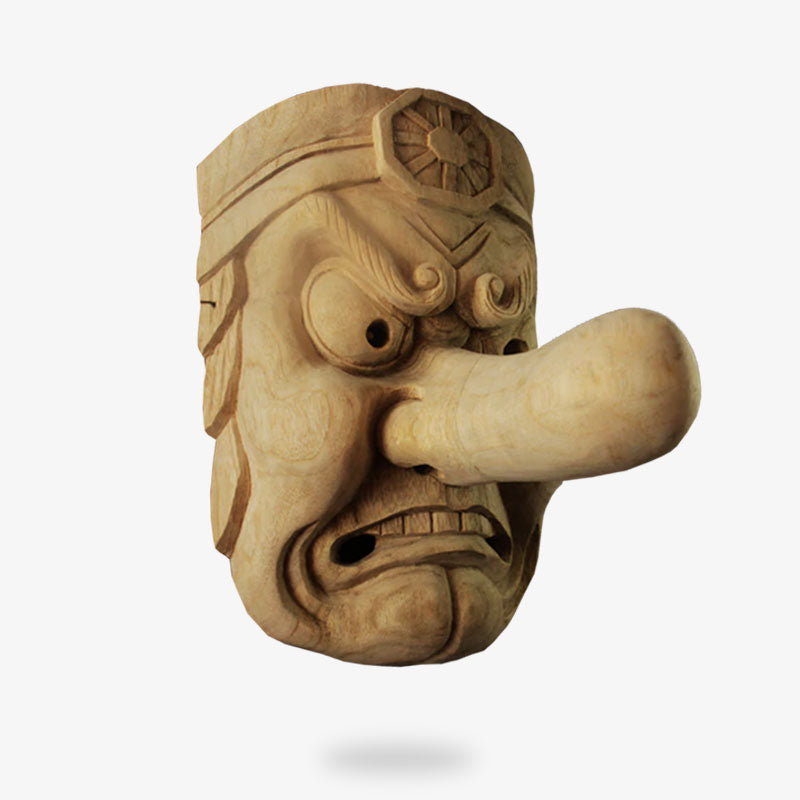
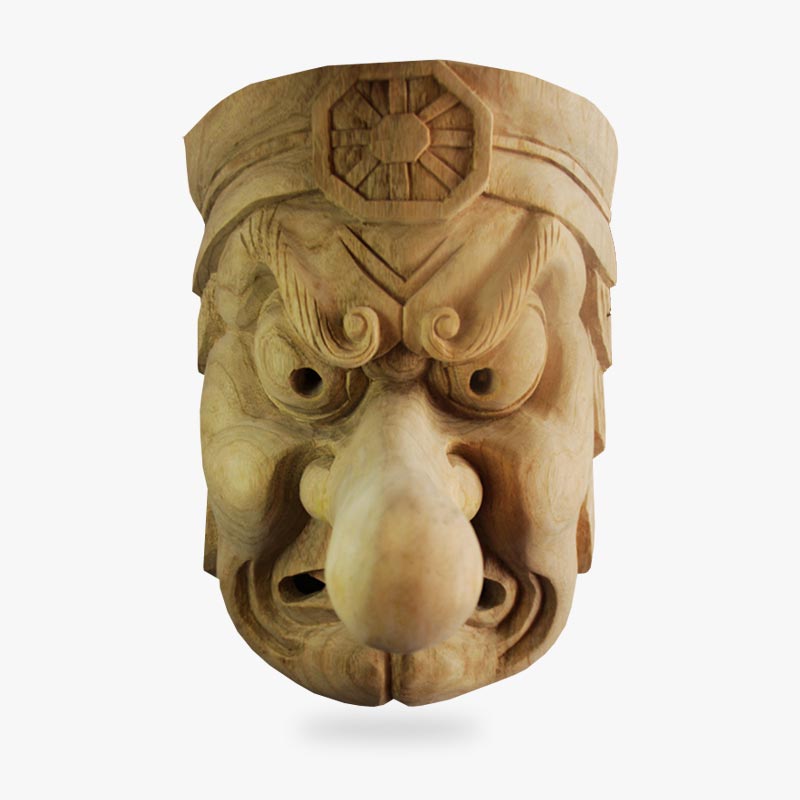
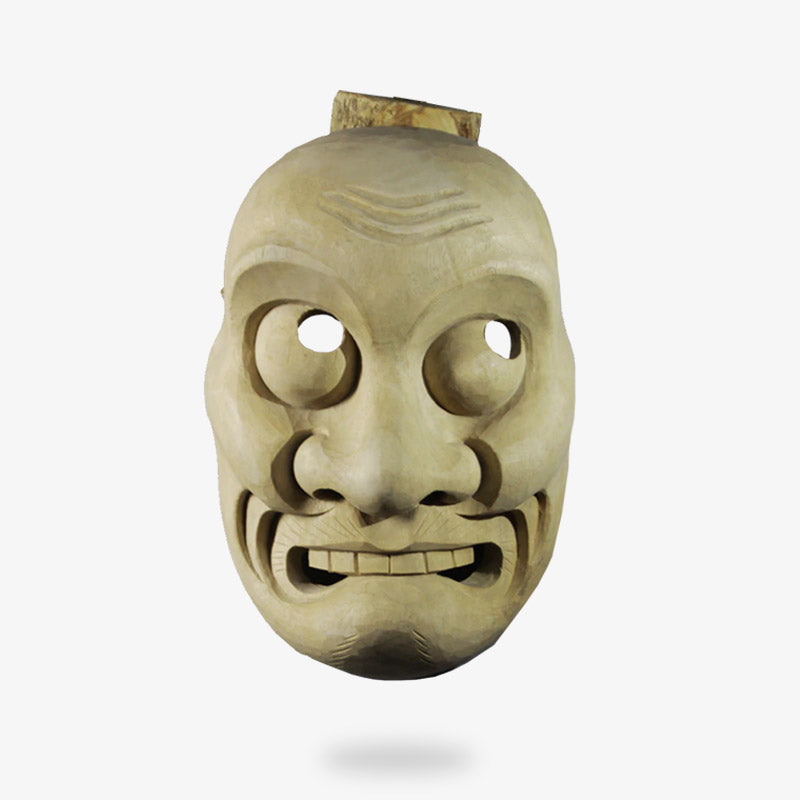
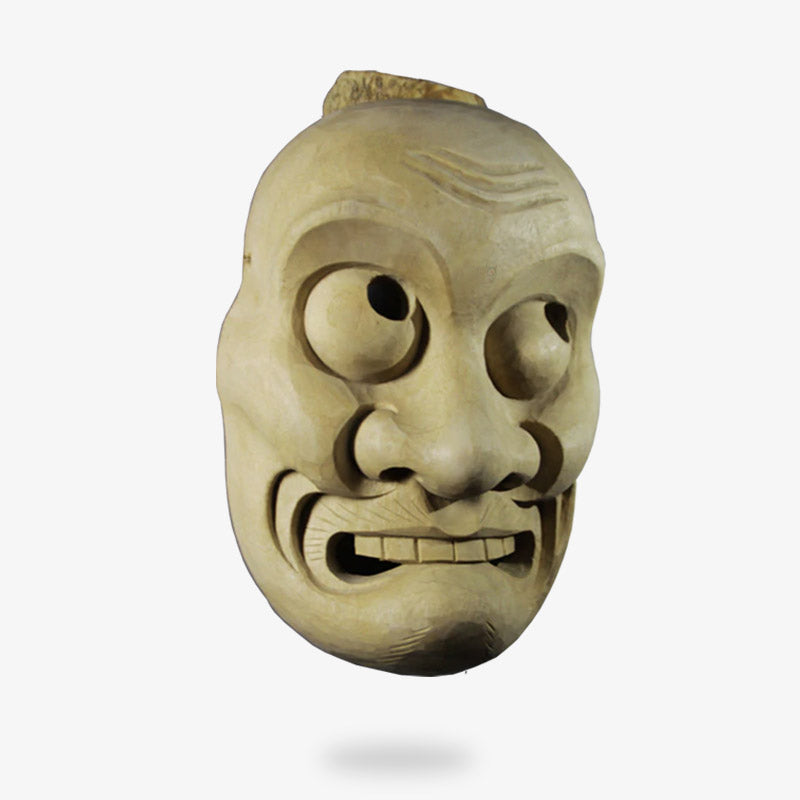
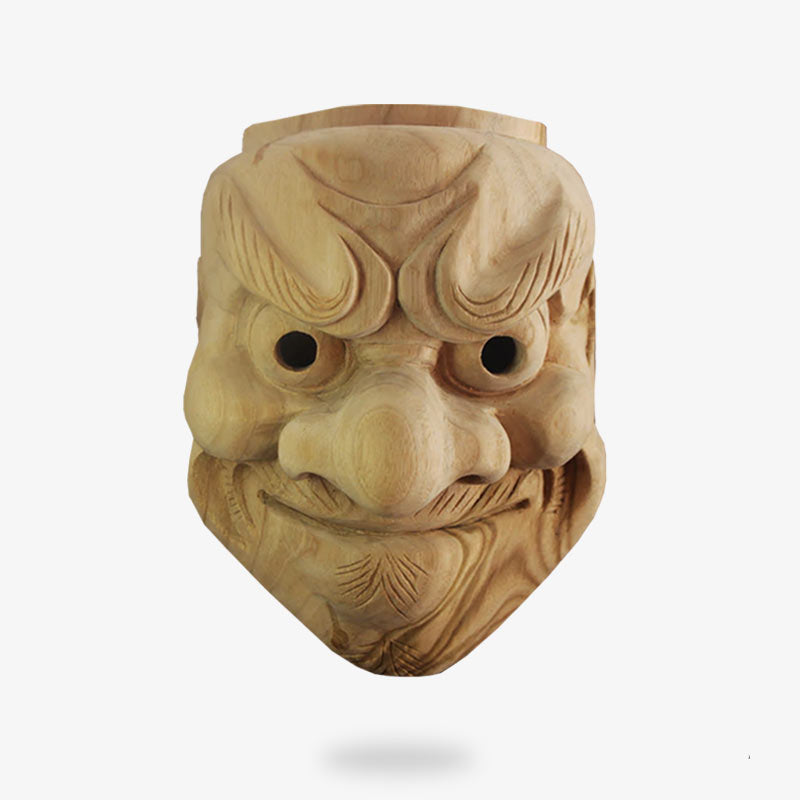
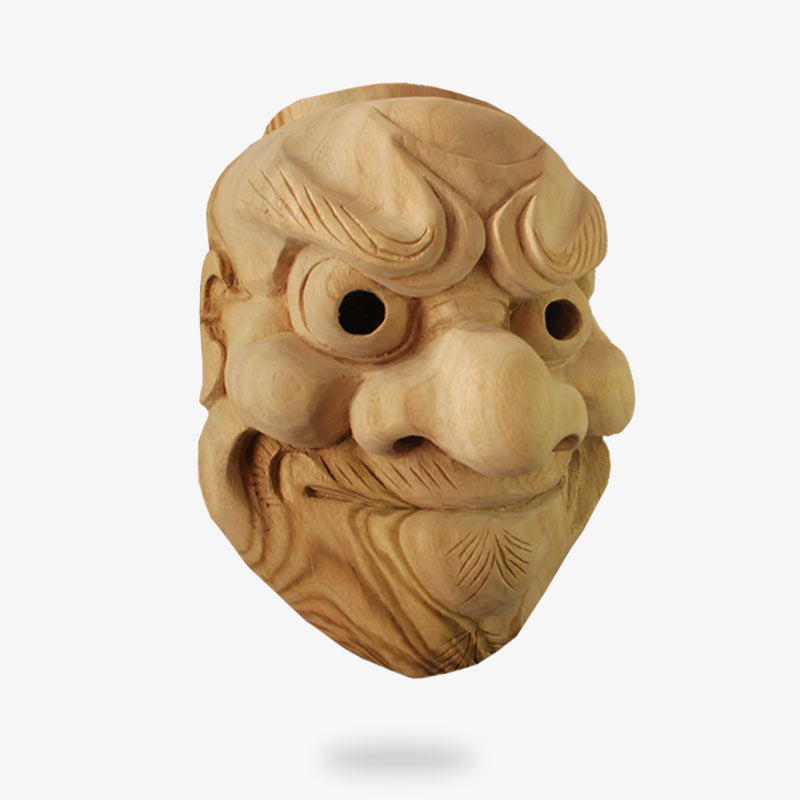
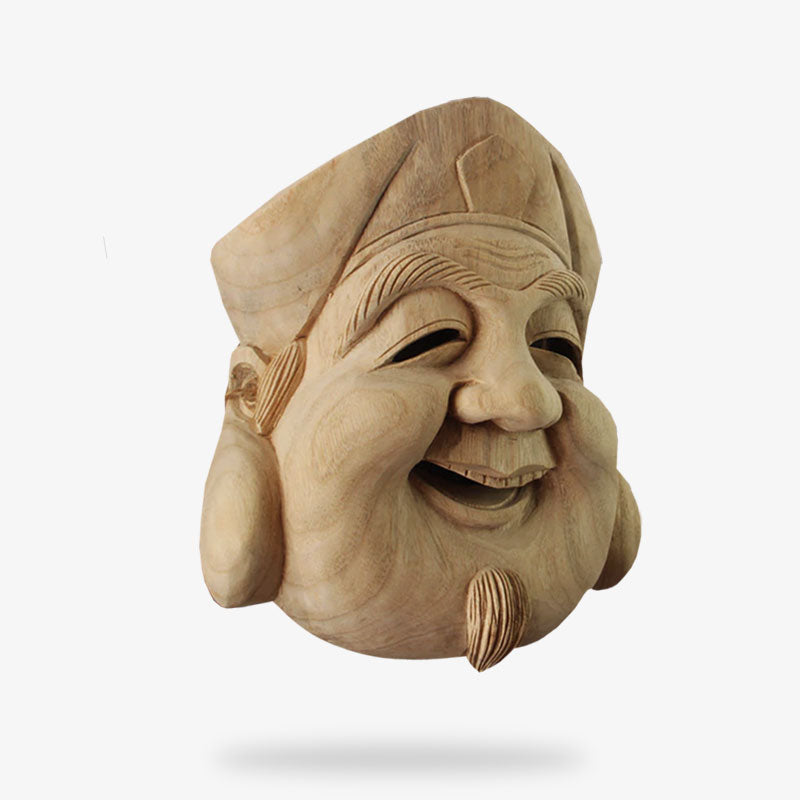
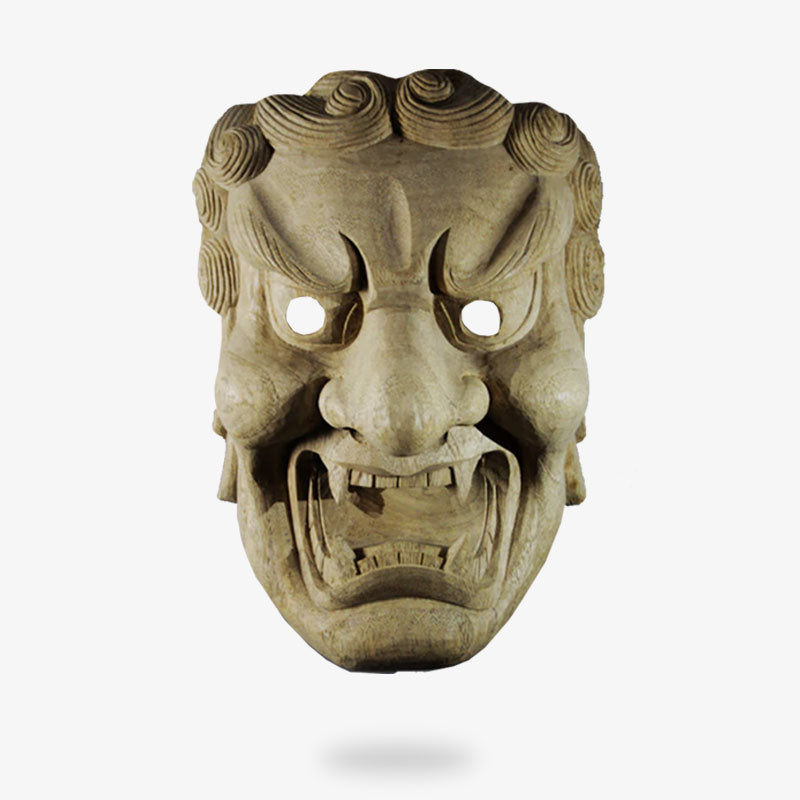
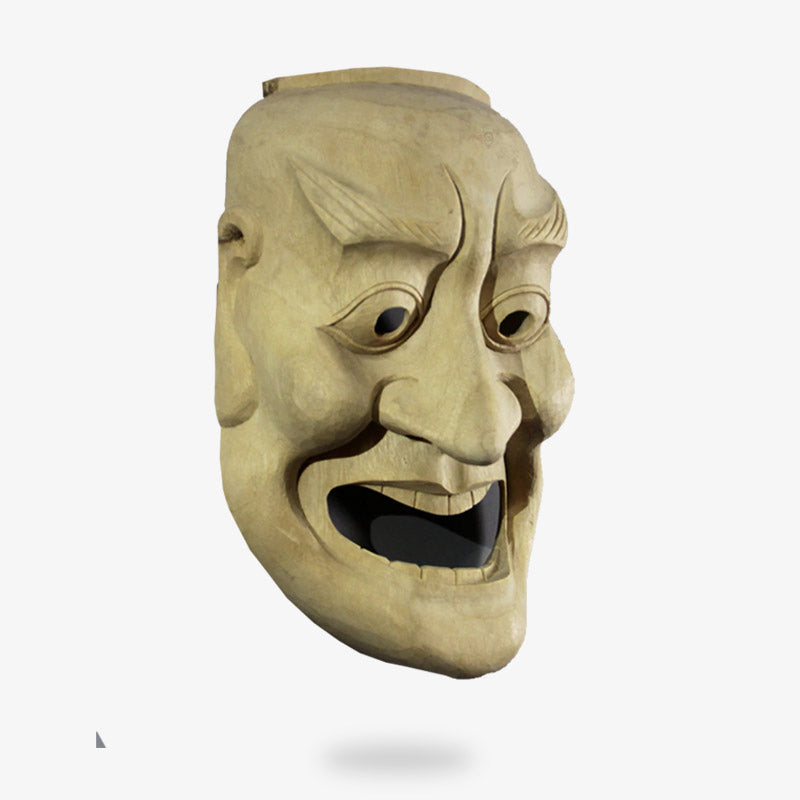
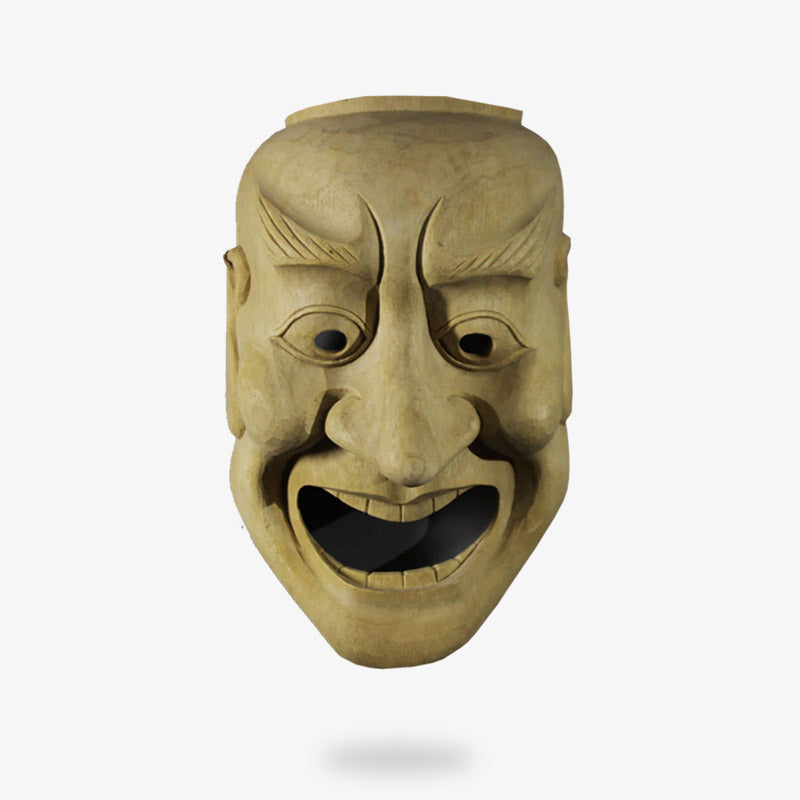
Noh theater masks are divided into five categories:
- Japanese spirits mask,
- Japanese mask men,
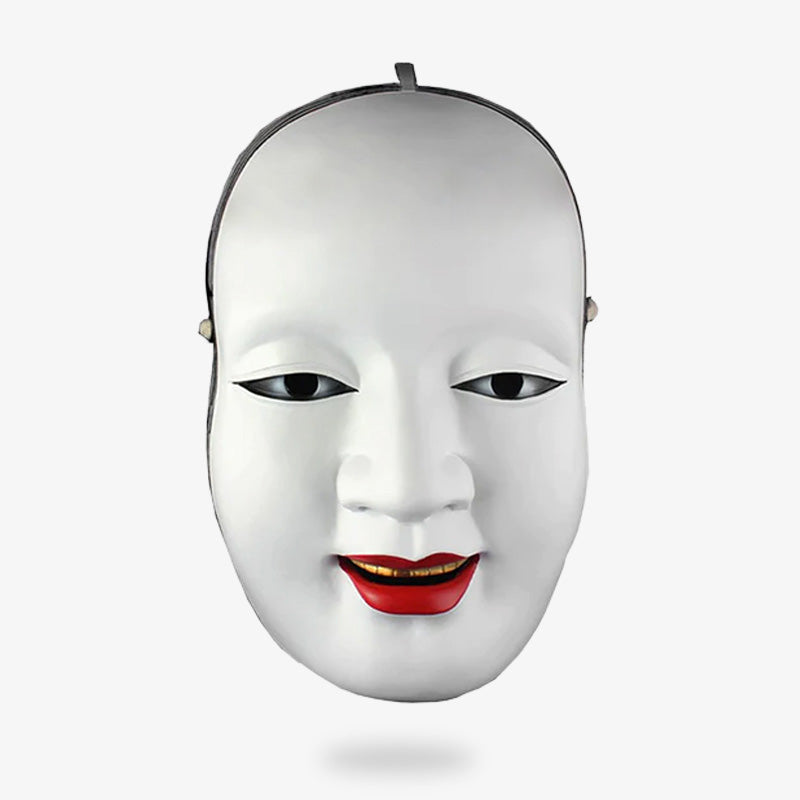
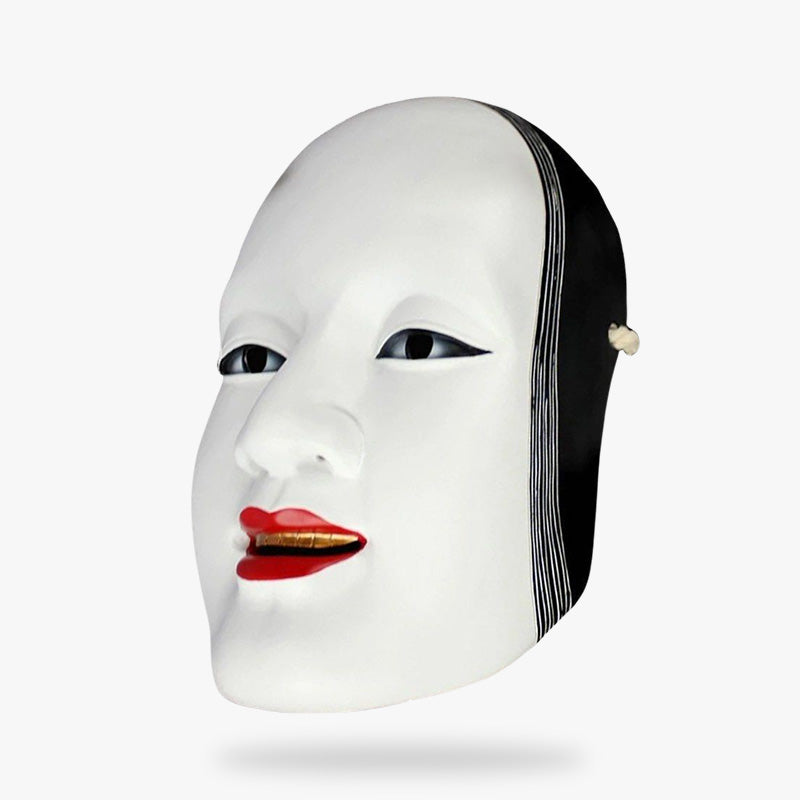
- Japanese mask women,
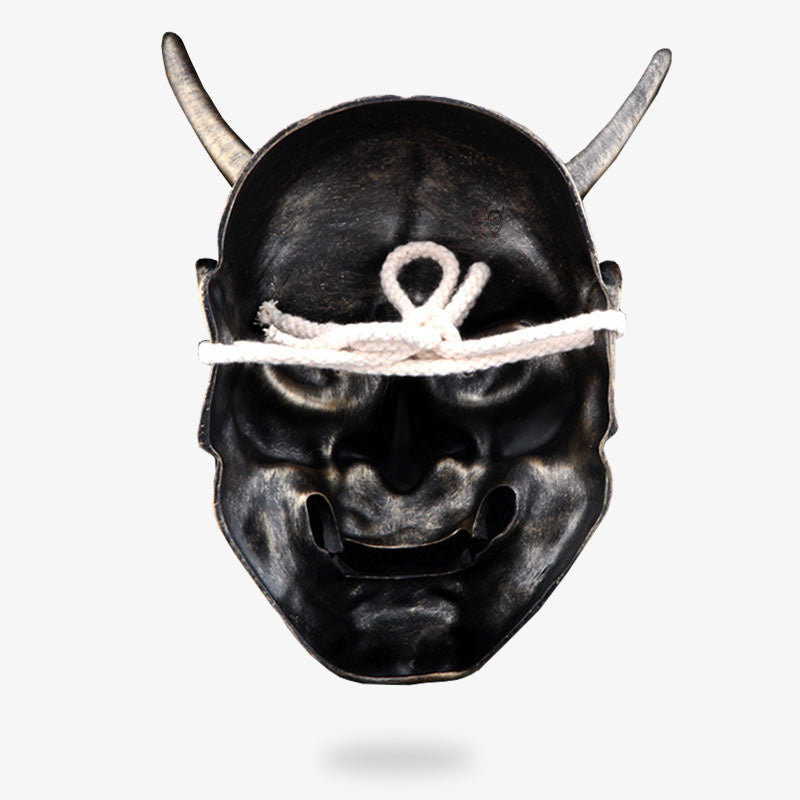
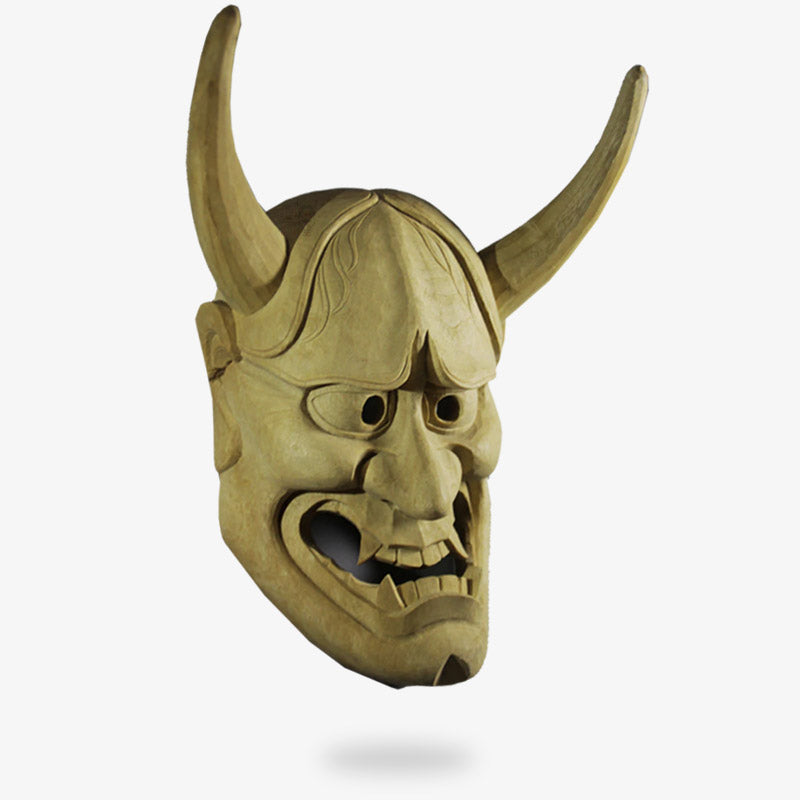
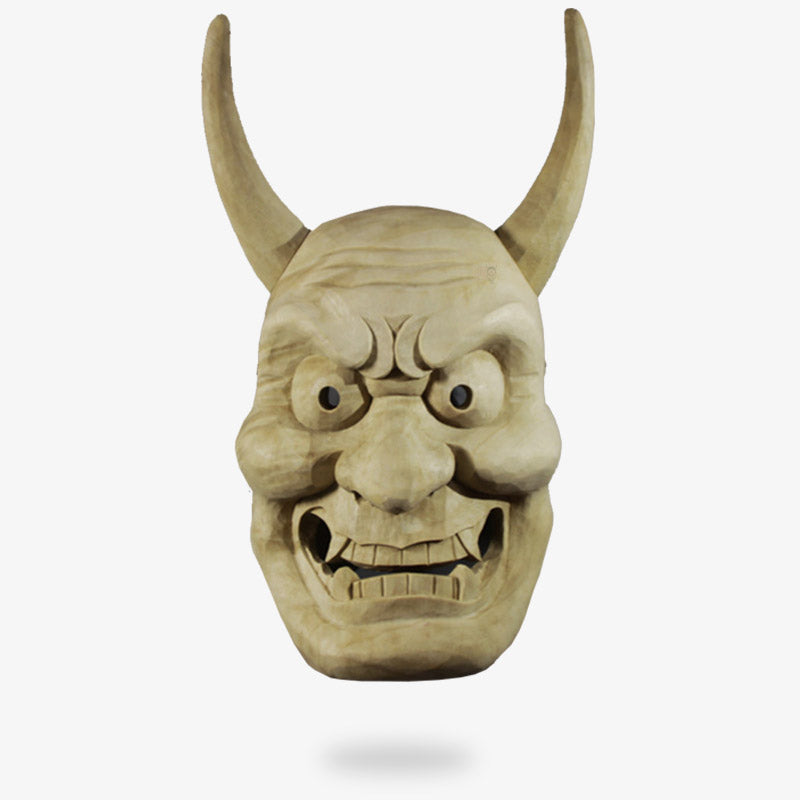
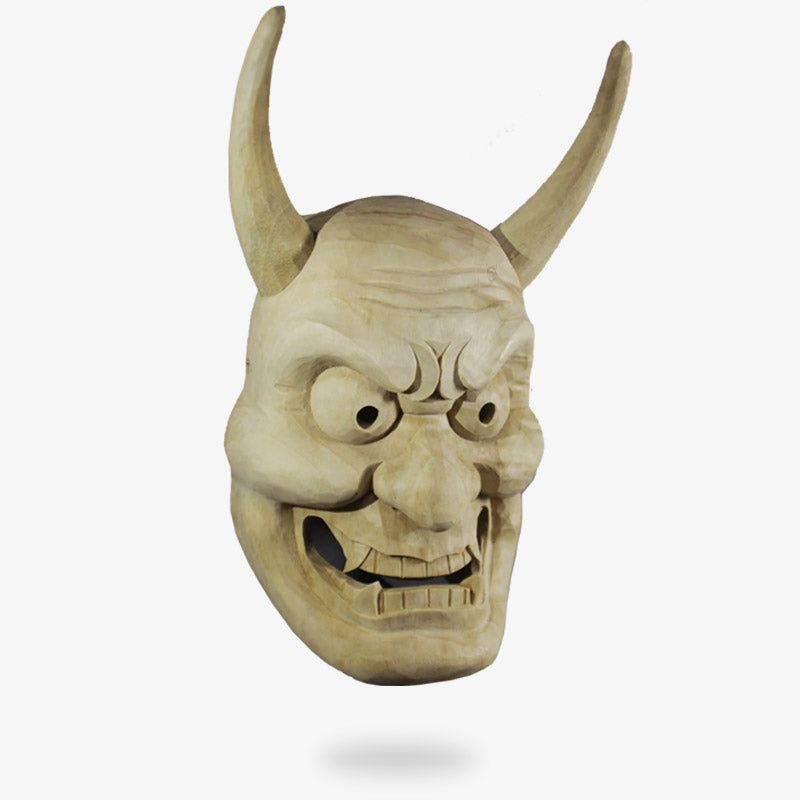
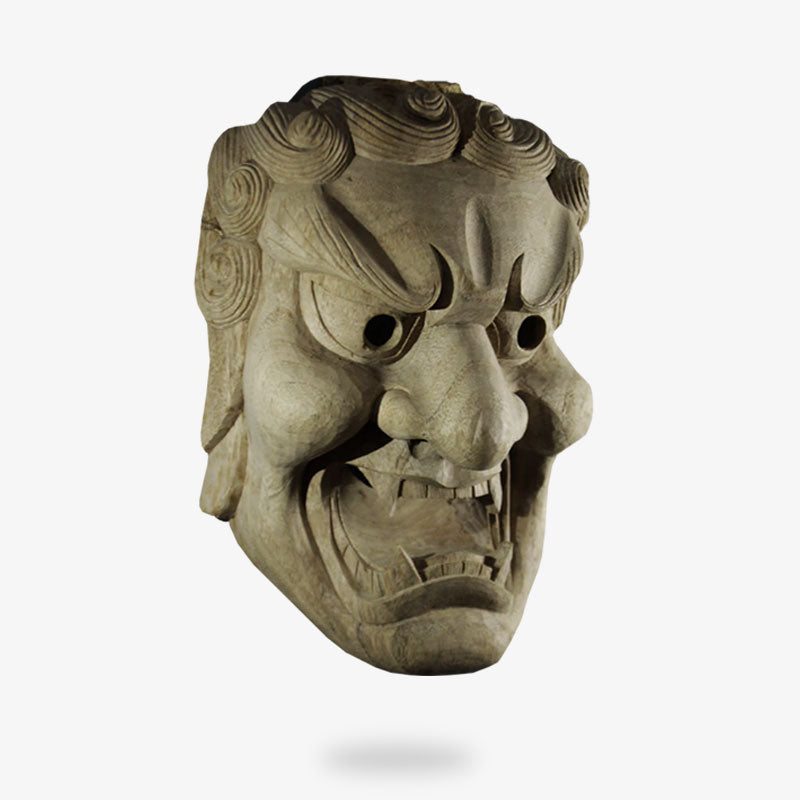
- Japanese demon mask,
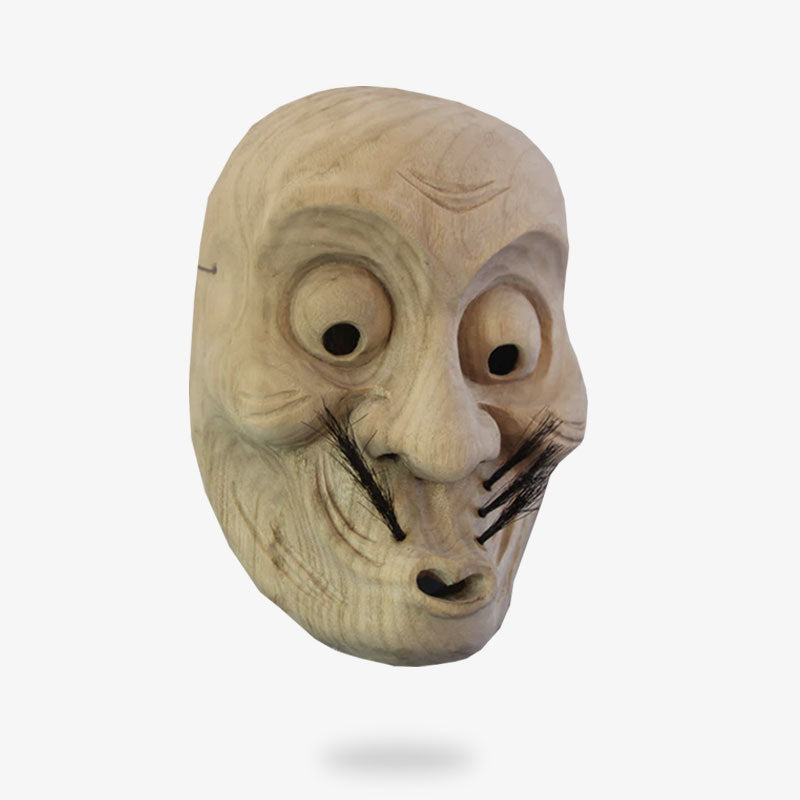
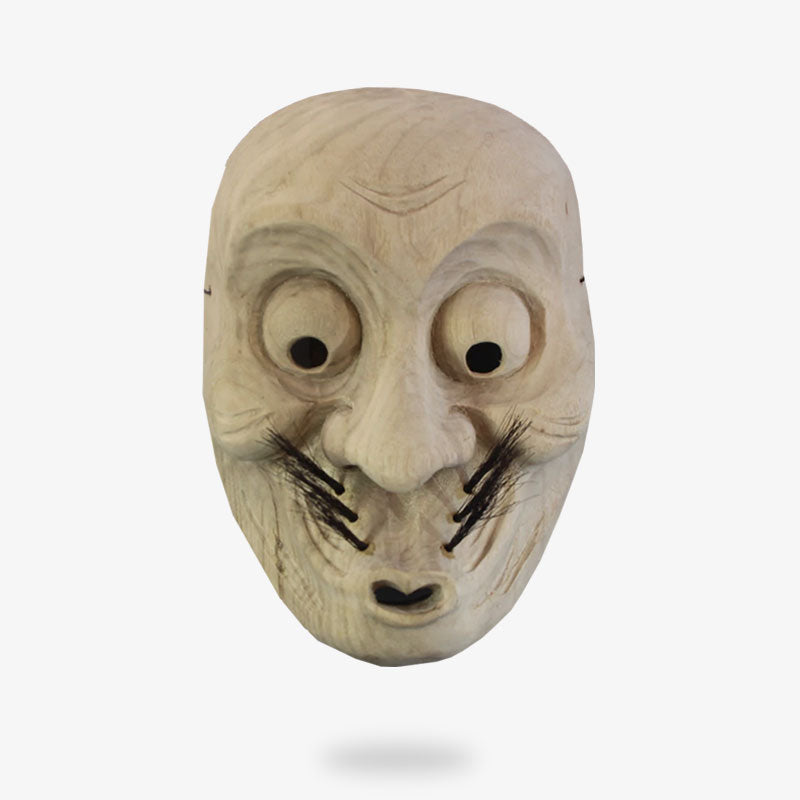
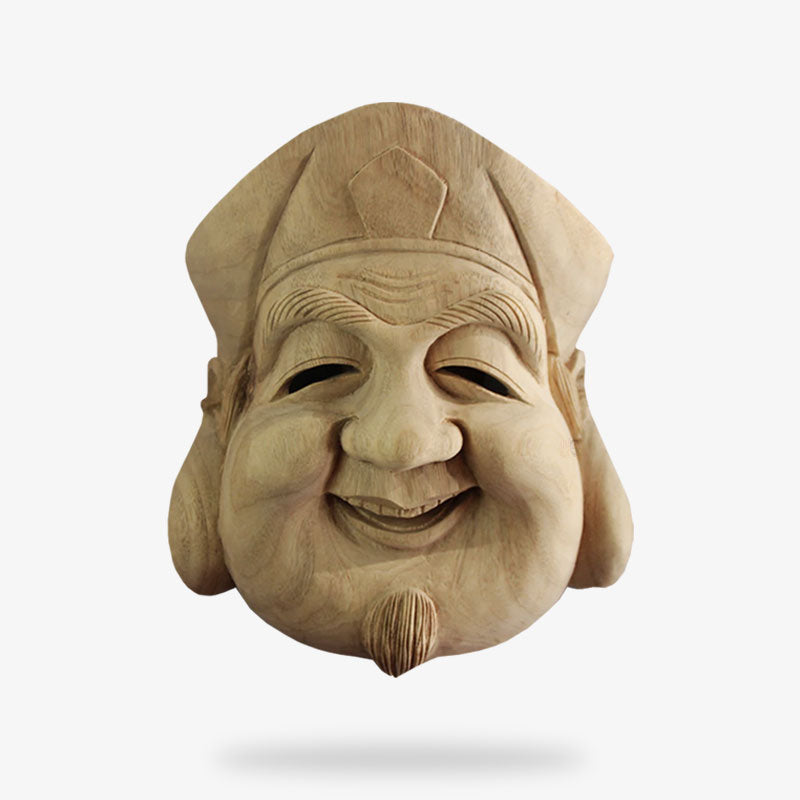
- and old men Japanese mask.
Those used today are copies of ancient masterpieces. These original Noh masks have been kept in Noh houses for generations. Carved from cypress wood (hinoki) and painted, they constitute the 60 basic masks. In total, there are 250 masks.
In Noh, only the main actors wear lacquered wooden masks whose features and expressions define the character and synthesize the atmosphere of a play. The hieratic slowness of the movements associated with the sumptuousness of very elaborate costumes allows the actor to communicate various emotions under the unchanged aspect of the face.
The head movements of the actor, pre-established by a code and conventions, express the diversity of the states of mind. These attitudes are enhanced by the play of shadows and light, which allows to communicate a fleeting emotion and to enhance the crucial moment of the action. The distinctive features of the masks associated with the softness of the volumes and colors thus participate in a search for balance. A realism nuanced with symbolism thus contributes to the expressionism which constitutes the essence of the Noh mask.
Noh mask heritage, character language, and why this collection matters
Noh evolved as a disciplined theater that values restraint, poise, and the quiet power of suggestion known as yūgen. Each role uses a distinct omote, the formal name for a stage face, and performers control emotion with minute tilts that shift light across the carving. Photographers, collectors, and costumers all seek that moment when a face changes from sorrow to serenity in a single breath, which explains the lasting appeal of a refined Japanese theater mask inside both historic and modern wardrobes.
Ritual anchors the canon. The oldest role opens the program with blessings, measured steps, and dignified grace. Carvers shape deep forehead lines with gentle eyebrows and a calm mouth, then leave the surface smooth so the face receives light as a blessing. Performers treat this face with reverence because it symbolizes longevity and renewal, which is why a well-proportioned Okina mask guides the entire mood of a set from the first cadence to the last bow.
Noble youth appears through balanced features and a luminous surface. Carvers keep the cheeks soft, the eyes narrow and contemplative, and the lips faintly colored to suggest refinement. On stage, a small head tilt lifts the gaze into hope or lowers it into introspection, and that range suits courtly scenes or lyrical travel pieces. Collectors who want elegance without overt drama often point to a poised Chûjô mask when building a serene centerpiece for a wall or a glass case.
Vigor and innocence read differently. Child roles need a fresher forehead, a shorter jaw, and an open mouth that breathes energy into dance sections. The sculpted lines invite motion and allow quick changes from wonder to worry with a few degrees of tilt. For festival vignettes or storytelling sets, art directors often place a lively Doji mask in the lineup to contrast with elders, warriors, and spirits.
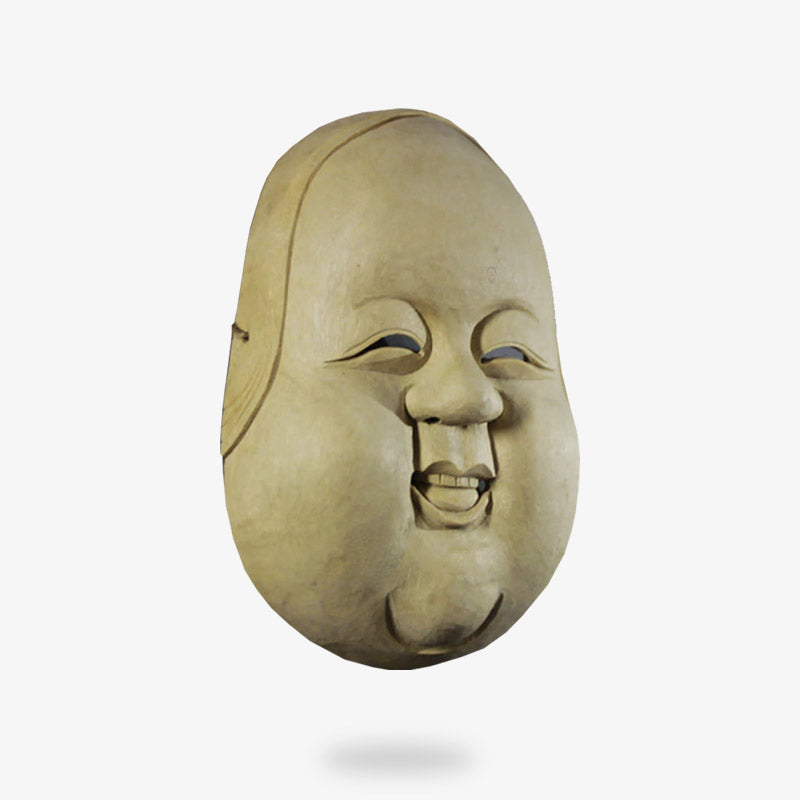
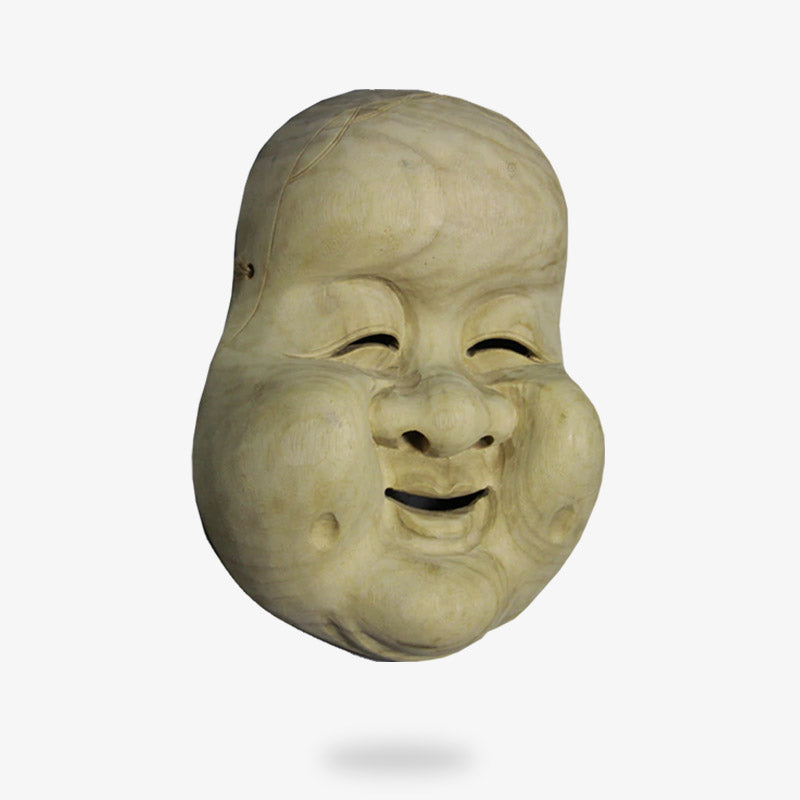
Comic relief supports the heavier scenes. Broad cheeks, a playful mouth, and eyes that welcome laughter change the air in the room and give the audience space to breathe between tragedies and moral tests. The carver’s hand shows in soft edges that catch light gently, which helps cameras read humor without caricature. Crews who plan mixed programs often reserve a spirited Sankôjô mask to refresh the pace and invite smiles that feel earned rather than forced.
Austerity has a face as well. Gaunt roles call for hollowed cheeks, a higher bridge, and an intense look that pulls the audience toward stillness. The surface treatment stays subdued so the shape, not the shine, holds attention. When costume teams need severity for hermit tales or trials, they reach for a disciplined Yase-Otoko mask that frames the body with resolve.
Breath shapes sound and feeling. A pursed mouth with rounded lips can whistle, gasp, or hunger, and that sound becomes part of the texture. Carvers hollow the inner mouth and tune the edge so breath moves clearly without muddling speech. In scenes that flirt with mischief or urgent longing, directors often add a sly Usobuki mask to turn a whisper into a stage moment the audience will not forget.
Intensity lives in tension lines. Wrathful roles carry sharp eye corners, tightened cheek cords, and a mouth that denies easy smiles. The paint stays precise because any blur kills clarity on stage. Performers favor this strength for scenes that test characters or invoke protective force, which is why a focused Obeshimi mask remains a favorite when the story needs heat without chaos.
Japanese Theater mask features and benefits for performance, display, and photography
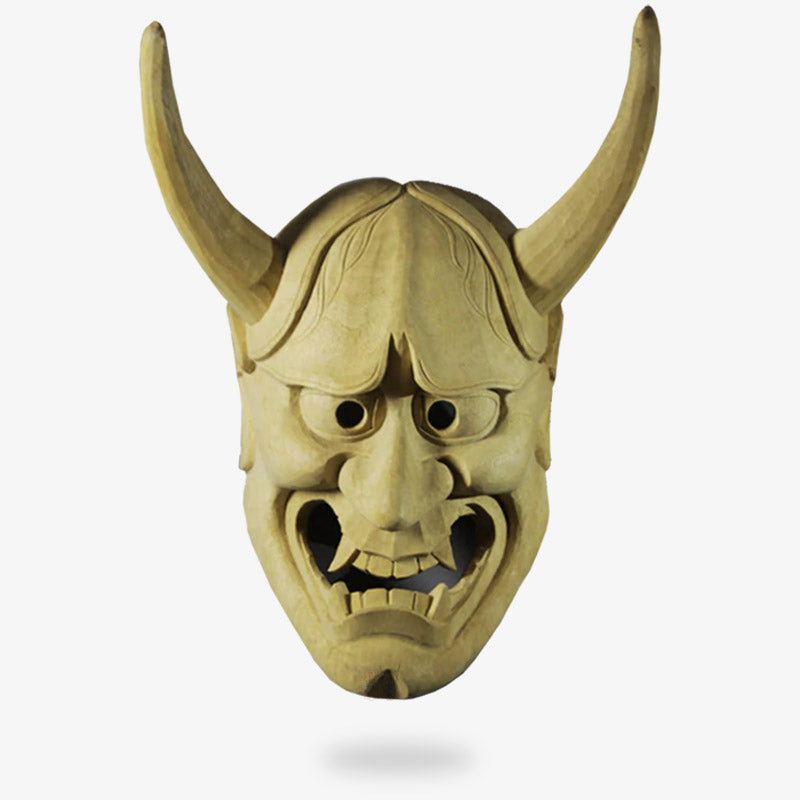
Material sets both soul and longevity. Traditional carvers choose cypress or paulownia for lightness, stability, and a grain that holds detail. The surface accepts ground layers and pigments without heavy buildup, which keeps contours clear for stage lights and close-ups. Collectors who prize tactile authenticity often note the resonance and scent that only a carefully carved Japanese wood mask brings into a room.
Finish controls mood on contact. Eggshell matte reads contemplative, satin holds color without glare, and strategic gloss on lips or teeth adds life. Pigments sit on a stable ground that resists humidity shifts, while subtle aging treatments bring depth without gimmick. Photographers get dependable results because edges stay crisp when lights move from warm to cool across a sequence.
Expression depends on angle, not exaggerated lines. A few degrees of tilt raise the gaze into wonder, lower it into sadness, or cast the eyes into shadow for mystery. Performers train posture and breath so the face seems alive even while still. Buyers who want that classical switch value the honest geometry of a precise Japanese Noh mask because it lets the wearer do the work with body language rather than overdrawn features.
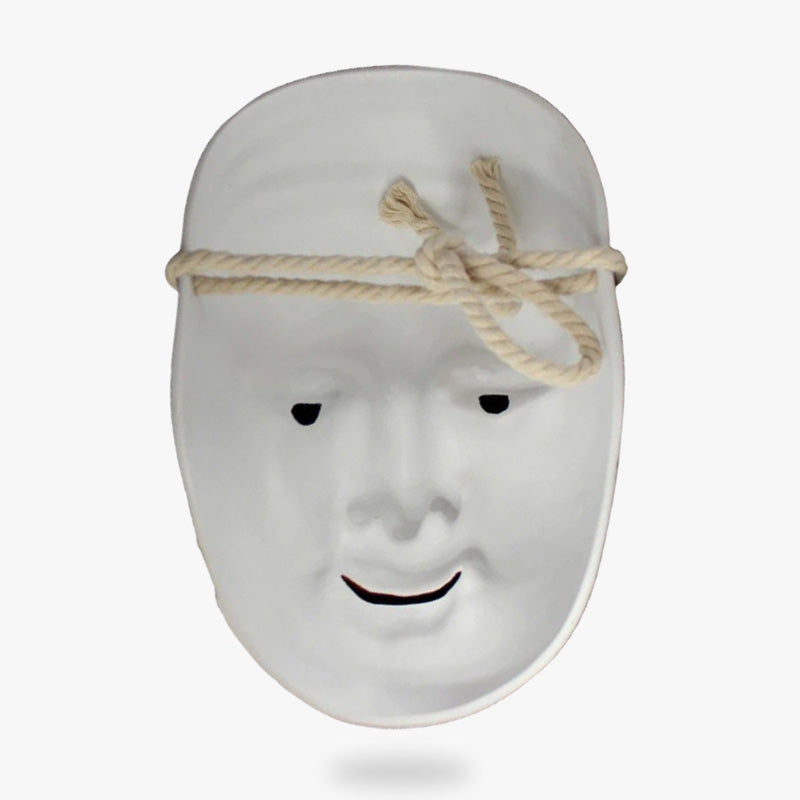
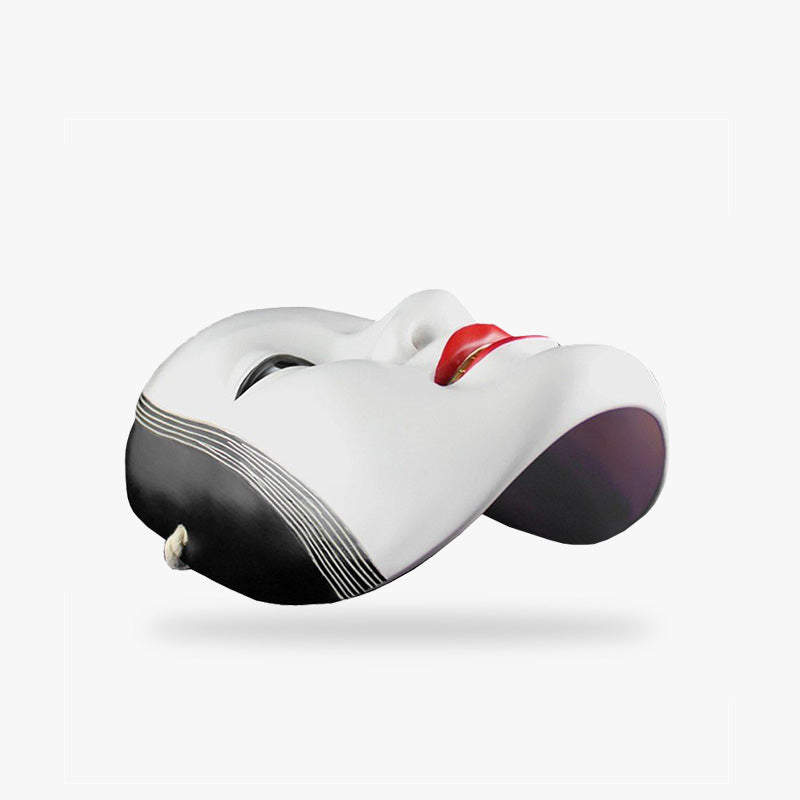
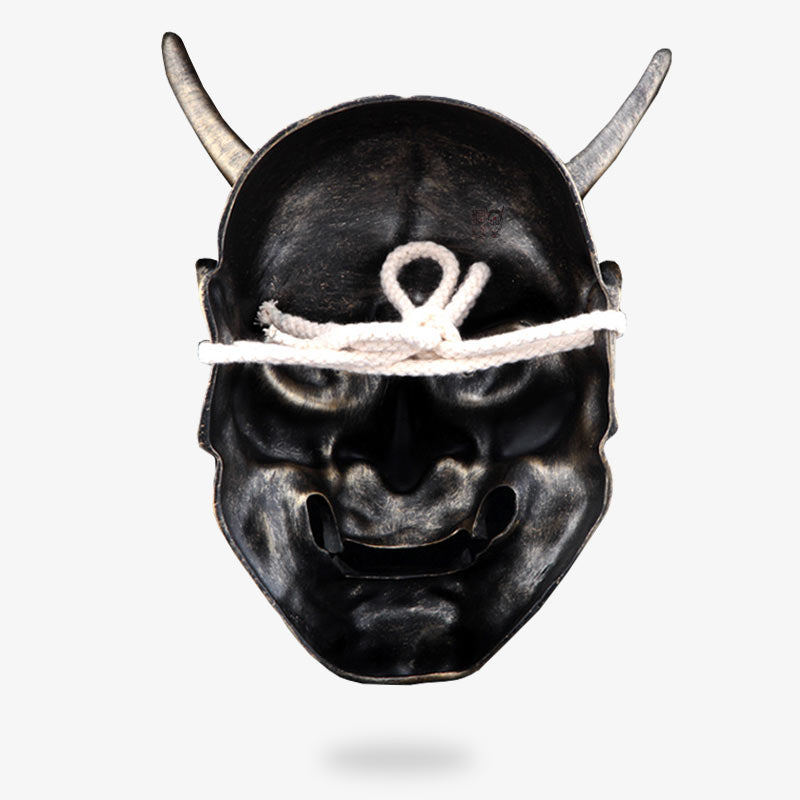
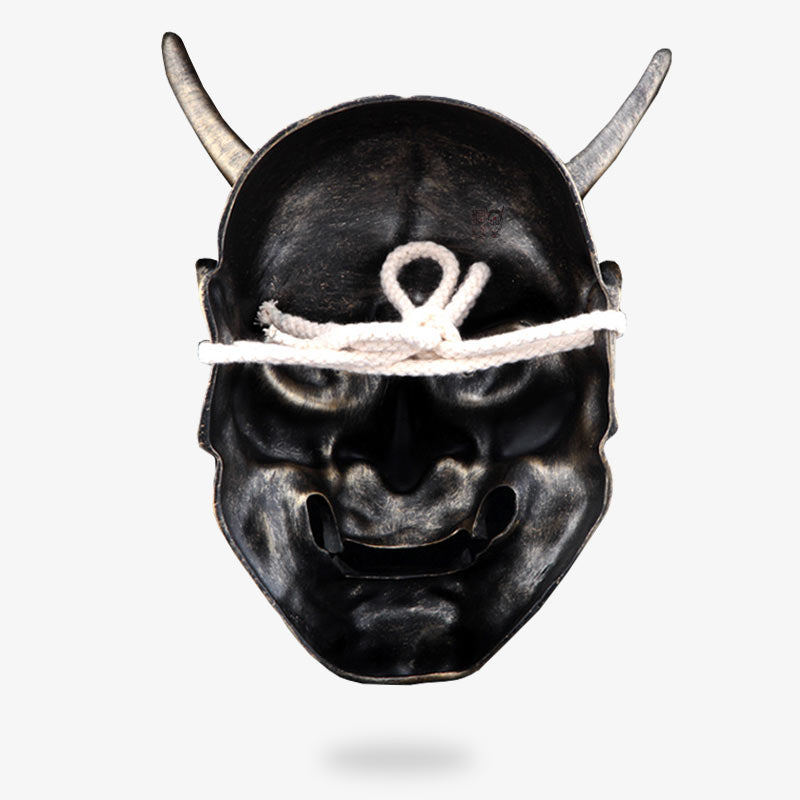
Fit and comfort protect performance. Smooth interior curves rest on brow and cheek without hot spots. Adjustable cords distribute pressure evenly and resist slip under movement. Makers open discreet vents along the nostrils or lower lip to channel breath and preserve voice. Costumers appreciate predictability over long programs since a well-built shell keeps focus on the story, not on distractions.
Display also counts as use. Wall mounts need proper cradles so weight lands on strong points, not delicate edges, and cases require breathable pads rather than plastic shelves that trap moisture. Curators match the backdrop to the face tone so the carving reads clearly at a glance. A calm setting invites visitors to linger and notice small decisions in carving and paint that define a museum-grade Japanese mask experience at home.
Buying guide for a Noh mask: role, fit, finish, and setting
Start with the role you need. Lyrical journeys, court scenes, blessings, and moral trials each ask for a different face and mood, so a stage-ready profile such as a refined noh theater mask will anchor scenes that call for serenity while stronger characters suit dramatic corners or protective moments.
Check dimensions against the wearer or the display plan. Measure eye-to-eye spacing, brow-to-chin height, and the depth from forehead to nose tip; a balanced shell that sits like a comfortable noh face mask keeps diction clear and breath steady, and display mounts should allow the silhouette to breathe without crowding.
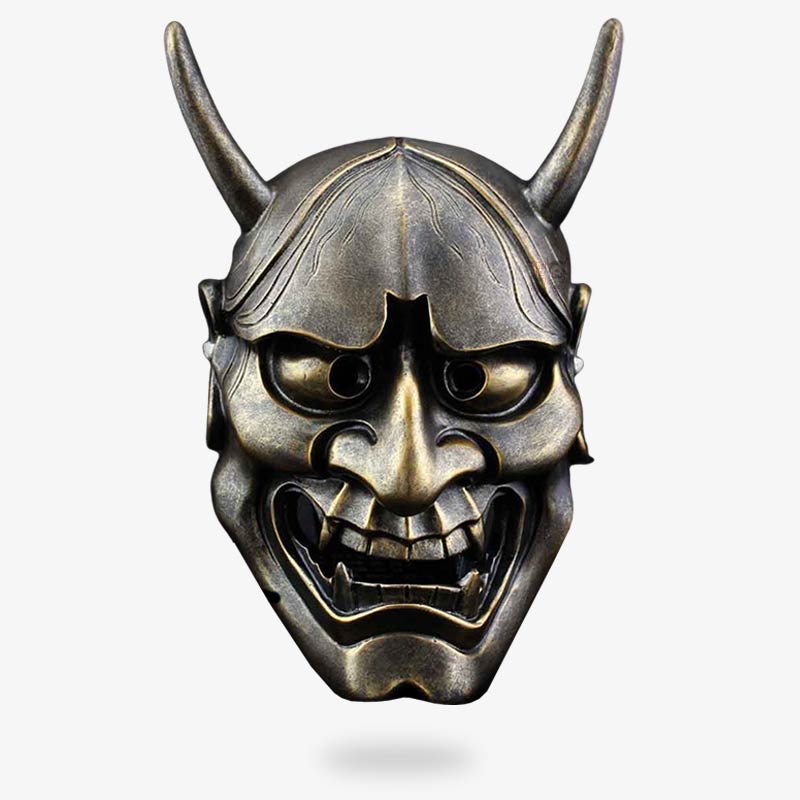
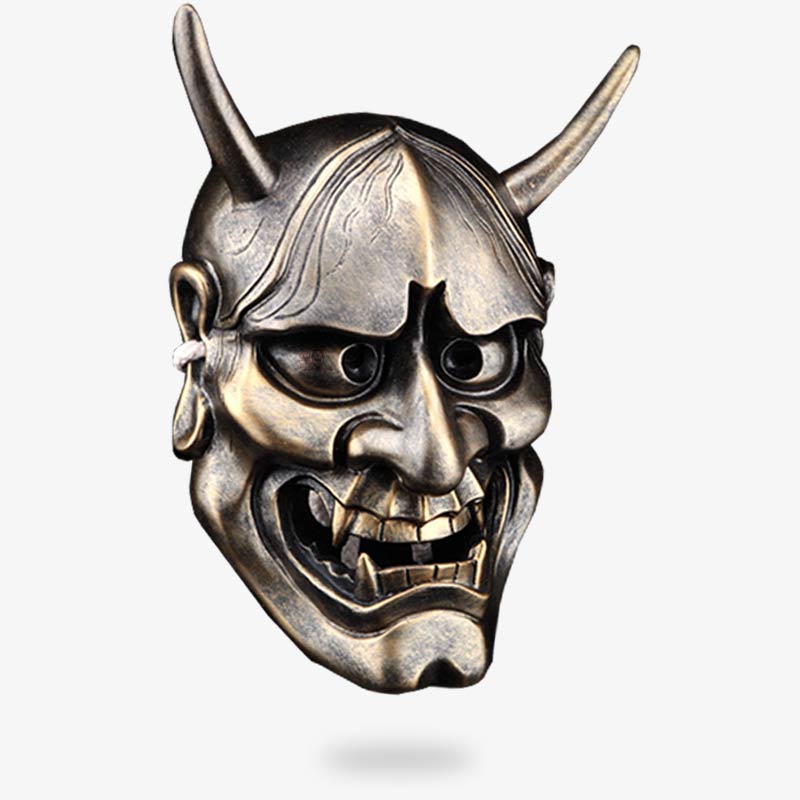
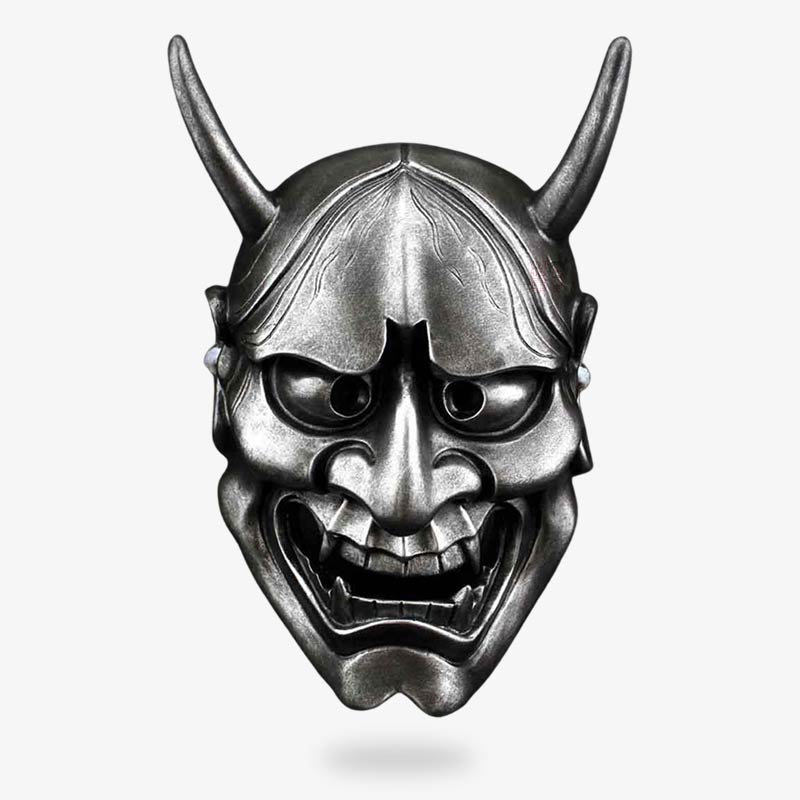
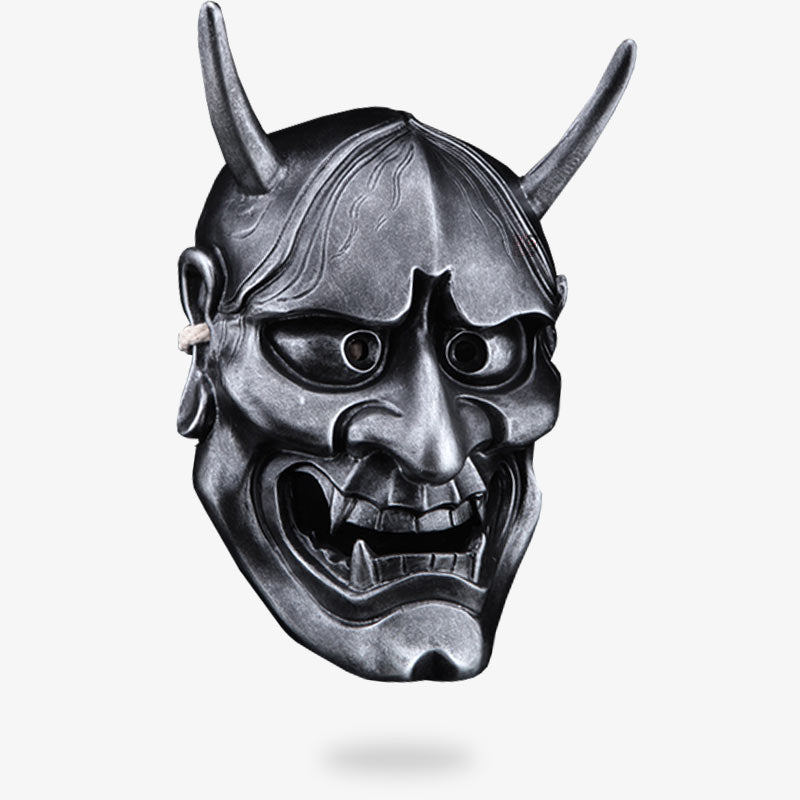
Study the carving language. Soft cheeks and modest noses suit gentle roles, while sharper planes and higher bridges support severe or protective characters, a logic that helps buyers distinguish the taut lines often associated with a resolute hannya noh mask from the calmer geometry of lyrical roles.
Select paint for the light you expect. Warm rooms flatter soft whites and faint pinks; cool LEDs sharpen grays and blues; mixed sources reward careful control of gloss levels so teeth and lips glow softly under a lamp and horn or brow areas avoid hot spots.
Decide on finish age. Fresh surfaces feel ceremonial and precise; lightly aged surfaces suggest lineage and story; heavy artificial wear can hide carving or muddy edges and should be avoided when clarity and camera-readability matter.
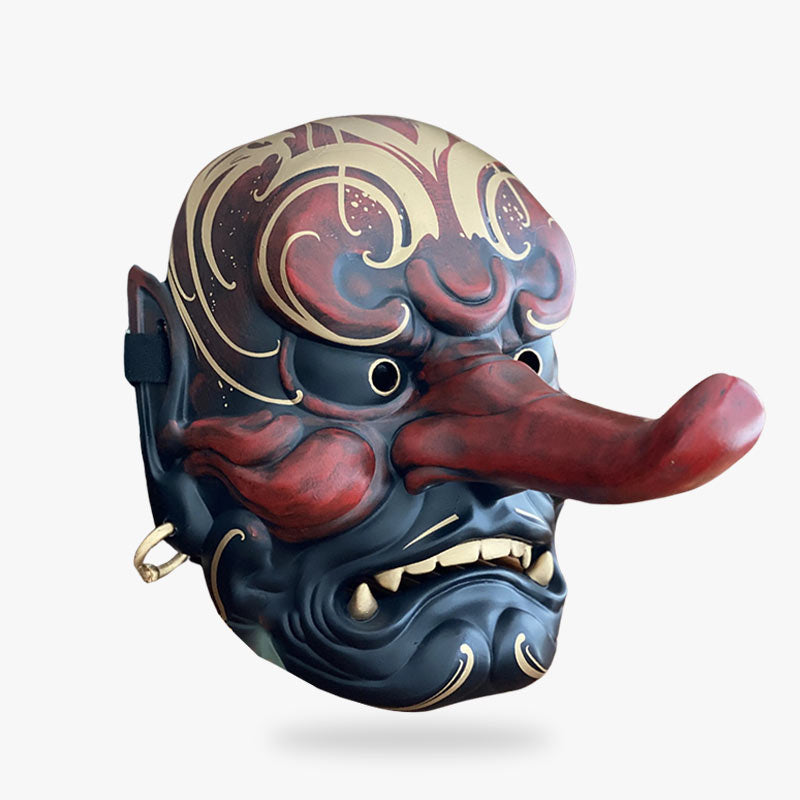
Plan the outfit and setting around the jaw line. Collars should sit low so the face leads, and cords or obi-inspired ties can echo one paint color from the mask; bold costumes pair cleanly with the power of an assertive oni noh mask while quieter garments let subtle carving take center stage.
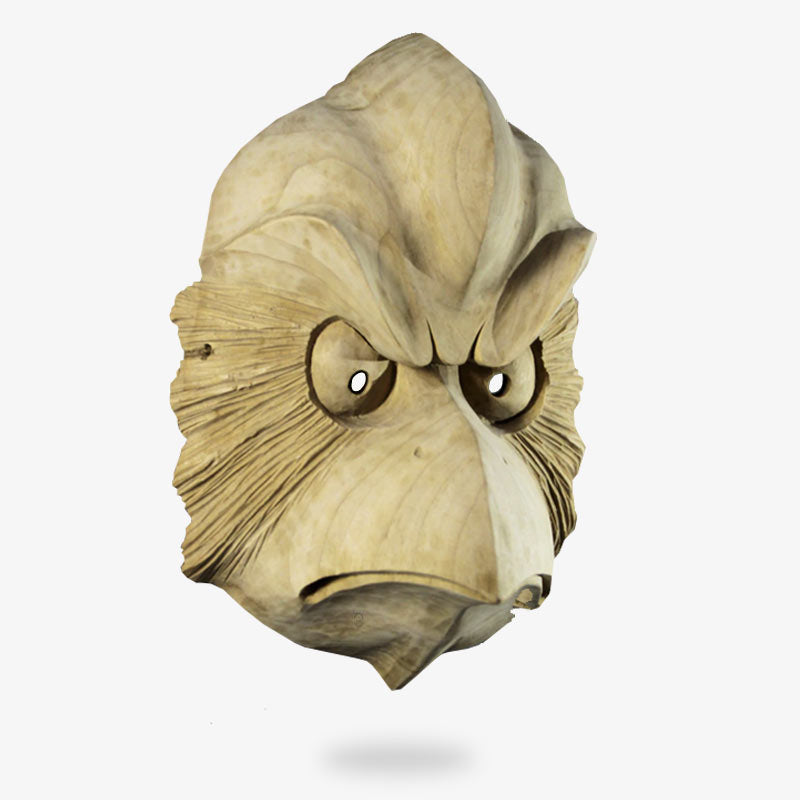
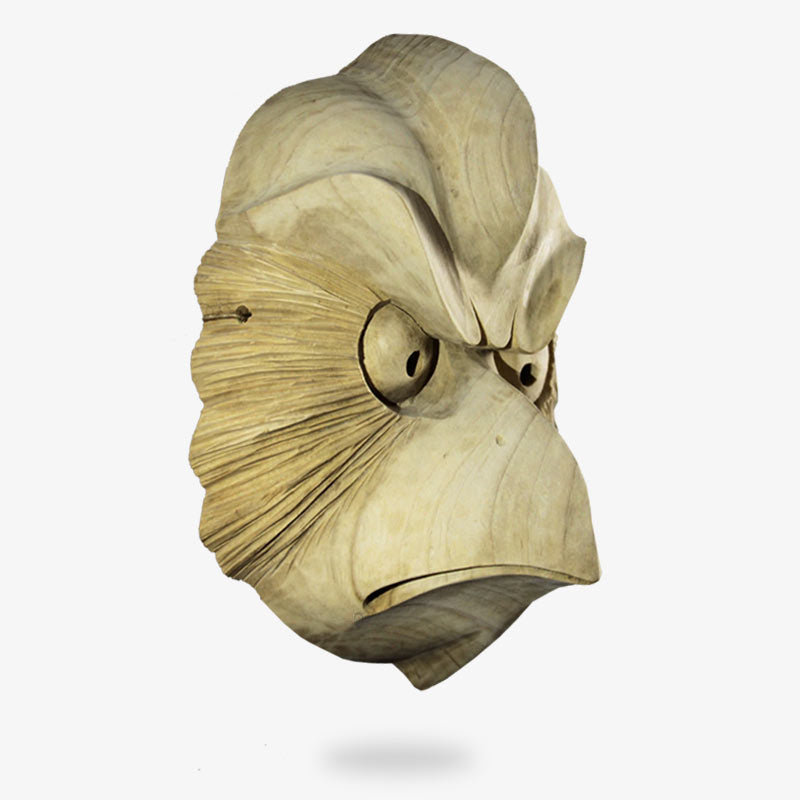
Consider collection harmony. A single hero face anchors a wall, a pair creates dialogue, and three build an arc that visitors can read left to right; mixing a serene elder with a playful spirit like a witty fox noh mask adds contrast without breaking the classical vocabulary.
Balance tradition with use case. Stage-ready shells need durable interiors, tuned straps, and predictable breath paths, while gallery pieces benefit from nuanced surfaces and museum-grade mounts; photographers should prioritize edges that hold at shallow depth of field and paint that stays stable through long sessions.
Use and care so a Noh mask keeps its voice for years
Prepare thoughtfully before performance or installation. Clean skin to reduce oils, then adjust cords until pressure spreads evenly across brow and cheeks; run a short movement test with a walk, bow, and head turn so vision, breath, and posture settle before the first cue.
Handle with clean, dry hands or cotton gloves. Lift from the sides of the jaw and the interior rather than from delicate edges near eyes or mouth, and keep cosmetics minimal at contact points to prevent transfer during long programs or photo sessions.
Control environment during events and at home. Stable humidity protects both wood and ground layers, steady temperature prevents stress along grain lines, and direct sun should be avoided, especially when curating pale surfaces such as a luminous white noh mask that reads best in soft, indirect light.
Clean with care. Dust with a soft brush or a dedicated microfiber cloth; if a smudge appears, add the smallest breath of moisture and lift rather than rub, and skip solvents or oils that can bruise pigments and ground layers.
Store for shape and finish. Use a breathable pouch or an archival box with fabric supports under the jaw and cheeks, keep hard objects away from the face, and for travel cradle the piece in soft material with the nose upward so pressure never lands on delicate features.
Maintain straps and pads on a schedule. Replace elastic when it loosens, re-tie cords that show fray, and swap pads that have compressed; a small kit with spare ties, cloth, and a mirror makes backstage or home checks fast and predictable.
Document condition. Take neutral-light photos from front and three-quarter views, plus close-ups of edges, eyes, and mouth; simple records help track changes over years and guide conservation choices if a studio ever needs to step in.
Plan repairs only with trained hands. Minor scuffs inside the shell may accept reversible touch-ups, but facial surfaces deserve expert care; when uncertain, pause and protect the piece to preserve both meaning and value.
Use intention every time the mask leaves storage. Stage teams set clear cues, photographers coordinate light and angle before touching the face, and curators adjust mounts slowly to honor weight and balance so the spirit of Noh remains present wherever the mask lives.