
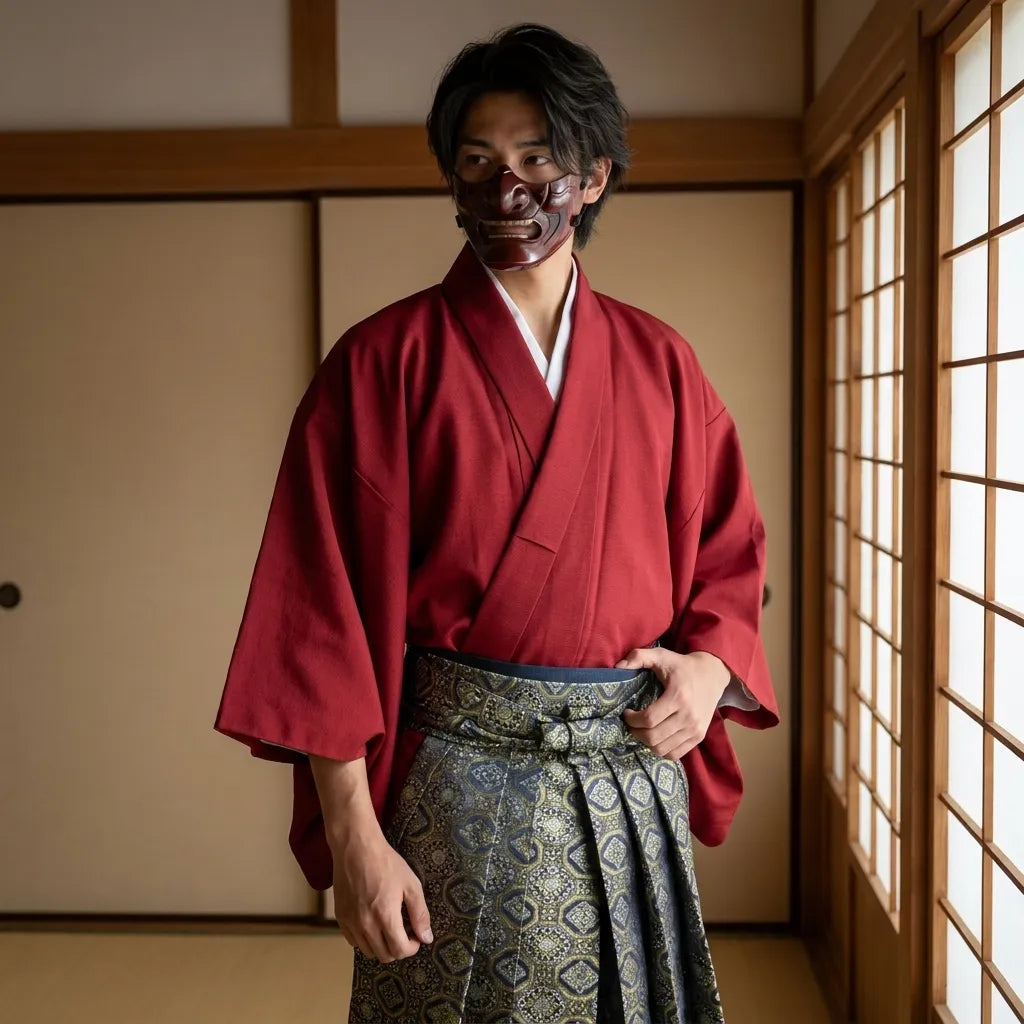


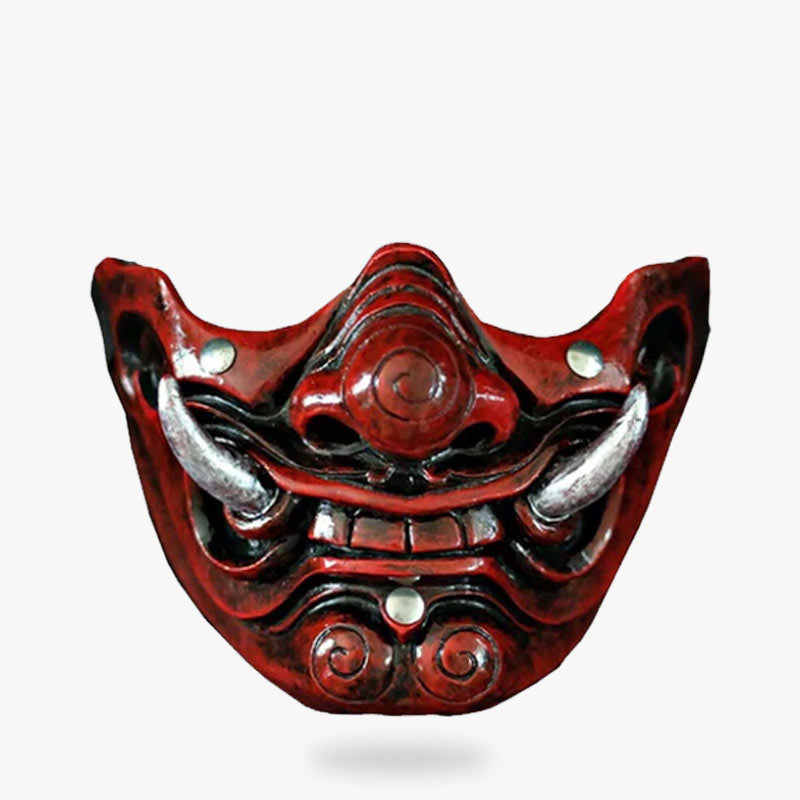
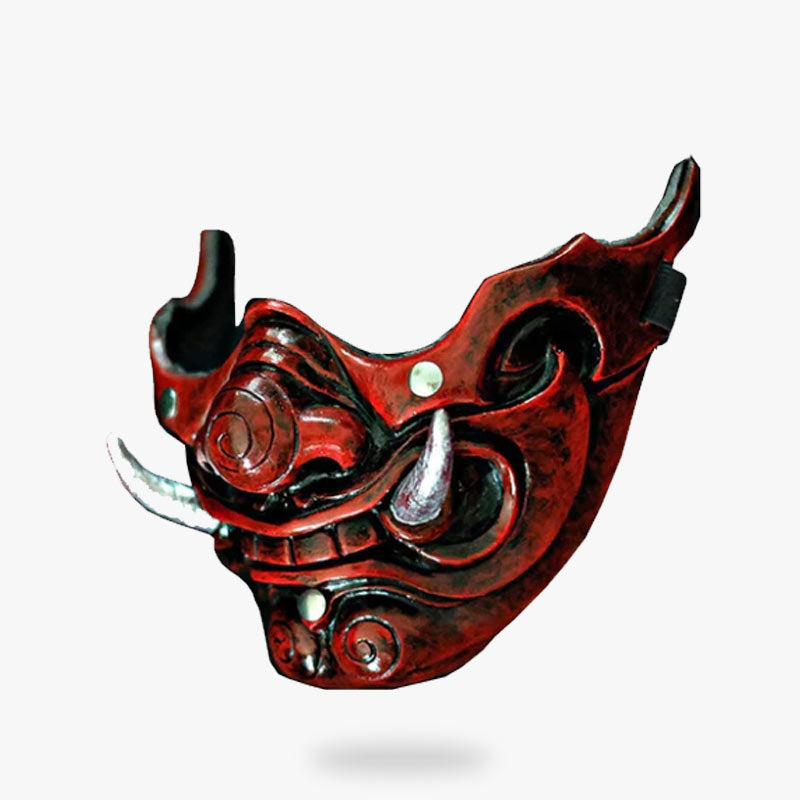
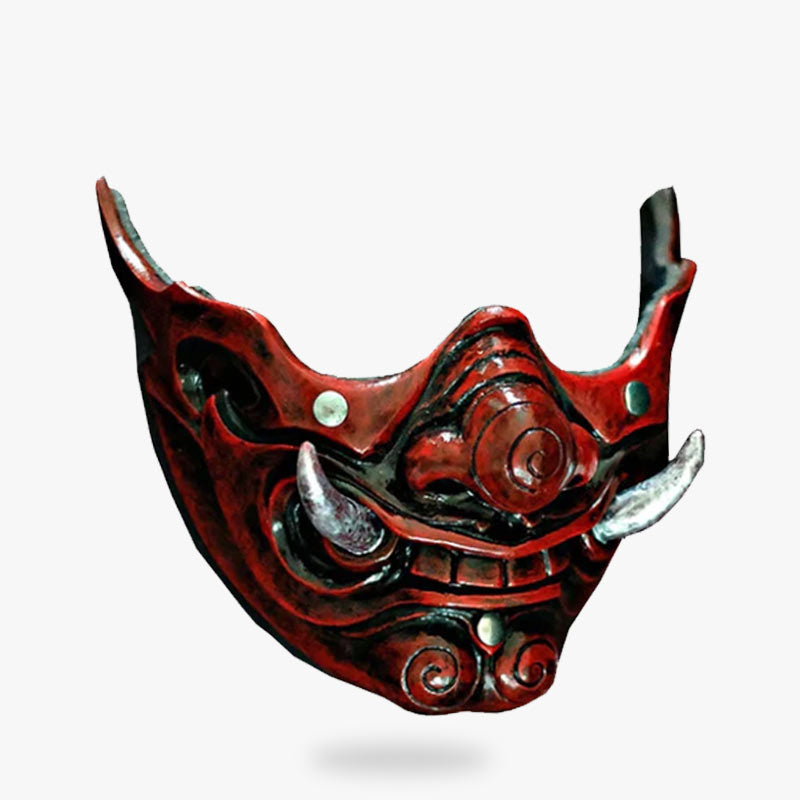
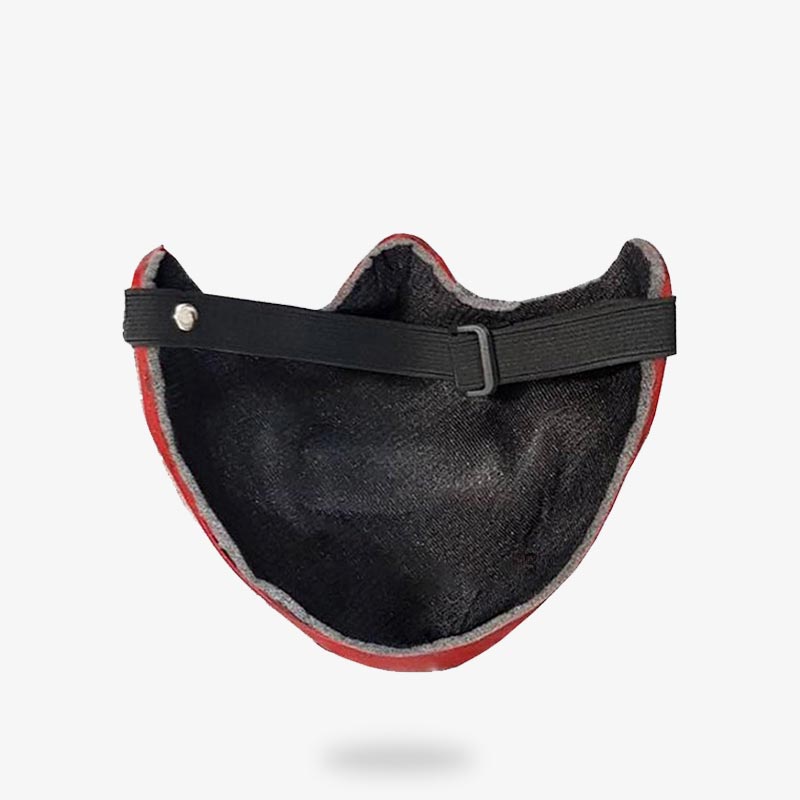
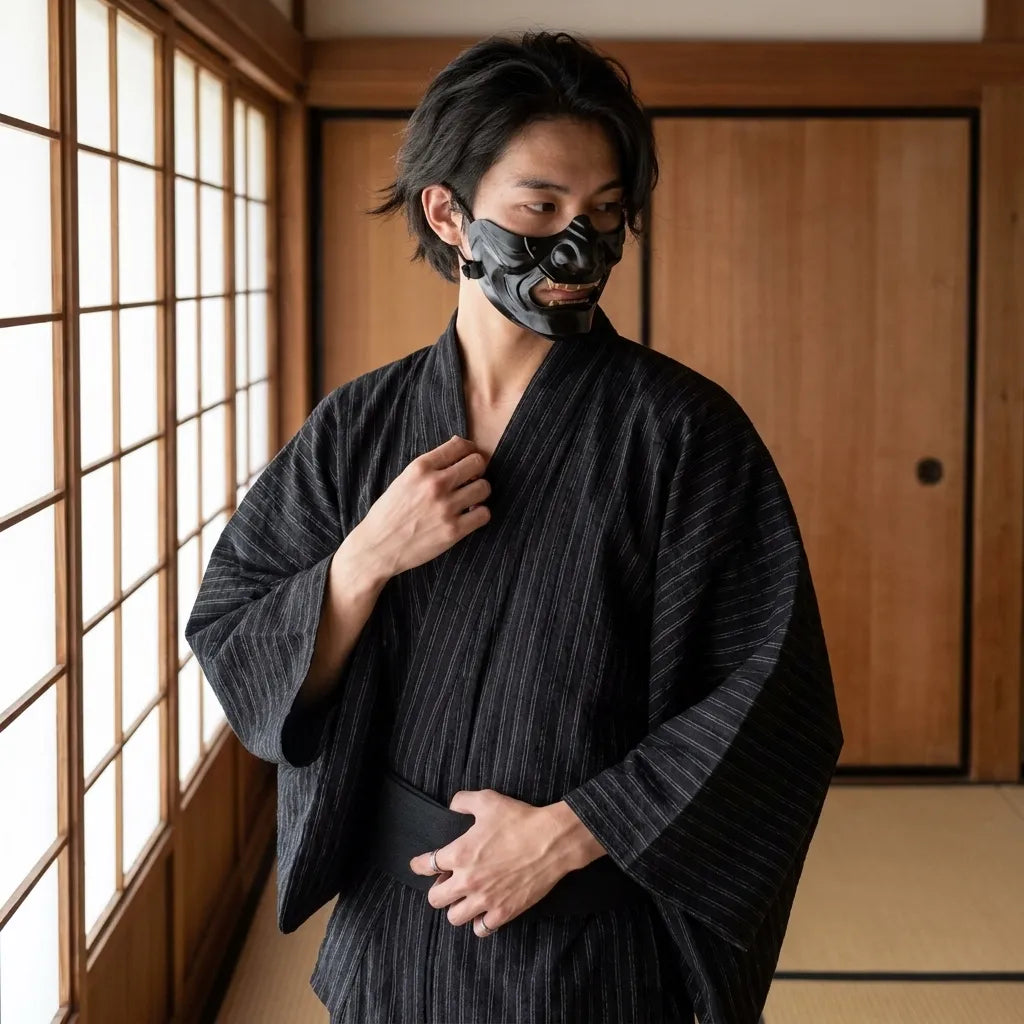
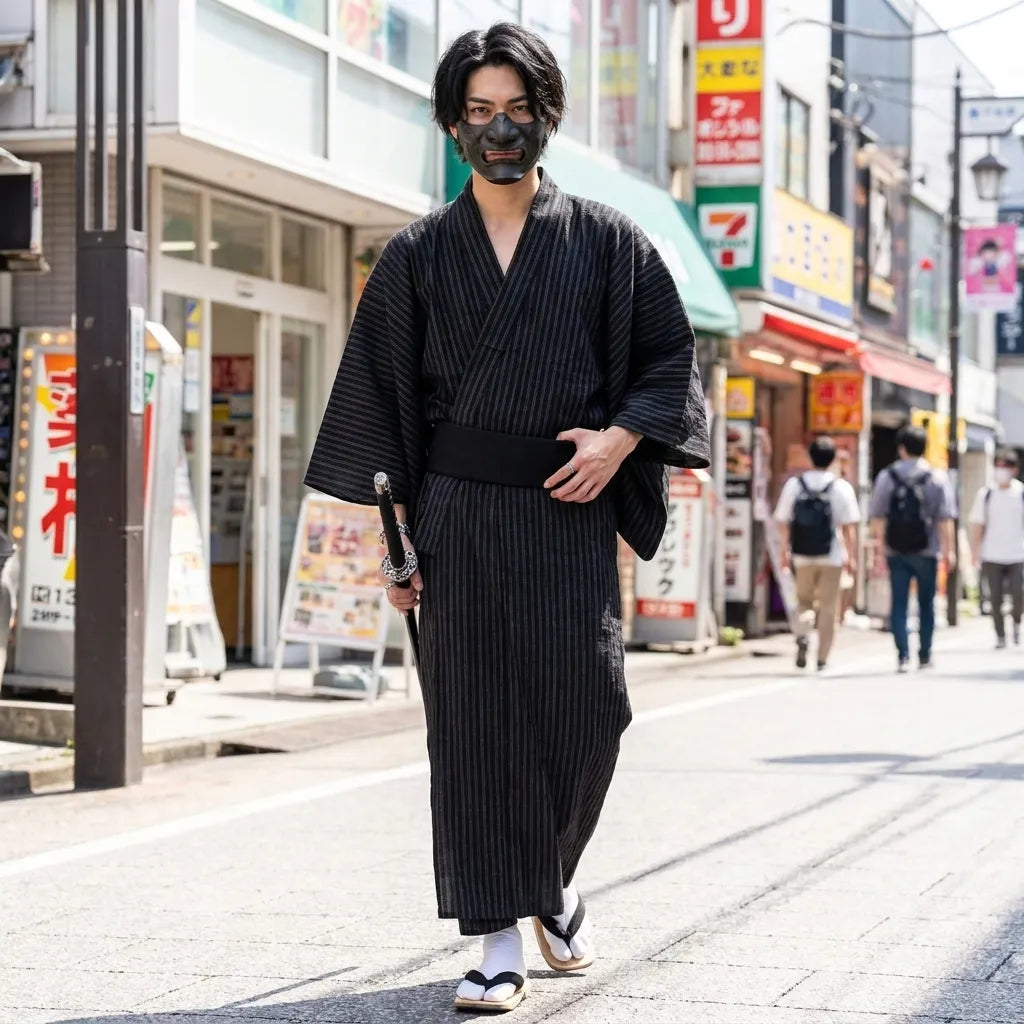
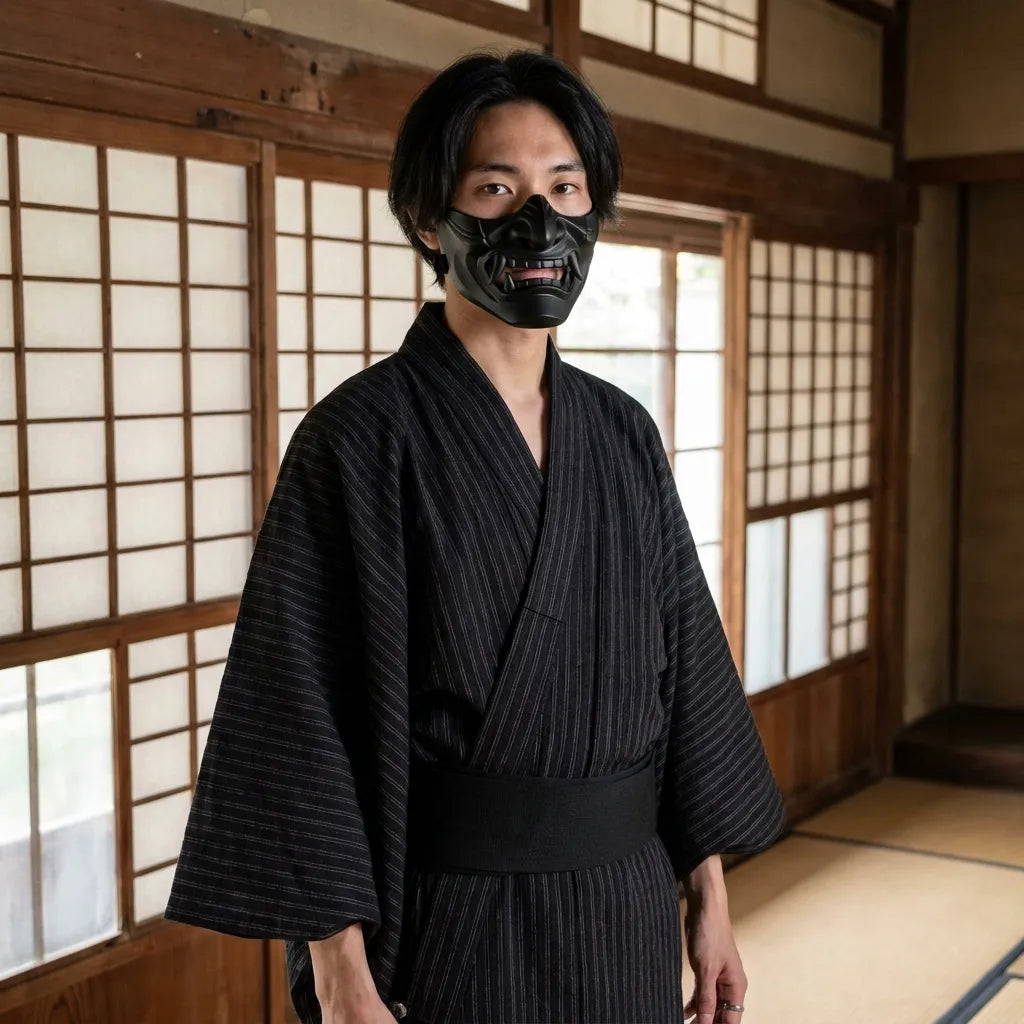


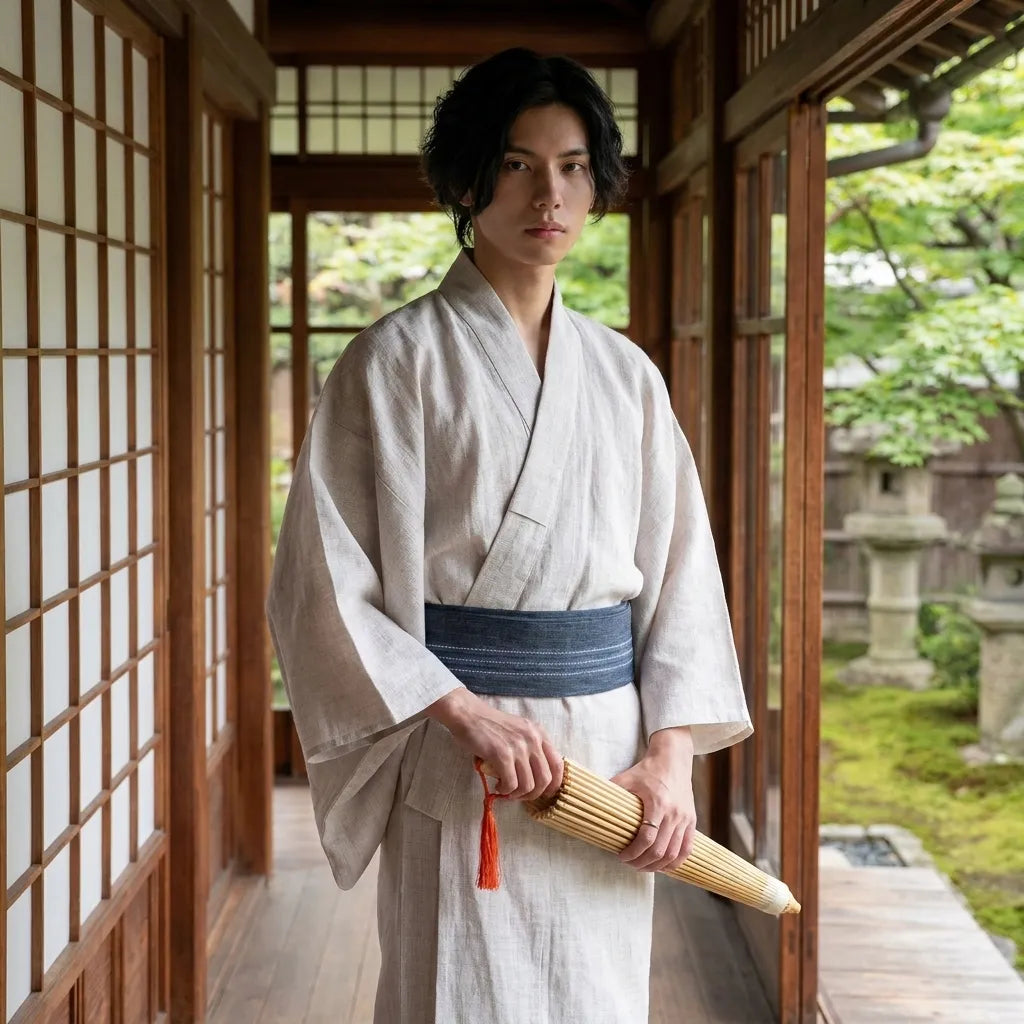
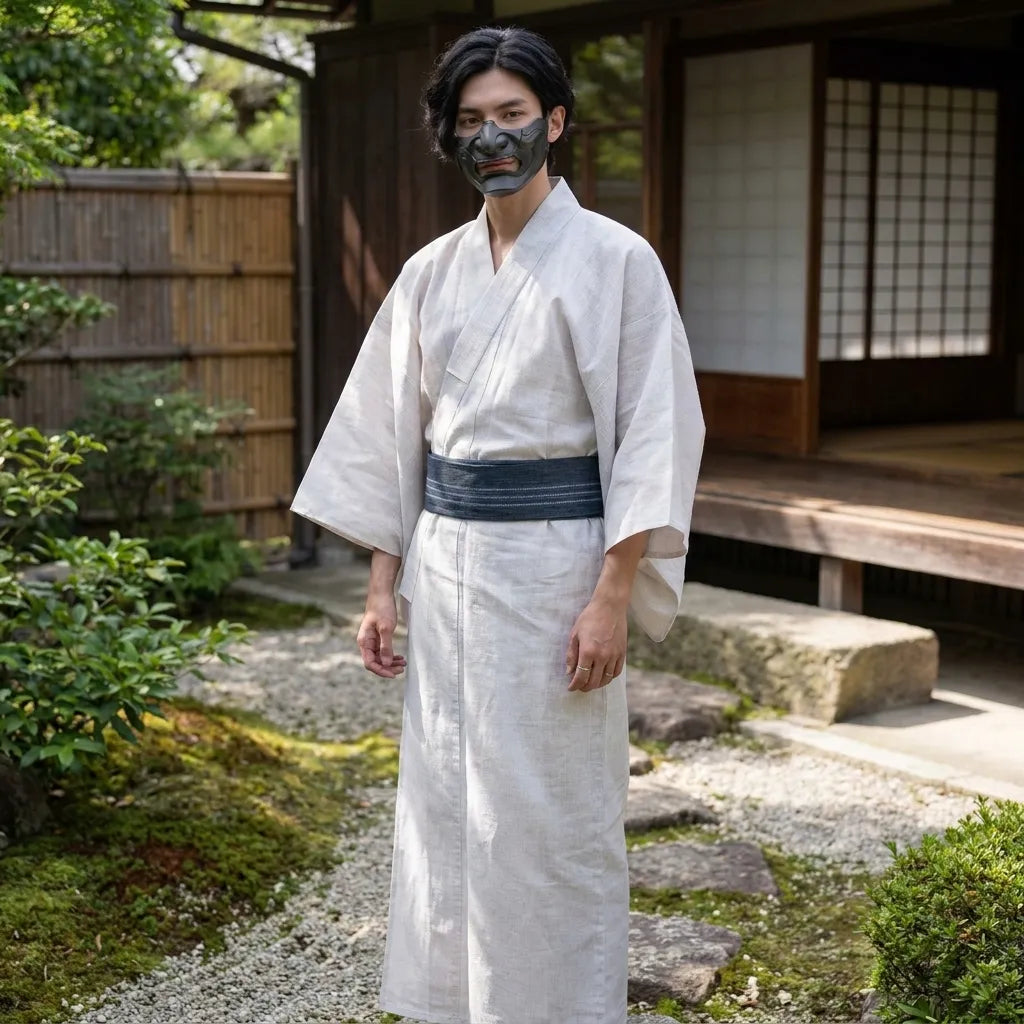

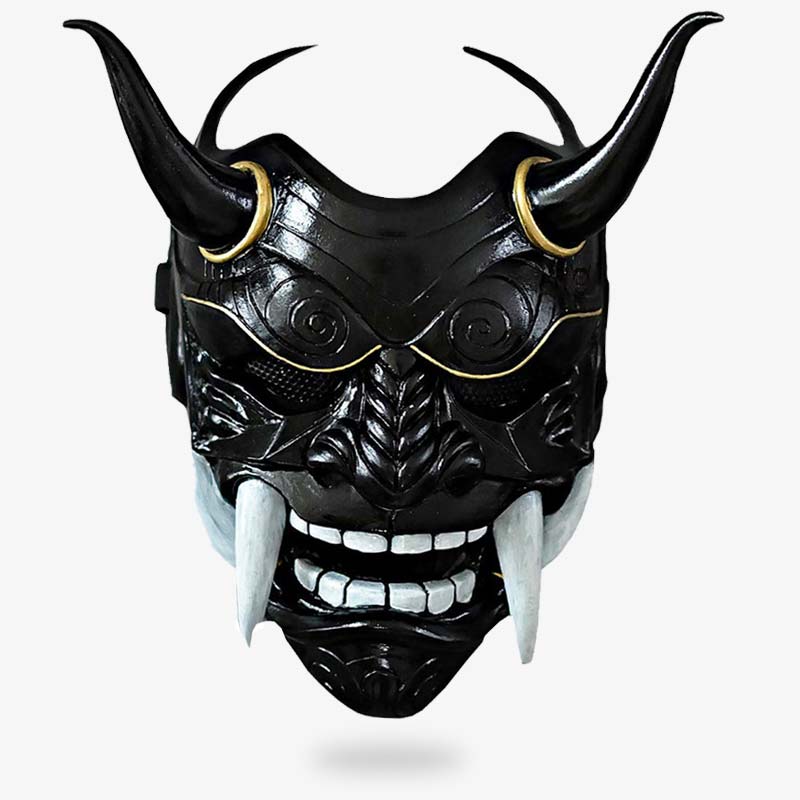
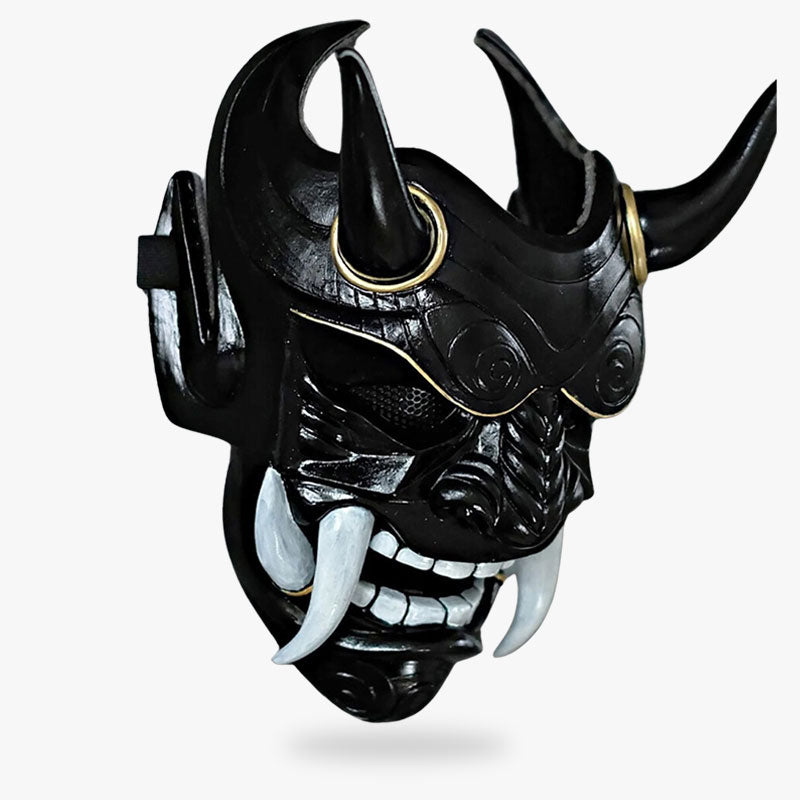
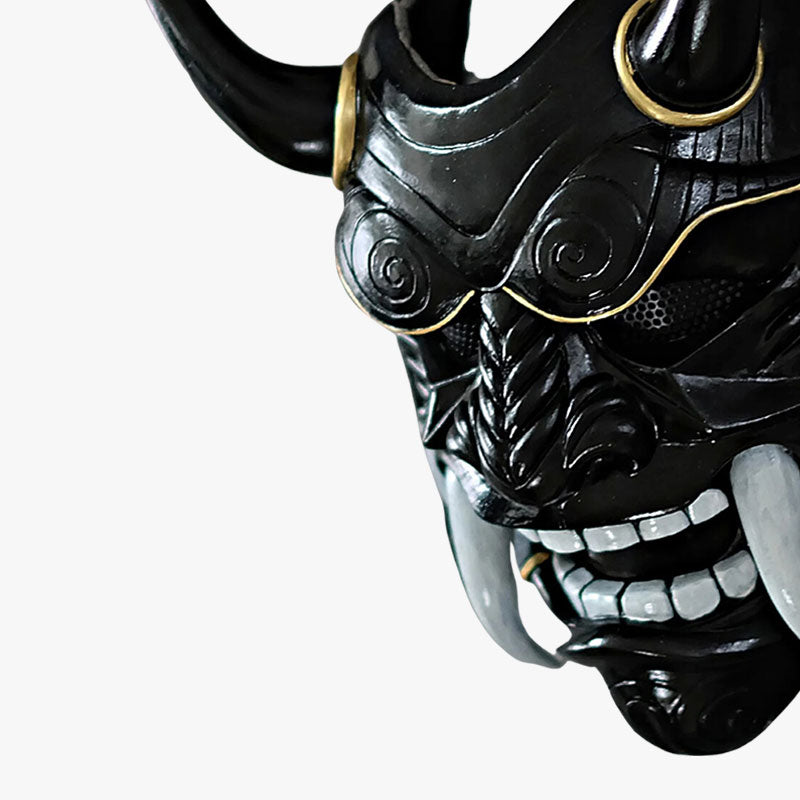
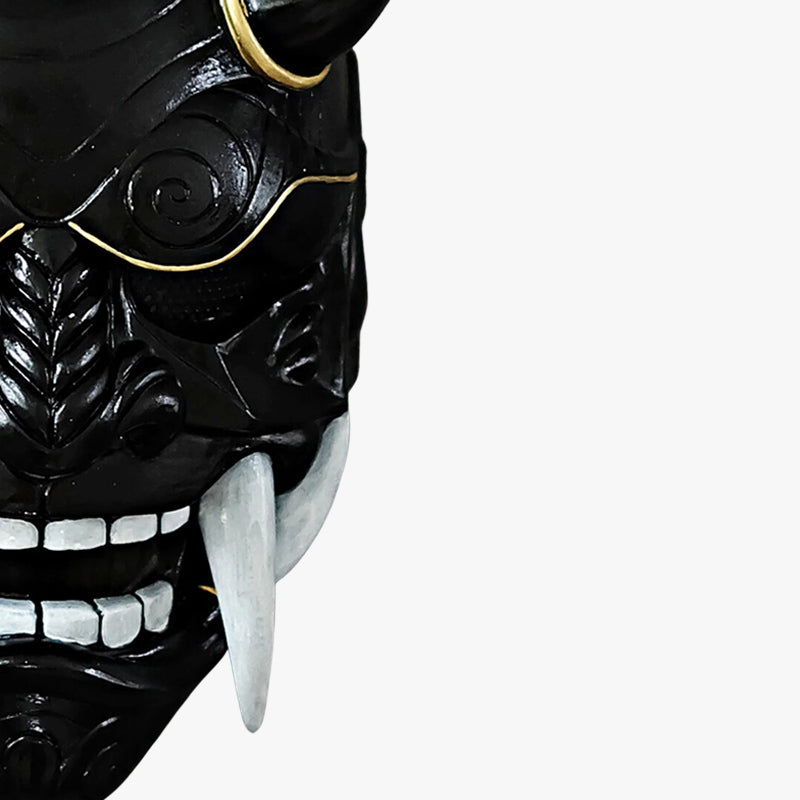
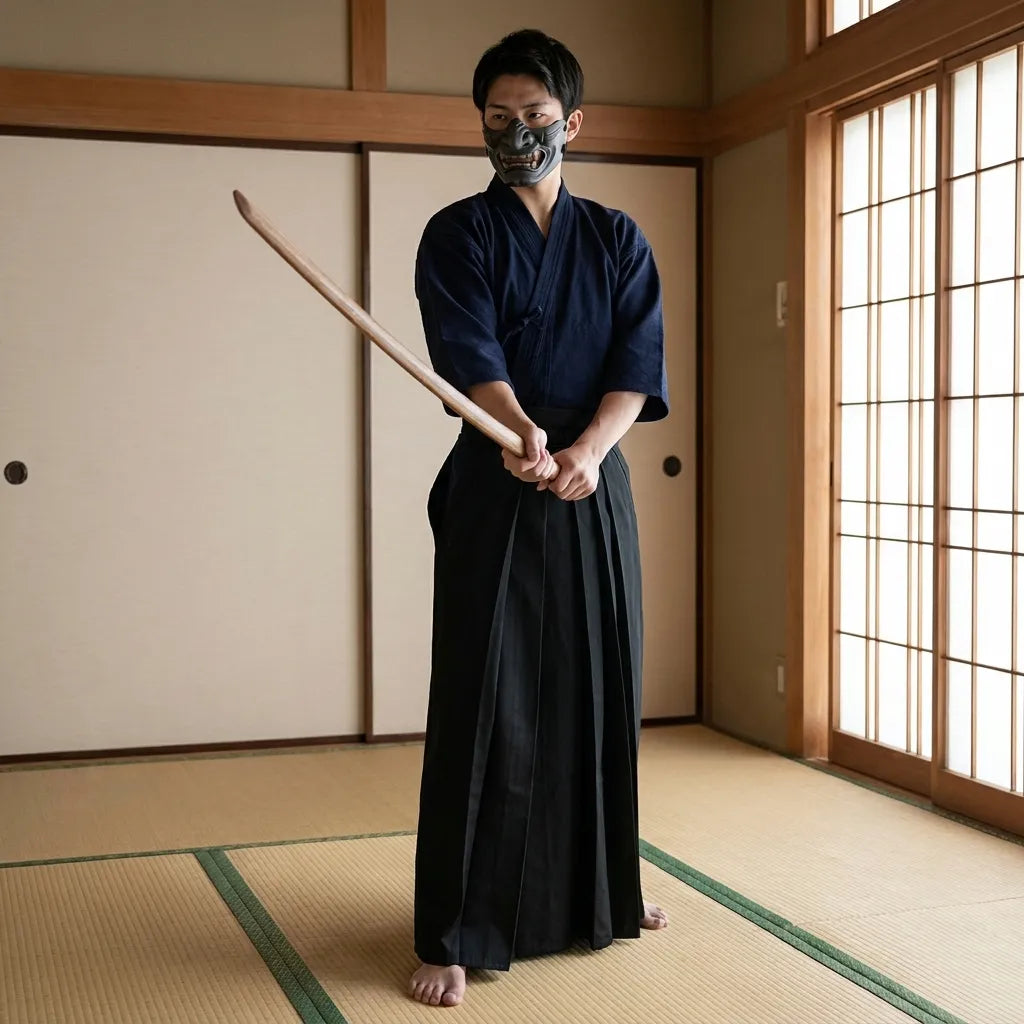





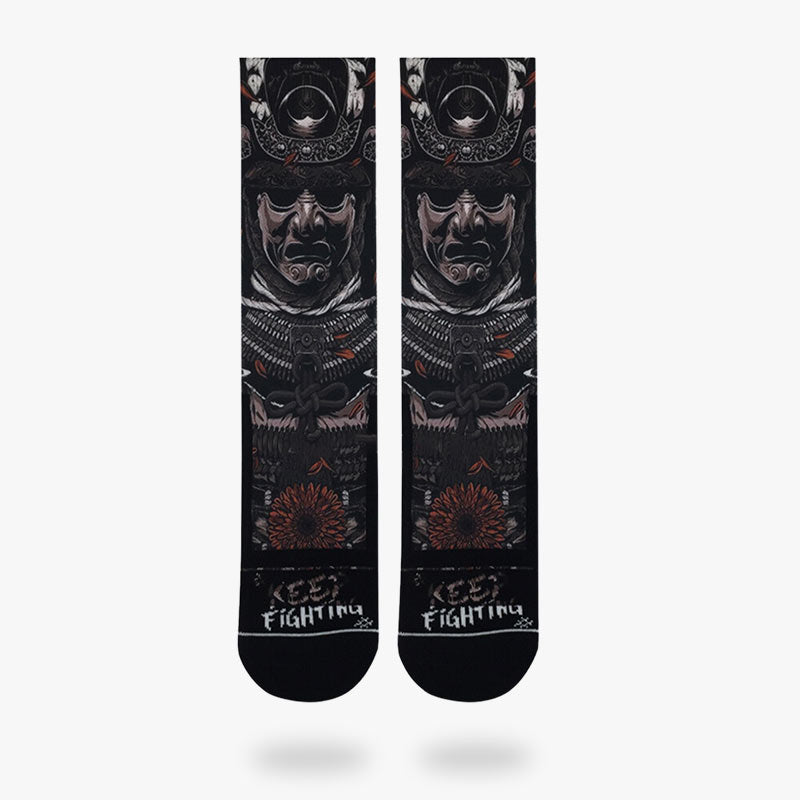


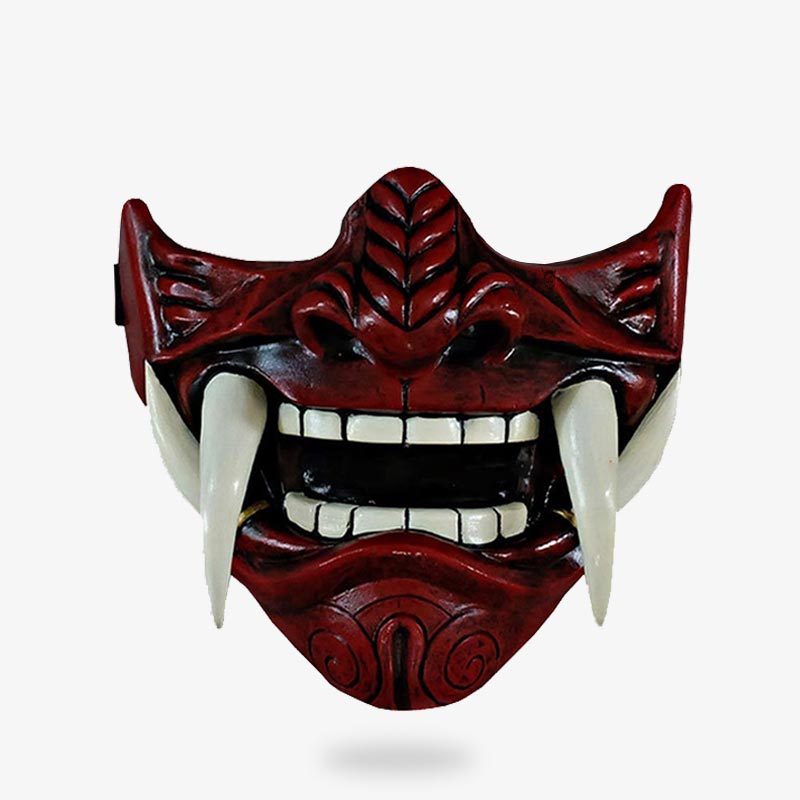
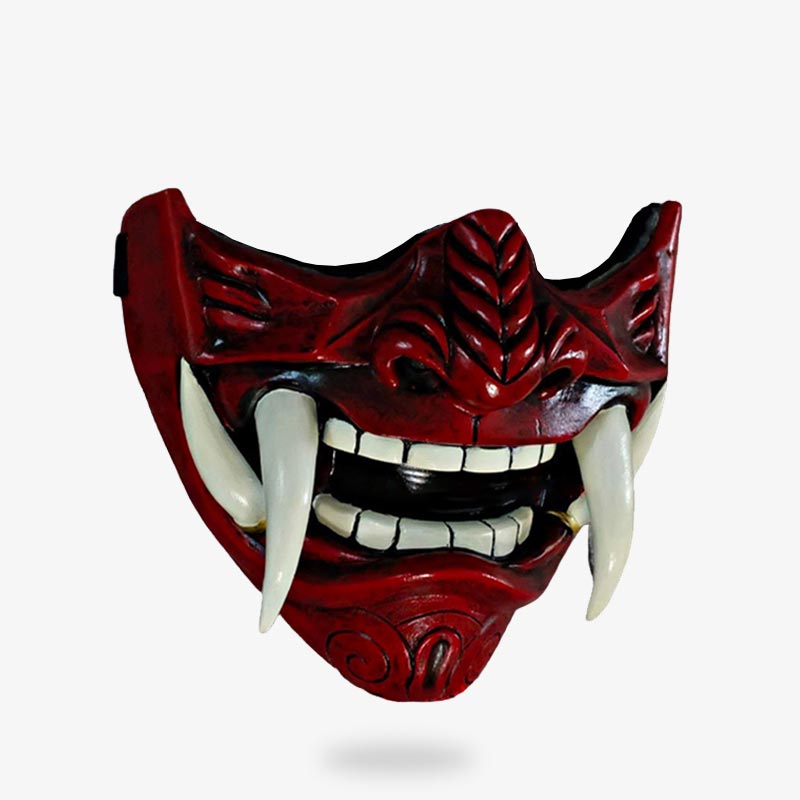


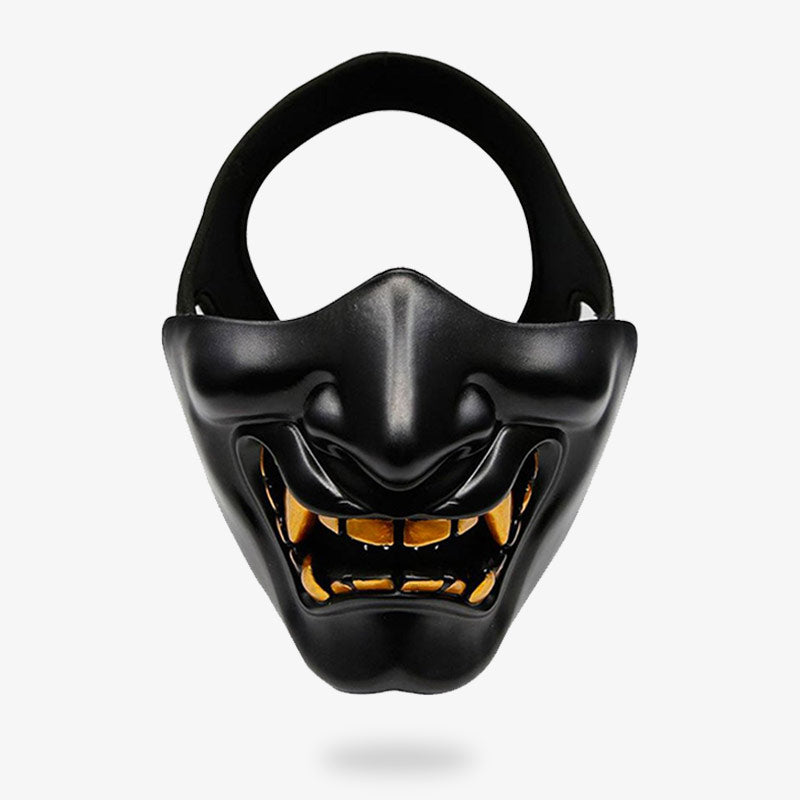
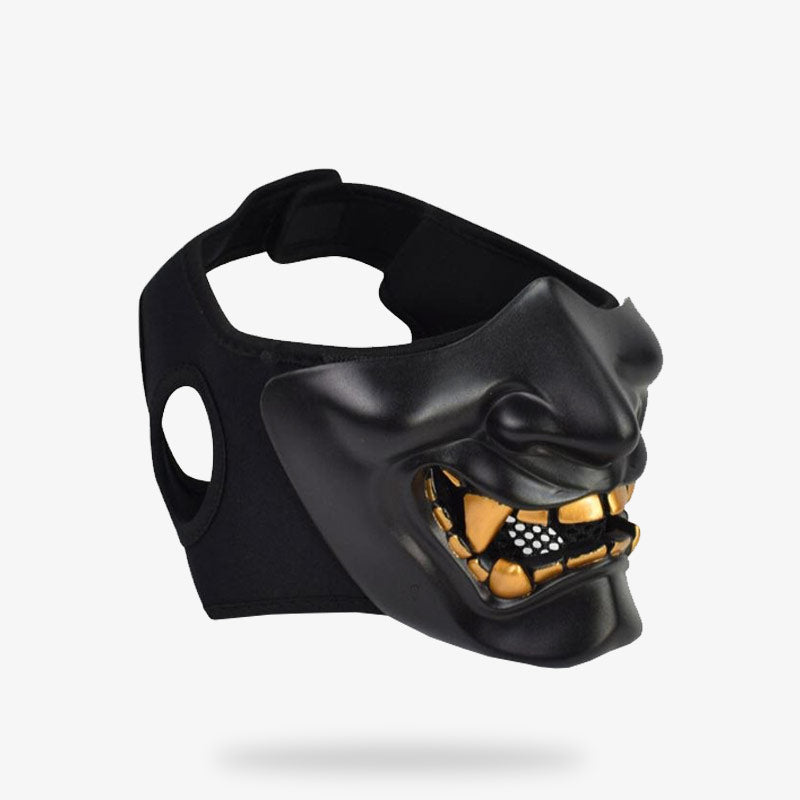


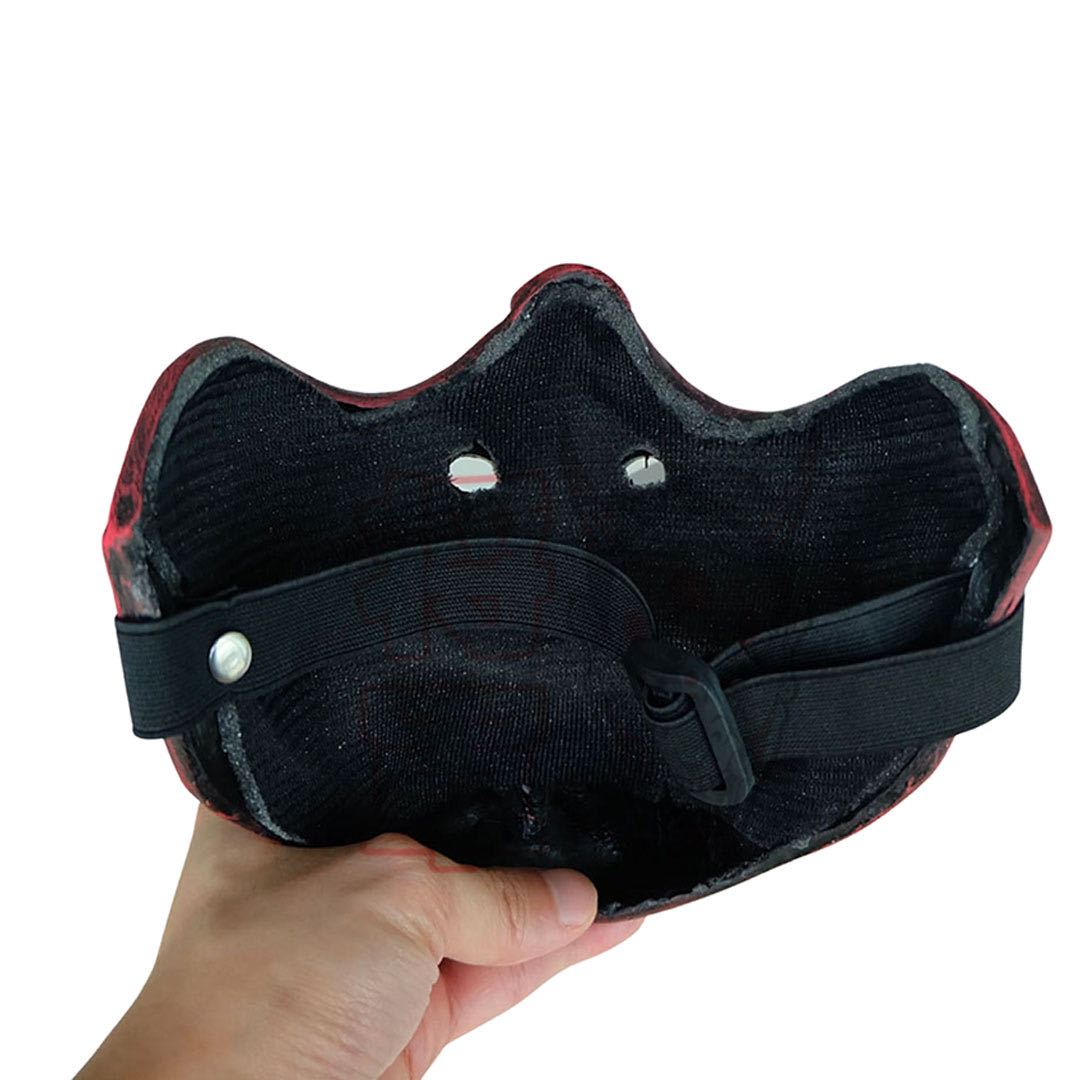
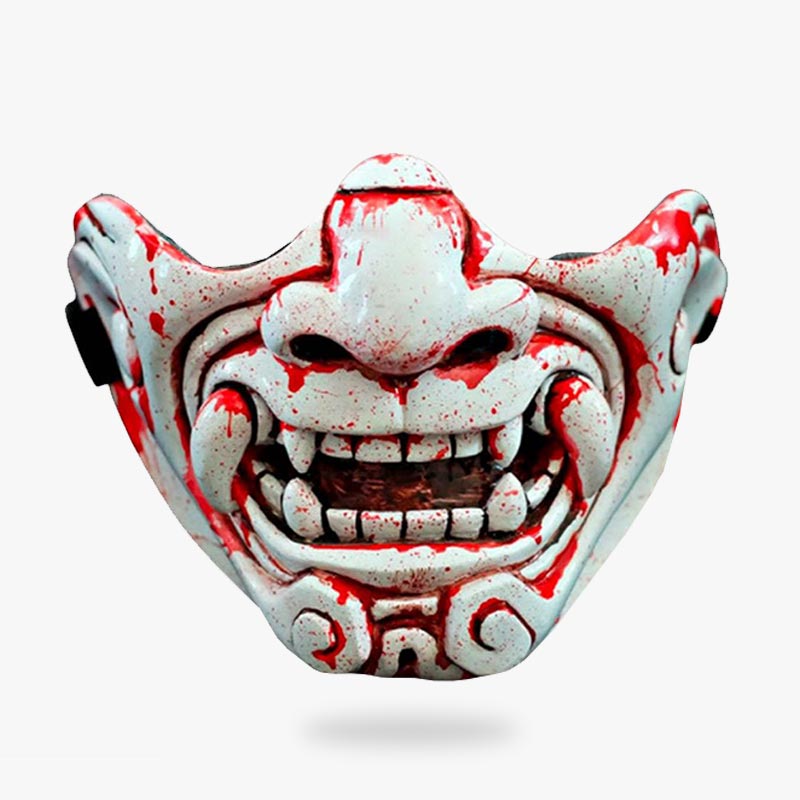
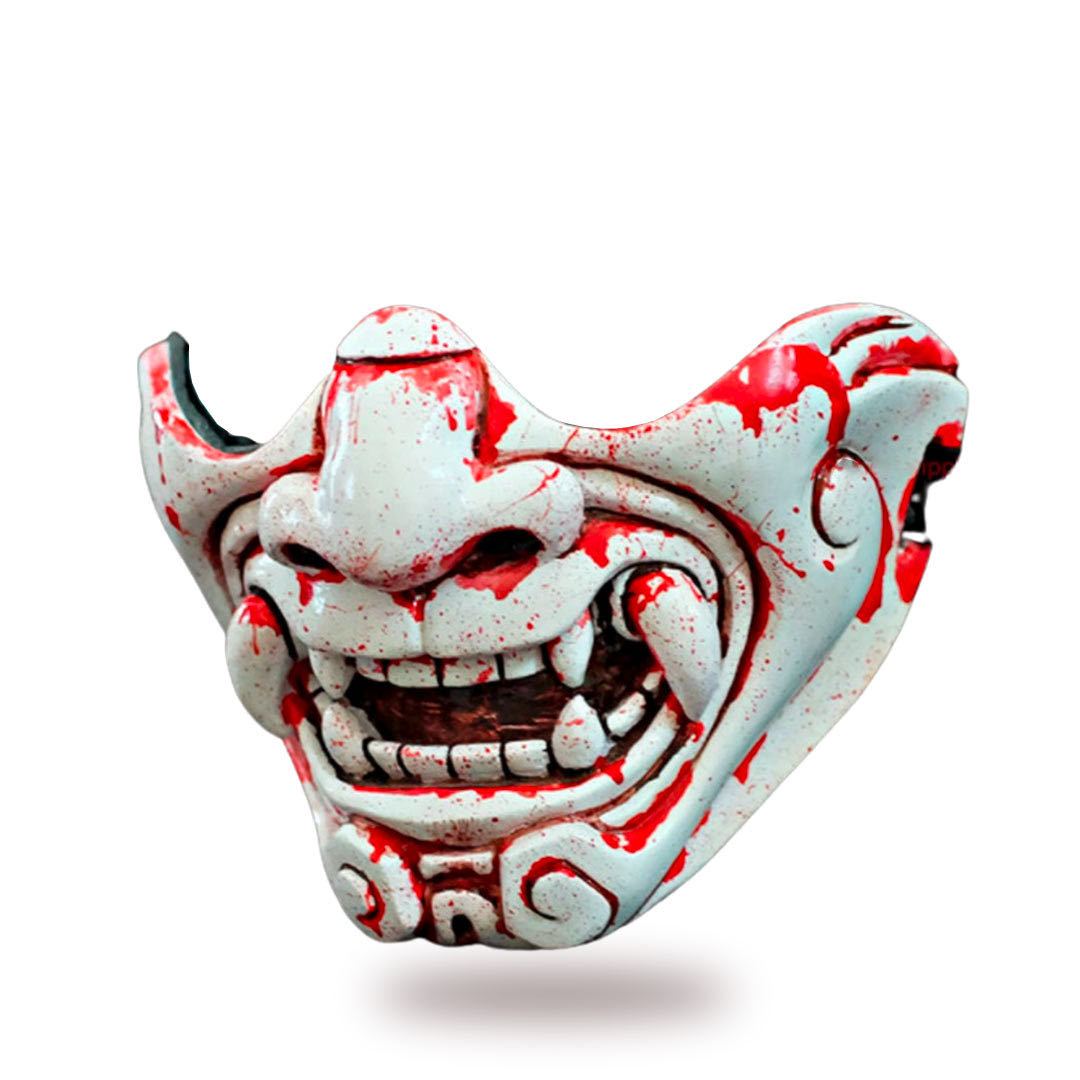
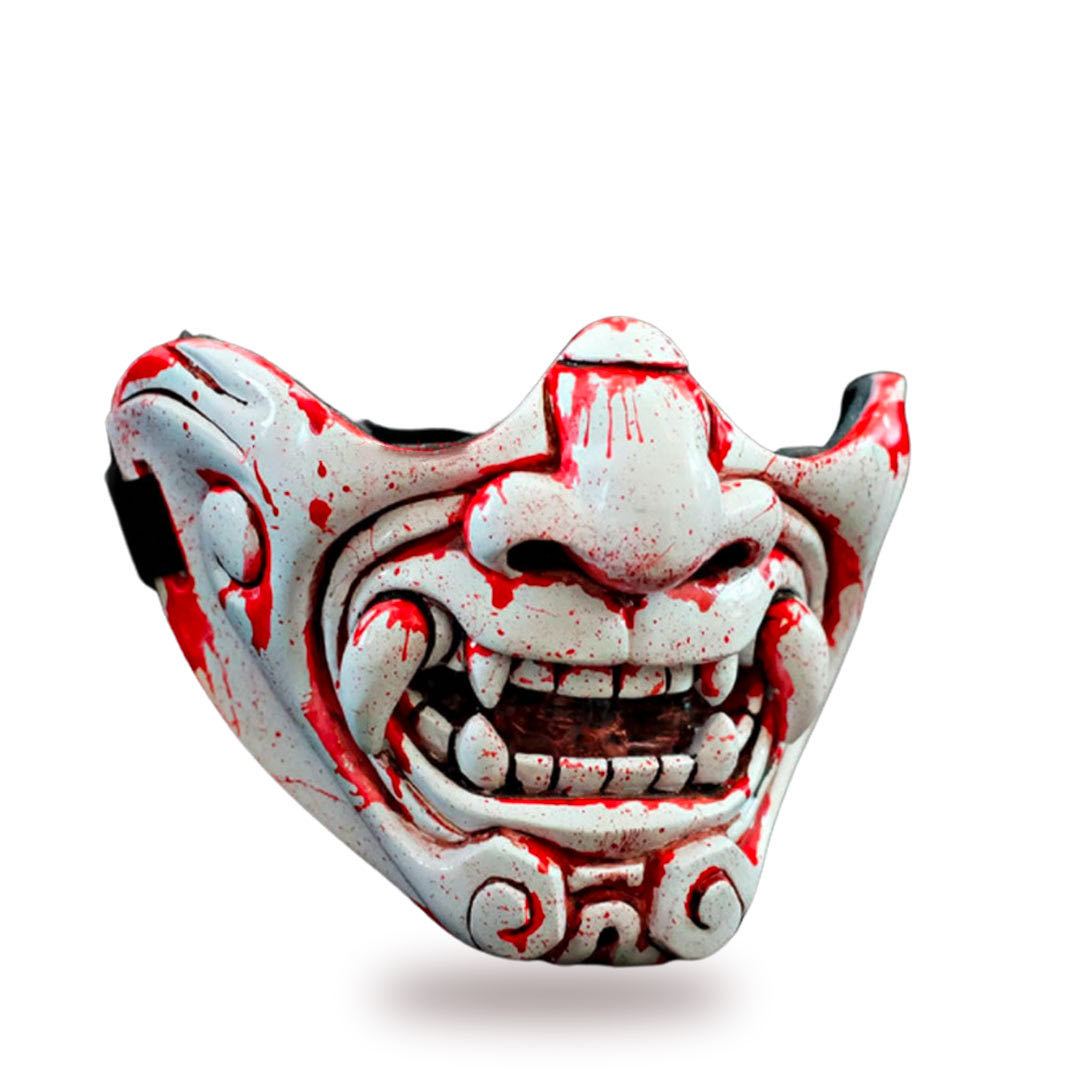
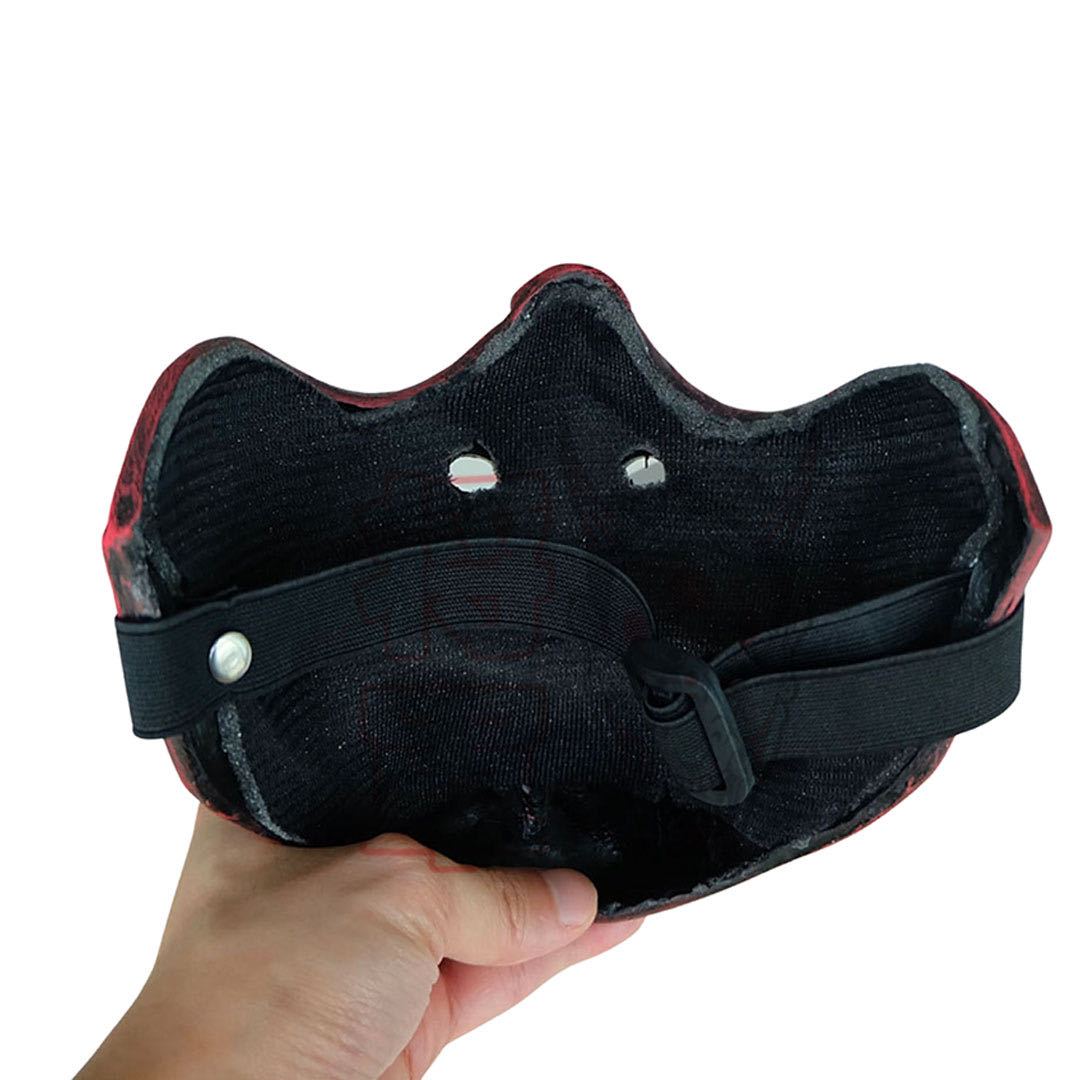
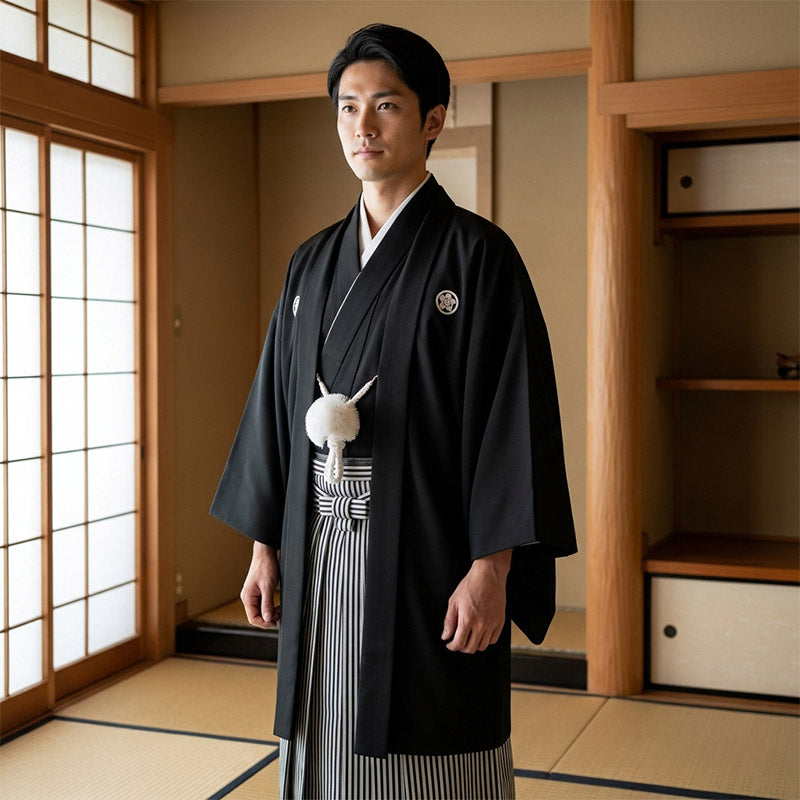
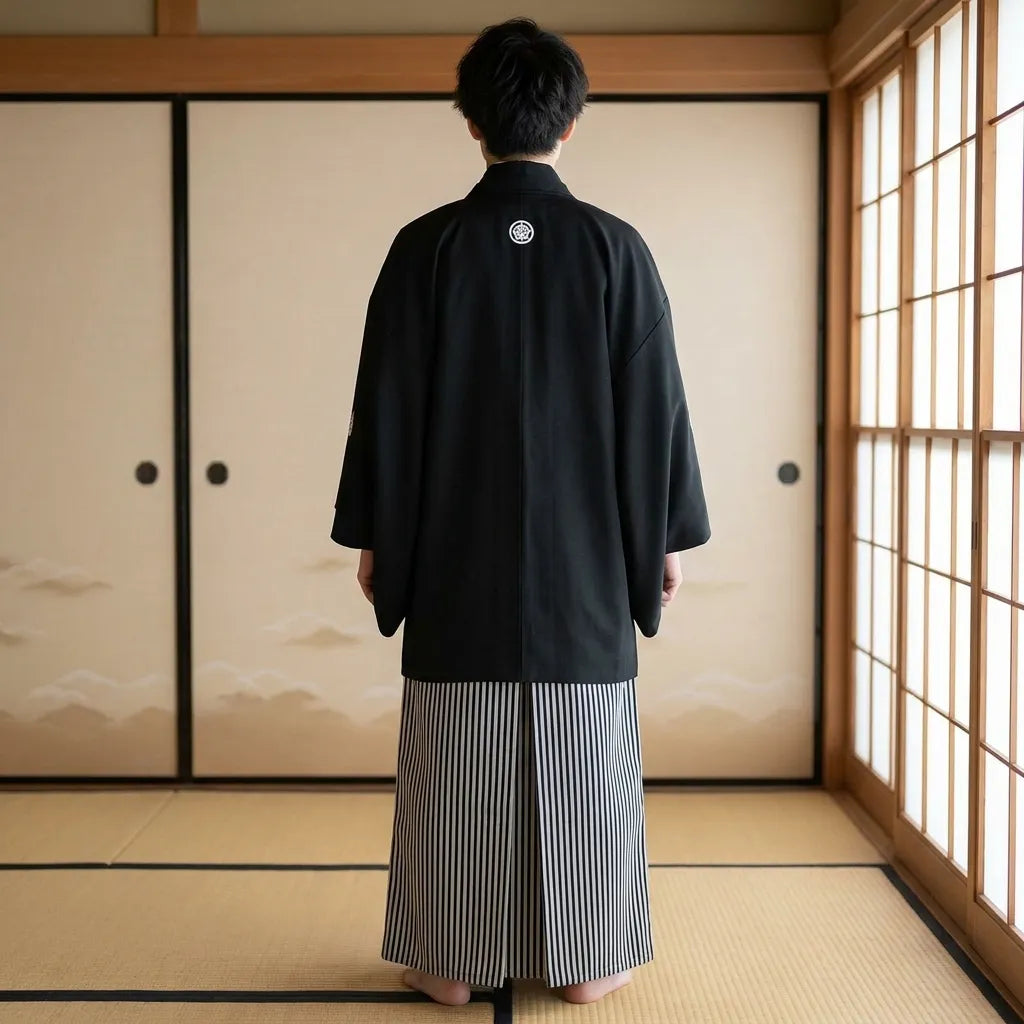
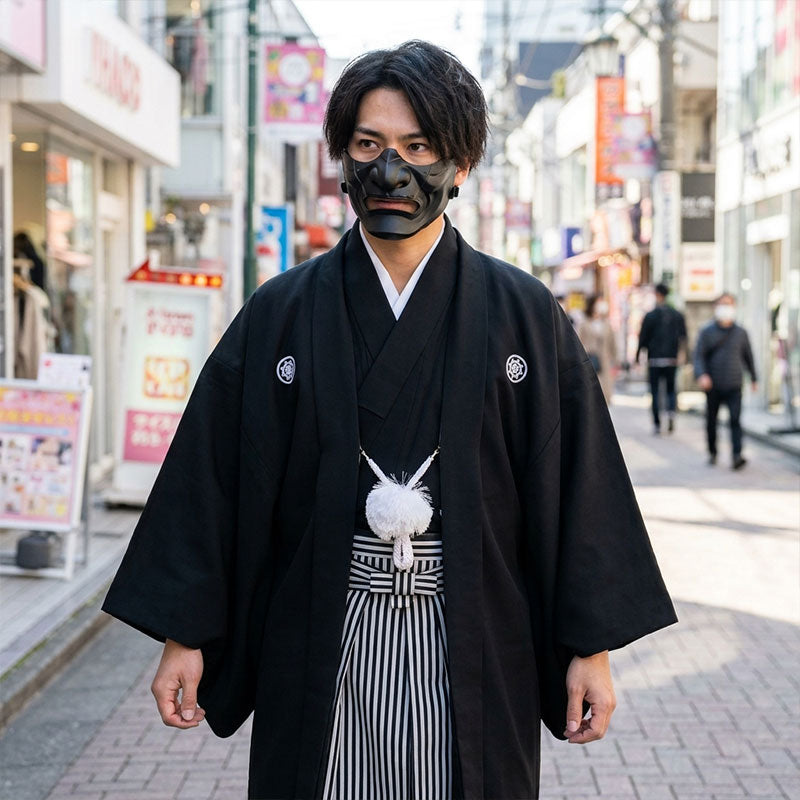
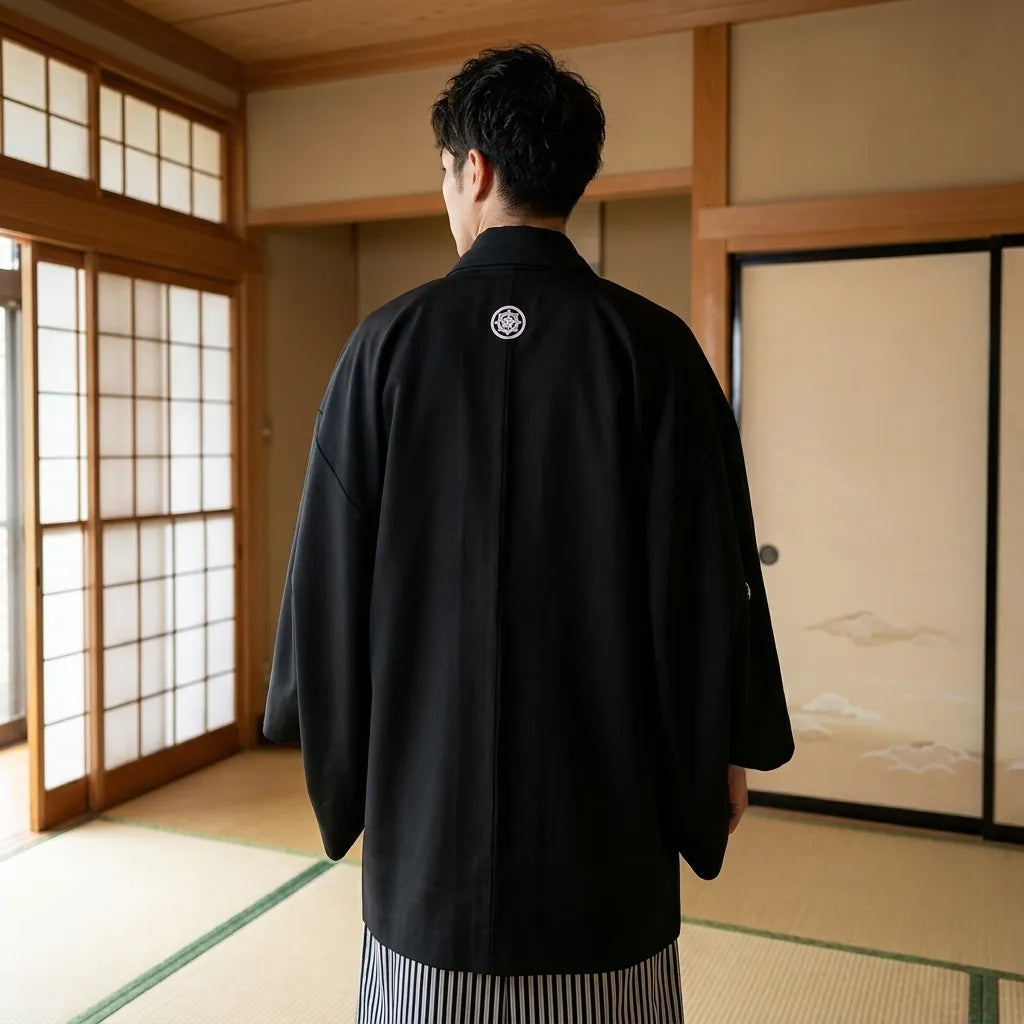
Samurai clothing brings together the garments and masks worn by Japan's warrior class, from the layered wafuku silhouette to the carved demon faces of the battlefield. This collection gathers men's kimono, black hakama, split-toe socks and half or full-face masks, so a full samurai outfit can be built piece by piece for a convention, a photo shoot or daily streetwear. For the mask side of the story, the Oni Mask collection goes further into the demon faces themselves.
Read more
What samurai clothing was made of
The bushi of feudal Japan dressed in layers. Under the armour came the kimono (\u7740\u7269, \"thing to wear\"), crossed left over right and held by a belt. Over it, wide pleated trousers gave the legs freedom in the saddle, and a jacket marked rank and family. What is called samurai clothing today keeps that structure without the armour: a long robe, a pleated bottom, split-toe socks, and a mask reserved for ceremony or intimidation. Each layer had a function, and that plain usefulness is exactly what makes the shape still readable now.
How to choose your samurai outfit pieces
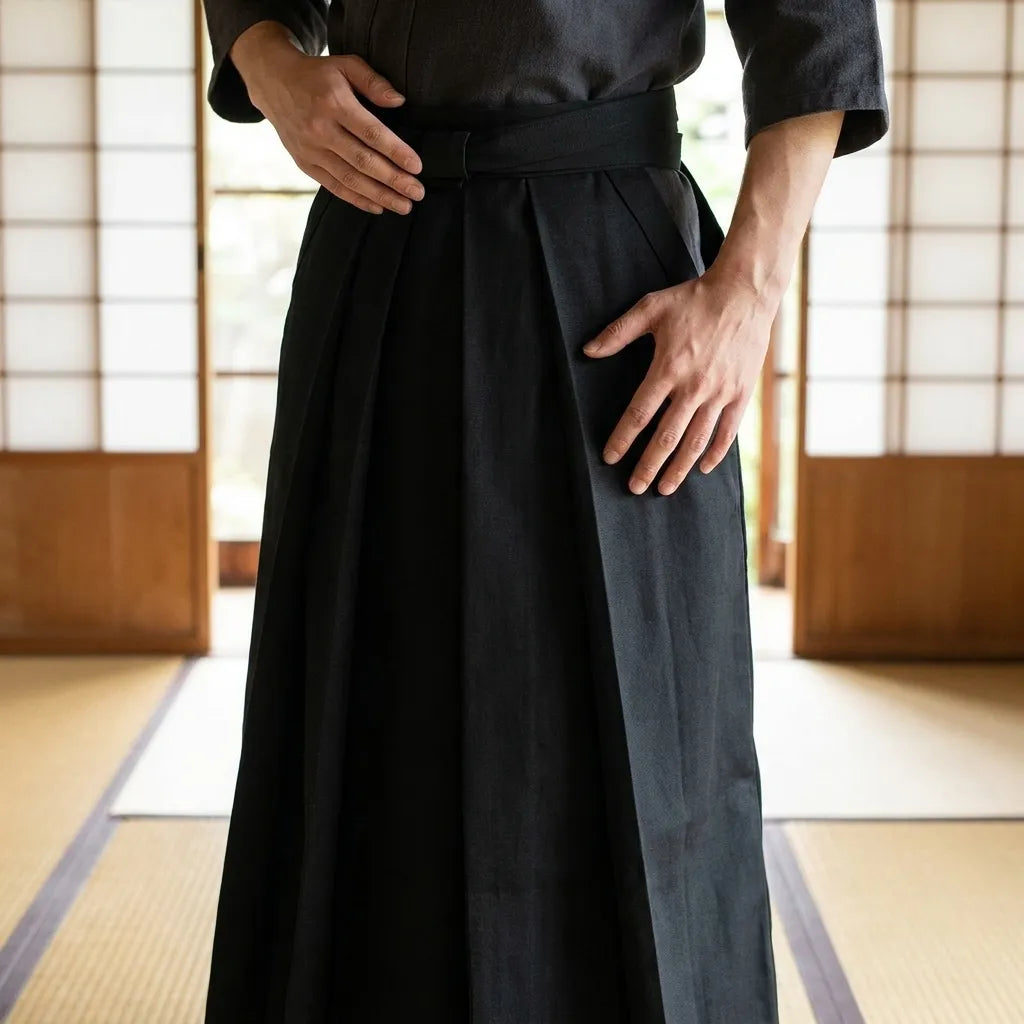
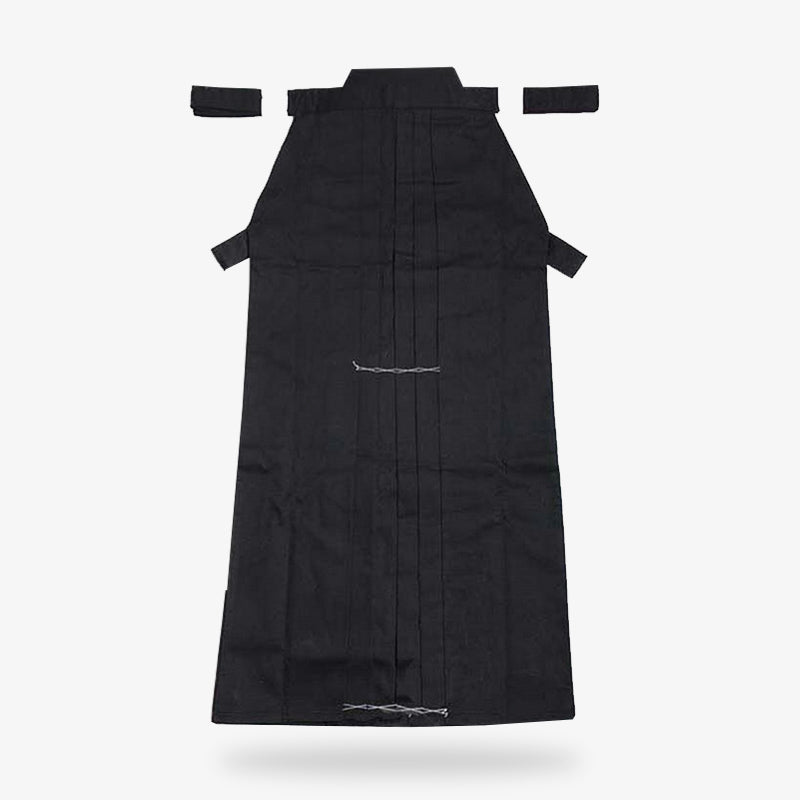
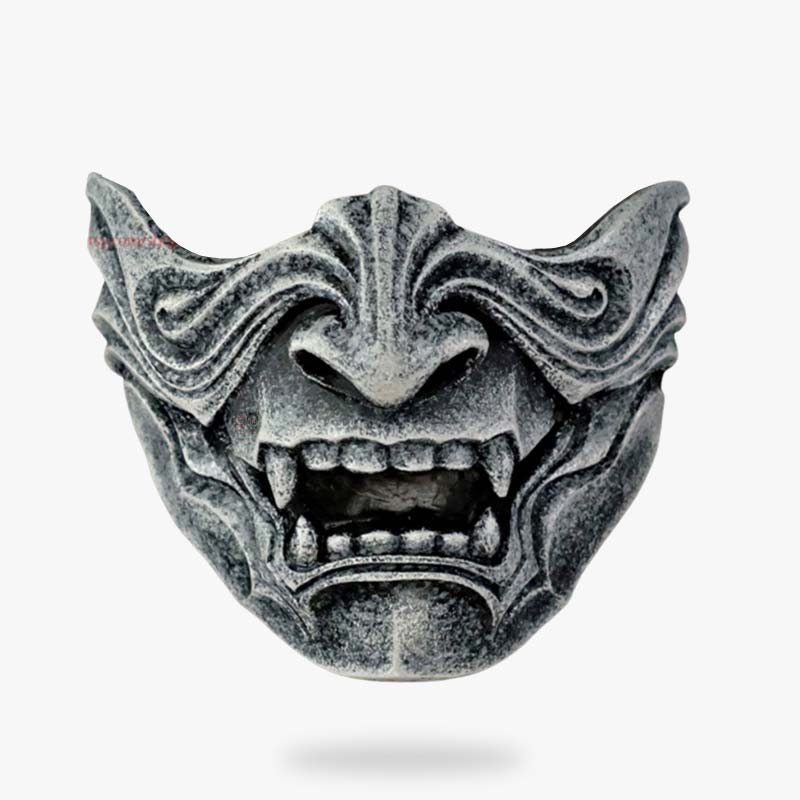
Start with the base. A men's kimono in black or white sets the tone, and a black hakama (\u8888, pleated wide trousers) adds volume below the waist. If you want one piece only, the robe alone reads clearly. If you want the full samurai kimono silhouette, pair robe and hakama, then close the waist with a belt. Masks work as the finishing accent: a half mask leaves the mouth free for talking and eating at a convention, while a full face piece makes a stronger statement in photographs.
Sizing deserves attention. Japanese sizes are roughly one size smaller than US and EU sizes, so a US medium usually corresponds to a Japanese large. Sleeve length and body width matter more than height on a samurai robe, since the garment is meant to hang loose and cross generously at the chest. When in doubt between two sizes, take the larger one.
Samurai clothing styled for today
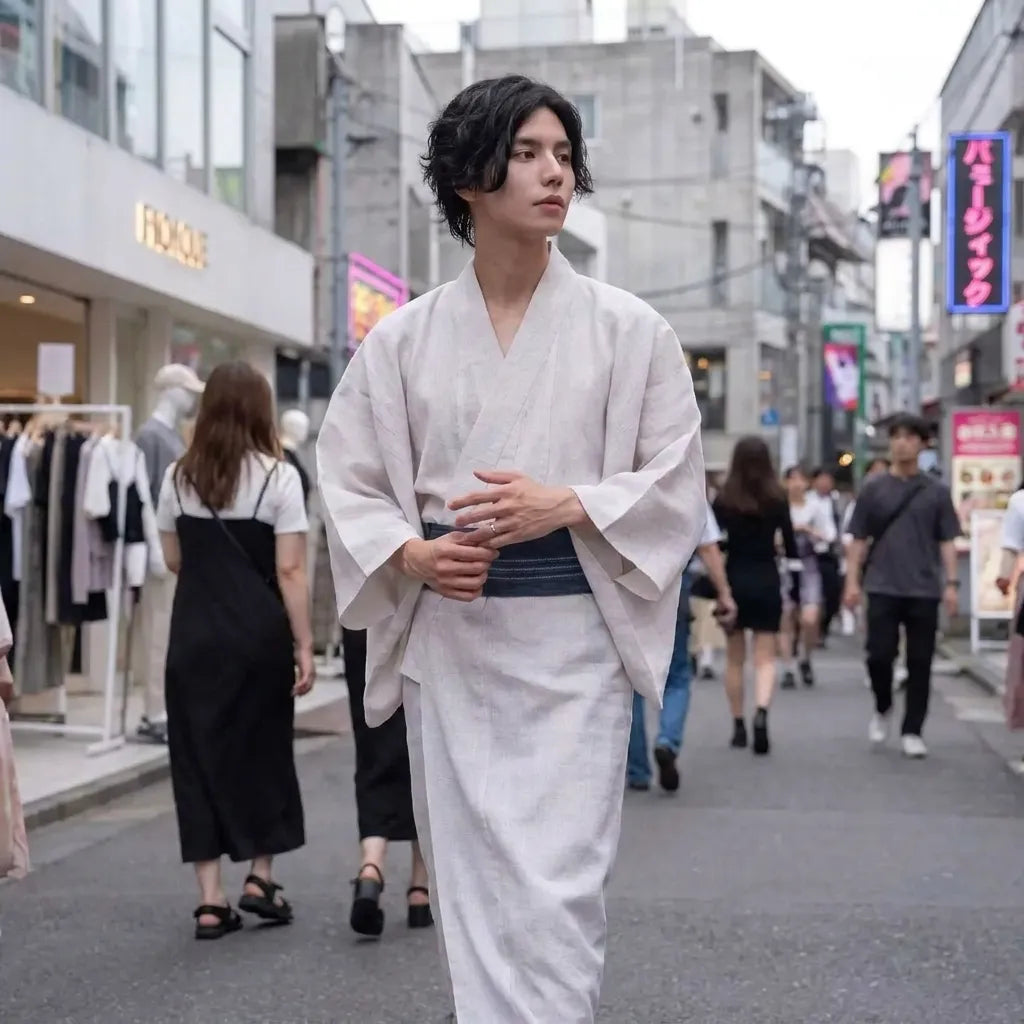
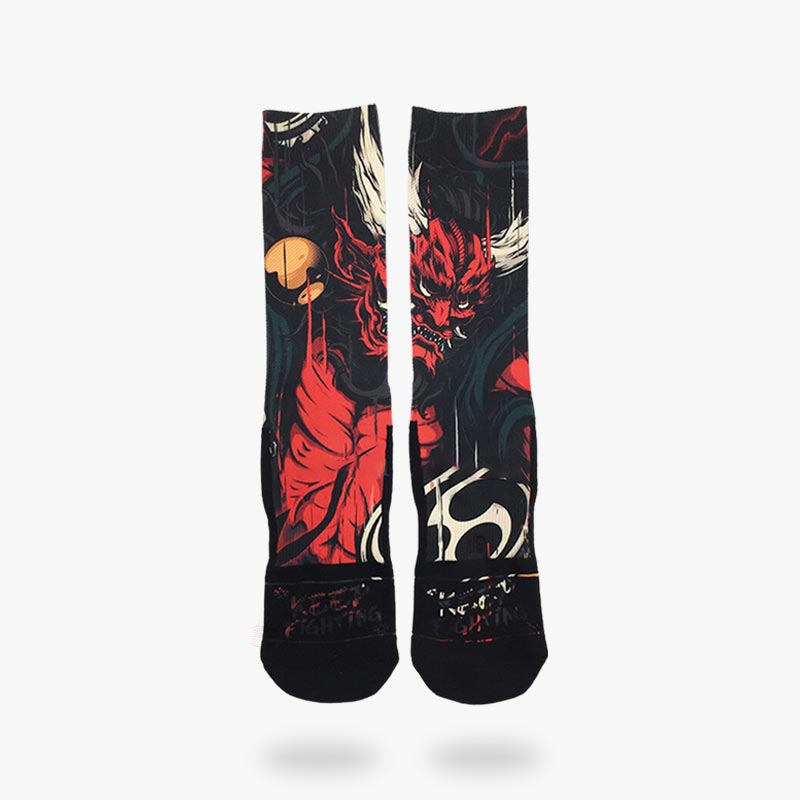
Nothing here needs to stay a costume. A black kimono over black jeans and a white t-shirt is the simplest bridge between eras. Hakama trousers work with a plain sweatshirt and low sneakers, keeping the pleats as the only detail that speaks. Split-toe socks in a Japanese print sit well with sandals or with the tabi look worn on their own indoors. Reserve the mask for events, cosplay, or hang it on a wall, where the bushi reference becomes decoration rather than outfit.
Craft and care of samurai masks and robes
Many of the masks in this collection are handcrafted by talented local artisans, painted by hand, so small irregularities appear from one piece to the next. That is the wabi-sabi principle guiding this selection: beauty that accepts the trace of the hand. Cotton robes take a cold gentle wash and air drying, away from direct sun. Wipe a samurai mask with a dry cloth and store it face up to protect the paint. Take your time choosing, layer by layer, and let the collection show you where your own samurai silhouette begins.