
Open a tankōbon for the first time and you turn the pages the wrong way. The back cover is the front. That small shock is the beginning of manga (漫画, literally "whimsical drawings"), and the first thing to understand after that is the audience system. The six main types of manga are shonen, seinen, shojo, josei, yuri and yaoi. They are not defined by the story, but by the reader the mangaka is writing for.
Like a work of fantasy, you will sometimes find magic, or a fantasy world. Manga are also inspired by real characters or refer to events or deities. The different types or genres of manga are defined according to the target that the mangaka wants to reach with his work.
Key points
- Manga types are demographics (age and gender of the target reader), not story genres.
- Shonen and seinen aim at boys then young men; shojo and josei aim at girls then adult women.
- Yuri tells love stories between women, yaoi between men; neither is automatically explicit.
- Any genre (horror, sport, romance, historical) can appear inside any demographic.
- Manga is read right to left, published chapter by chapter, then collected in volumes.
Here is a non-exhaustive list of the different types of manga we will see in this article:
- Manga Shonen
- Manga Seinen
- Manga Shojo
- Manga Josei
- Manga Yuri
- Manga Yaoi
But first let's have a look to manga meaning.
What is a Japanese manga?
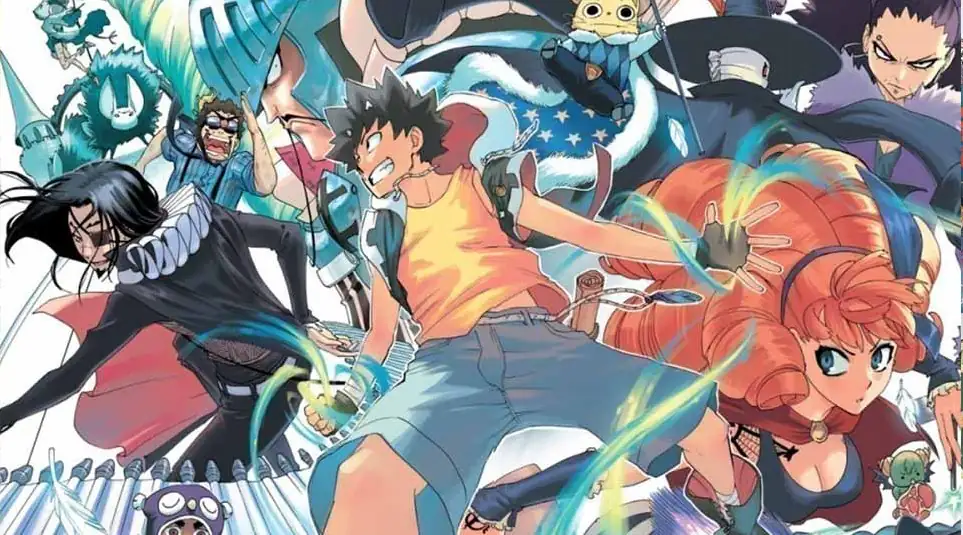
A manga is a Japanese comic book. Manga drawings are inspired by the Japanese society of today but also by Shinto myths and legends or Japanese folklore. Among the different styles, the most popular are shonen and seinen manga.
This art form has grown without interruption since the Second World War. The most famous series are followed by millions of readers around the globe. Life lessons, scientific fiction, teenage heart stories: the medium reaches every stratum of Japanese society.
Anime, kawaii cosplay, conventions and derivative products related to manga are now part of everyday culture in the US, especially among US otaku and gaming communities.
Japanese manga meaning
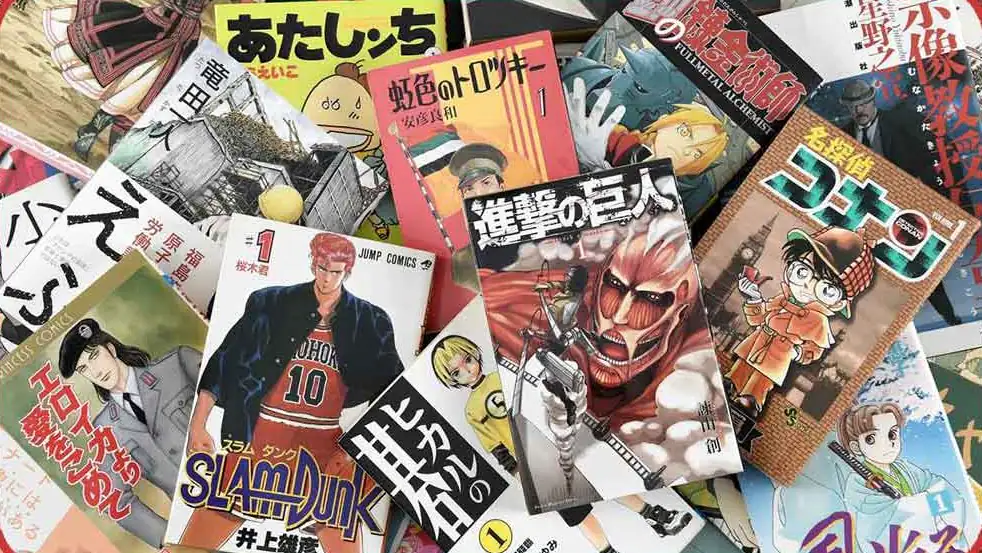
The term manga translates as sketch, or unfinished drawing. It defines all works, comics or graphic novels, published in Japan. These paper works often give rise to an anime, the animated adaptation of the story.
To learn more, feel free to read our article on the history of Japanese manga. Manga are written by mangaka, the most famous of whom are true stars in Japan.
The mangaka publish pieces of their stories on a weekly basis in specialized magazines. The bound volumes come out once the current arc has ended. Generally only the first plates, one or two pages, are printed in color. Unlike the Western reading direction, manga is read from right to left, and follows very specific narrative codes.
That right-to-left rhythm is also what fans carry into what they wear. When a customer asks me how to show a manga culture without a loud print across the chest, I point to a piece with the graphic ink of a plate rather than a licensed logo.

Now, have a look at the top 6 types of manga you need to know.
1. Shonen: teenage manga
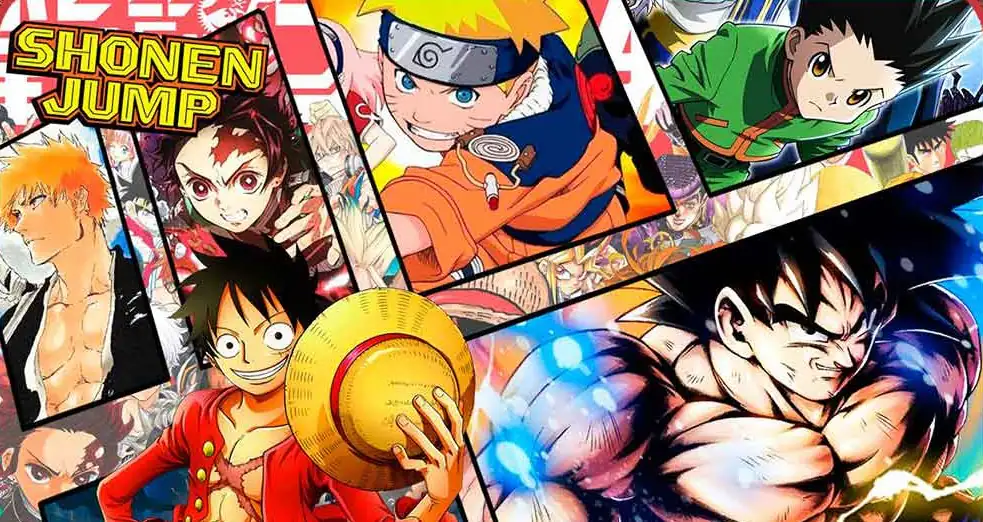
This type of manga features a central character who evolves over the course of the story as he or she tries to become stronger in order to achieve a set goal. The characters are often male. Friendship, camaraderie and family are at the heart of the story. There is usually a lot of action. Readers are for the vast majority teenage boys between 12 and 25 years old.
Dragon Ball: one of the works that popularized the genre all over the world, with more than 300 million copies sold.
Written by Akira Toriyama and launched in 1984, the story follows a little boy as he tries to collect the seven crystal balls called Dragon Ball, which once gathered can grant any wish.
Naruto: the story takes place in a world half modern and half feudal, where ninjas are at the heart of the narrative. Naruto is an orphan rejected by the inhabitants of his village because of the demon sealed inside him. He tries to become Hokage, the best ninja of the village, so that its people are forced to recognize his value.
Between secret techniques, perilous missions and fierce battles, the story follows this young ninja until his dream is realized.
Hunter x Hunter: Gon is twelve years old and is trying to become a Hunter. Hunters are allowed to do almost anything by presenting their licence card. Gon's father, Ging, whom he does not know, is considered one of the best hunters of all time. Gon enters the hunter world to find him, and to reach his own dream.
Bleach: Ichigo is a 15-year-old high school student unlike any other. Since he was very small he has been able to see and touch the souls of the people around him. One day a hollow, an evil creature, comes to take the souls of his family. He is saved by a shinigami (Japanese god of death).
During the confrontation the shinigami is injured, and Ichigo is forced to take her powers and become a shinigami himself to protect his family from the hollow.
2. Seinen: young adult manga
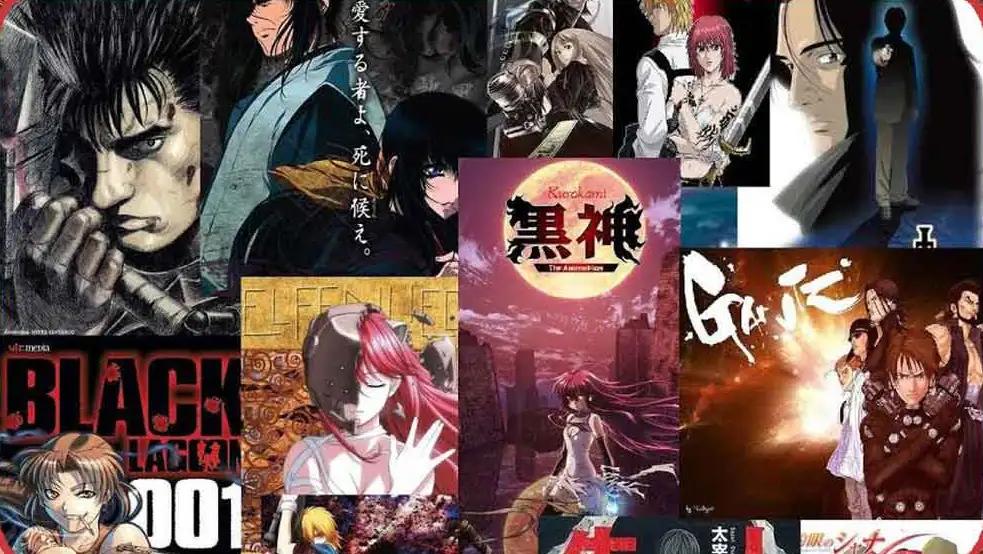
Seinen are manga for young adult men. The audience runs roughly from 20 to 35 years old. The fiction is more adult, more pragmatic and more serious than in shonen. Themes often echo the history of the Japanese archipelago or the real world: wars, conflicts, geopolitical issues.
Btooom: Ryota Sakamoto is a video game enthusiast, one of the top ten world players of a game called Btooom. He is kidnapped and dropped on a deserted island. Lost in the middle of nowhere, Ryota realizes that to survive he must follow the same rules as his favourite game. Kill or be killed, in a battle royale full of risk.
Berserk: a particularly raw manga that deals with very dark themes present in our societies today. Violence is an integral part of the work. We follow the sombre adventures of the warrior Guts, who battles monsters and apostles throughout the story. Many manga experts consider it a masterpiece every fan should read. The setting is medieval, with a touch of fantasy.
Shingeki no Kyojin or Attack on Titan: like Berserk, this work connects with many evils of our modern societies. Hajime Isayama speaks of the scourge of armed conflict. Japan is a country that inflicted great harm in the past, for instance the invasion of China, and that also suffered greatly, for instance the atomic bombings.
At the beginning, the audience supports the very controversial character Eren Yeager. The more the narrative progresses, the harder it becomes to know who the villain is. Who started it? Who is responsible for the conflict? Should we forget the past or honour the memory of the dead?
Lone Wolf and Cub: this manga deals with violence in the samurai world. The story follows a father and son seeking revenge for an unfounded disgrace. Relatively violent and faithful to the reality of the time, it is known for its brutality. Fighting, assassination and murder under a code of honour make it a true reference of the seinen type.
Readers who love this samurai register often want the aesthetic at home as well: ink lines, muted paper, a single framed plate above a desk. The same logic guides our Japanese decor selection.

3. Shojo: manga for girls
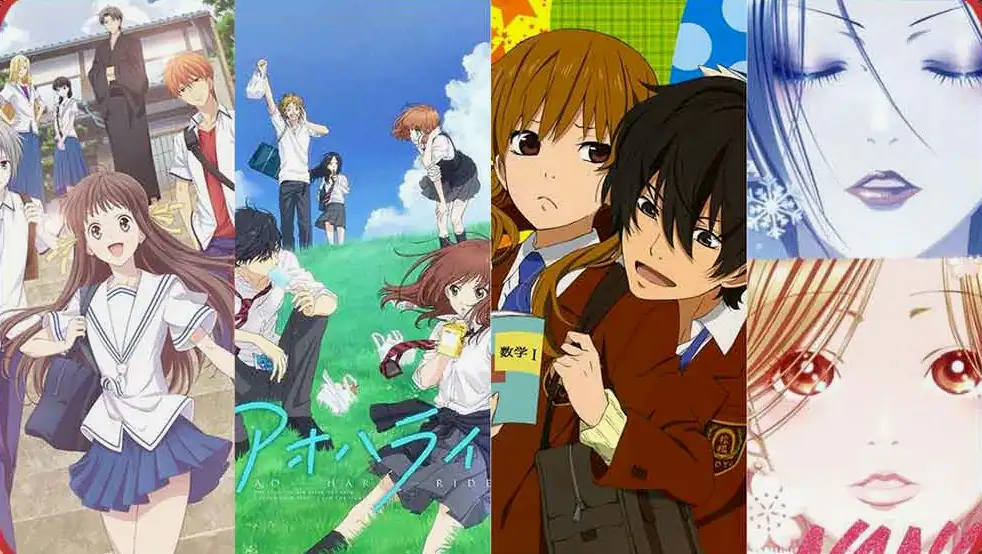
A shojo manga is literally a manga for girls. The genre stands opposite shonen, and the target audience is mainly teenage girls. Shojo explores the complexity of social relationships as a whole. Calling these works romance manga is reductive. Shojo also deals with the emotions one feels towards others, whether friendship, empathy or affection. Remember that genres and types of manga are two different things.
You can find horror shojo works or crime shojo works.
Nana: Nana is the first name of the two main protagonists, Nana Osaki and Nana Komatsu. They are two young women in their twenties who meet on the train to Tokyo. Both are looking for an apartment in the capital, so they share one and form a close friendship.
Vampire Knight: the story of Yuki, a young woman attacked by a vampire on a winter night. She is rescued by another vampire named Kaname. Ten years later, Yuki has grown up and works as a guardian at Cross Academy, a school with a vampire class.
She was taken in by the headmaster and is in love with her saviour, the handsome Kaname. However, humans and vampires do not trust each other, and the hard-won peace of the academy is about to break.
Maid Sama: the story takes place in a high school where students are mostly male. Ayuzawa Misaki is the class representative and main protagonist. She enforces military discipline on the premises. Feared by the boys and loved by the girls, Ayuzawa has only one rival, Usui Takumi, the perennial class leader.
Despite her energy, beauty and kindness, she hides a secret. She is poor and lives in a dilapidated house. To cope, she works at a café after class and tries hard to hide her double life, until Usui catches her at work.
4. Josei: manga for young women
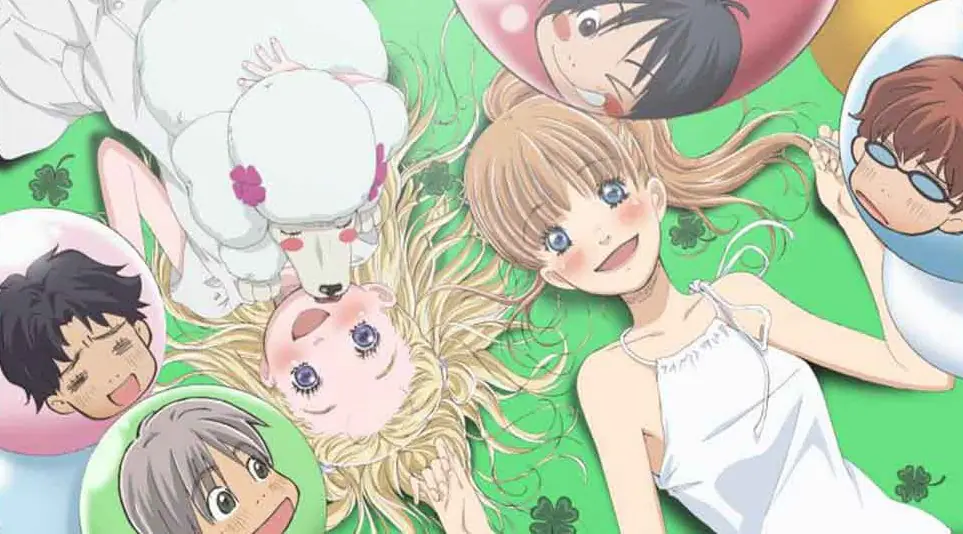
The josei manga is intended for an adult female audience. The themes are very varied, so the boundaries of the category are hard to draw. The narrative is more mature, and relationships feel closer to reality, in short less overdone.
Free: Haruka Nanase is a young man with a passion for swimming. With friends met in elementary school, he takes part in a swimming tournament, which he easily wins. At the end of the year, the four friends split up. Years pass and Makoto, Nagisa and Haruka end up in the same high school.
But Rin, the fourth friend, who had gone to live on the other side of the planet, resurfaces and challenges Haruka to a race. His two friends then propose to found the Iwatobi swimming club, with the goal of seeing Rin again, now enrolled in the rival swimming school.
Paradise Kiss: Yukari Hayasaka is a high school student constantly studying for college entrance exams. She never takes time to relax. After a breakdown, Yukari finds herself in a workshop where several Yaz'Art students are building a clothing collection.
To her surprise, they ask her to represent their brand ParaKiss and model for their fashion show. Reluctant at first, Yukari accepts. Her attraction for Georges, the stylist of the group, does not leave her indifferent. He later shows her what it means to live with passion.
Kids on the Slope: in the 1960s, because of his father's job, high school student Kaoru Nishimi moves in with family on the island of Kyushu.
Until then Kaoru has been rather lonely, but at his new high school he meets classmate Sentarou Kawabuchi, a notorious thug, and is transformed. Underneath the bully looks, Sentarou is a jazz enthusiast who makes Kaoru discover the joys of this art.
5. Yuri: girl-on-girl love manga
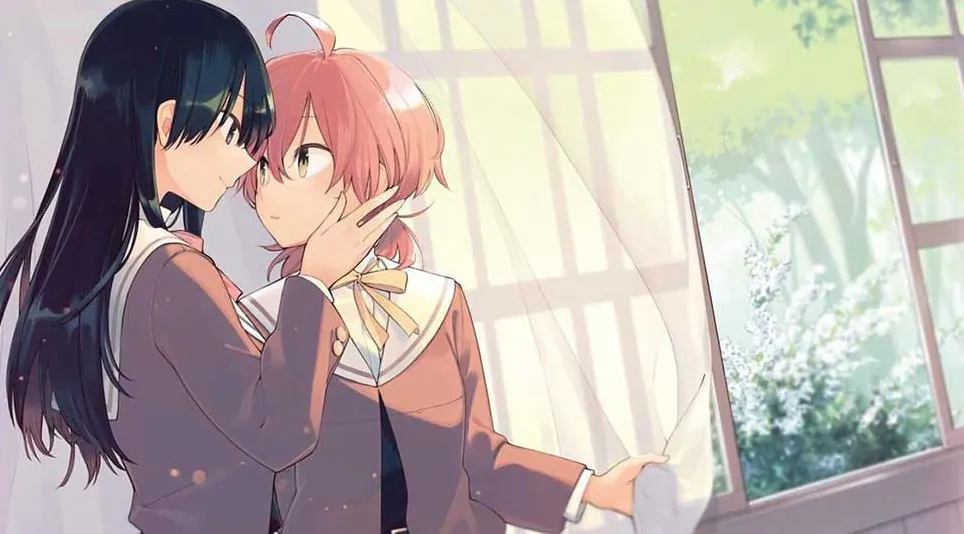
In Japan the relationship to sexuality is not the same as in the West. These themes are addressed more openly in the literary genres of the archipelago. This is one reason the yuri type finds a wide audience there.
Yuri manga deals with love between women. Do not confuse yuri and yaoi with works known as hentai, which are erotic or pornographic. Yuri manga tells homoromantic stories, and most titles stay far from explicit content.
Citrus: yuri stories often take place in high school, and Citrus is no exception. It begins after Yuzu's mother remarries.
Yuzu likes to have fun and is sent to a mostly female high school. There she struggles to fit into a traditional student body. Arguments are frequent, especially with her new step-sister, who is none other than the student council president, and for whom she begins to have feelings.
Sweet Blue Flowers: the story takes place in a high school. On her first day, Akira meets her childhood best friend Fumi, who is delighted to renew their friendship.
Fumi is happy to see Akira again, but also heartbroken because her childhood love has just gotten married. It is a very gentle and poignant manga.
6. Yaoi: boy love manga
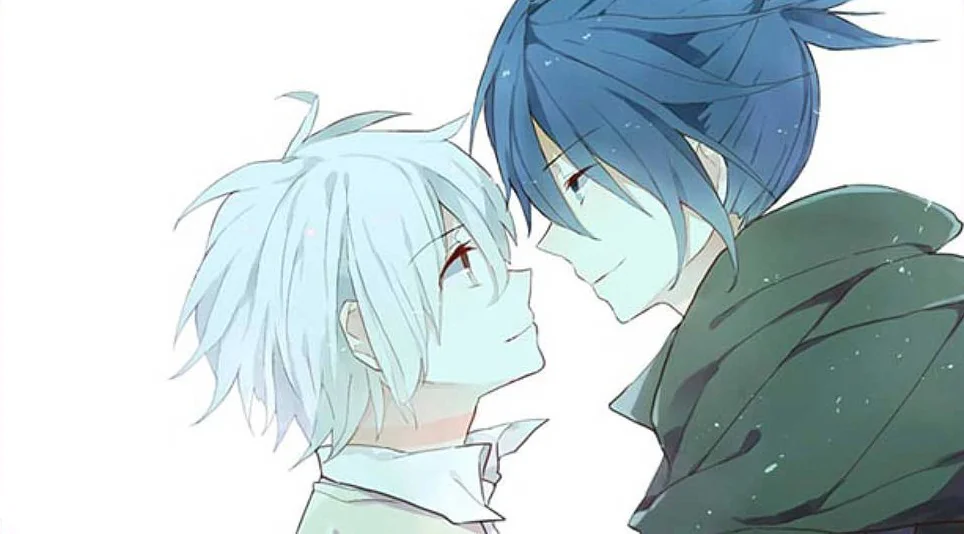
These works of fiction focus on romantic, sometimes sexual, relationships between men. The genre also finds a large readership among young women. Learn more about the Fudanshi manga. It is the term used for a man who enjoys yaoi anime and media.
10 Count: the story begins with Shirotani, a young man suffering from mysophobia, the fear of contamination by germs or disease. The head of the company he works for is the victim of an accident. Shocked, Shirotani meets Kurose, a man who advises him to treat his condition. A few days later Shirotani goes to the clinic and understands that Kurose is one of the psychiatrists working there.
The two young men then form a relationship that goes well beyond the doctor-patient setting.
Junjo Romantica: Misaki is desperately trying to get into a major university and wants to improve his grades. He manages to convince an acquaintance of his older brother, the famous author Akihiko Usami, to tutor him.
But this eccentric man, a genius adored by his peers, lives alone in a gigantic apartment. Very quickly he proves enterprising. Misaki then discovers the other side of his private teacher, that of a caring and romantic man. There are many manga we did not mention here, so feel free to tell us about your favourite to see if it fits the list.
FAQ
How many types of manga are there?
There are five or six demographic categories depending on how you count: kodomo for young children, shonen, shojo, seinen and josei. Yuri and yaoi are usually added to the list because they are sold as distinct shelves in bookshops.
What is the difference between a type and a genre of manga?
A type tells you who the publisher is aiming at, by age and gender. A genre tells you what the story is: horror, sport, romance, historical, mecha. A single title can be a shojo horror or a seinen comedy.
What are the different types of 18+ manga?
Adult titles are grouped under hentai for explicit works, ecchi for suggestive humour, and the adult branches of yuri and yaoi. Yuri and yaoi themselves are not automatically explicit, and many of the best known titles are purely romantic.
What is manhwa versus manhua?
Manhwa are Korean comics and manhua are Chinese comics. Manhwa is usually read left to right, often in full colour and designed for scrolling on a phone, while manga stays black and white and reads right to left.
1 comment
:)