
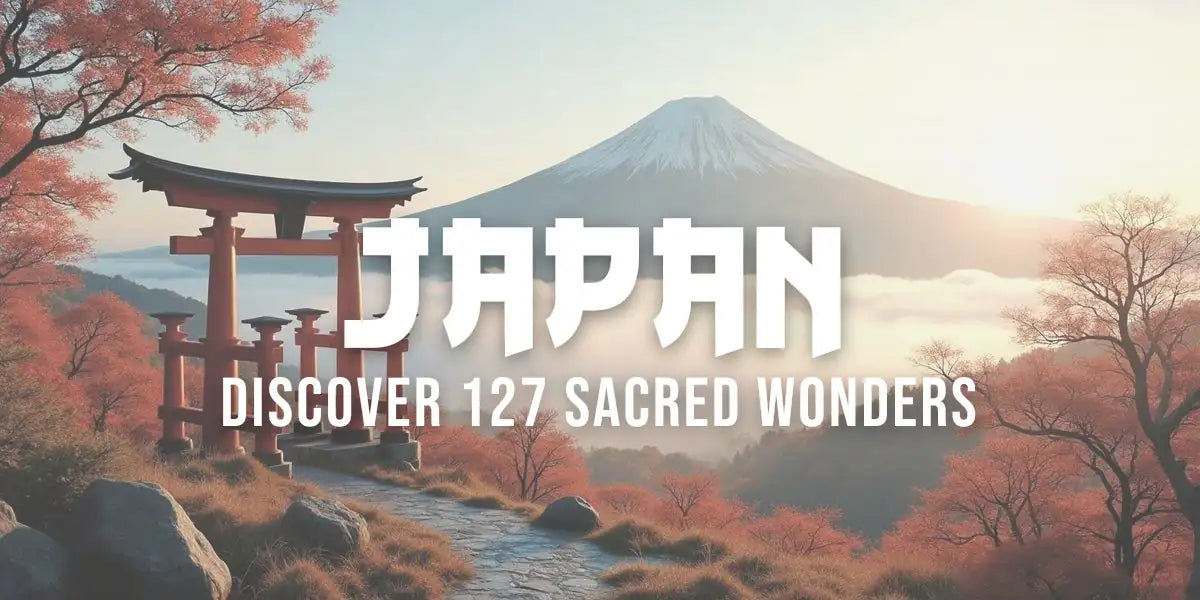
Walk out of Shinjuku Station through the wrong exit and you end up facing a small wooden shrine wedged between two glass towers. That one view answers the question most travellers ask before booking: Japan is worth the long flight because the thousand-year-old and the hyper-modern share the same pavement, street after street.
What follows is a list of 127 places worth building a trip around: Tokyo crossings, Kyoto temples, castles that still have their original wooden keeps, hot springs in Kyushu, drift ice in Hokkaido, and gardens that become a different place with every season.
The archipelago is home to around 123 million people and a culture that has kept reinventing itself for more than a thousand years. No single trip covers it. This list exists to help you choose.
Key points
- Tokyo, Kyoto, Nara, Osaka and Fukuoka hold most of the places below, and all of them are linked by train.
- Temples, shrines and gardens are the backbone of the trip; original castle keeps are rare, since only twelve survive.
- The same garden looks like two different places in April and November, so settle your dates before your sights.
- Your budget follows your pace: the length of the stay and the number of paid activities move it far more than the flight.
- You take your shoes off constantly, so pack footwear you can slip off, and remember Japanese sizes run about one size smaller than US and EU sizes.
1. Toranomon, Tokyo
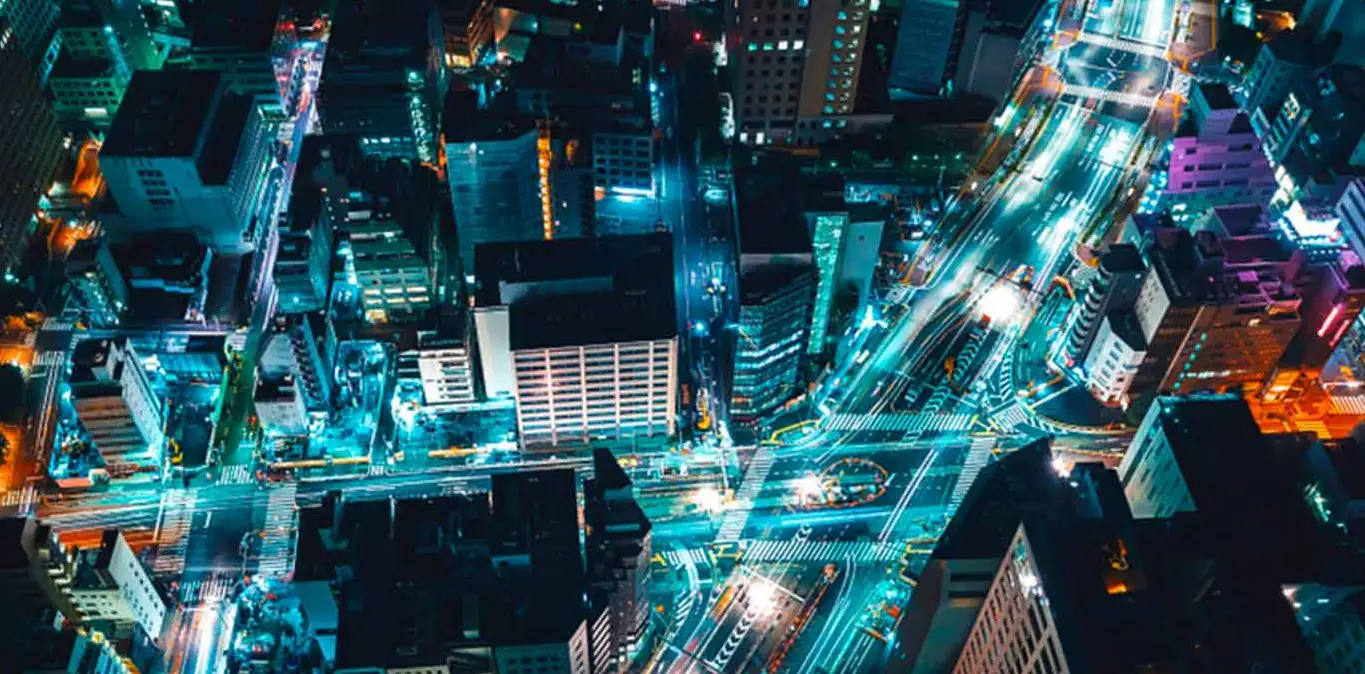
The Toranomon district sits close to the Tokyo Imperial Palace, on the side of the old tiger gate. Property prices here are very high because of that proximity to the Imperial Japanese Palace. You will find skyscrapers, high-class hotels, trendy restaurants and internationally known fashion stores.
2. Takasakiyama Monkey Park, Beppu
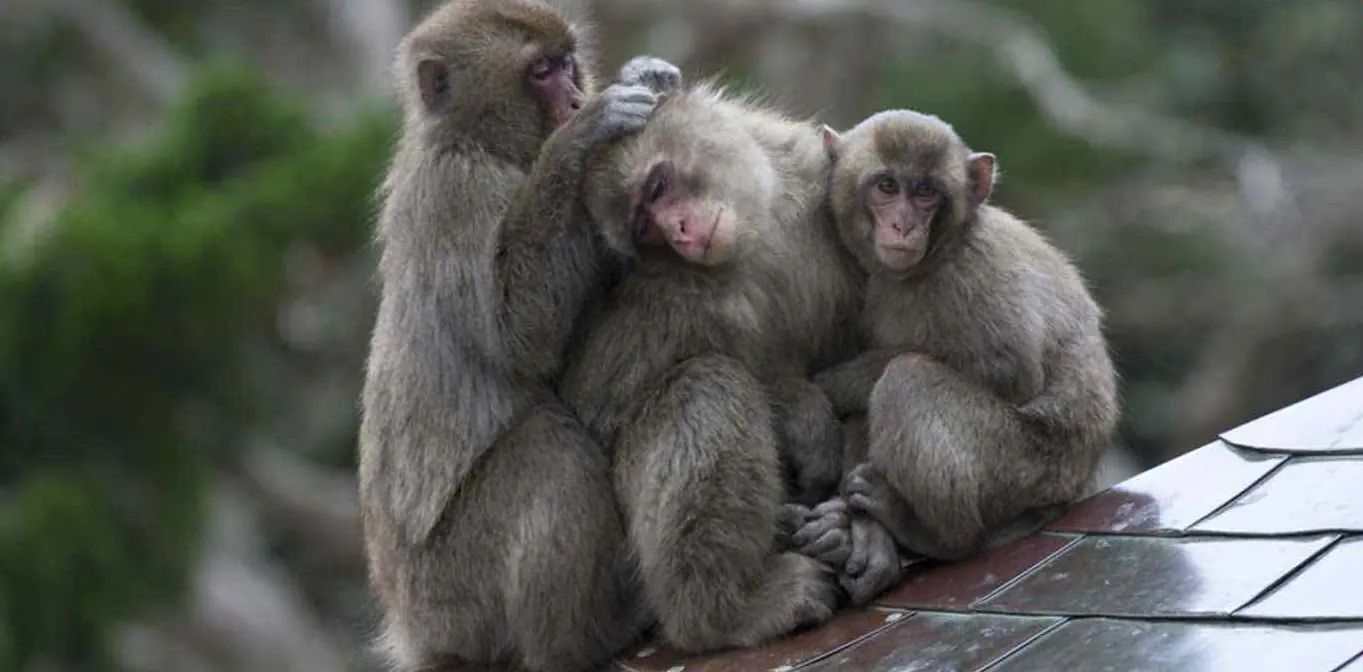
Takasakiyama Park is home to around 1,500 Japanese macaques, the species often called snow monkeys. They are not caged. They roam freely inside the park and come down to feed when they please.
3. Itsukushima Hiroshima Shrine
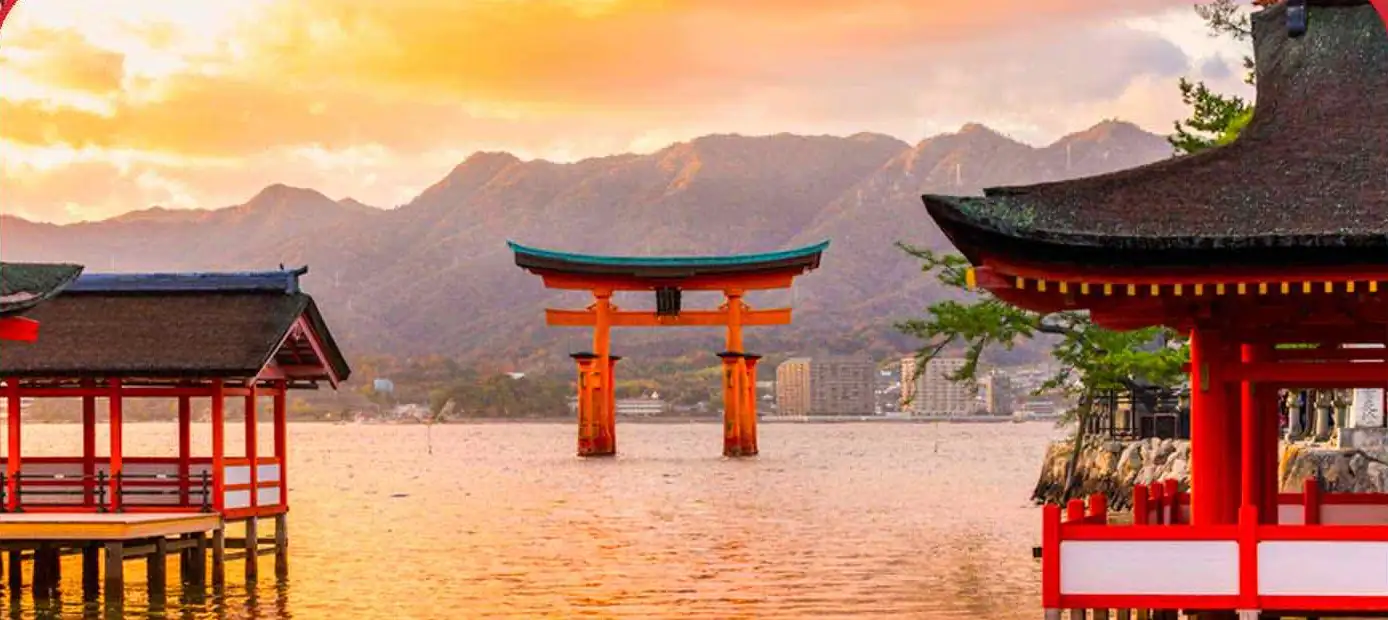
You cannot talk about Japan without picturing the floating gate of the Nipponese shrine of Itsukushima. The shrine was built over the water, to be seen from the sea first. It is one of the most iconic places in the country.
4. Tokyo Beer Garden
In the outer grounds of Tokyo's Meiji Shrine there is an open-air Japanese garden nicknamed the beer garden. It opens in the warm months and seats several hundred people at a time under the trees.
5. Tokyo Imperial Palace
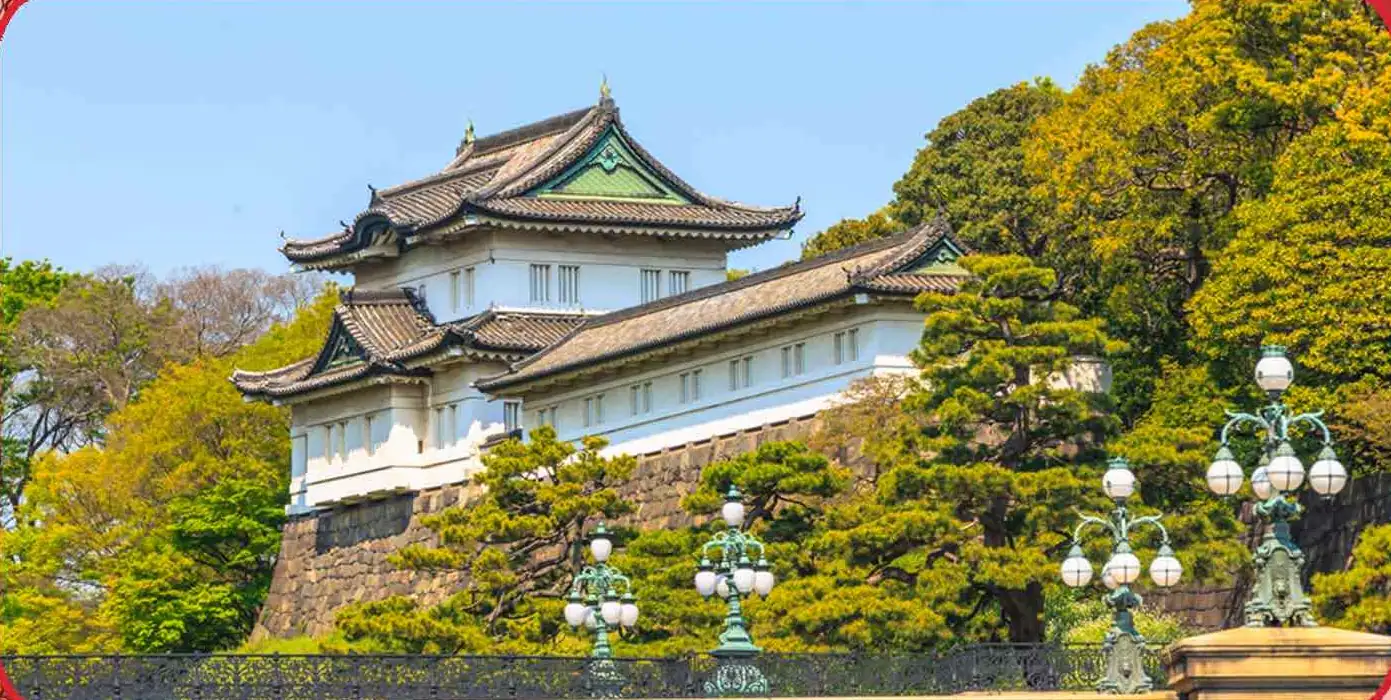
Among the must-see sites, the Tokyo Imperial Palace comes first for most visitors. It stands on the former grounds of Edo Castle, one of the most ambitious building projects of its age. The whole landscape was shaped to defend the castle: artificial islands were created in Tokyo Bay and rivers were rerouted.
From the palace grounds you can still read the old samurai castle in the ground, starting with the layout of its moats.
There is plenty to do on site: parks, museums, and two days a year when the inner grounds open and the imperial family greets the public.
6. Shibuya Passage, Tokyo
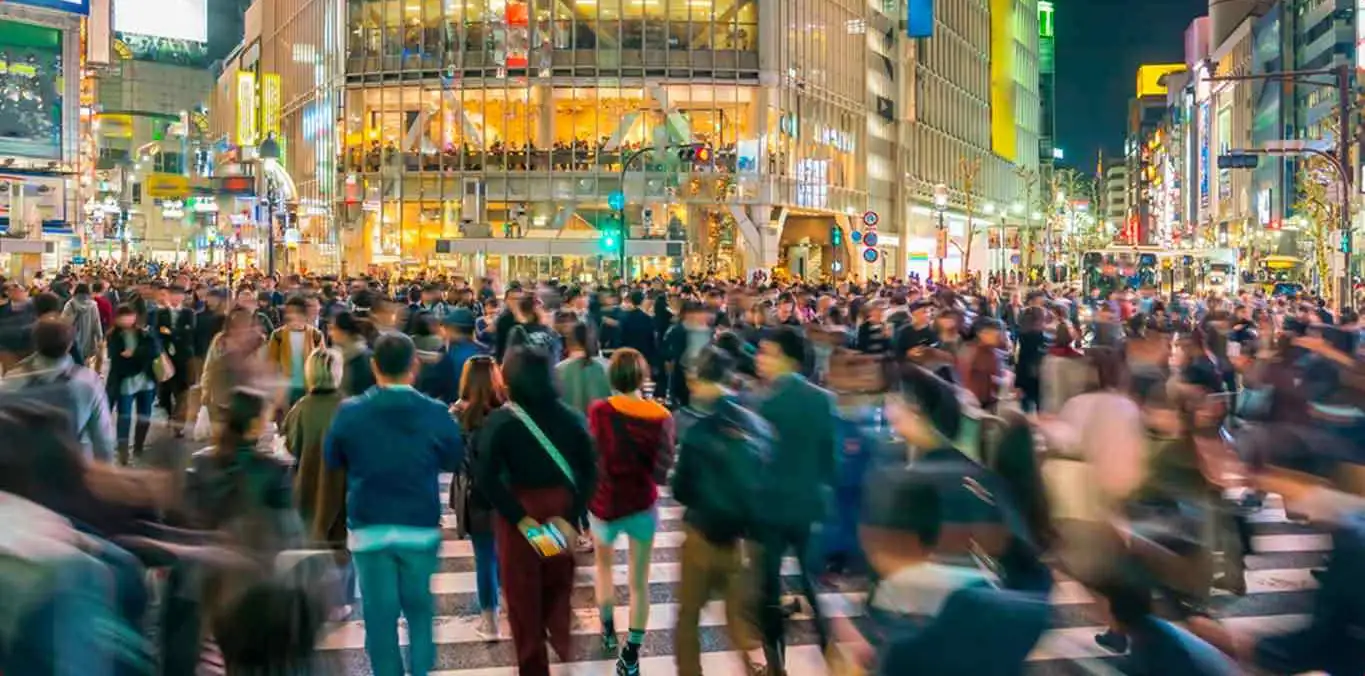
This vast pedestrian crossing is ringed with screens and neon, and it puts you straight into the atmosphere of an anime opening. It is the busiest crossing in the world. It is also a clear picture of Nipponese culture, which keeps a tradition going back to the samurai and geisha era while pushing modernity as far as it will go.
7. Meiji Tokyo Shrine
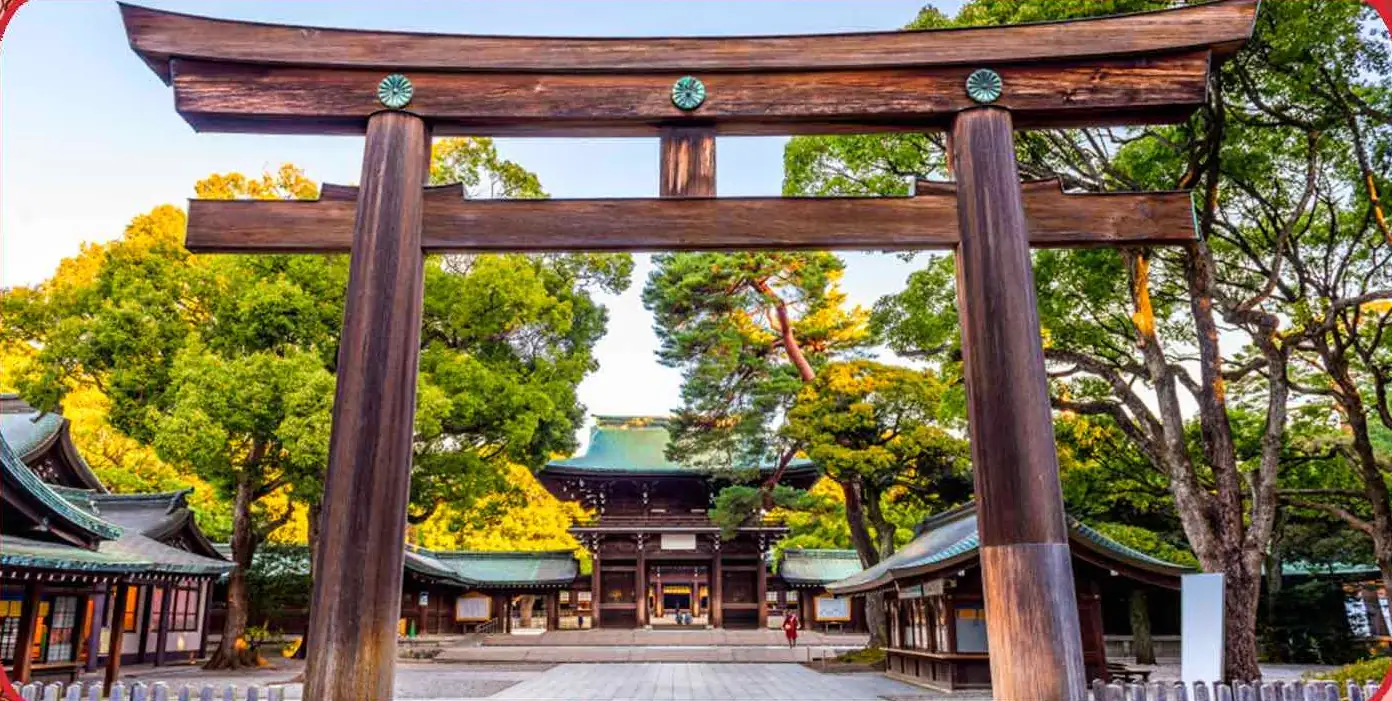
This Japanese shrine sits in the middle of Tokyo, inside roughly 70 hectares of planted forest. Its massive torii (鳥居), the gate that marks the entrance to a sacred space, is made of cypress wood. The shrine hosts ceremonies, festivals, weddings and cultural events all year.
8. Tokyo Skytree
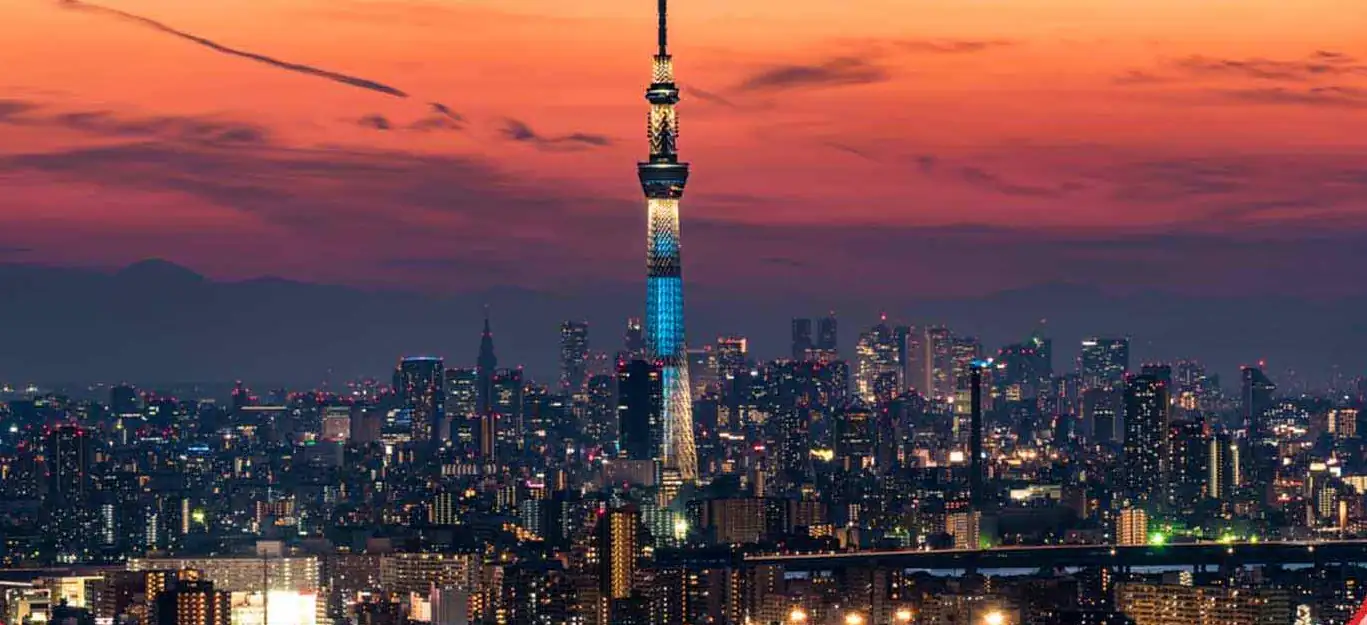
The upper deck of the Skytree stands 450 metres above the ground. It is the highest Japanese observation point, and the view gives you the whole sprawl of the capital in one sweep.
9. Sensoji temple Tokyo
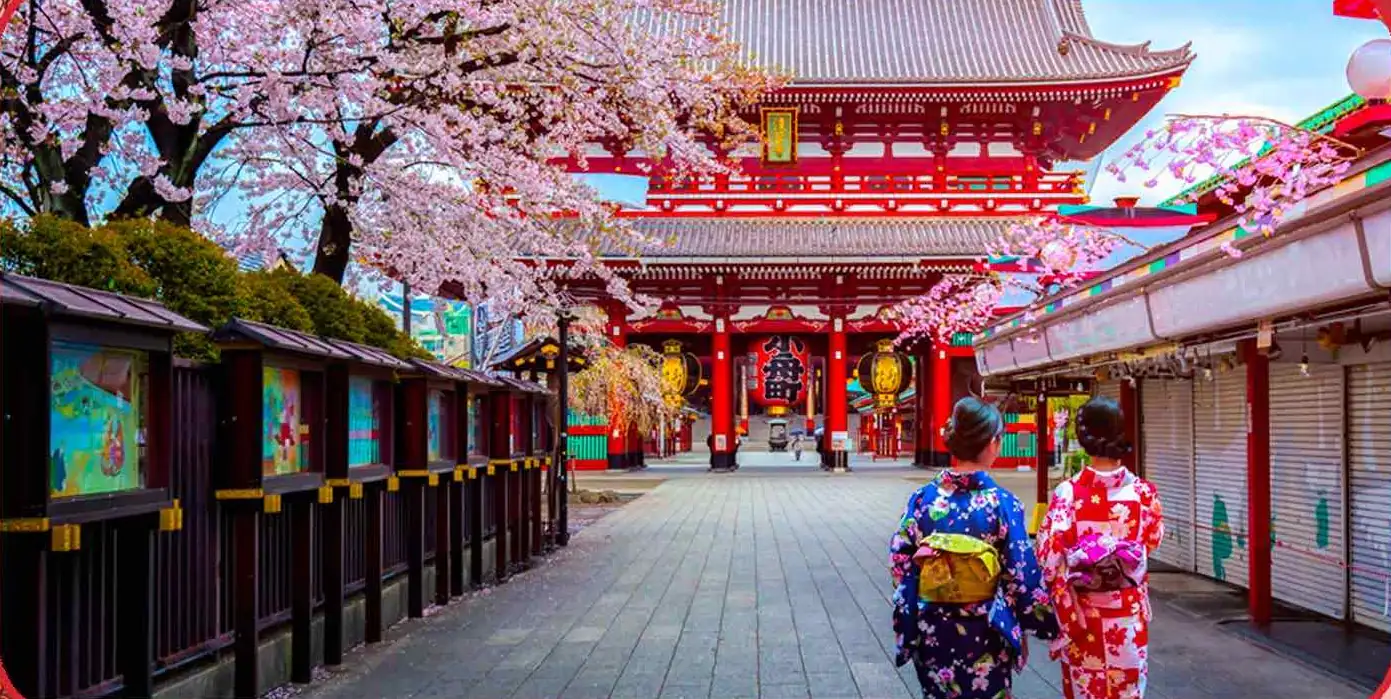
If this Japanese Temple looks familiar, that is because Sensoji is the oldest and the most visited temple in Tokyo, helped along by its huge Thunder Gate.
10. Tokyo Tower
This Tokyo Eiffel Tower was the tallest structure in Japan for over fifty years, until the Skytree overtook it in 2010. It is still a popular stop for its scale and its orange and white paint, which makes it stand out against the grey of the city.
11. Minato Mirai Yokohama
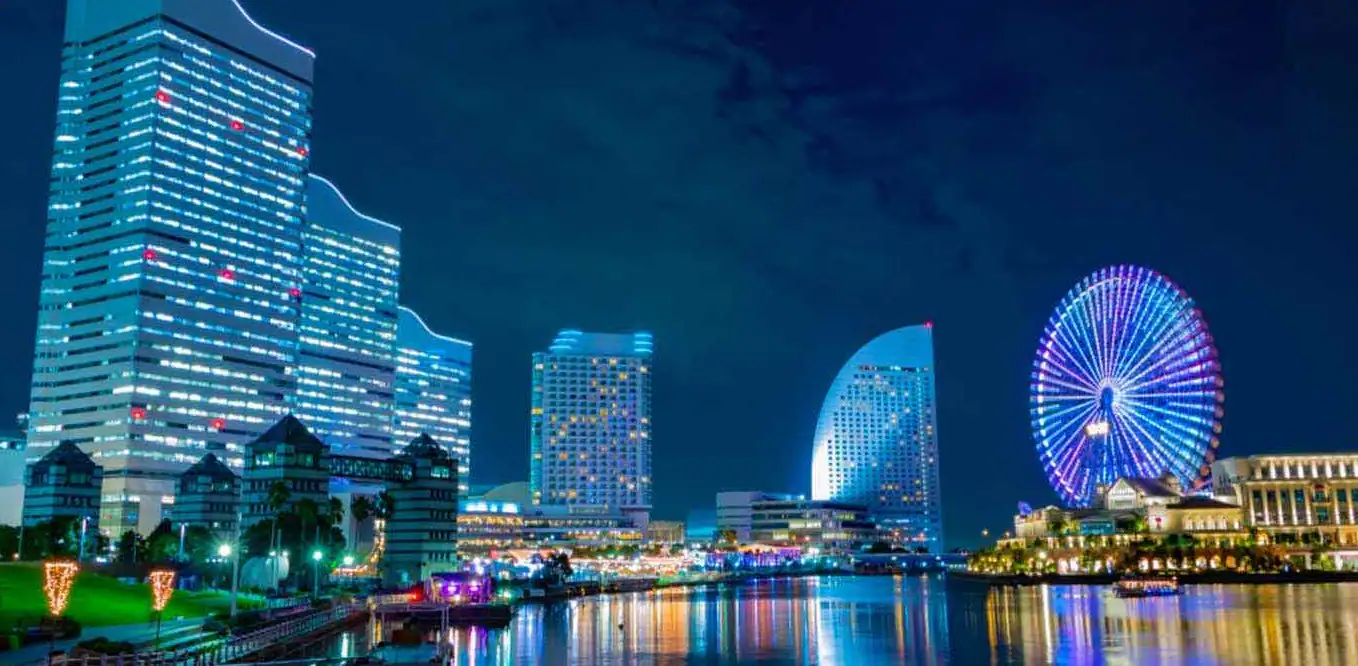
Minato Mirai is a Japanese port district with a futuristic feel. The area works well for eating, shopping and walking, and the public spaces are wide enough to breathe in.
12. Lake Ashinoko Japan
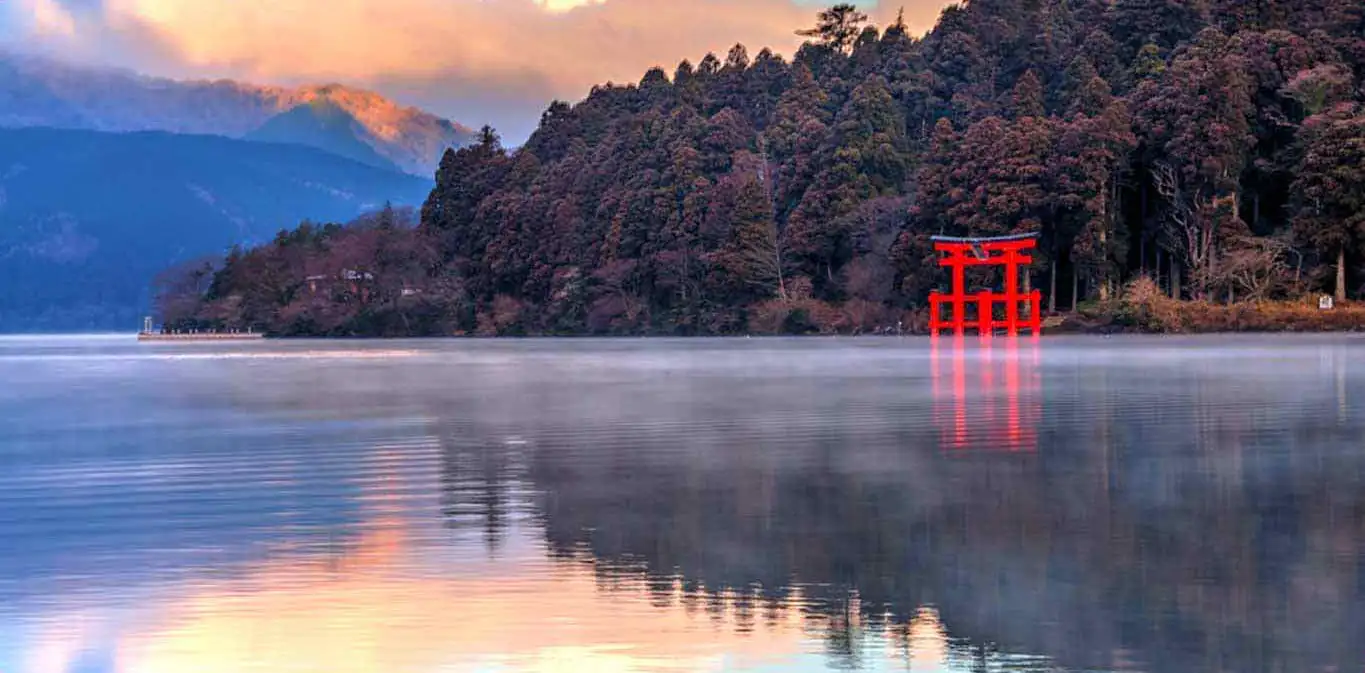
The Japanese Lake Ashinoko, in Hakone, is known for its view of Mount Fuji across the water. You can rent a boat, or board one of the sightseeing cruisers built to look like old warships.
13. Tateyama Kurobe Alpine Road
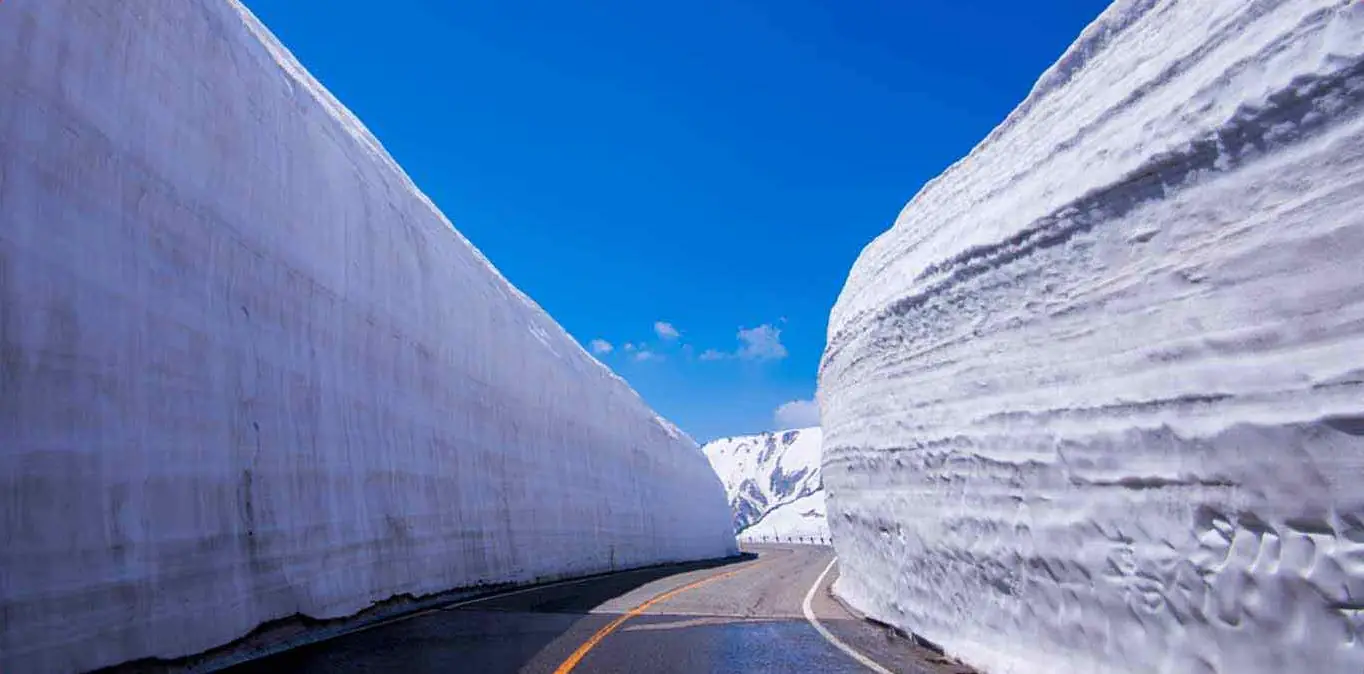
This alpine route cuts through high mountain scenery, including a snow corridor with walls far taller than a person in spring. You cross it by a chain of trains, cable cars and buses rather than by your own car.
14. Sanjusangendo temple Kyoto
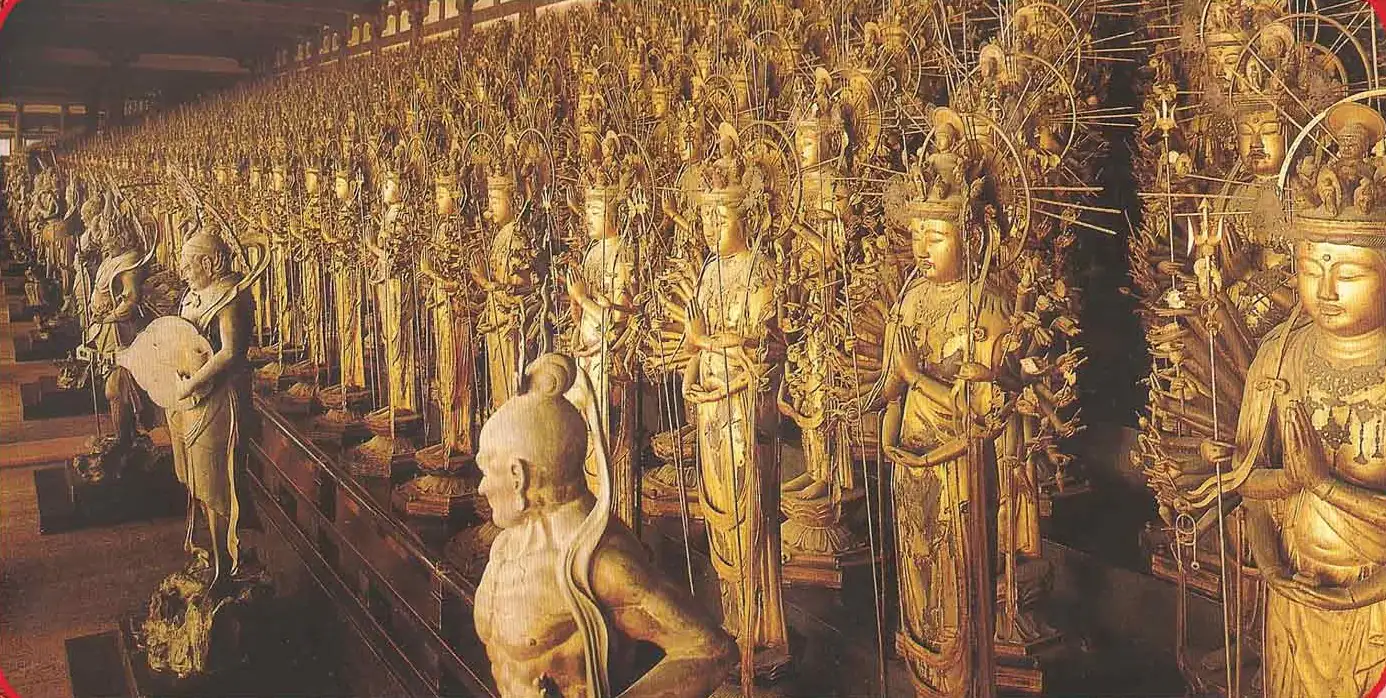
This Nipponese temple impresses twice: once for the hall itself, once for what stands inside it. Its sculptures honour Japanese deities. The hall is the longest wooden building in the country and goes back to the 12th century. It holds a thousand and one statues of the goddess of mercy, lined up in rows.
15. Horyuji Temple
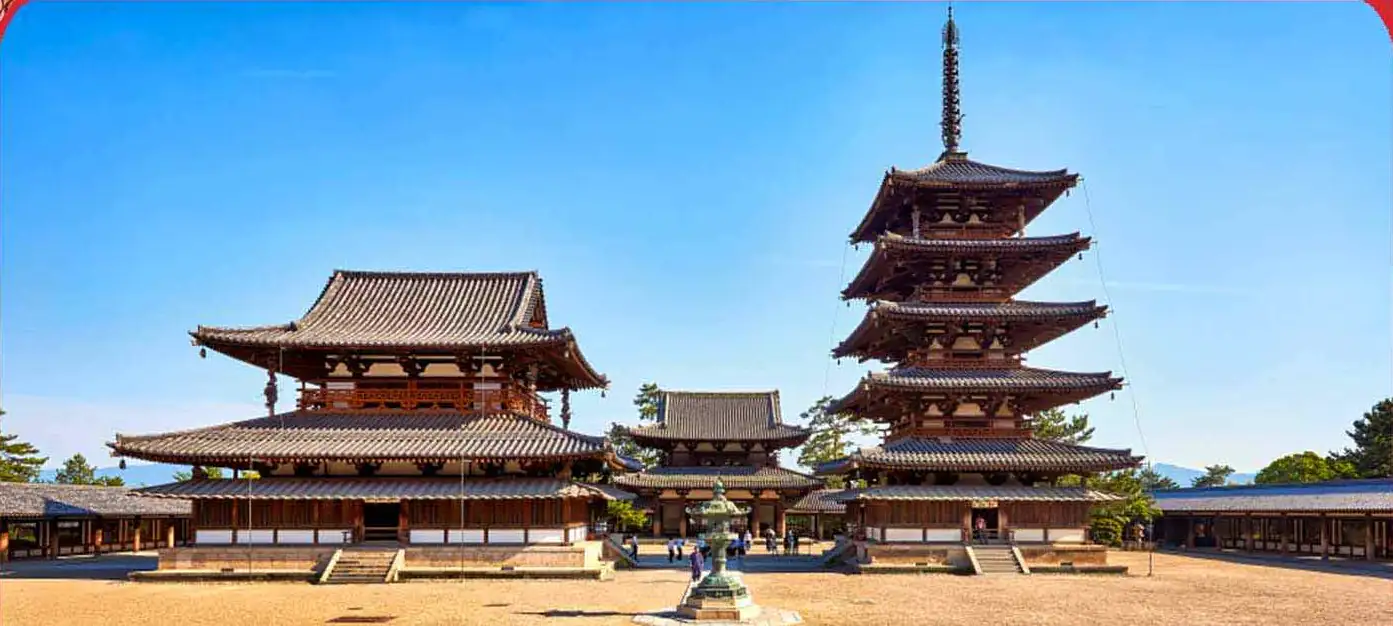
Horyuji holds the oldest surviving pagoda in the world, a type of tiered wooden tower found across Japan. The central pillar that carries it comes from a tree felled around 594 AD. The octagonal Hall of Dreams in the same complex is said to have inspired the shape of the Budokan in Tokyo.
16. Shinjuku Gyoen
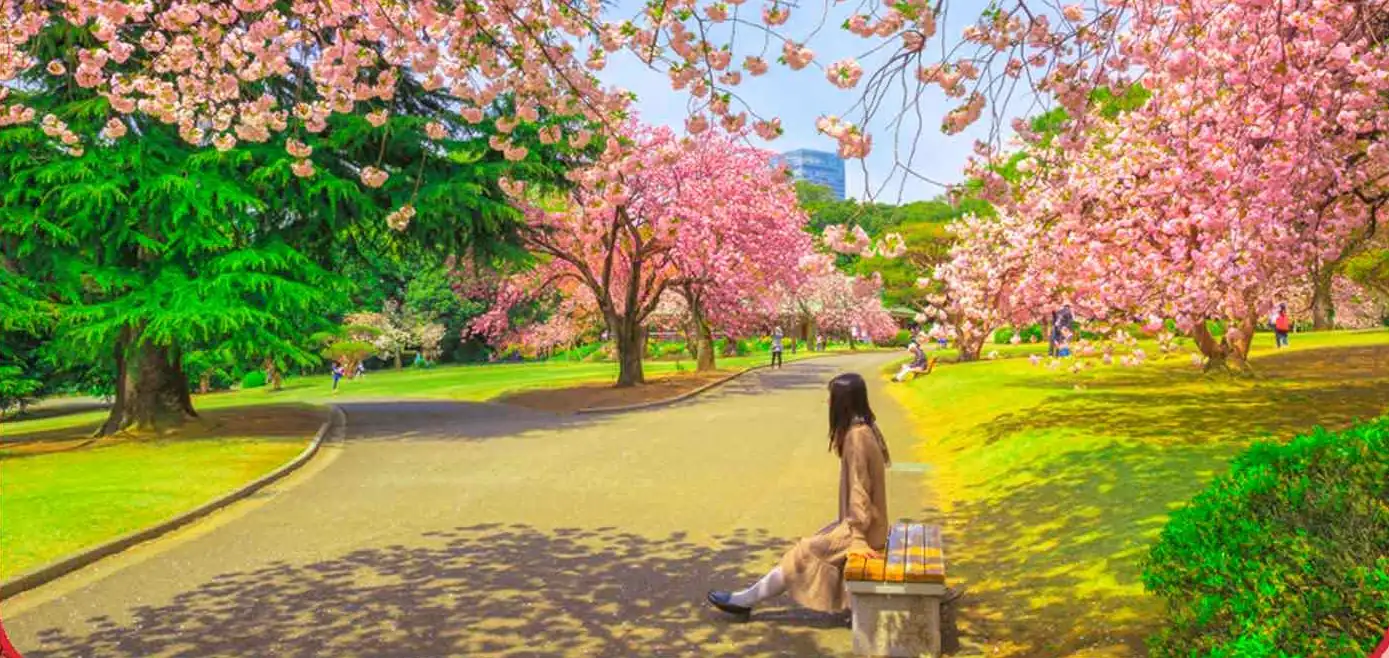
After the Second World War this imperial garden became a public park. It is the largest in central Tokyo, carefully landscaped, with some 20,000 trees. That planting is what makes the park change so completely from one season to the next.
17. Shinjuku Tokyo South Terrace
The southern terrace of Shinjuku is a pedestrian promenade. It stays lit with winter decorations from the Christmas season through to Valentine's Day.
18. Arashiyama Bamboo Forest
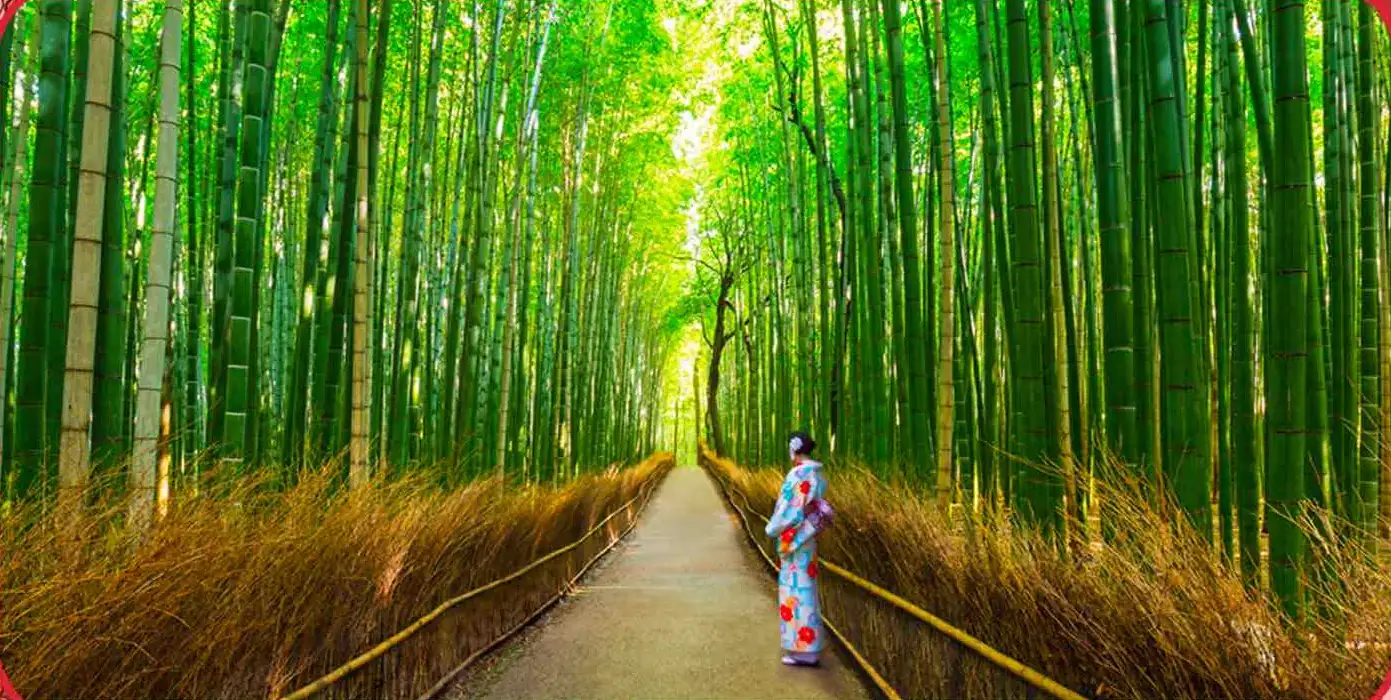
This path runs through the Sagano bamboo grove, and its beauty is the whole point. Go early. It is one of the most photographed places in Japan, and the light before the crowds is a different experience.
19. Kenrokuen
Kenrokuen Garden is located in Kanazawa
The Kanazawa Kenrokuen is a vast garden shaped over generations rather than in one campaign. You can visit it in any season and never see the same garden twice, because the planting is so varied. Between cherry trees, plum trees and pines, the composition keeps shifting. In winter, rope cones are rigged over the branches to protect them from heavy snow. These are called yukizuri (雪吊り).
20. Osaka Castle
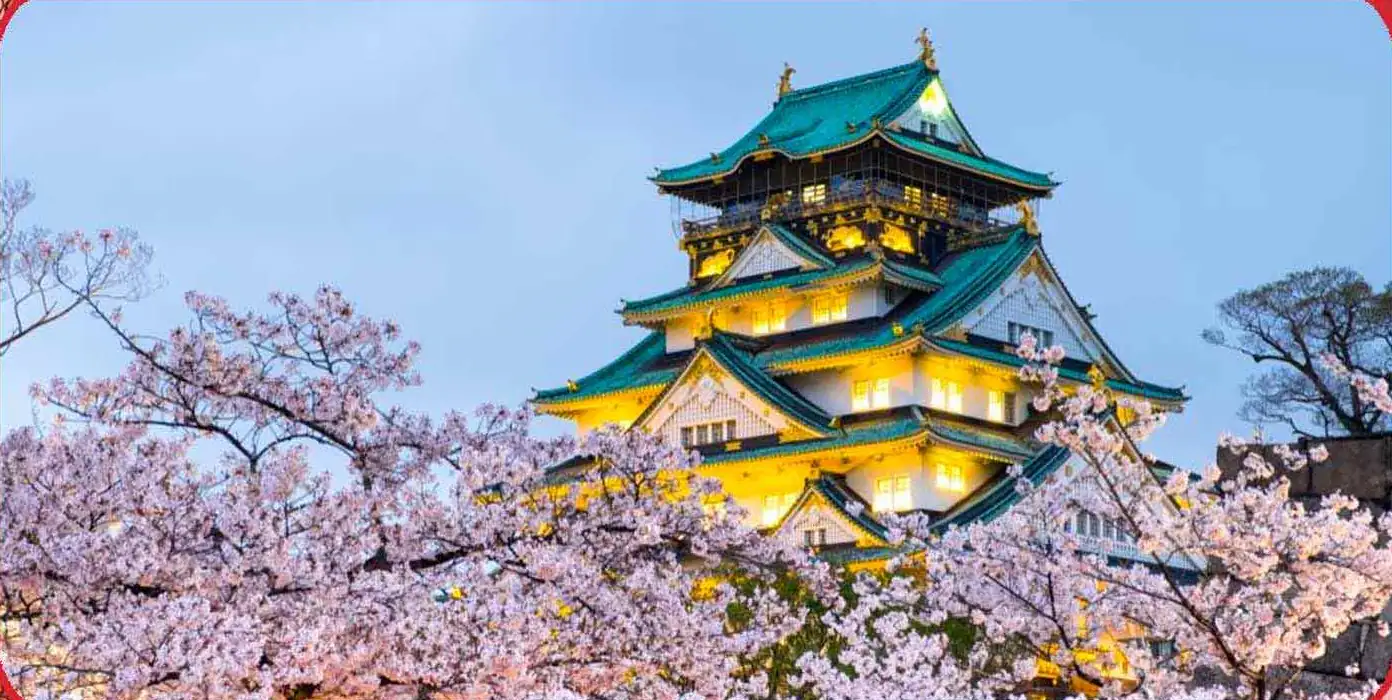
This is an imposing castle, and real history was decided here, including the siege of 1615 that ended the Toyotomi line. It is a key stop if you want to step into the world of samurai retainers, court dress and warring houses.
21. Kyoto Chionin Temple
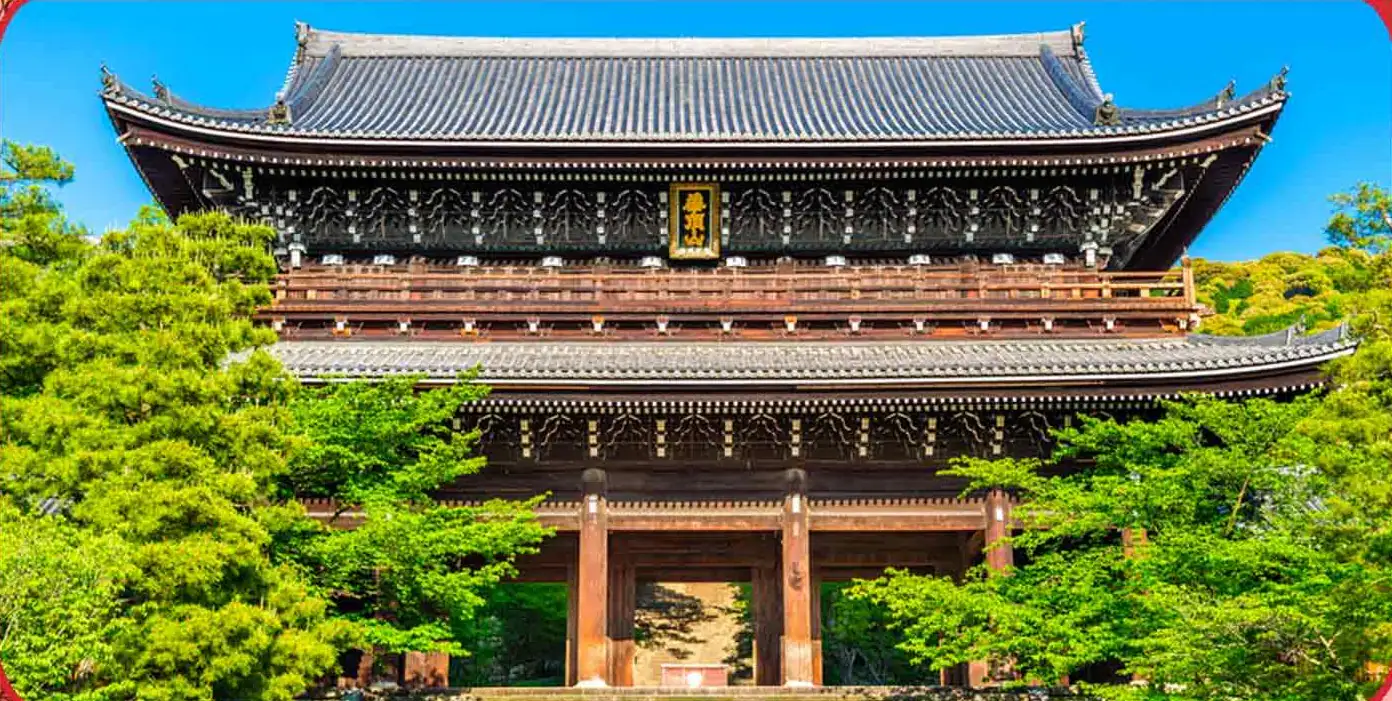
Chionin gathers several halls in one precinct and has two headline features: a bell that was the largest in the world for nearly two centuries, and the widest and tallest wooden gate in Japan.
22. Hiroshima memorial
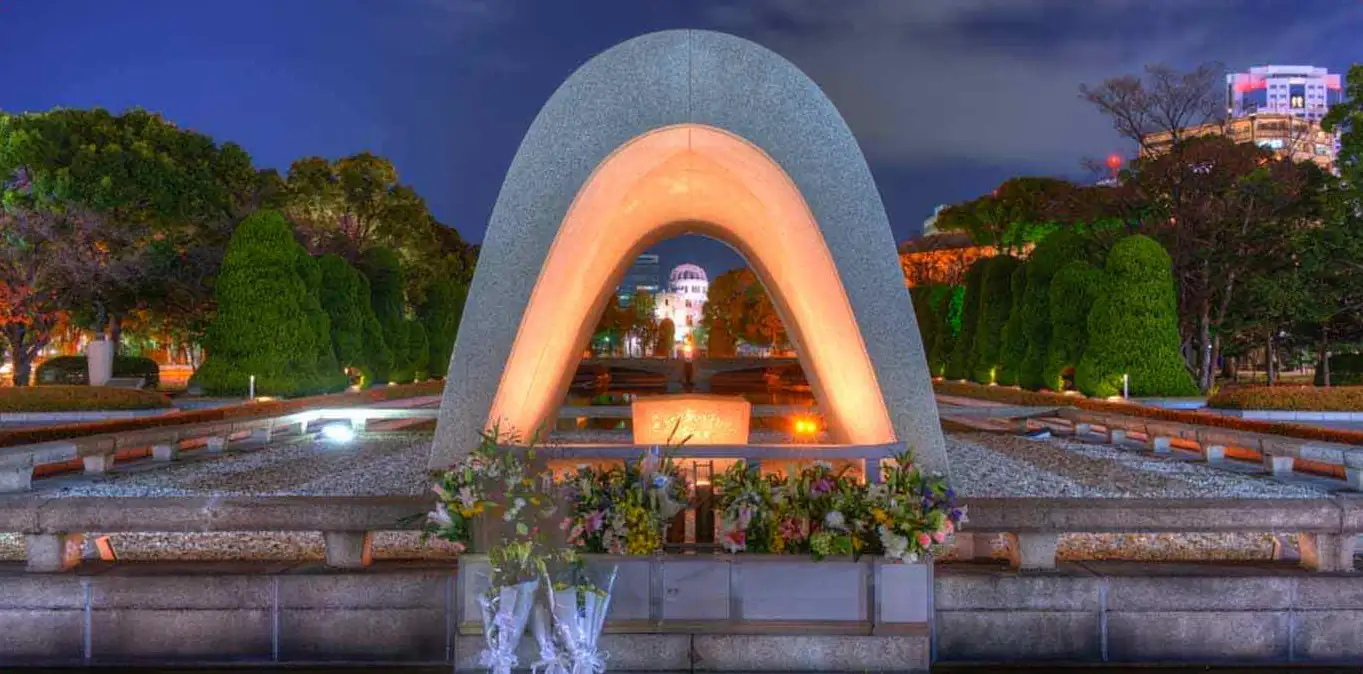
You know this city from its history. A museum and a memorial park now stand in memory of 6 August 1945, the first atomic bombing. Allow more time here than you think you need.
23. Kyoto Manga Museum

This museum is for you if you love the Japanese universe of manga. You can browse and read across every genre, and staff in each area can talk you through the collections. When the weather allows, the reading spills out onto the lawn.
24. Nara Park
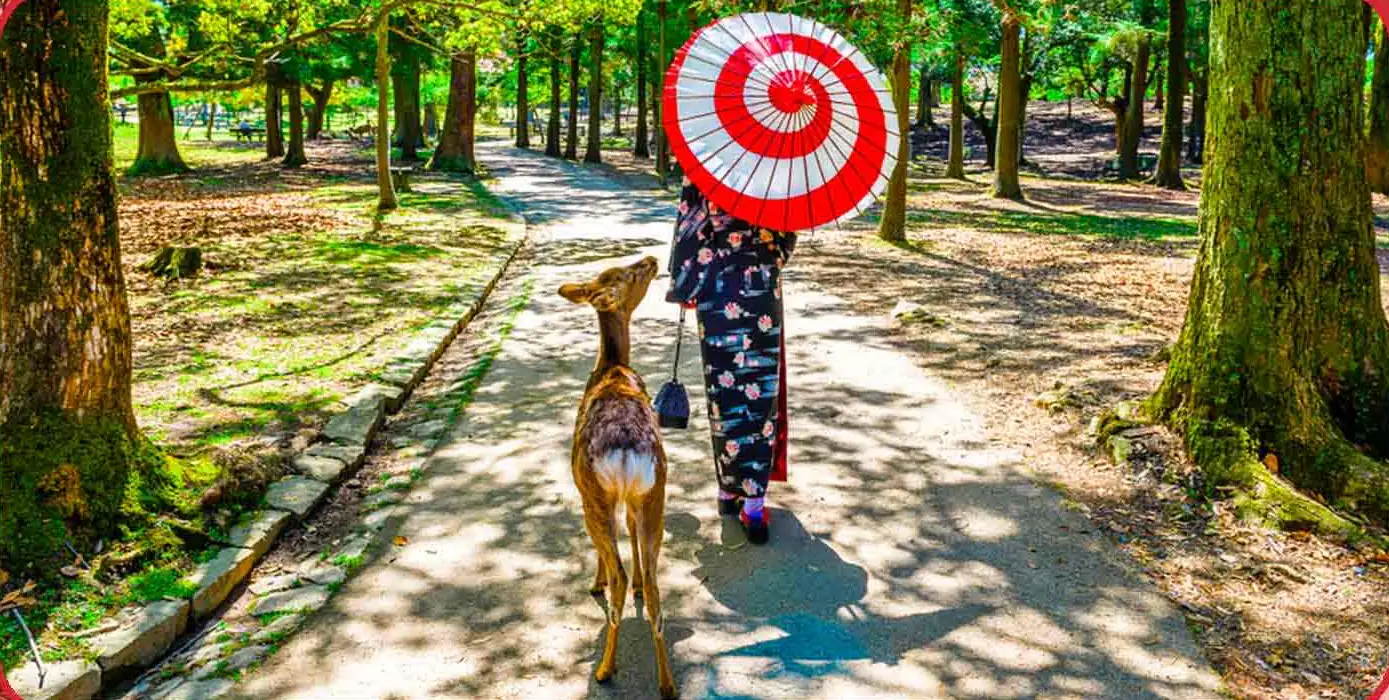
This park is one of the most striking in Japan, with more than 500 hectares of open ground. It is a complete change of scene, and you will meet wild deer that bow for food. They are fond of senbei rice crackers, sold at stalls inside the park.
Plenty of visitors spend the day in traditional dress here, because the setting makes the photographs. If you do, the detail that makes or breaks the silhouette is the footwear: geta (下駄), the raised wooden sandals worn with tabi (足袋), split-toe socks.

25. Hokkaido Shrine
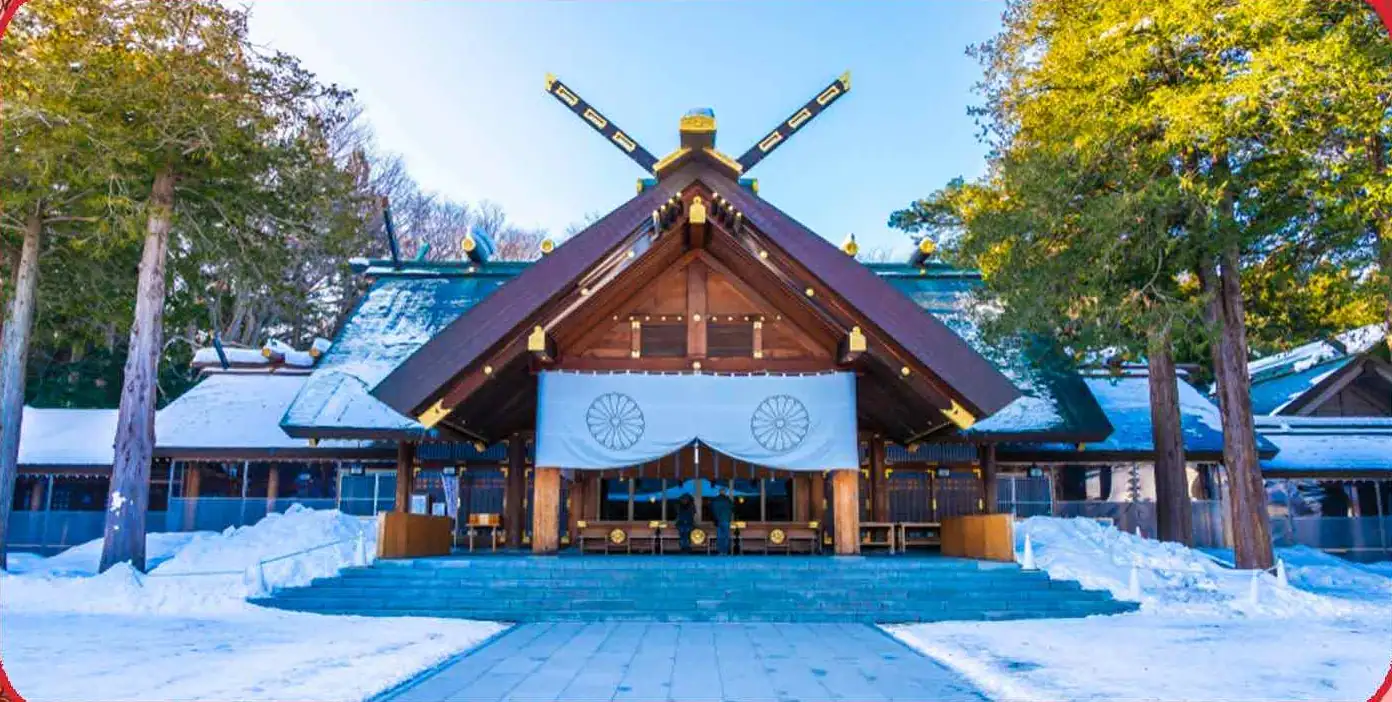
This is the largest shrine in Sapporo, and most of the milestones in local life pass through it. Its materials let it blend into the surrounding woodland, so the Japanese spiritual place and the forest read as one thing. That is a large part of why residents are so attached to it.
26. Engakuji temple
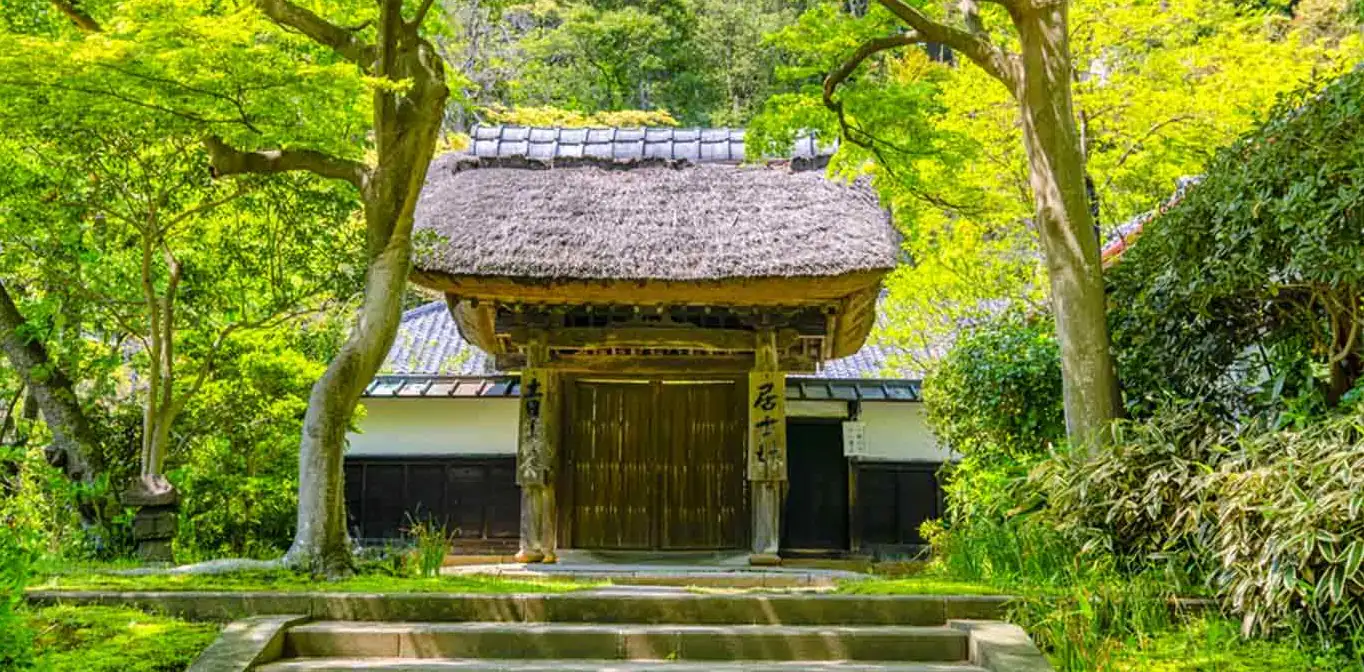
Engakuji is a Buddhist temple founded in 1282 in tribute to the dead of the Mongol invasions. It holds two national treasures: a great bell, and the Shariden, a 16th-century hall built to house relics.
27. Tokyo Disneyland, Chiba
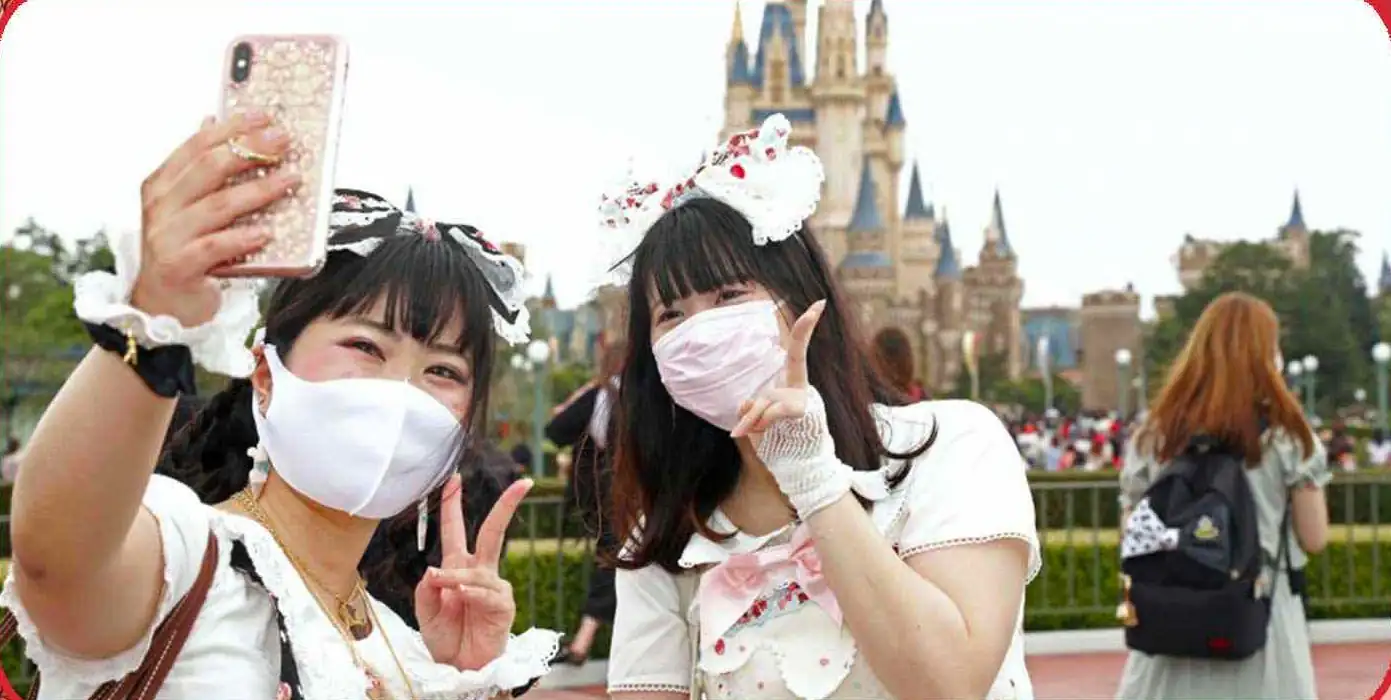
The name tells you most of it: the Disney park, with a line-up of attractions comparable to the American ones, and queues to match on weekends.
28. Tokyo City Hall
This is the most imposing building in West Shinjuku, Tokyo's business district. It was the tallest building in the city until 2007. The architect spoke of a computer chip, though standing underneath it reads more like a gothic cathedral. Access to the observation decks is free.
29. Shinjuku Japanese Station
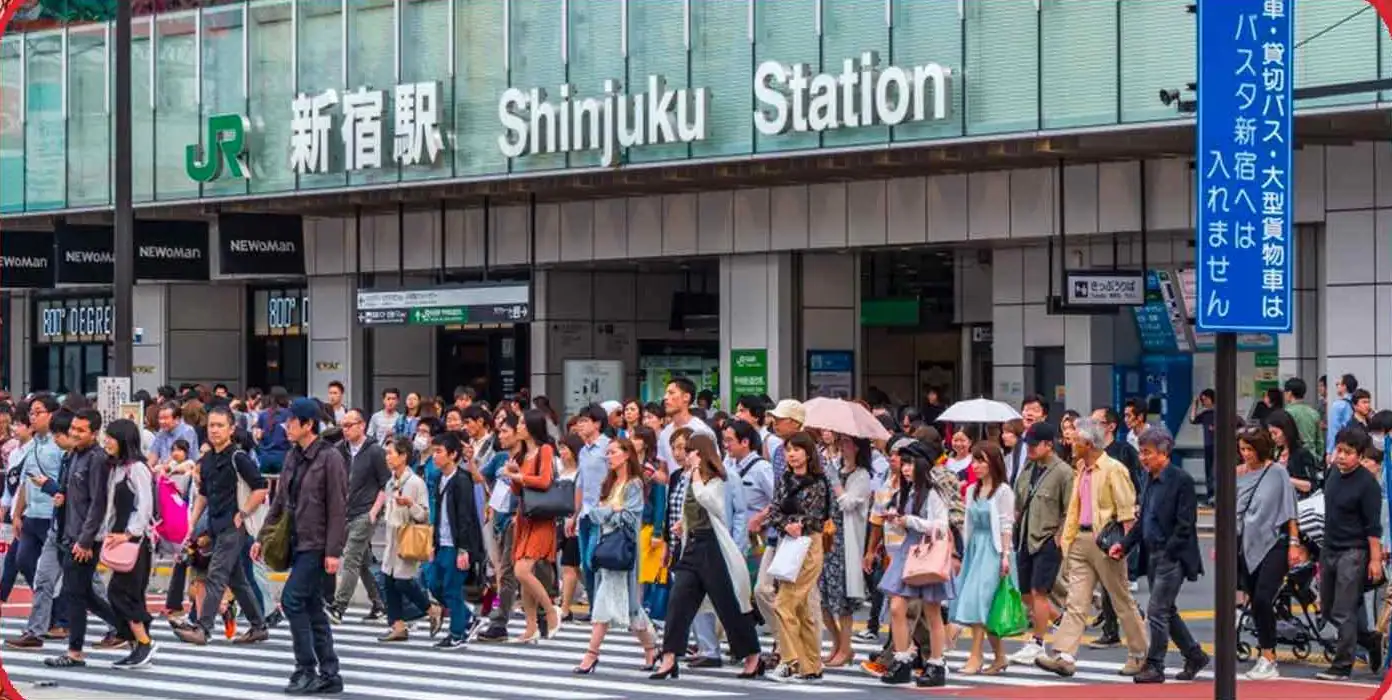
Shinjuku is far more than a station. It contains two shopping complexes, which together add up to department stores, dozens of smaller shops and close to a hundred places to eat. It is also the busiest station in the world, so give yourself margin when you change trains.
30. Kokoen Himeji
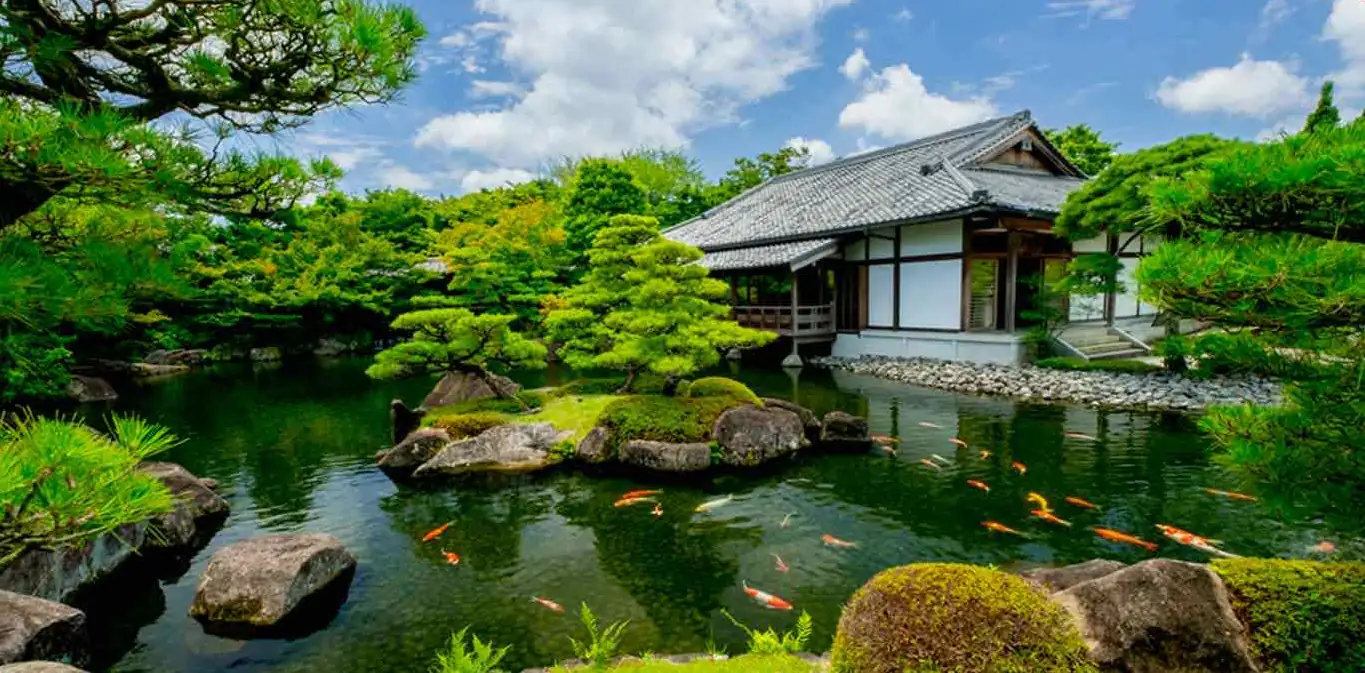
Kokoen gathers nine walled gardens over roughly three hectares beside the castle park, each with its own character and its own gate.
31. Chidorigafuchi
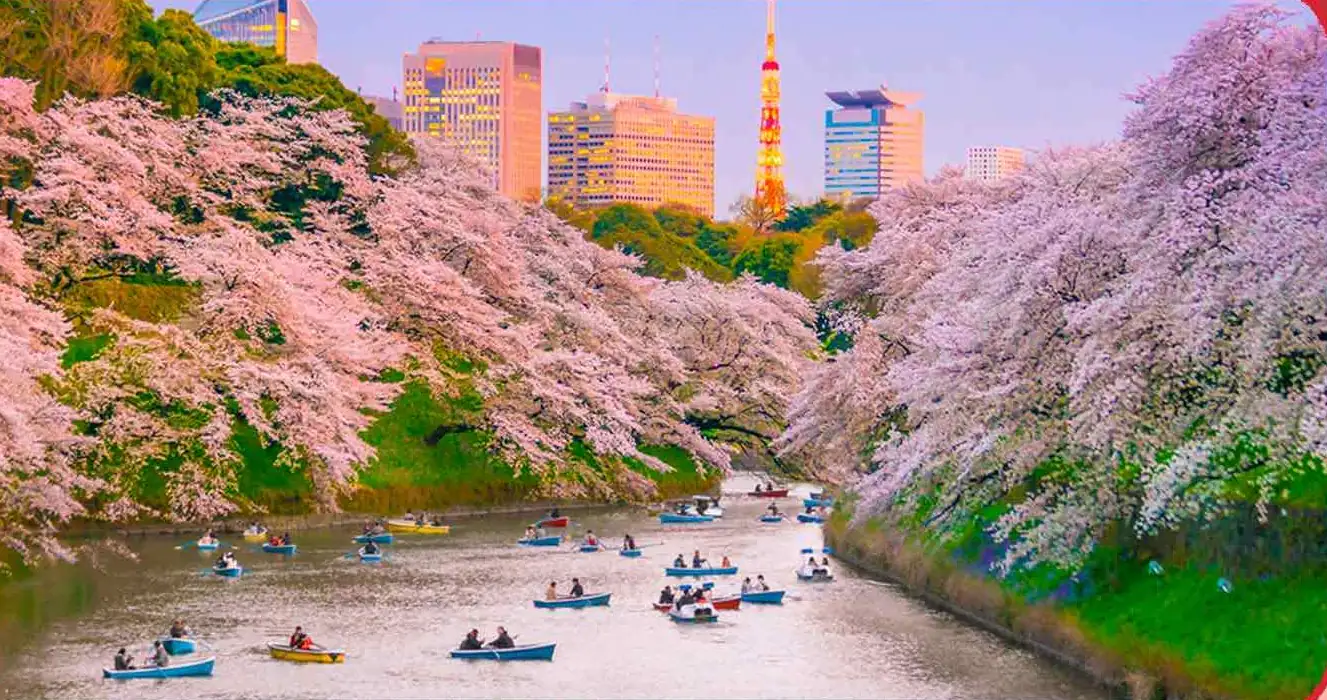
Chidorigafuchi, on the palace moat in Tokyo, is famous for its cherry trees and sakura blossom. For a unique Japanese experience, rent a rowing boat and follow the water under the branches.
32. Ueno Park
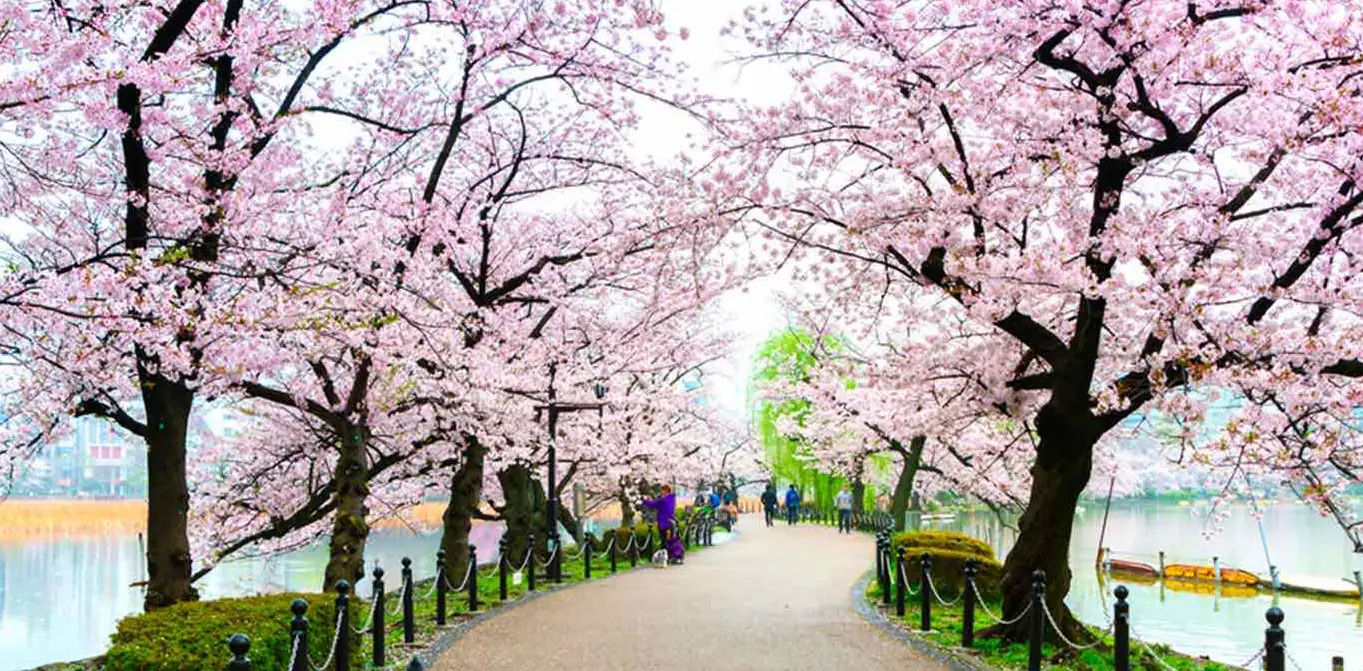
This Tokyo park is known for the variety of what it holds: a zoo, a funfair, and several of the city's major museums. It draws around ten million visitors a year.
33. Yokohama Tower
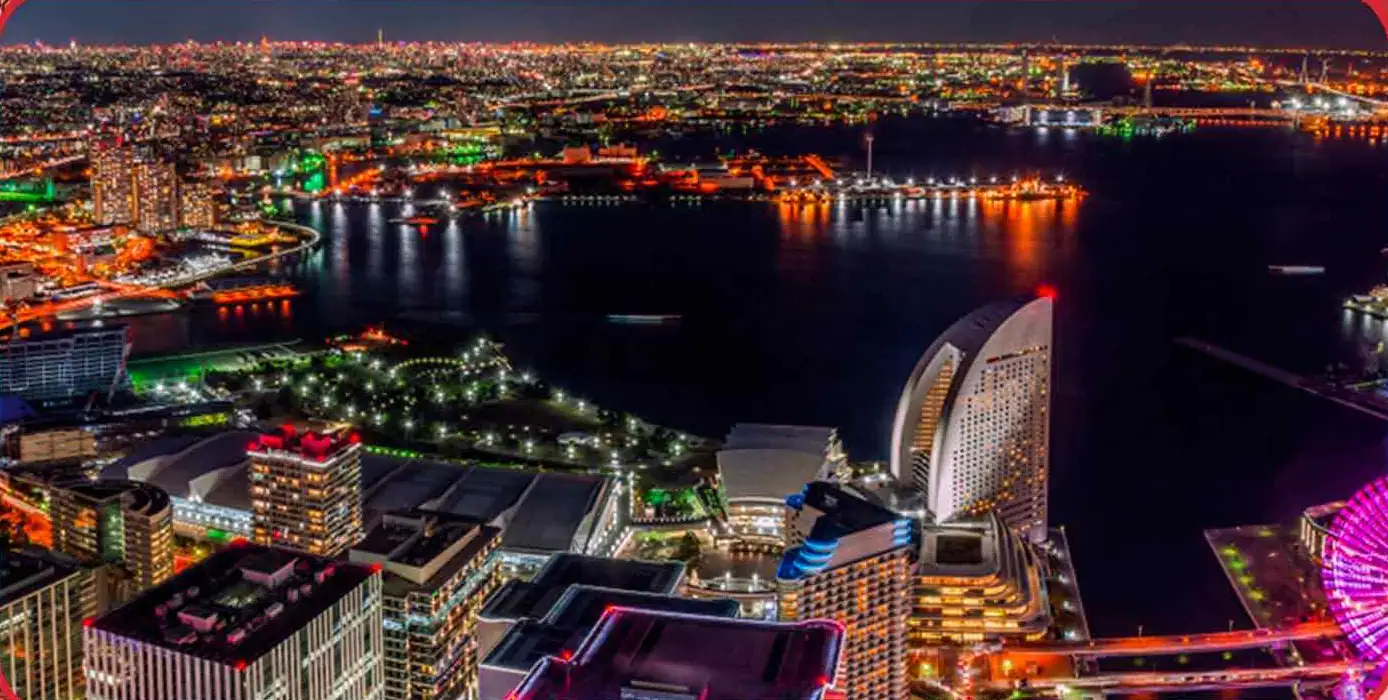
Standing on the waterfront at Minato Mirai, this observation tower is one of the tallest buildings in Japan. From its 69 floors you see the whole city, and Mount Fuji on a clear day.
34. Daigoji
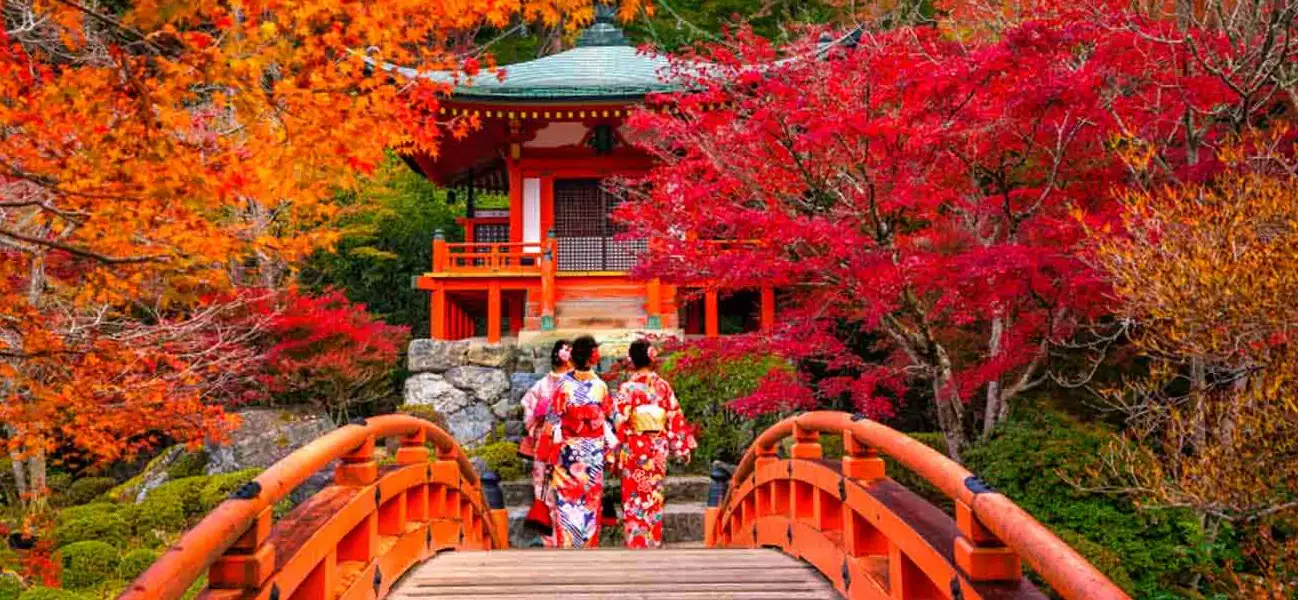
Daigoji spreads across the mountain on the eastern edge of Kyoto. Its separate precincts are linked by long paths, which makes for a genuine walk rather than a short visit. The trail climbs to the upper temple and opens onto a wide view over the city.
Daigoji is also known for its five-storey pagoda, the oldest building in Kyoto, along with its museum and its maple and sakura gardens.
35. Beppu Kaihama Sand Baths
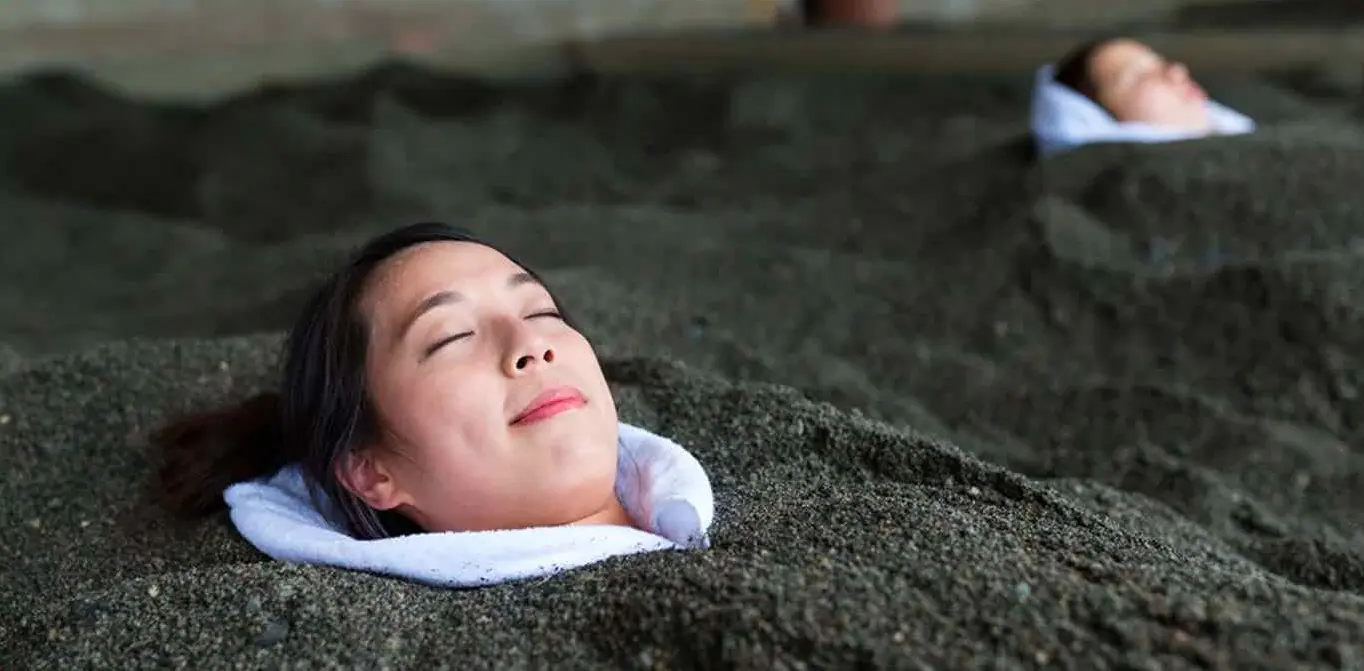
The island of Kyushu sits on hot thermal water, and some of it rises under the beach at Beppu. Locals have been burying themselves in that warm sand for centuries. An attendant covers you with a wooden spade, and you lie there for about ten minutes.
36. Shimogamo Shrine, Kyoto
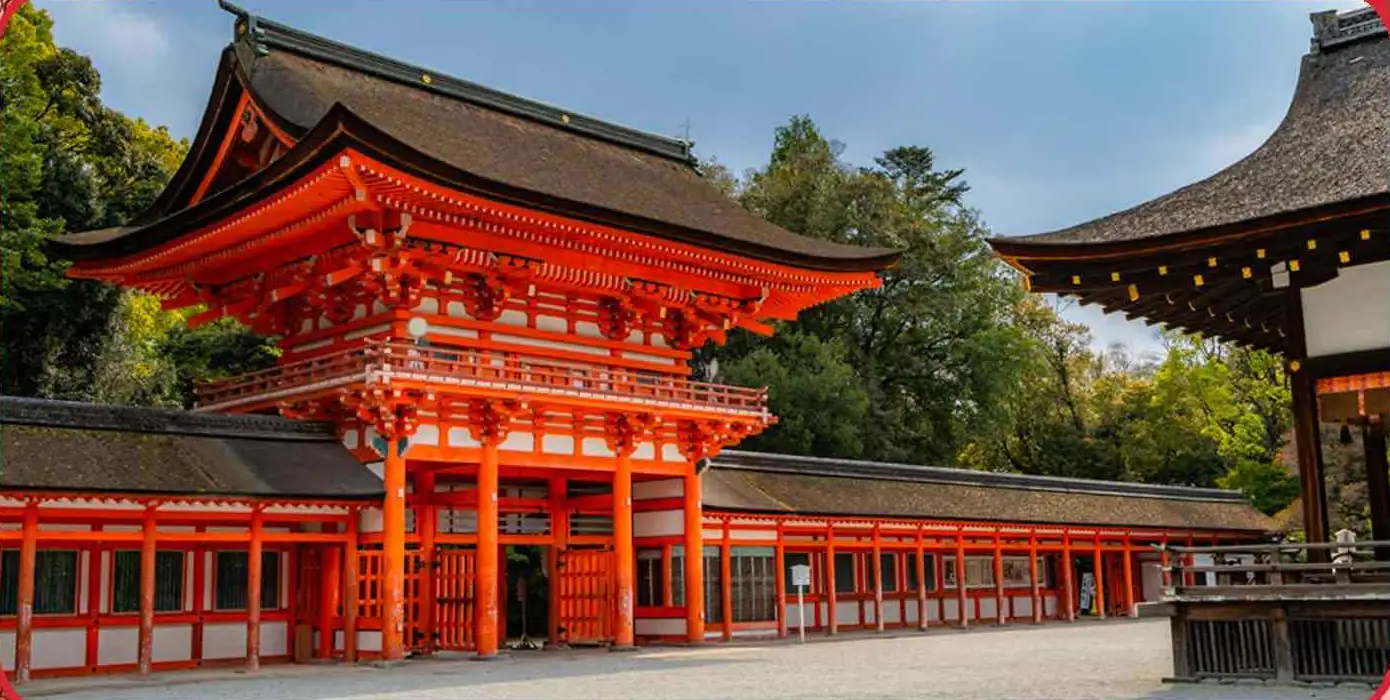 Shimogamo Shrine
This Nippon shrine is older than Kyoto itself. It stands inside the Tadasu no Mori forest, a dozen hectares of old growth in the middle of the city. Local tradition holds that this primeval wood protects Kyoto.
37. Kasuga Taisha
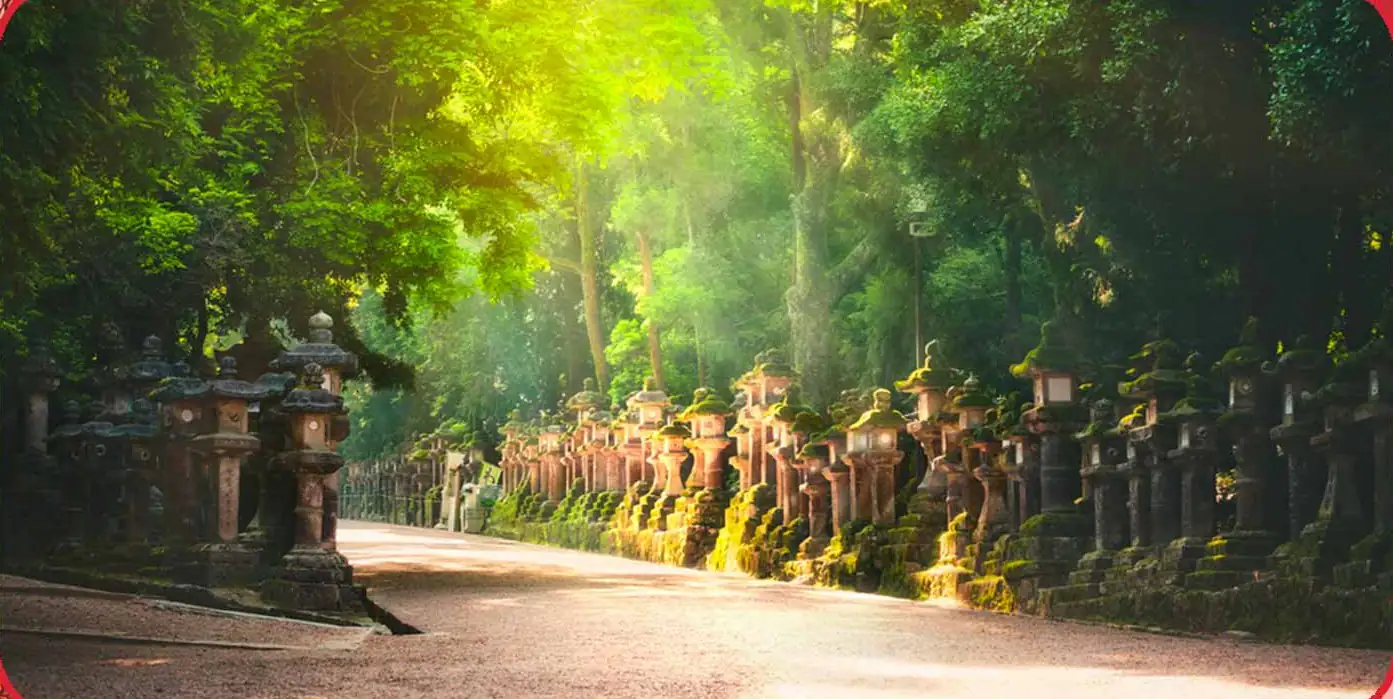
This shrine sits in a vast forest and is known for its Japanese lanterns: around two thousand in stone along the approach paths, and a thousand more in bronze under the eaves. They are lit twice a year.
38. Tokyo Disneysea, Chiba
This park is different from Tokyo Disneyland and from most Disney parks elsewhere, because it aims at an older audience with more intense rides and far better restaurants. It opened in 2001 and drew ten million visitors in under a year, a record for the industry.
39. Ginkakuji Kyoto
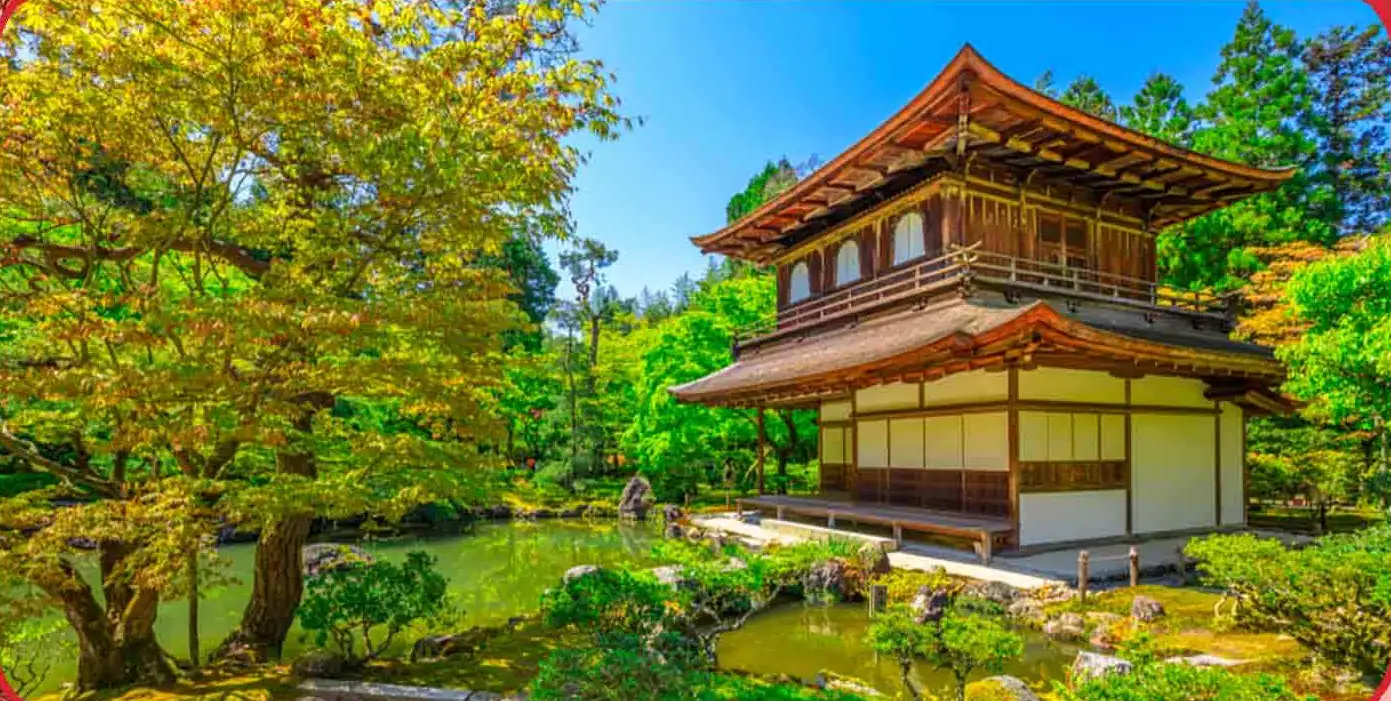
This wooden temple is the quiet counterpart to its sister temple, the Kinkakuji, which carries a golden pavilion. Ginkakuji was meant to be clad in silver and never was. It is the clearest built example of Wabi-Sabi, the Japanese taste for beauty that is incomplete and worn.
40. Kamakura Hasedera Temple
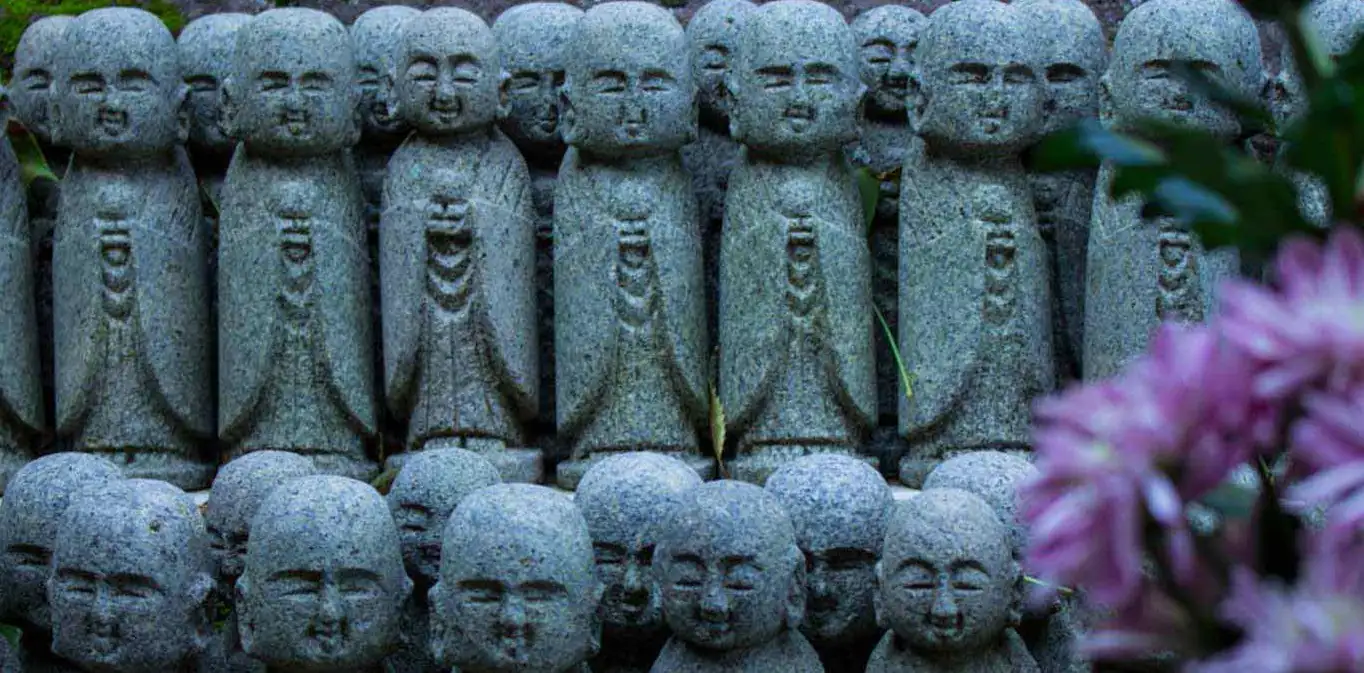
Hasedera is a Japanese religious site filled with sculpture in the image of the gods. It also holds caves cut into the hillside, a hydrangea garden and a revolving sutra library.
41. Kiyomizudera Temple
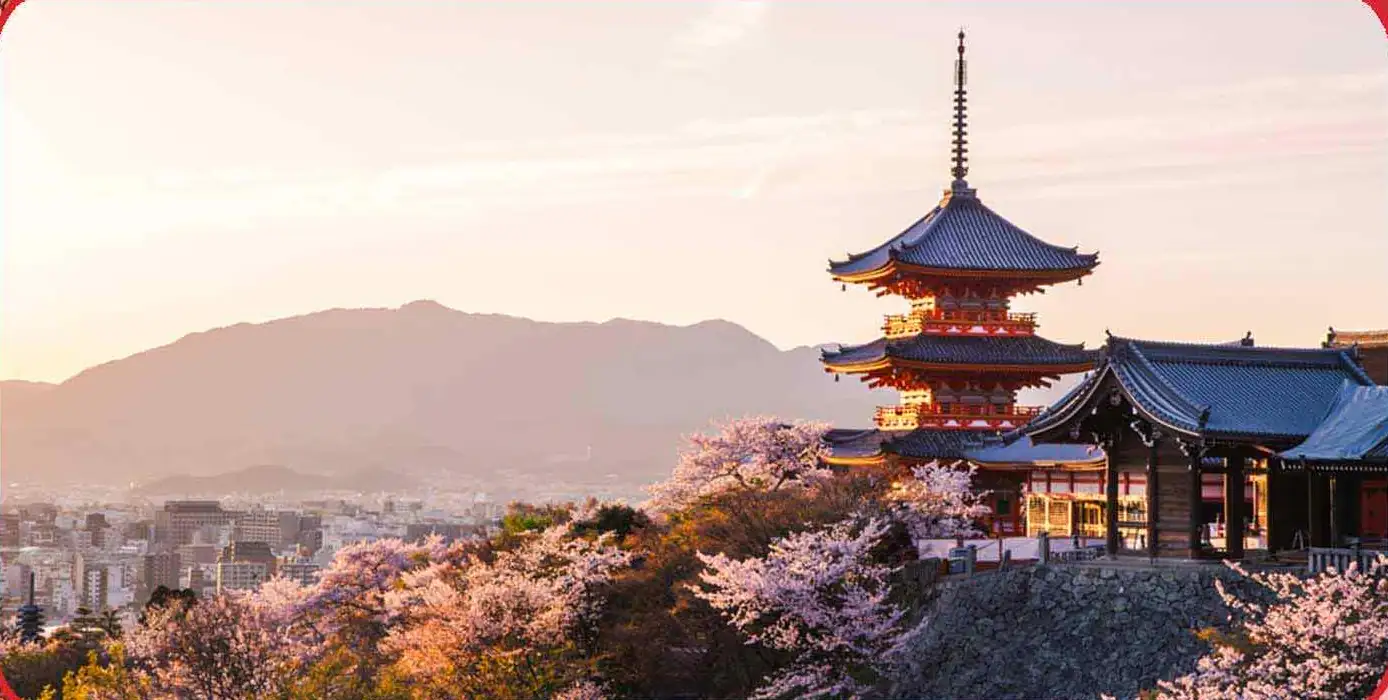
This is a group of halls in a style specific to its period. The present main hall dates from 1633. It is a technical feat: the hall and its wooden terrace were assembled without a single nail. It is a national treasure, and still a working site for Japanese rituals.
42. Tokyo Gai Center
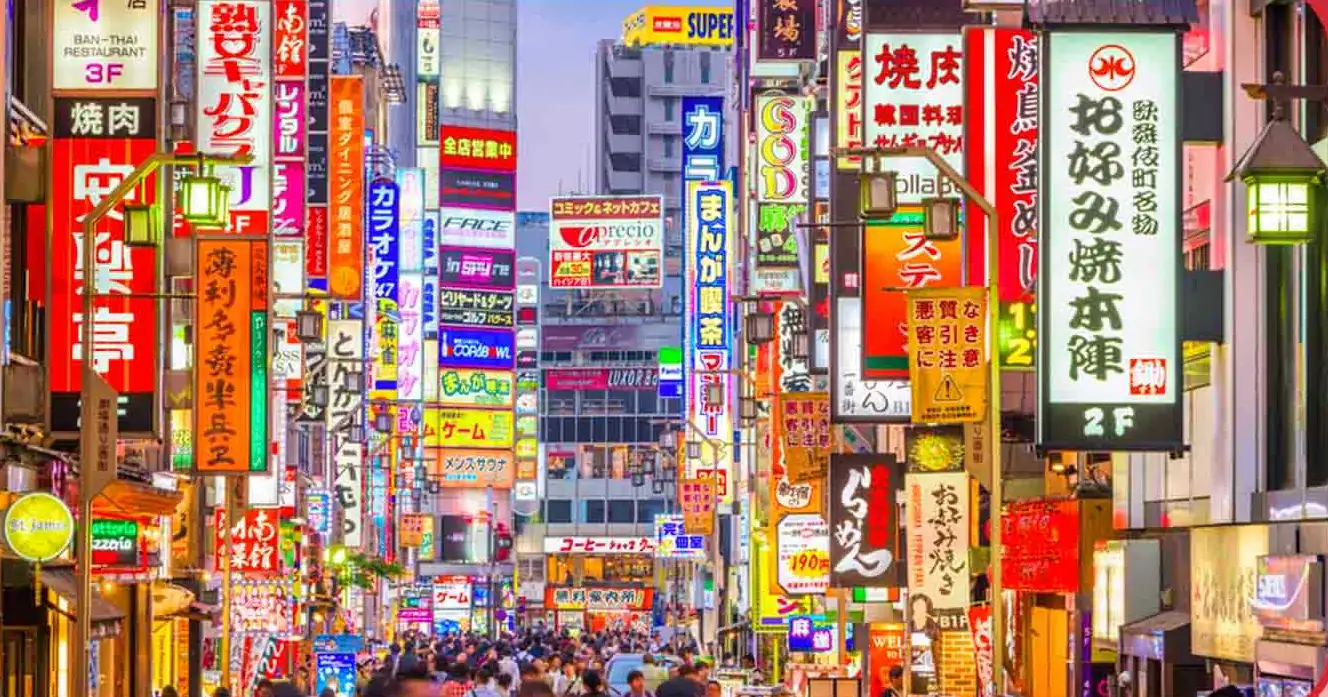
Center Gai is a lively street where the city's teenagers and students gather. Go if you want to see Nipponese subcultures and styles in the wild rather than in a magazine: kawaii, Lolita, bosozoku and Japanese punk all pass through here.
43. Hibiya theatre district, Tokyo
Hibiya is a good stop during your trip to Japan if you want to see live performance. The district has three large theatres, with a mix of plays and shows, plus opera and musicals.
44. Gion Corner Kyoto
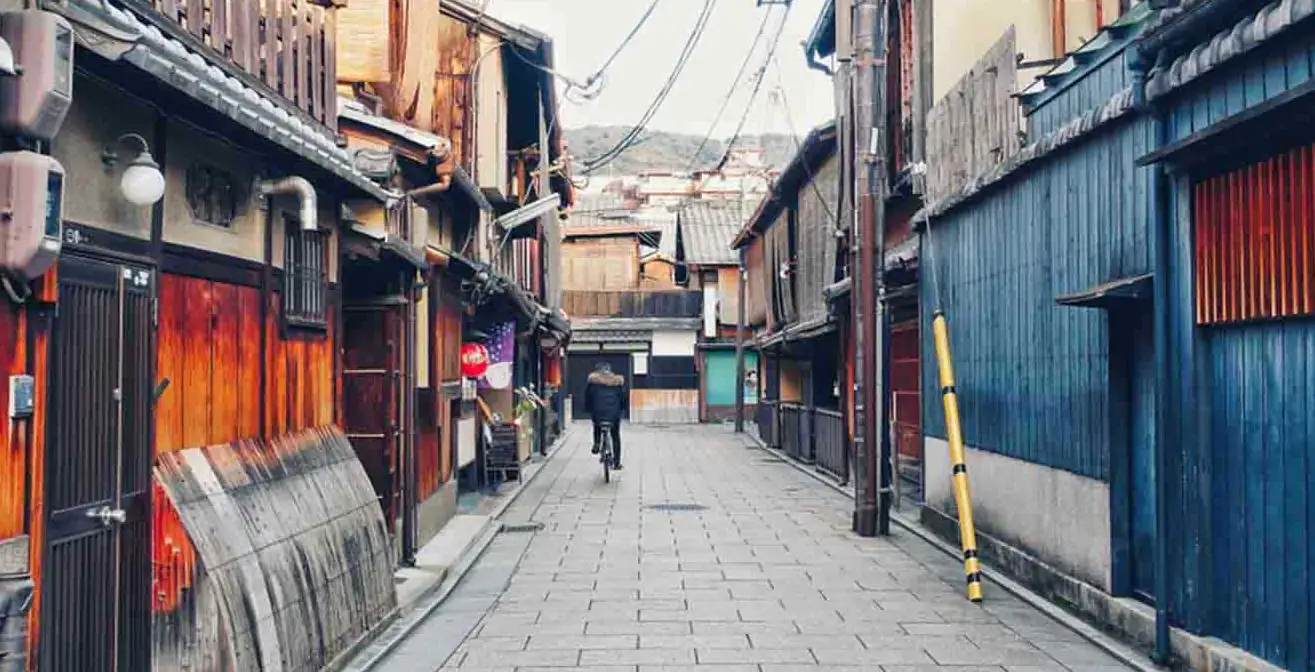
Gion Corner is where you can watch several Kyoto arts in one sitting: dance, Bunraku puppetry, comic theatre and traditional music. The centrepiece is the dance performed by maiko, who are apprentice geisha. They appear in full formal dress, the layered kimono dress that takes two people and a long obi to tie properly.
45. Hashima Nagasaki
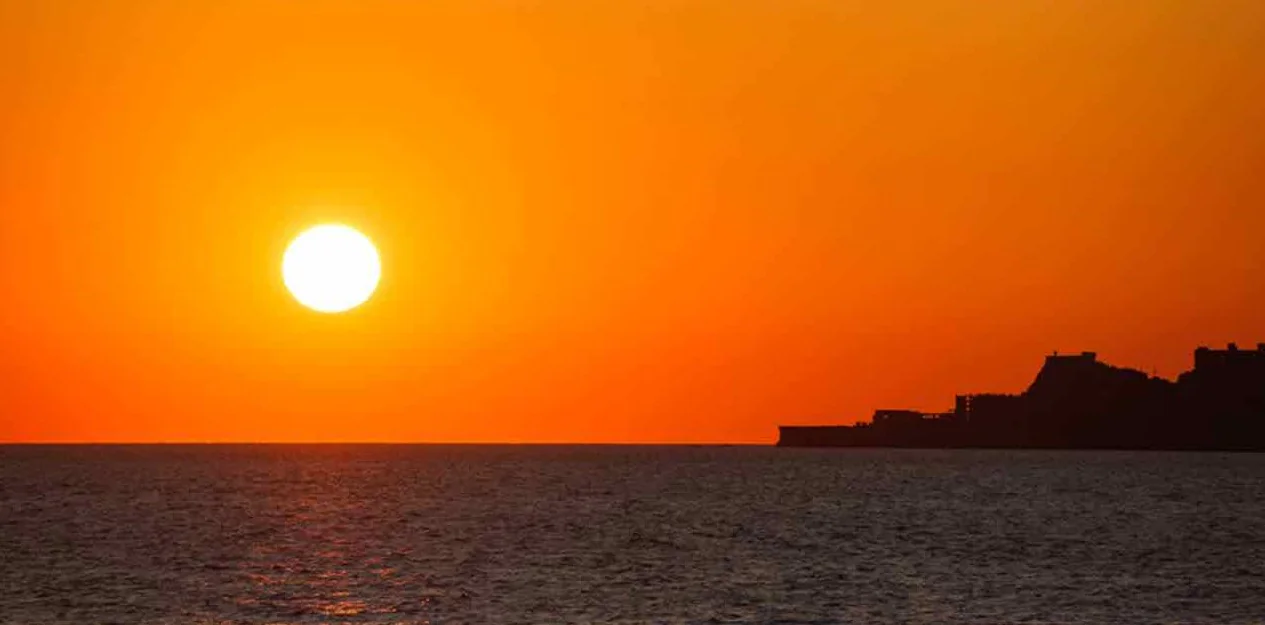
Hashima was a densely populated coal-mining island until 1974, when it was abandoned outright. For nearly thirty years the Japanese island was left to the sea. Photographers brought it back into view in the 2000s, and it was listed as a UNESCO World Heritage site in 2015. Paradoxically, the empty island now draws visitors by boat from Nagasaki.
46. Abeno Harukas Osaka
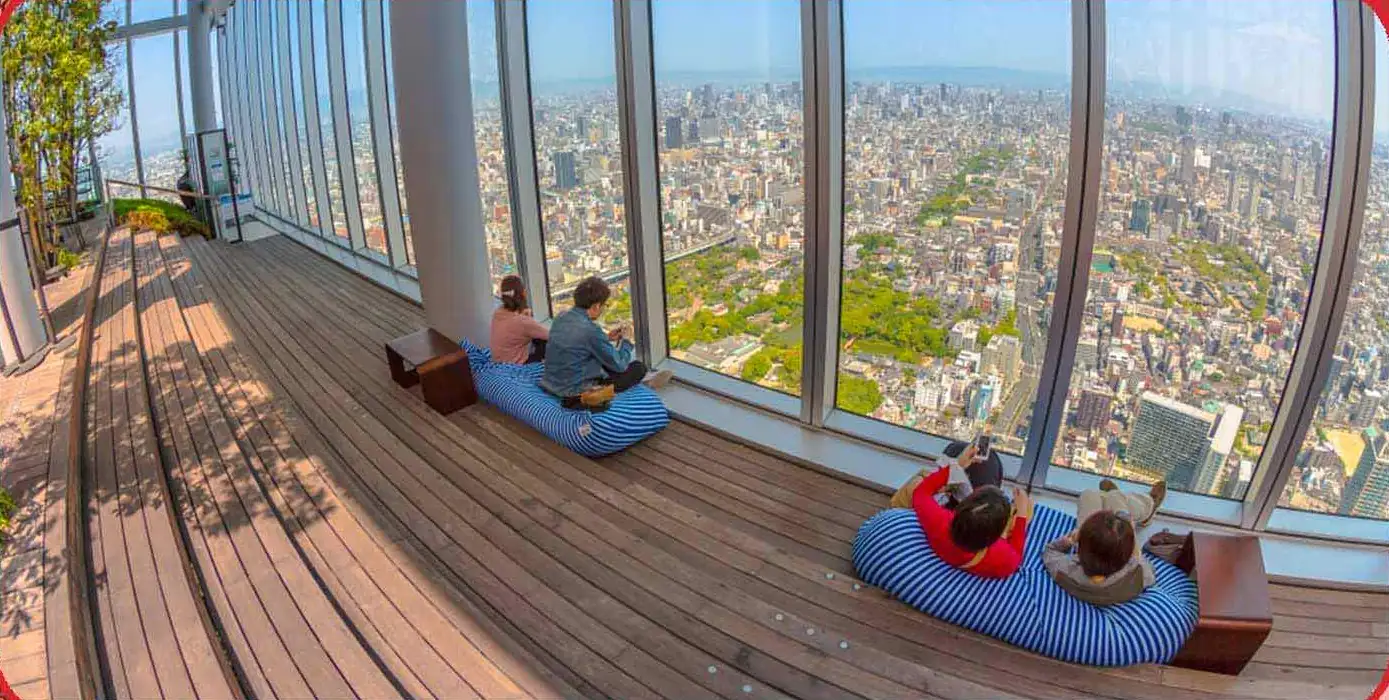
Abeno Harukas is the tallest building in Osaka and one of the tallest in Japan. Its viewing floors are glazed from floor to ceiling, so the city sits right under your feet.
47. Kumamoto Castle
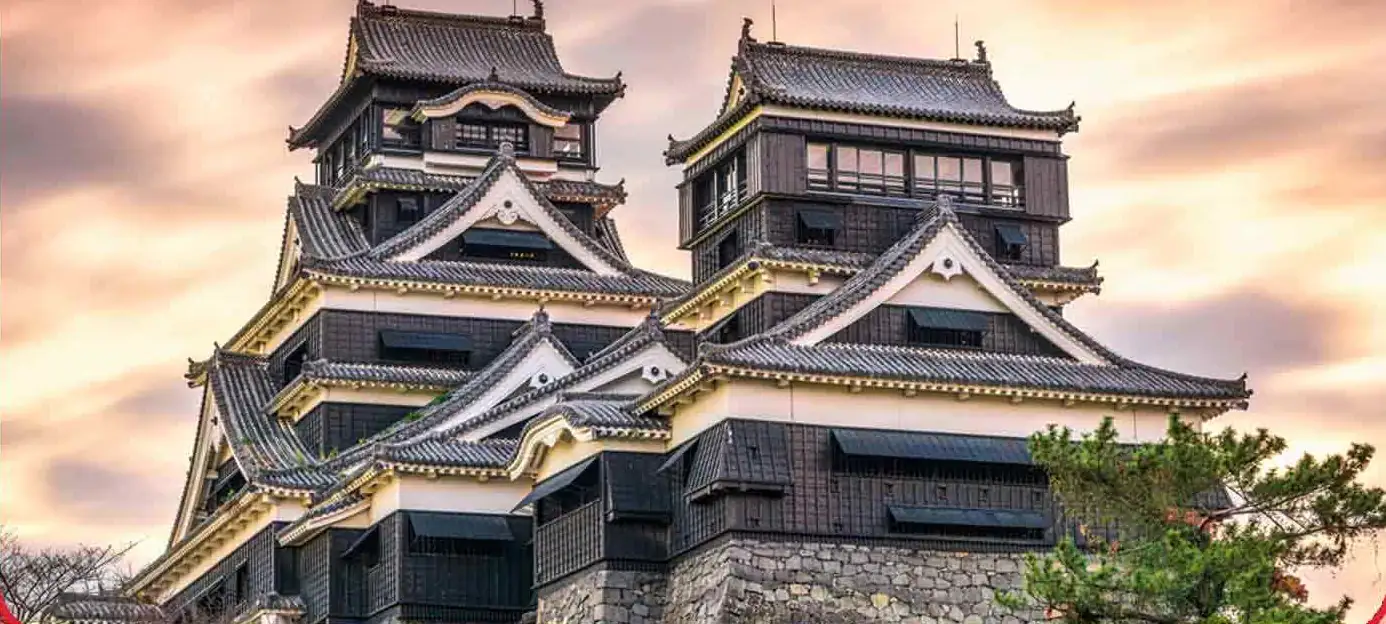
Come here for the mix: modern reconstruction alongside thirteen original structures and the superb curved stone foundations, which earned the castle its reputation among builders. Repairs after the 2016 earthquake have been long, so check which areas are open before you travel.
48. Himeji Castle
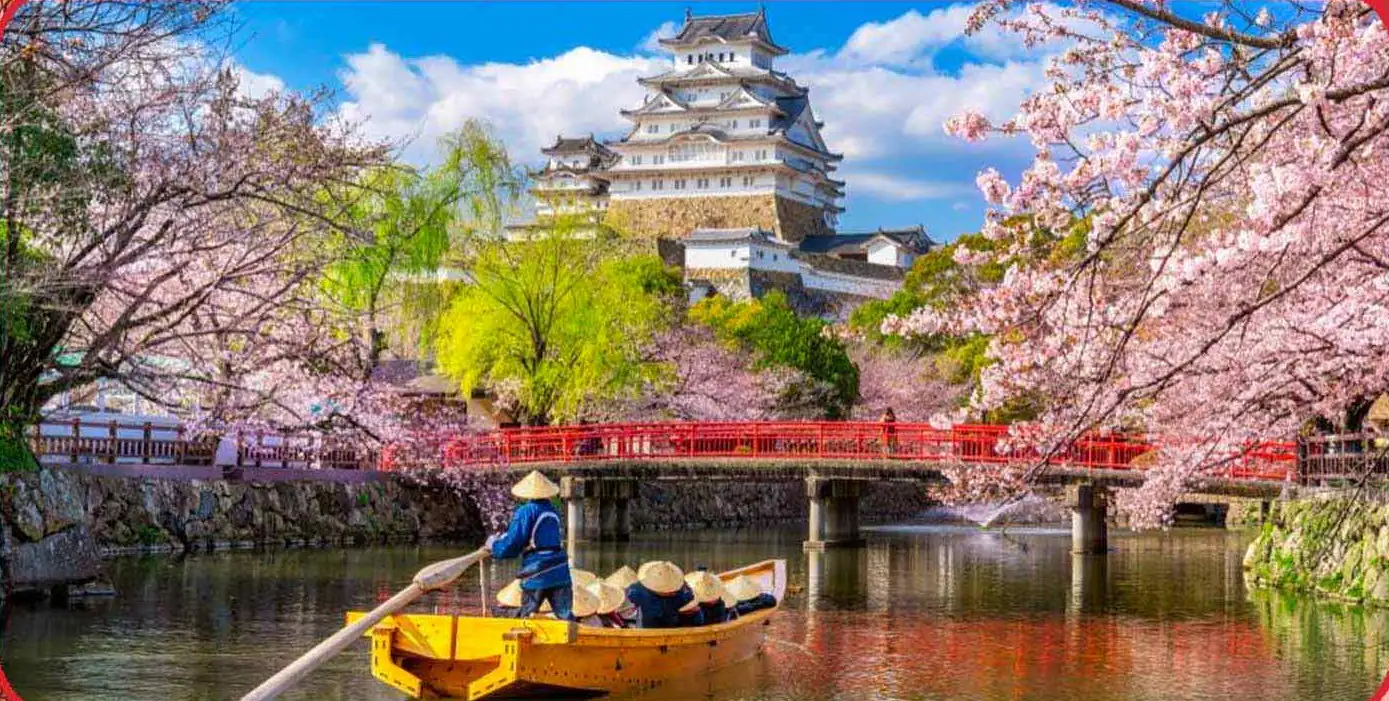
This is the most imposing castle left in Japan, and plenty of legends cling to it, including ghost stories about the spirits called yurei. It is one of the few castles that still has its original tenshu, the wooden main keep. Film crews know it well: it has stood in for feudal Japan in Kagemusha, Ran, the Abarenbo Shogun series and the James Bond film You Only Live Twice.
49. Yokohama Chinatown
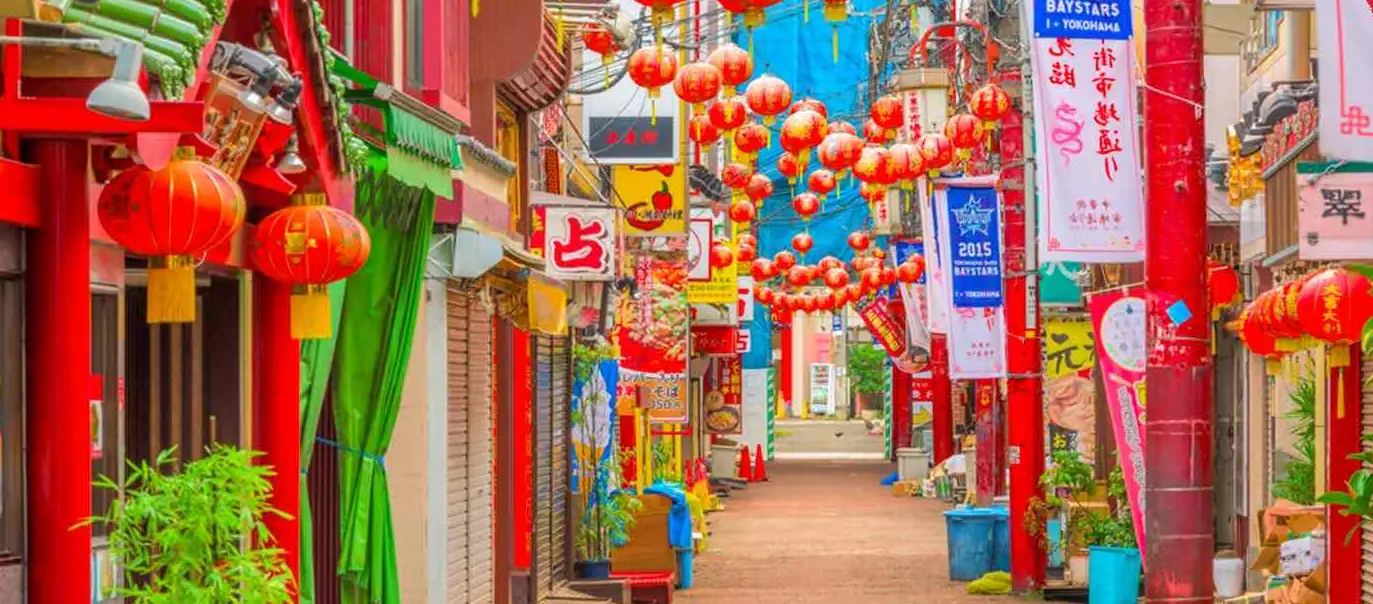
Yokohama's Chinatown is the largest in Japan. Set near the waterfront, it holds hundreds of shops and restaurants, and it is known for its temple and its painted gates.
50. Sukiyabashi crossing, Tokyo
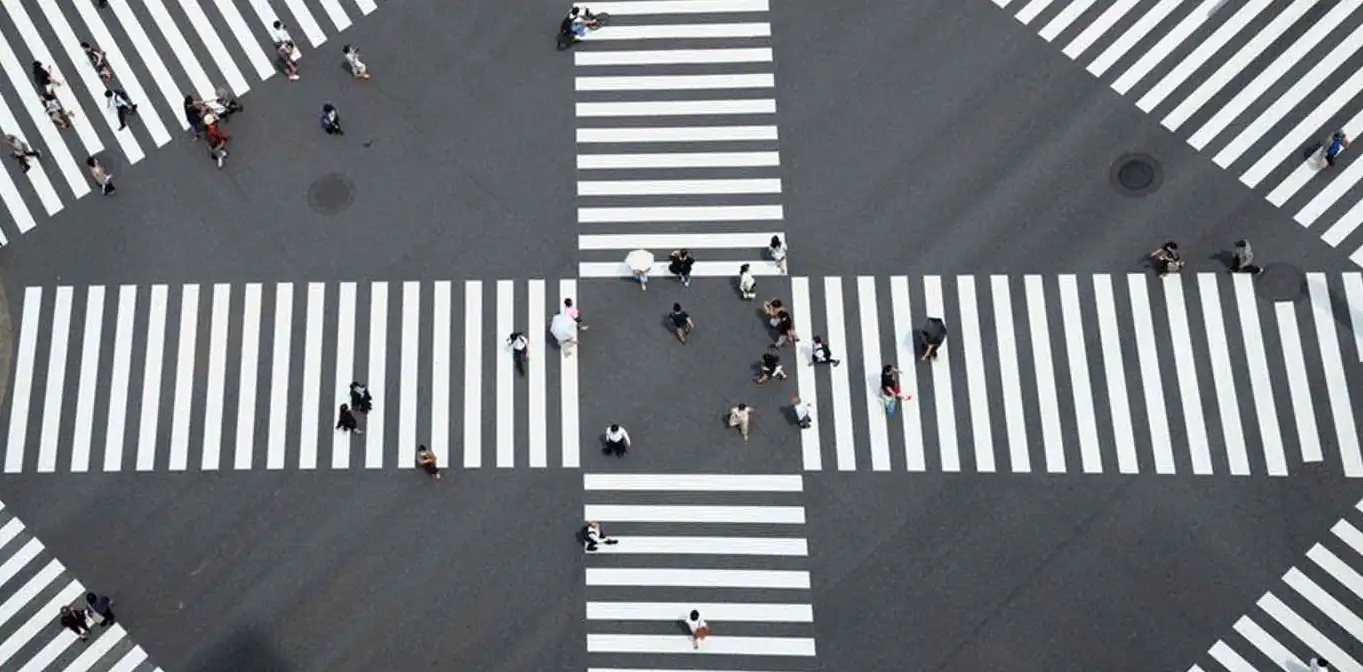
This wide crossing in Ginza is framed by screens, neon and contemporary Japanese architecture. If you came to discover Japanese food culture, this is also the address of Sukiyabashi Jiro. The sushi counter held three Michelin stars and left the guide when it stopped taking public bookings. The documentary Jiro Dreams of Sushi explains why people still try.
51. Kyushu National Museum, Fukuoka
This museum walks you through Japanese history, from prehistory to the present, with a strong focus on exchanges with the rest of Asia. Its collection holds a large number of national treasures.
52. Sankeien Yokohama Garden
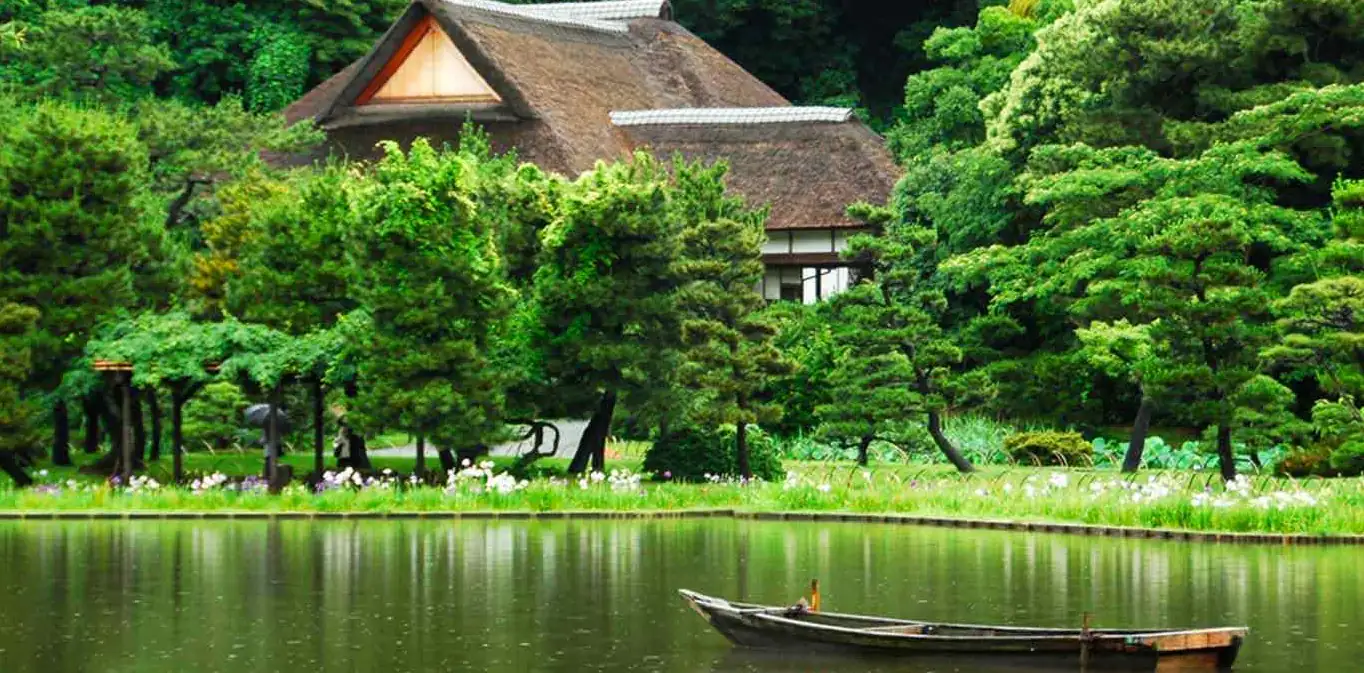
This Nipponese garden was laid out and opened to the public by a wealthy silk merchant. He moved historic buildings here from across the country, so you walk past old farmhouses and tea houses around a generous pond.
53. Nippon Maru Yokohama
Launched in 1930, the Nippon Maru is a large sail training ship that you can now visit like a museum. She is berthed in the Minato Mirai district of Yokohama.
54. Nakasu, Fukuoka
Nakasu is a small island where you eat local specialities such as Hakata ramen. It is known for its yatai, the open-air food stalls that set up along the river at dusk.
55. Kitanomaru Park Tokyo
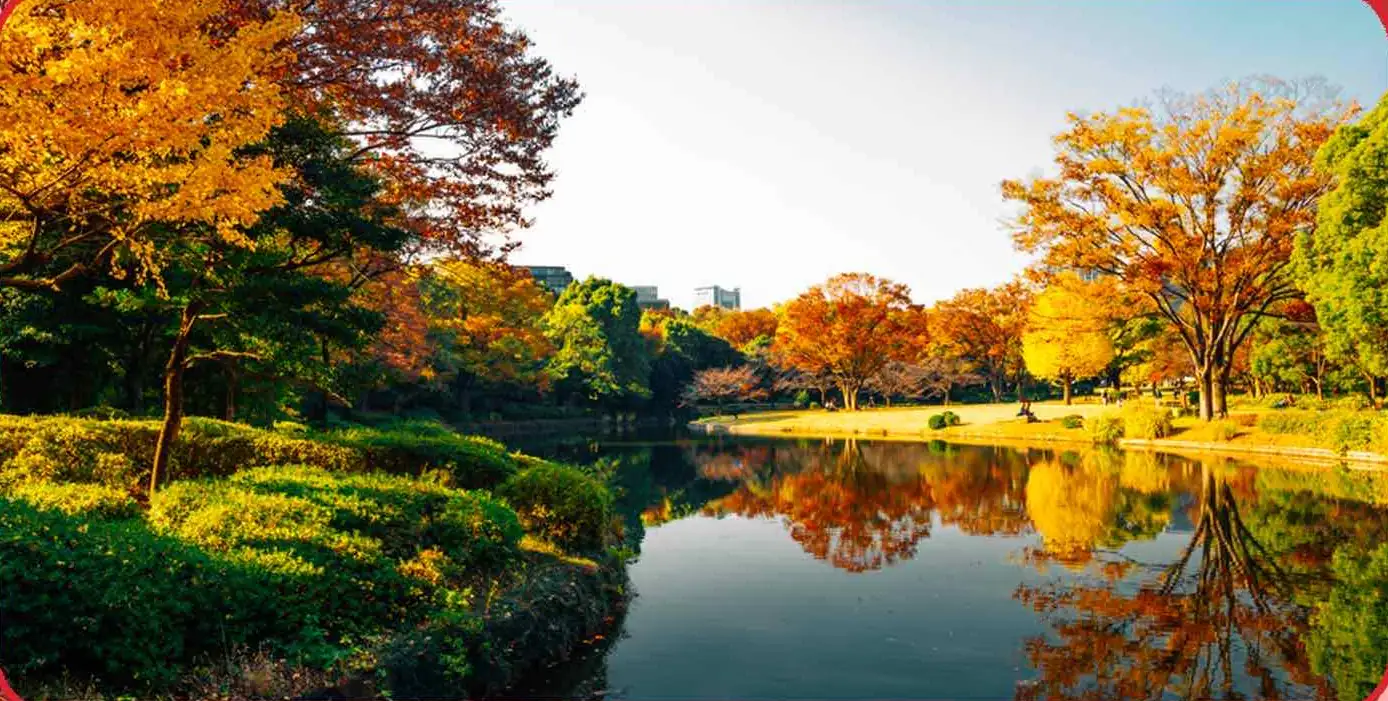
This park, on the northern side of the palace grounds, is popular for its walkways and its wide lawns. It is a good place to sit down between two museums.
56. Nakamise Dori, Tokyo
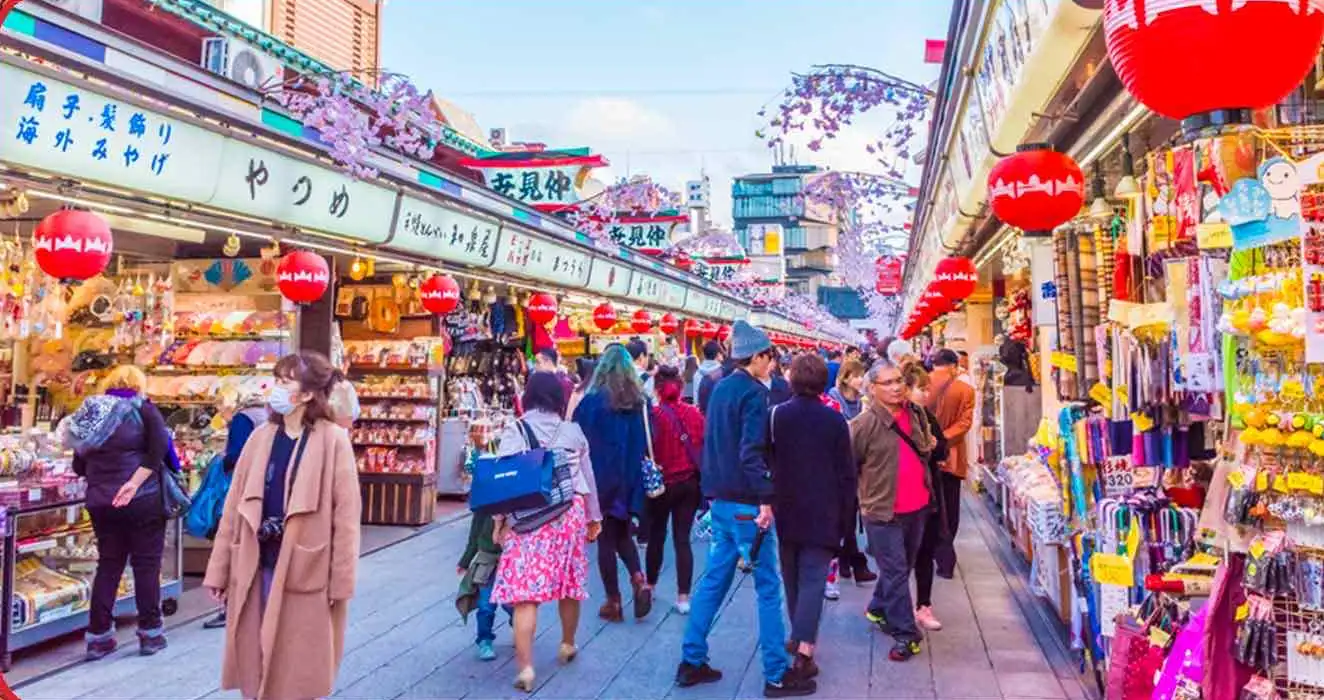
This is a long shopping lane where you buy souvenirs and taste traditional snacks on the spot. The street leads straight to the Tokyo Sensoji Temple.
Most of what is sold here is either edible or fragile. The souvenir I always end up carrying home is tea: matcha (抹茶), the stone-ground green tea powder used in the tea ceremony. It travels well, and it is unusable without a bowl and a bamboo whisk.

57. Matsumoto Castle
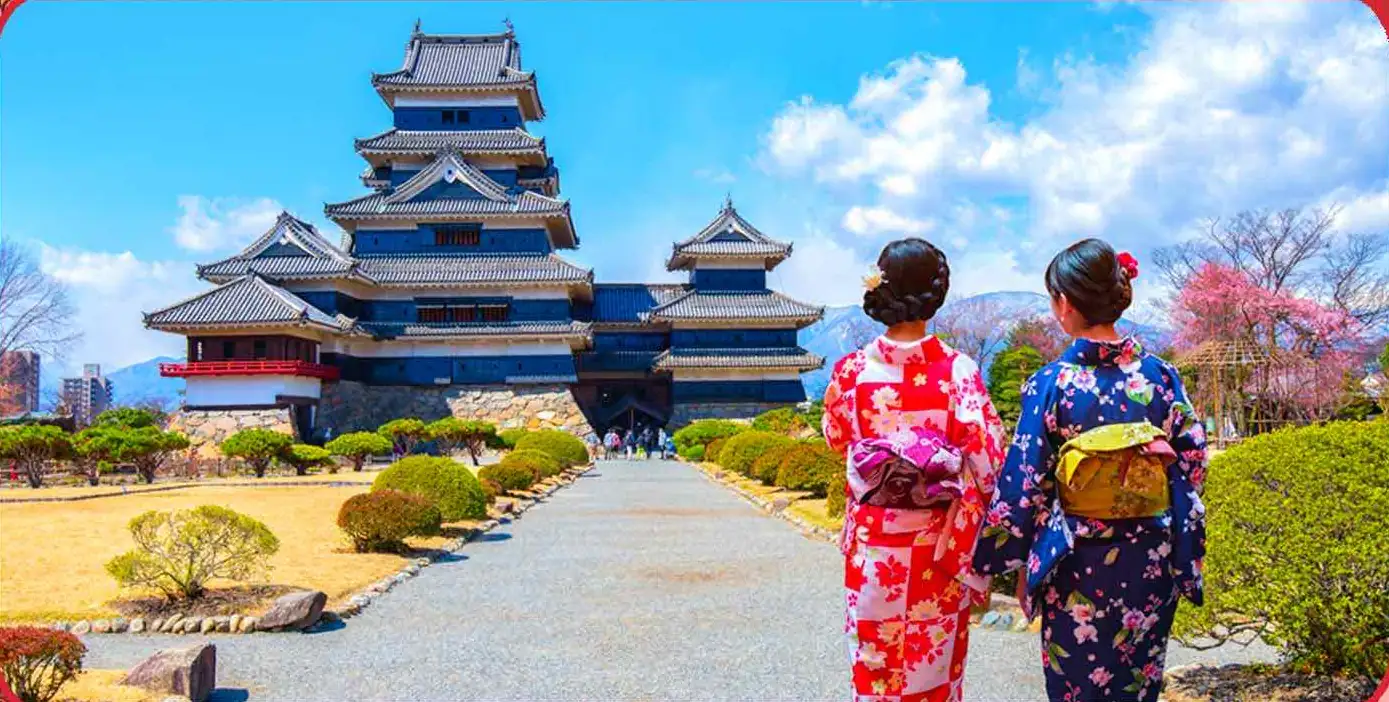
This castle was completed in 1594 and still has its original keep, which makes it one of the oldest in Japan. Its black and white walls stand out, and the gardens around it keep the character of the late Edo period, the age of samurai retainers and shinobi spies.
58. Enoshima Shrine
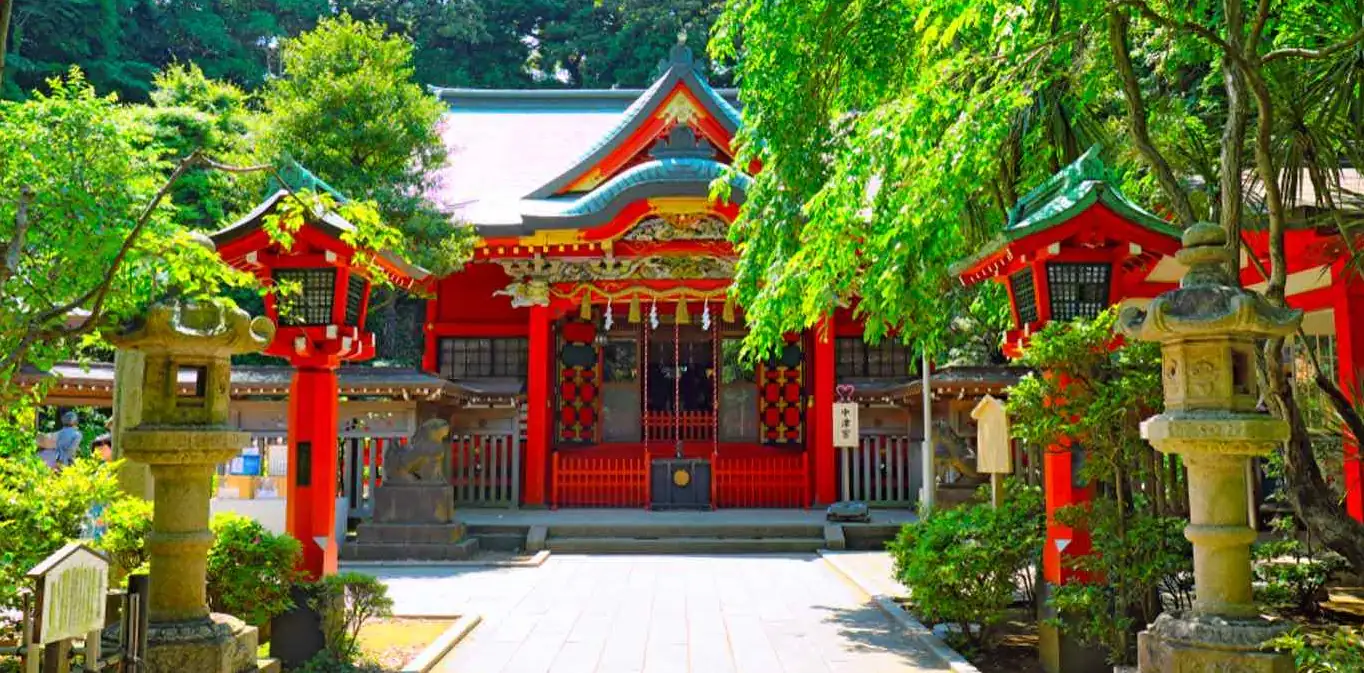
This Shinto shrine is dedicated to Benzaiten, the goddess of music, eloquence and good fortune. Her naked seated statue is kept here. Couples climb the island anyway, to ring the bell on the far cliff and hang a padlock for luck.
59. Takeshita Street
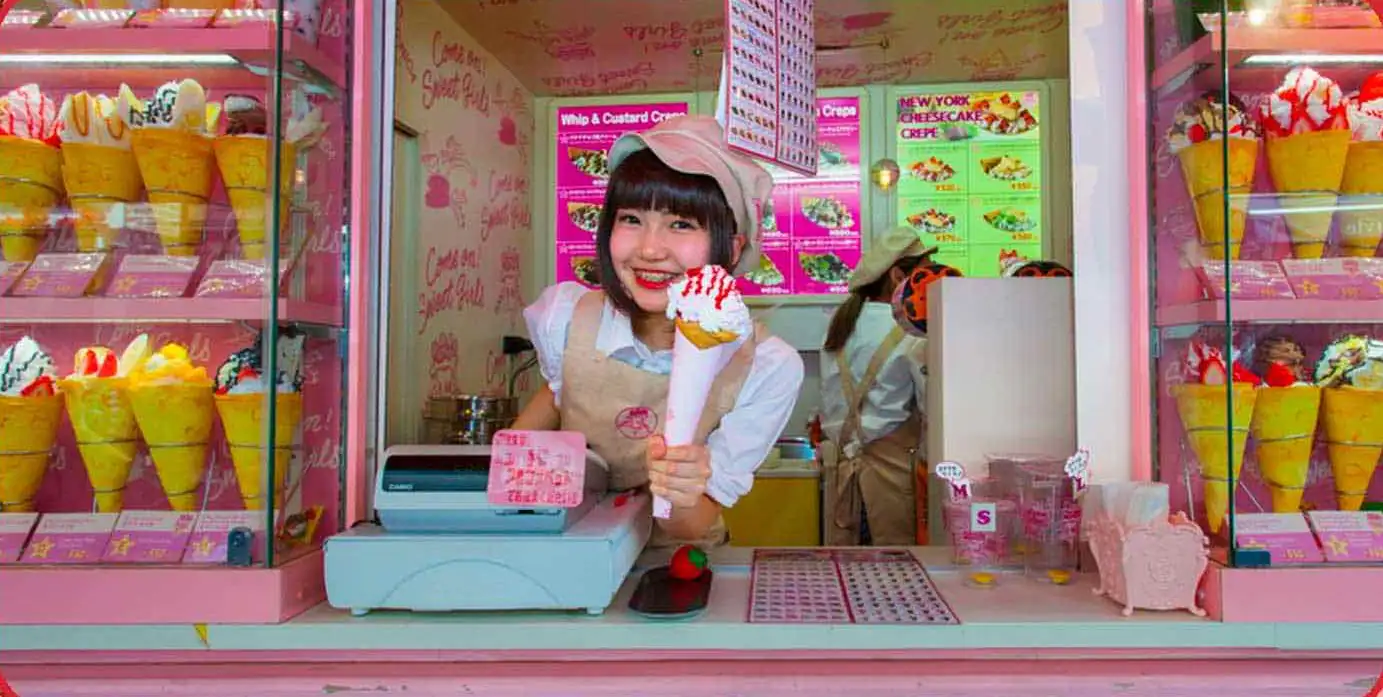
This street in Harajuku has pulled in teenagers since the 1970s. It is lined with small shops selling subculture clothing, plus cheap places to eat. Go on a weekday if you would rather move than shuffle.
60. Kabukiza Theatre, Tokyo

This Japanese theatre was first built in 1889 and rebuilt in 2013. It is the grandest kabuki house in Tokyo, with performances held daily. Full-programme seats are expensive, but single-act tickets exist for the upper gallery, and they are the easiest way to see kabuki for the first time.
61. Hamarikyu Onshi Teien Hamarikyu
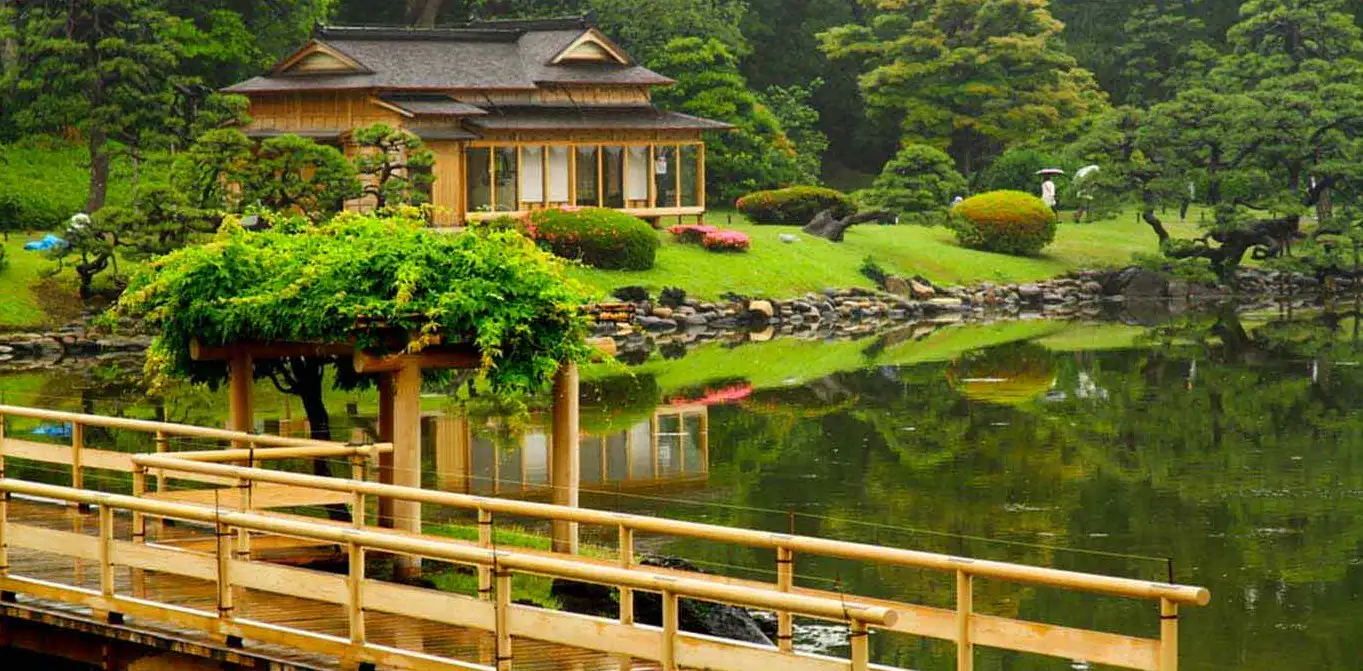
You will find this 17th-century garden on the edge of the capital's business district, with towers reflected in a tidal seawater pond. The planting is arranged so that something is always in flower, whatever month you arrive.
62. Isuien Nara
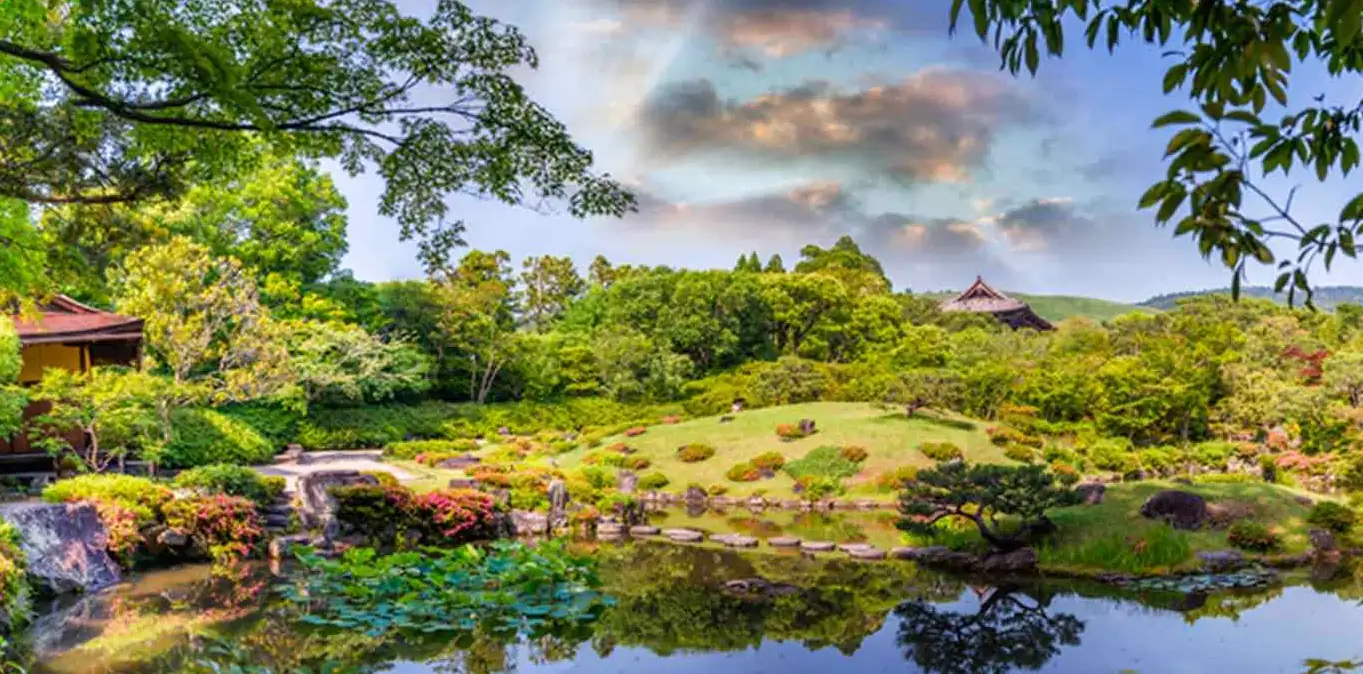 Isuien in Nara, made for a slow walk
This garden is composed so that the hills of Nara and the roof of Todaiji become part of the view. The technique is called borrowed scenery, and it is what makes a small garden feel open.
63. Omotesando Avenue Tokyo
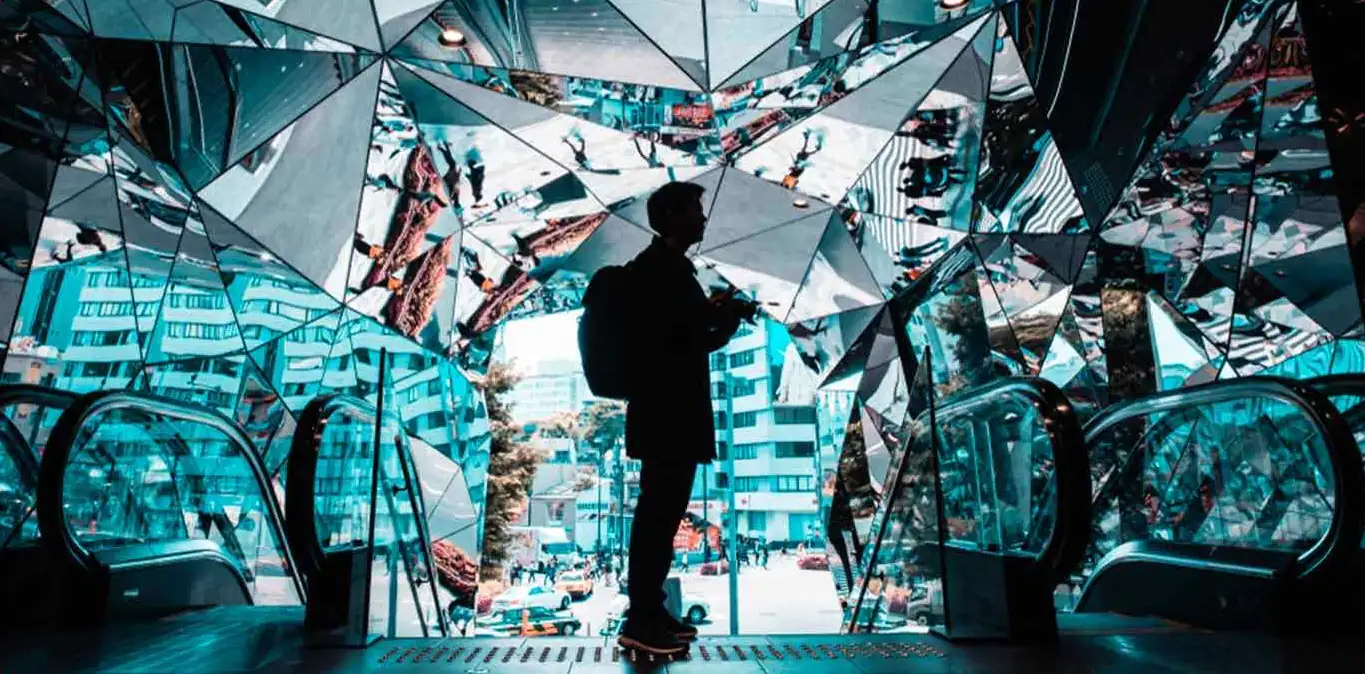
This broad Nipponese street runs up to the Meiji Shrine under a double row of zelkova trees. It is known for its flagship stores and for the architects who designed them. Walk it once and the comparison with the Champs Elysees makes sense.
64. East Gardens of the Imperial Palace, Tokyo
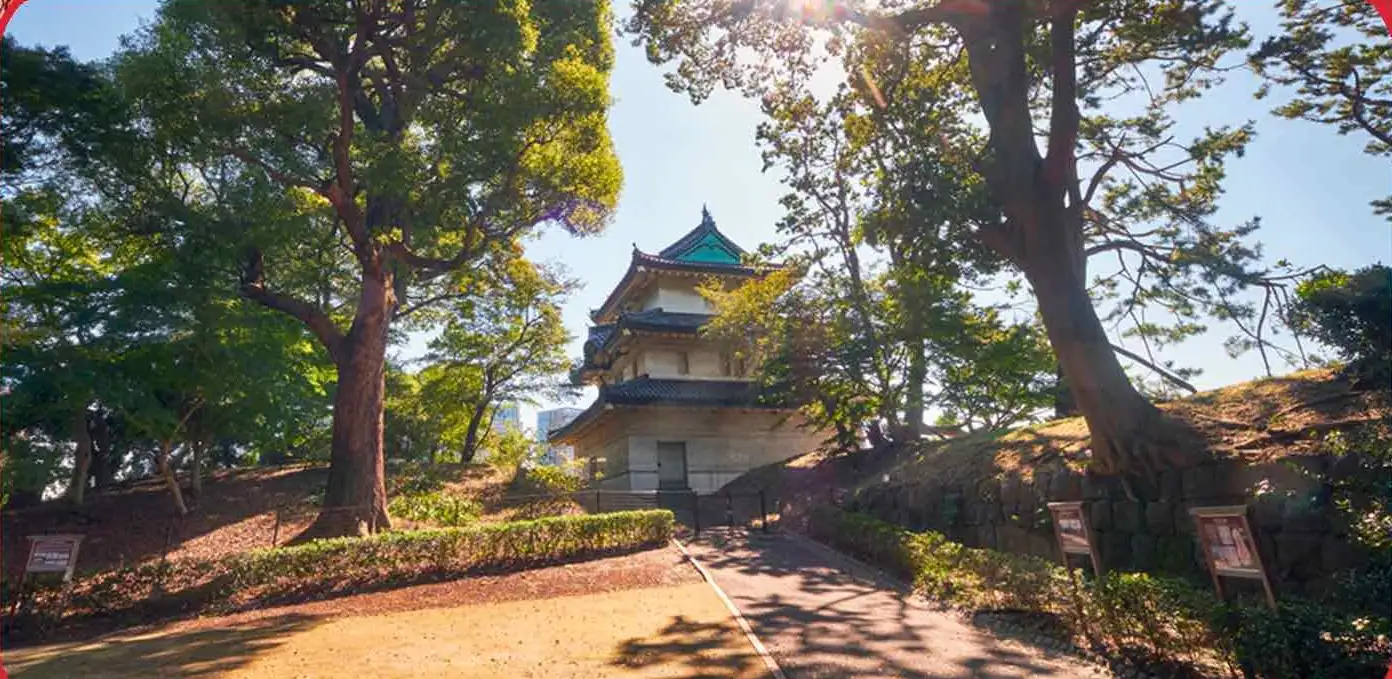
The East Gardens open most days of the week, and this is where you walk up to the remains of Edo Castle, including the stone platform of the vanished keep.
65. Koishikawa Korakuen
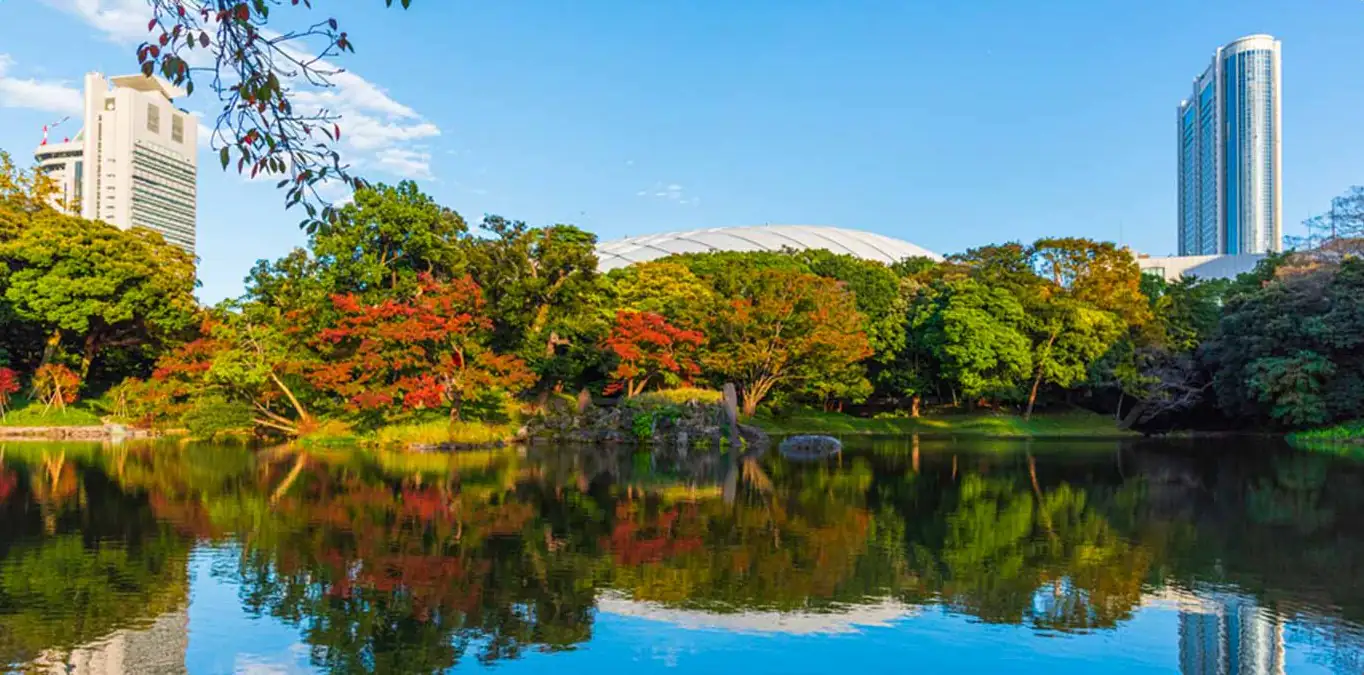
Created in 1629, Koishikawa Korakuen is a stroll garden in the centre of the Japanese capital. It holds cherry and plum trees, bamboo and even a small rice paddy, with some 3,000 trees in all. Autumn is the moment to come, when the maples turn.
66. Daitokuji Temple
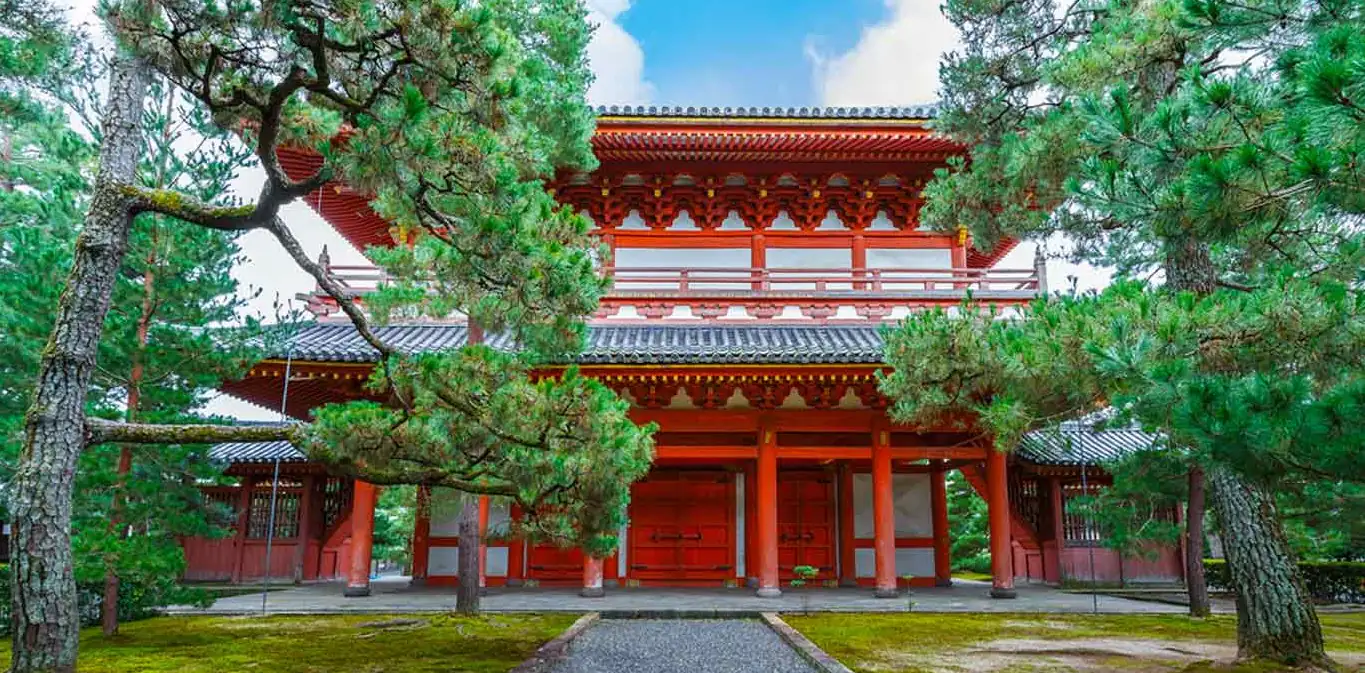
North of Kyoto, Daitokuji gathers more than twenty Zen subtemples, several of which are famous for their autumn colour. One of them, Zuiho-in, holds a rock garden raked in the shape of a cross, a trace of its Christian daimyo founder.
67. Ashikaga Flower Park
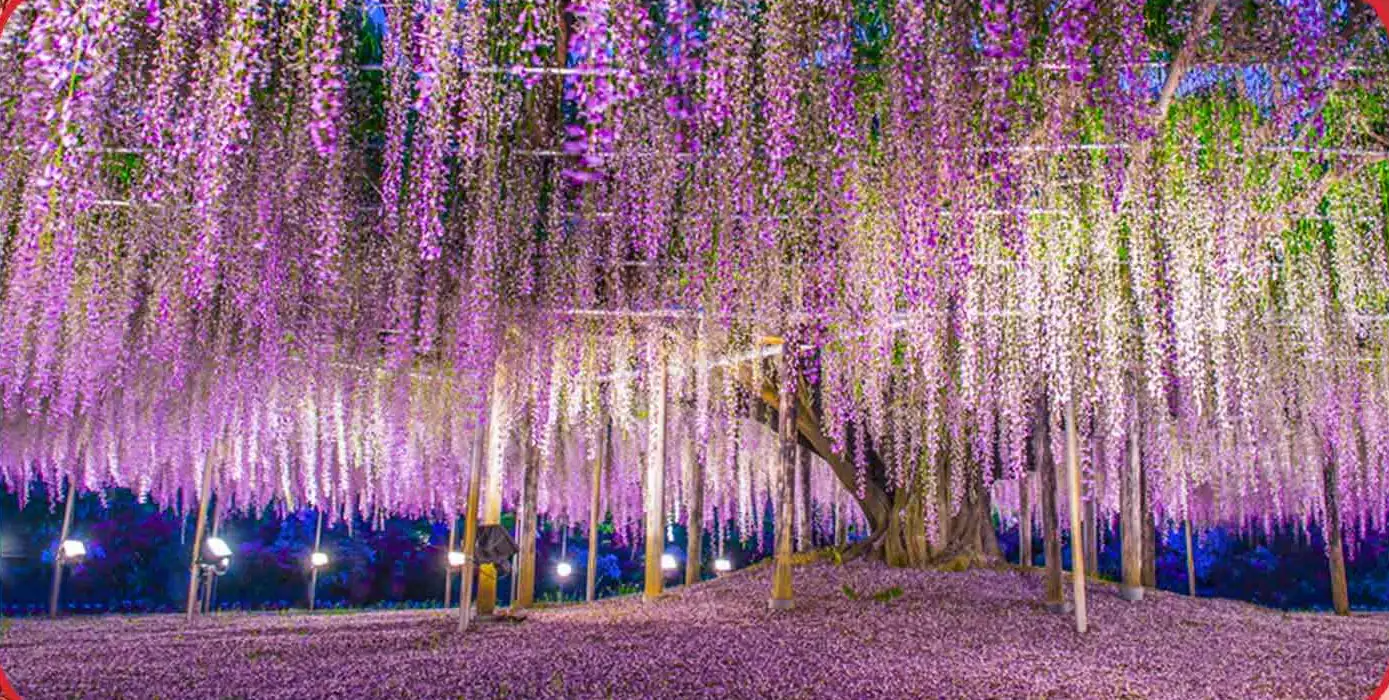
This is the park for wisteria, including tunnels of hanging blossom and a single vine trained over hundreds of square metres. At night the planting is illuminated, and the seasonal light displays are as popular as the flowers.
68. Pontocho Kyoto
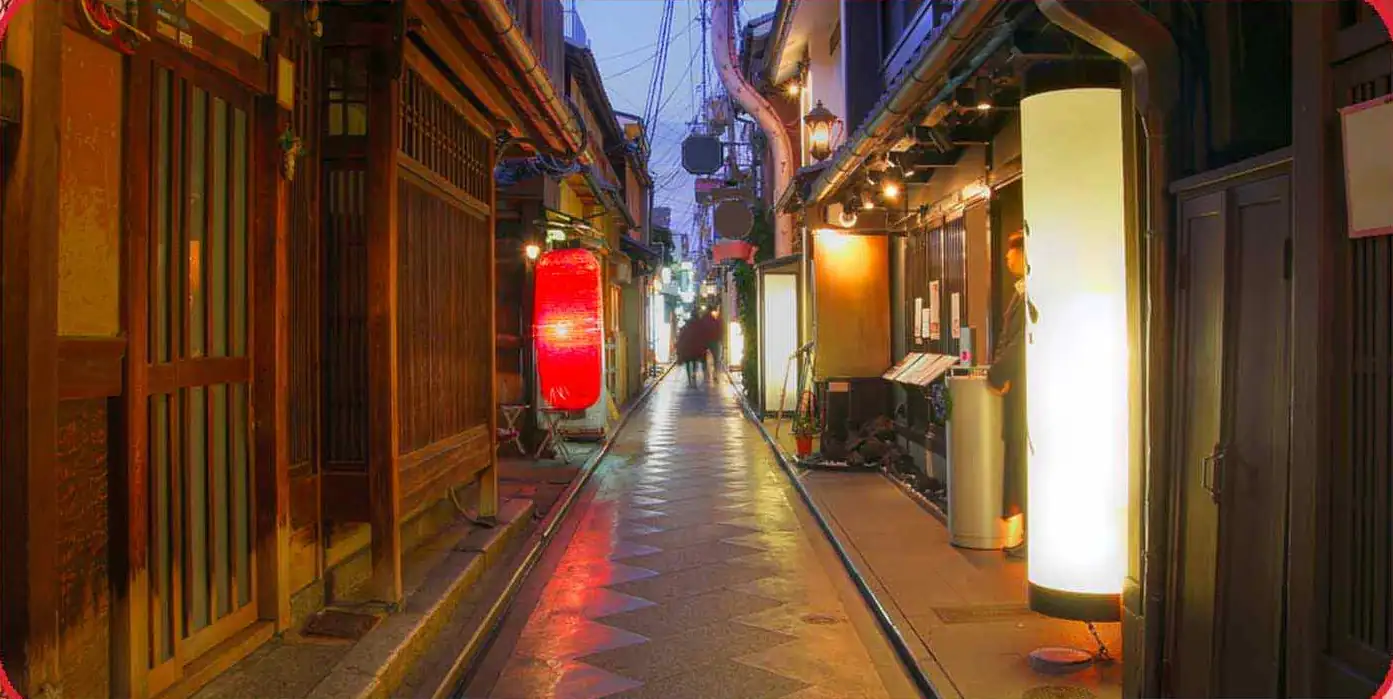
This part of Kyoto comes alive at night and is known for its old restaurants. Pontocho is a narrow stone lane lit low, running parallel to the river. In summer, ask for a kawayuka table, one of the wooden terraces built out over the water.
69. Shibuya 109 Tokyo
This mall built its name on tracking young women's fashion in Tokyo floor by floor, and on changing its line-up as fast as the styles do.
70. Kasumigaseki Tokyo
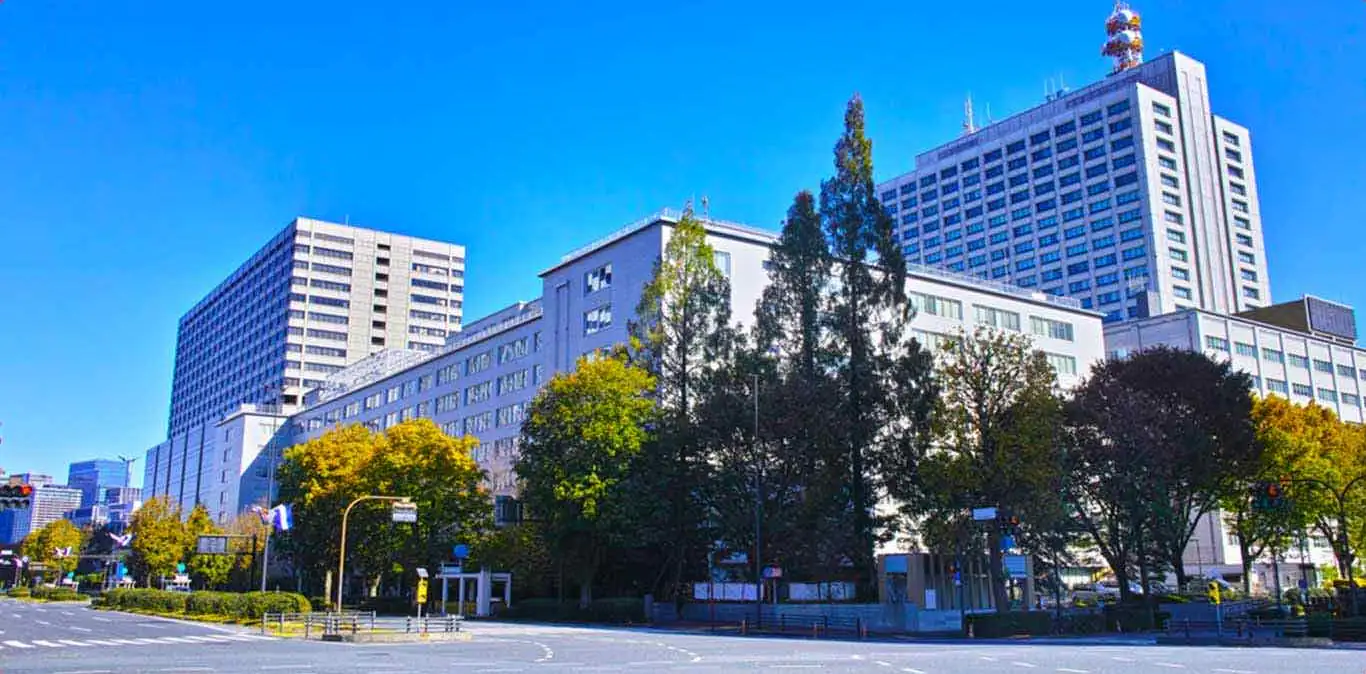
This district lies south of the Tokyo Imperial Palace. It holds the machinery of the Japanese state: the ministries and the Supreme Court.
71. Nijo Kyoto Castle
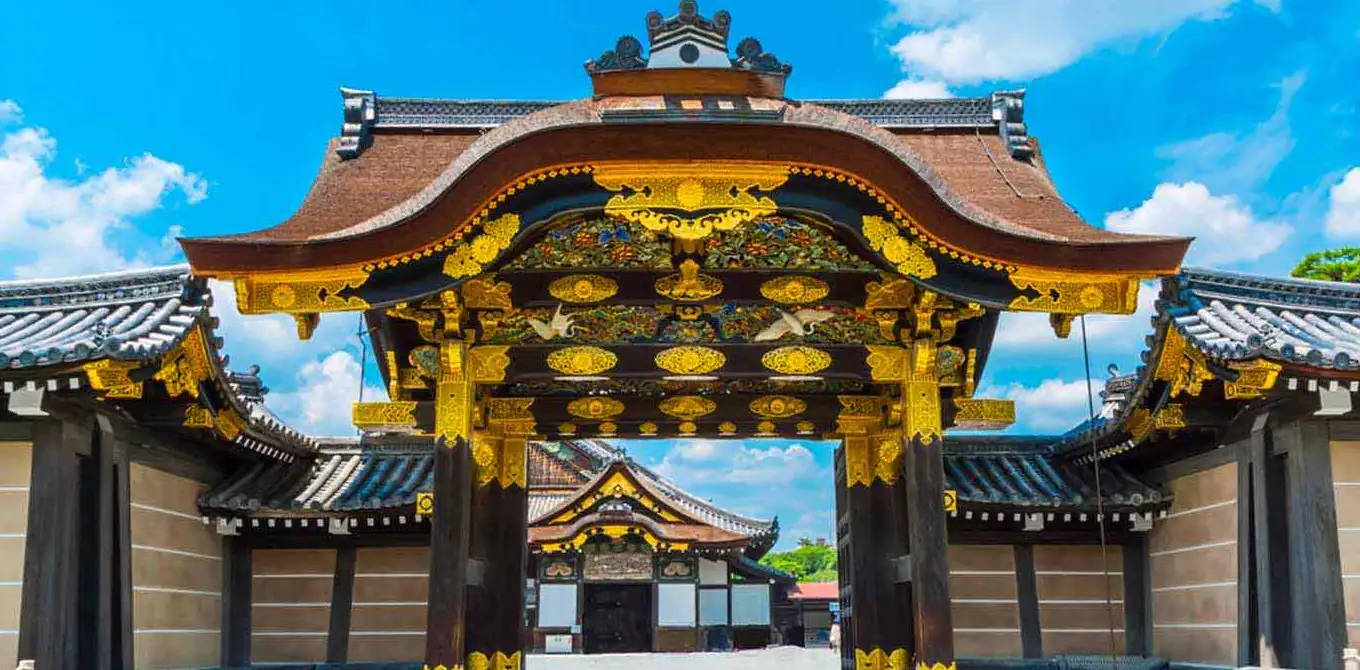
This castle is steeped in history, because the Tokugawa shoguns stayed here when they came to Kyoto. It has two rings of moats and two palaces. Walk the corridors of the Ninomaru and you will hear the nightingale floor sing under your feet, a device built so no intruder could cross in silence.
72. Fushimi Momoyama Genkoan
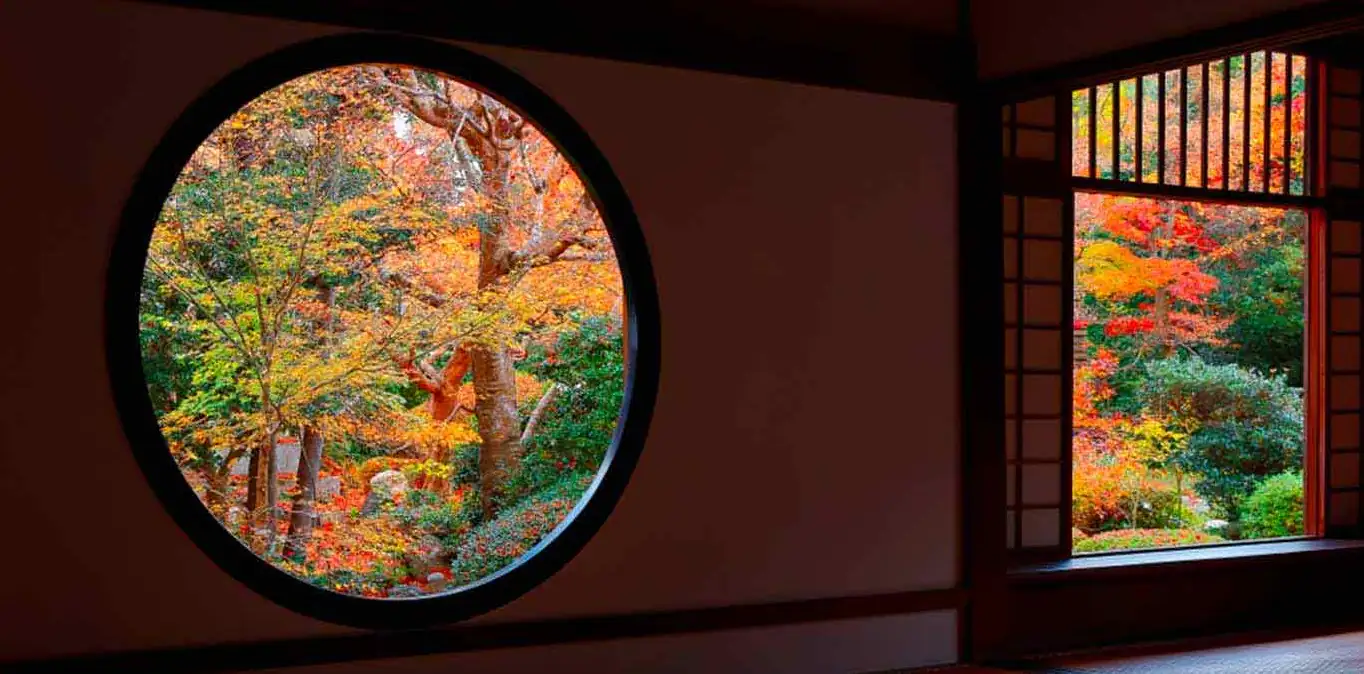 Genkoan is located in Kyoto
Genkoan is a Zen temple in Kyoto with a Wabi-Sabi reading of beauty, and two famous windows, one round, one square. Its ceiling boards come from Fushimi Momoyama Castle, taken down after the bloody siege that ended there.
73. Shiretoko
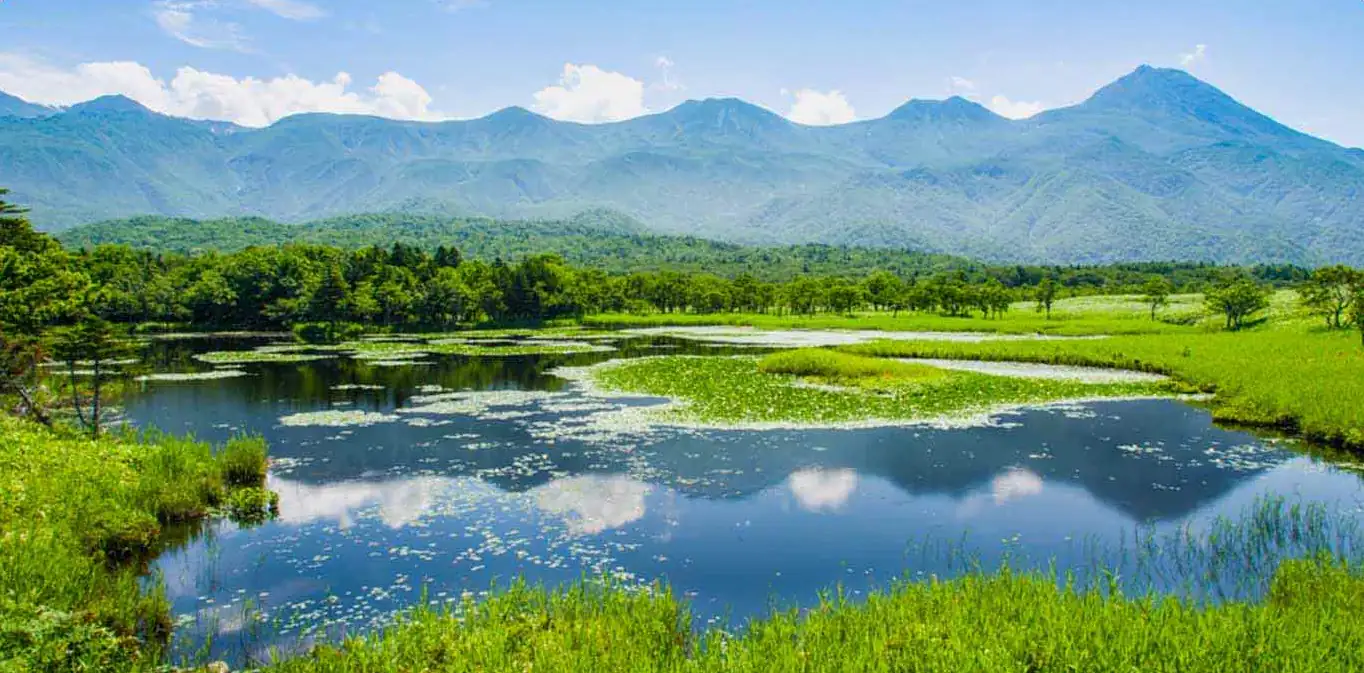
This national park packs in forests, waterfalls, volcanoes and cliffs. The peninsula is so remote that its name is often translated as the end of the earth.
Each season offers something different. In summer you can camp, hike and cycle, while keeping a careful distance from brown bears. In winter the drift ice arrives from the north, and you can walk on it with a guide and a dry suit.
74. Rikugien Park
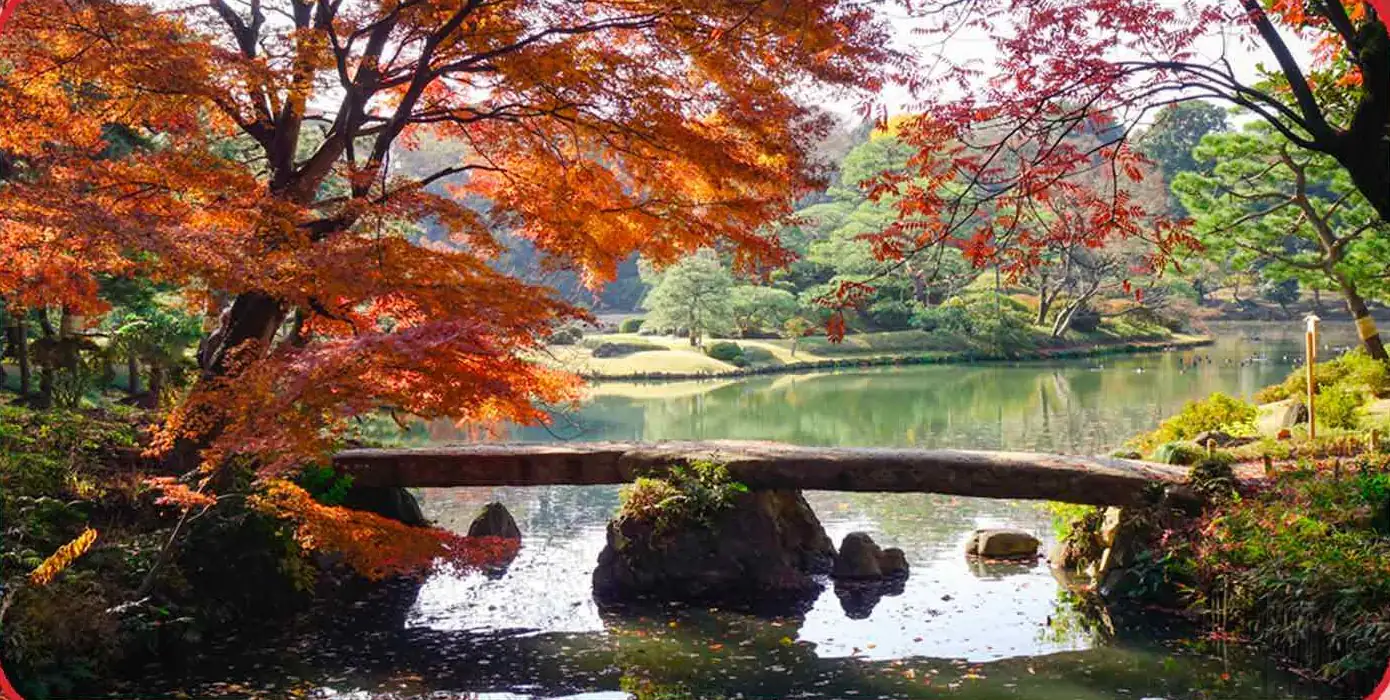
This garden dates from 1695. Along its walking path it recreates close to 90 scenes from classical Japanese poetry, each one marked by a stone.
75. Tokyo Auto Salon, Chiba
If cars interest you, the Tokyo Auto Salon is your date: a tuning and customisation show held each January at Makuhari Messe in Chiba.
76. Den Den Town, Osaka
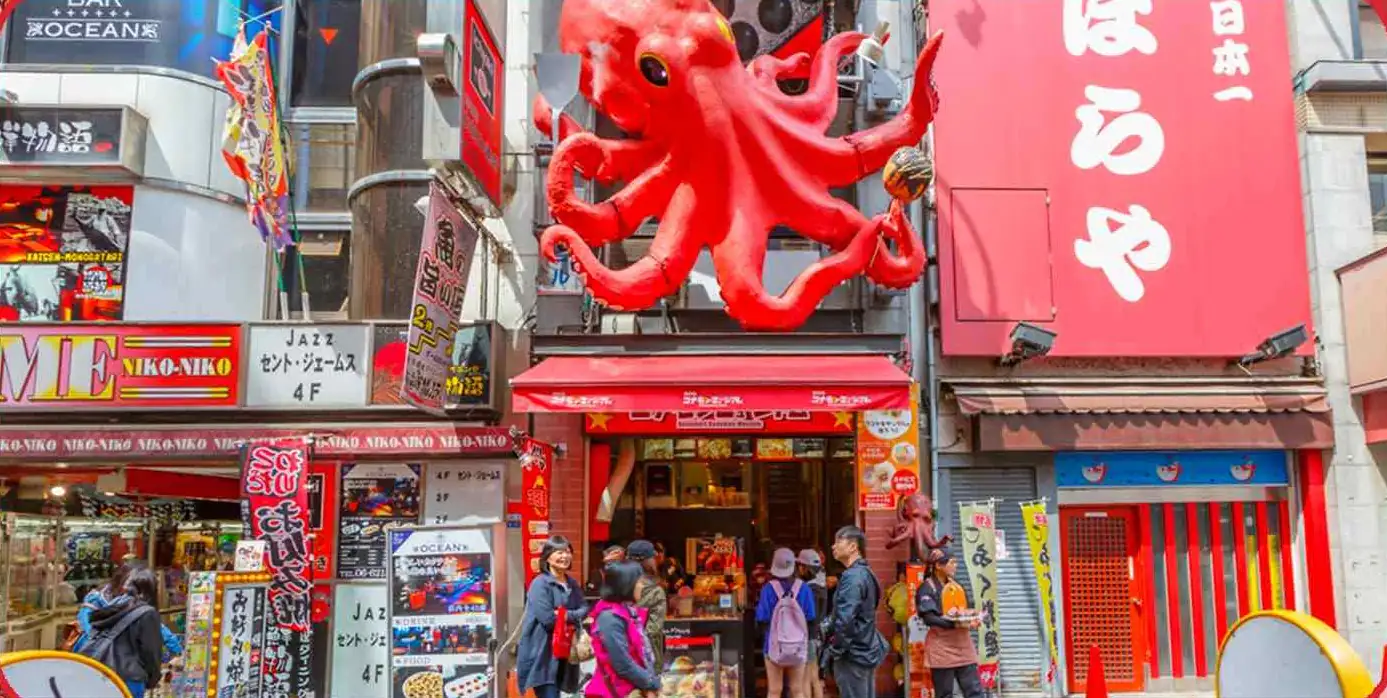 Den Den Town, the Osaka district for otaku
Den Den Town grew up as a hard-bargaining electronics quarter, and that habit survives, so haggling is still possible in parts of it. The district has since turned towards otaku culture: idol goods, manga, maid cafes and cosplay supplies.
77. Kobe Port
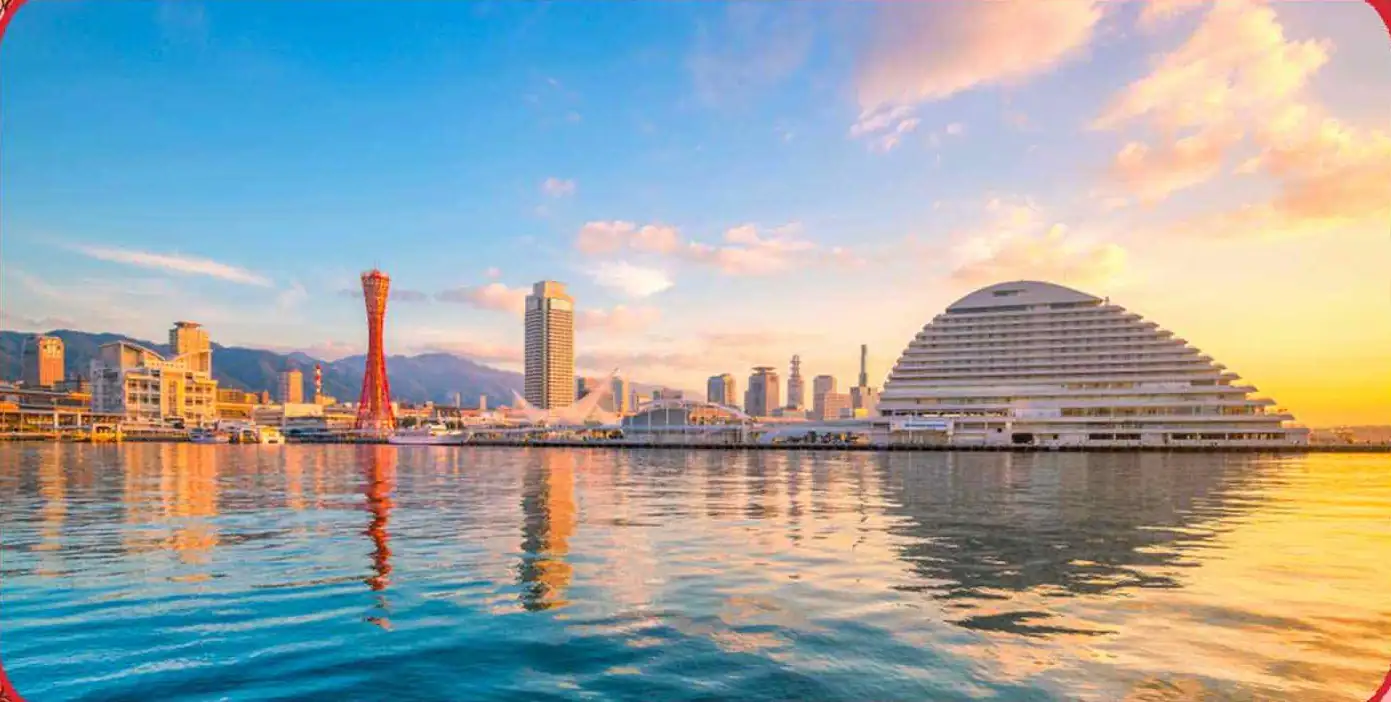 Kobe Port
The Port of Kobe gathers a lot in a small area: a tower, a maritime museum, a quiet earthquake memorial and a long waterfront walk with the mountains behind you.
78. Zojoji Tokyo
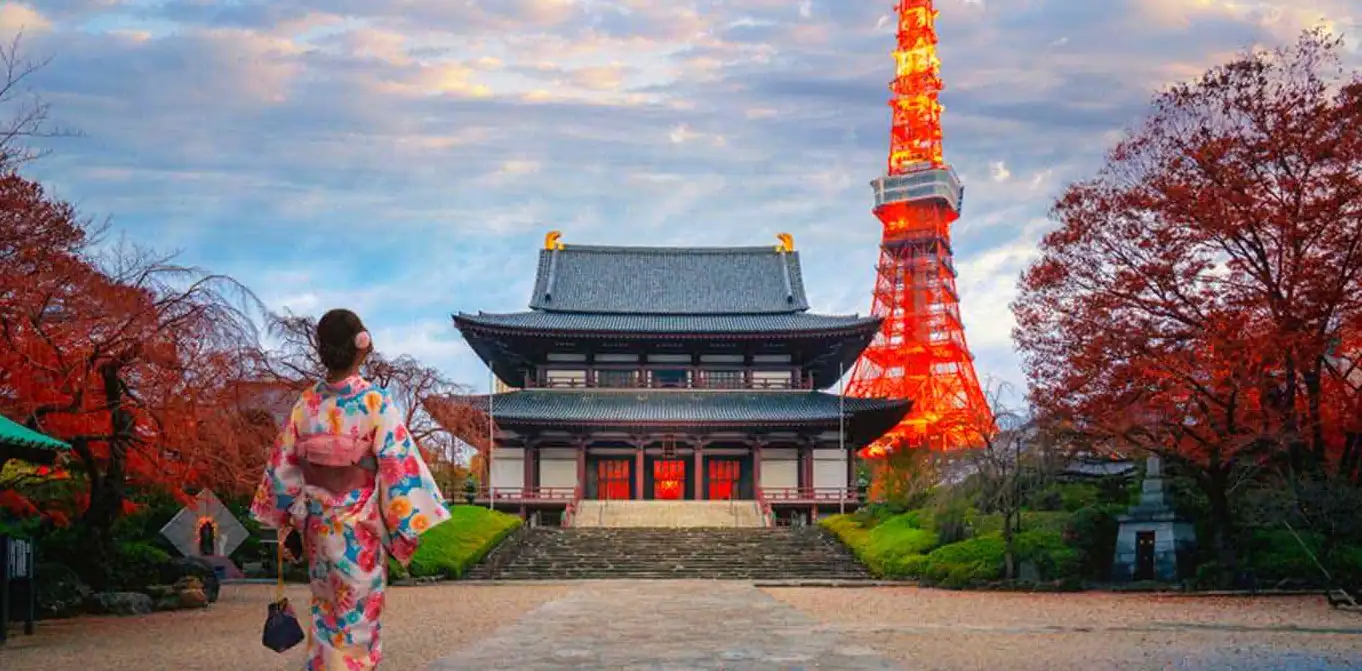
Zojoji stands at the foot of Tokyo Tower, which gives you the city's favourite contrast in a single frame. Six of the Tokugawa shoguns are buried here.
79. Hanayashiki, Tokyo
This small amusement park opened in 1853, which makes it the oldest in Japan. It still has a loyal following among children, and its rides are built to the scale of the Asakusa rooftops around it.
80. Nihonji
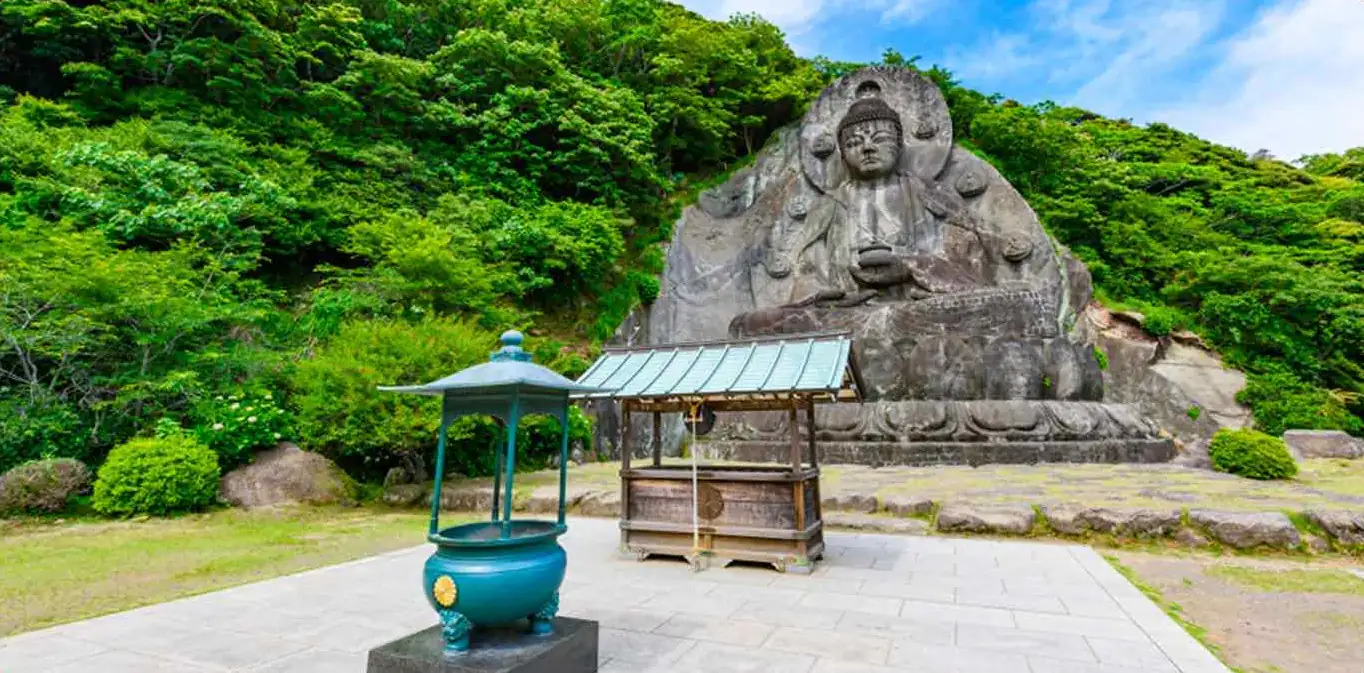
The Nihonji Temple sits on Mount Nokogiri, within reach of Tokyo. Its history is marked by fire and rebuilding. What you come for are the stone figures carved into the hillside, counted in the thousands, including a seated Daibutsu that is the largest stone Buddha in Japan.
81. Shibuya Hikarie Tokyo
Shibuya Hikarie is a tower that combines a large theatre, a department store and four floors of event and creative space above the station.
82. Beppu Underworld
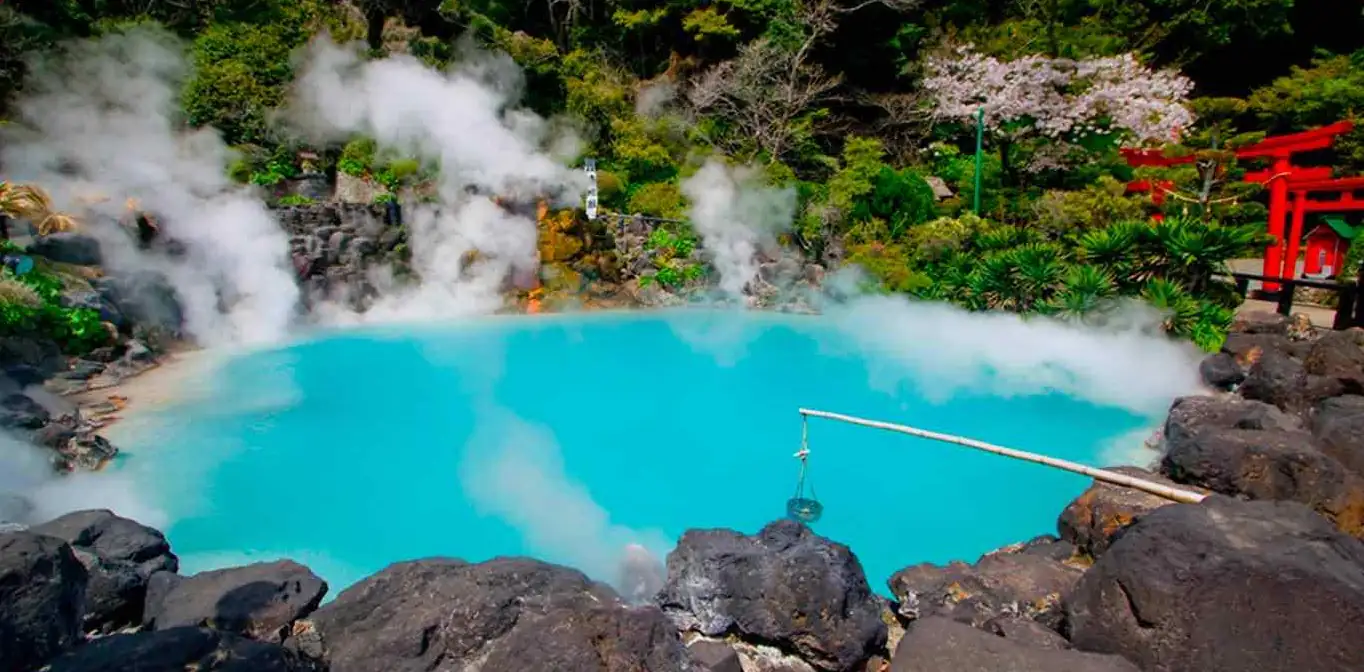
These hot springs are too hot to bathe in, so they are shown instead, under names borrowed from Yomi, the Japanese land of the dead: Blood Pond Hell, Cooking Pot Hell, Sea Hell. The naming belongs to Japanese myth, the colours to mineral chemistry.
83. Heian Kyoto Shrine
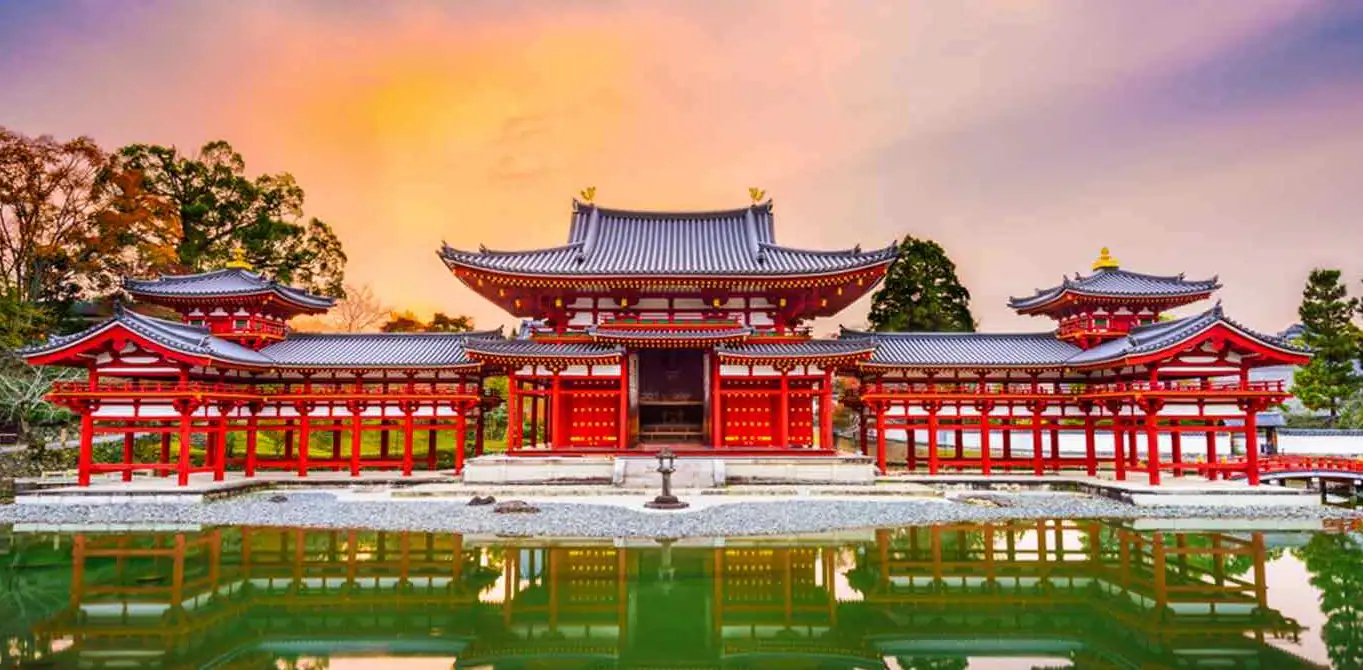
This shrine dates from 1895 and reproduces part of the Heian Palace at a reduced scale. Behind the halls lies a water garden planted over decades, and in front of them a torii gate so large it dwarfs the street.
84. Osaka Station City
This station is a landmark in its own right. What stays with visitors is the scale and the huge glass roof thrown over the platforms, with terraces on several levels to look down from.
85. Kobe's Chinatown
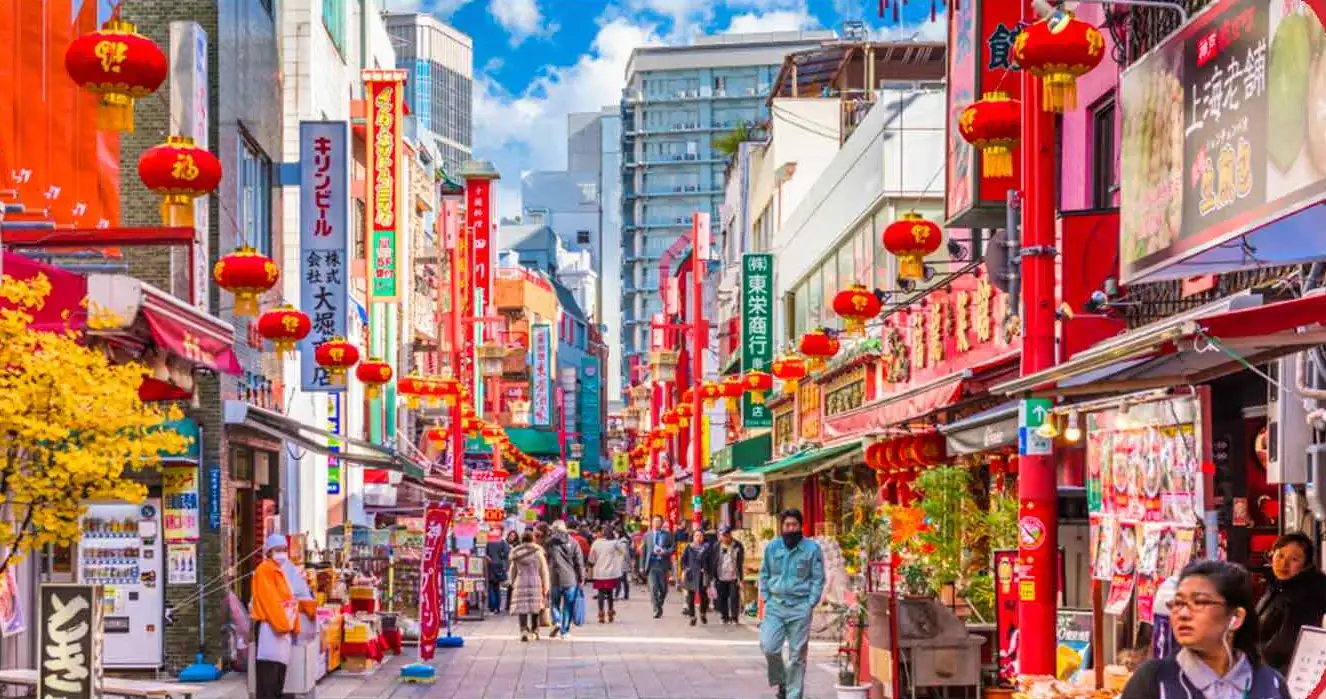
Kobe's Chinatown, Nankinmachi, was established in 1868. People come for its street food and for its festivals, above all the Mid-Autumn Festival and Lunar New Year.
86. Owakudani Hakone
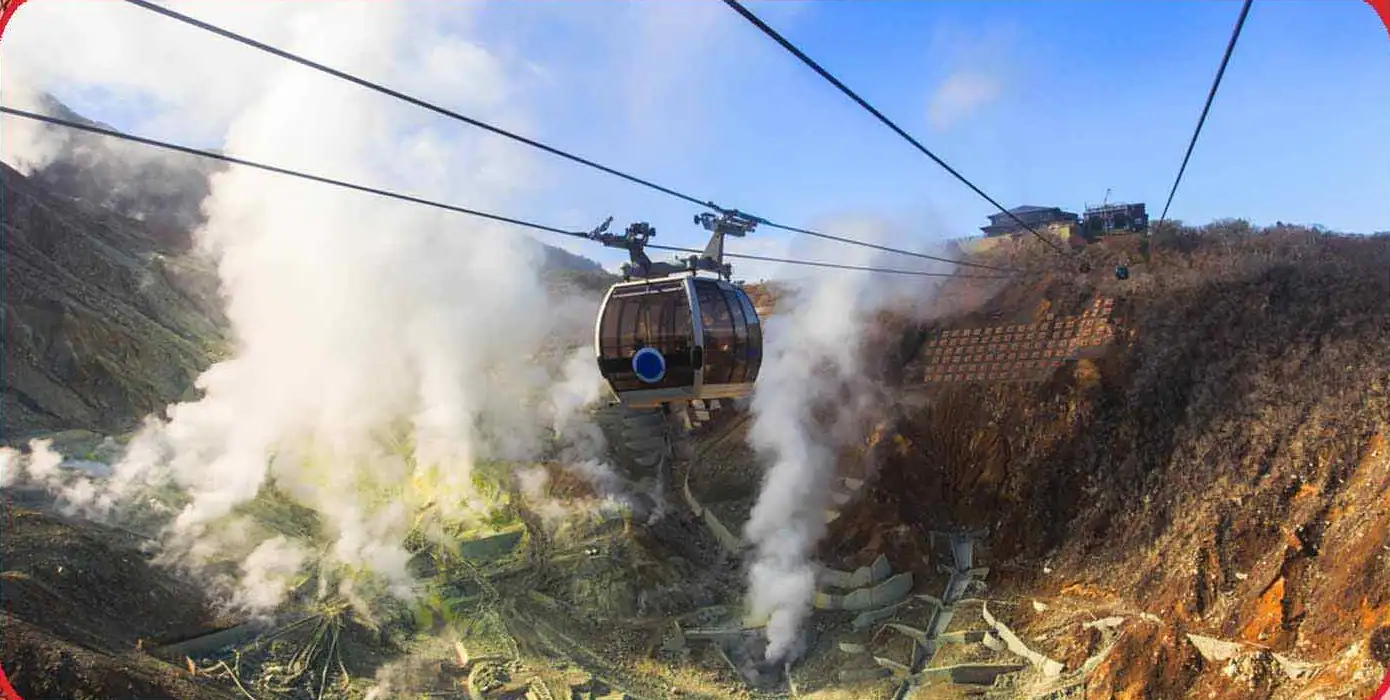 The volcanic valley of Owakudani in Hakone
Owakudani is a volcanic valley that vents sulphur steam. The last major eruption was around three thousand years ago. Hot springs criss-cross the valley, and residents of the region have used them for generations.
They also cook eggs in them and sell them at the top of the ropeway. The shells come out black, and local legend says one egg adds seven years to your life, two eggs fourteen.
The same legend warns against a third egg, which is said to be bad for body and mind. Treat it as folklore, which is exactly what it is.
87. Ninnaji Temple , Kyoto
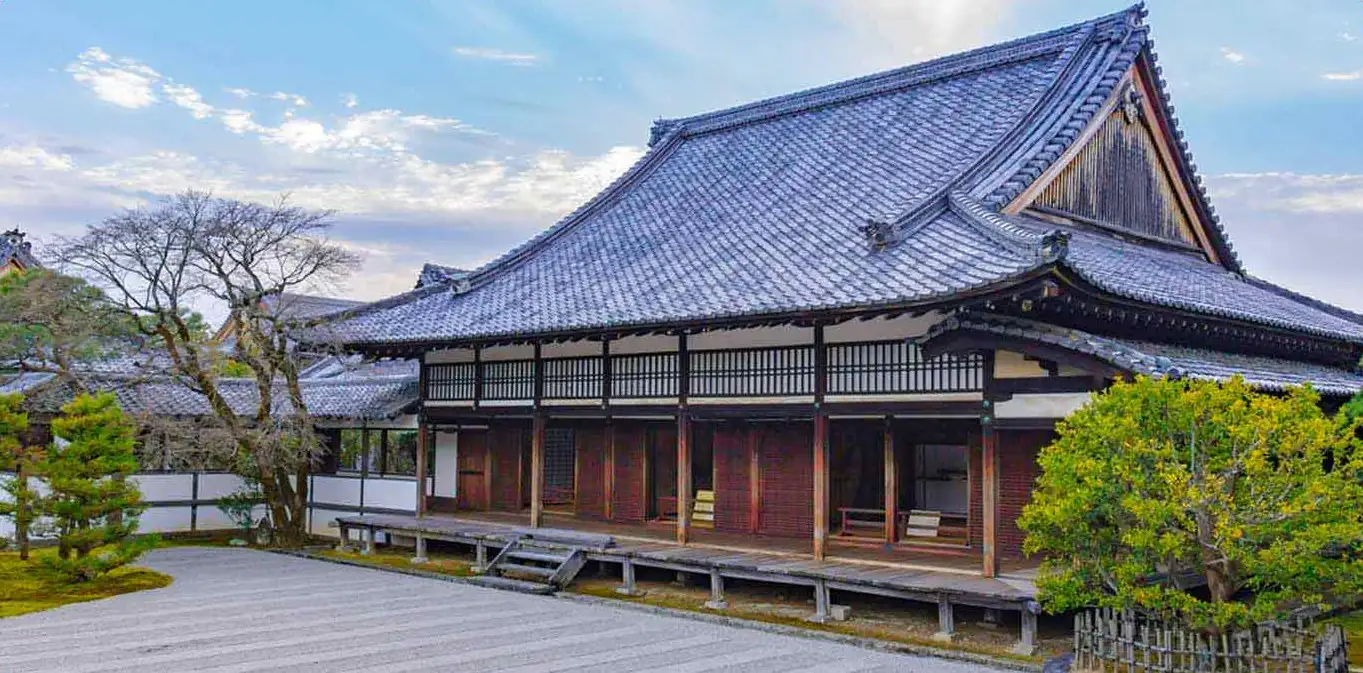
Ninnaji goes back to the 9th century. The architecture holds the attention, with long covered corridors and a five-storey pagoda. The complex once served as a residence for retired emperors, and its low cherry trees bloom late, after the rest of Kyoto is done.
88. Shonan Beach, Kamakura
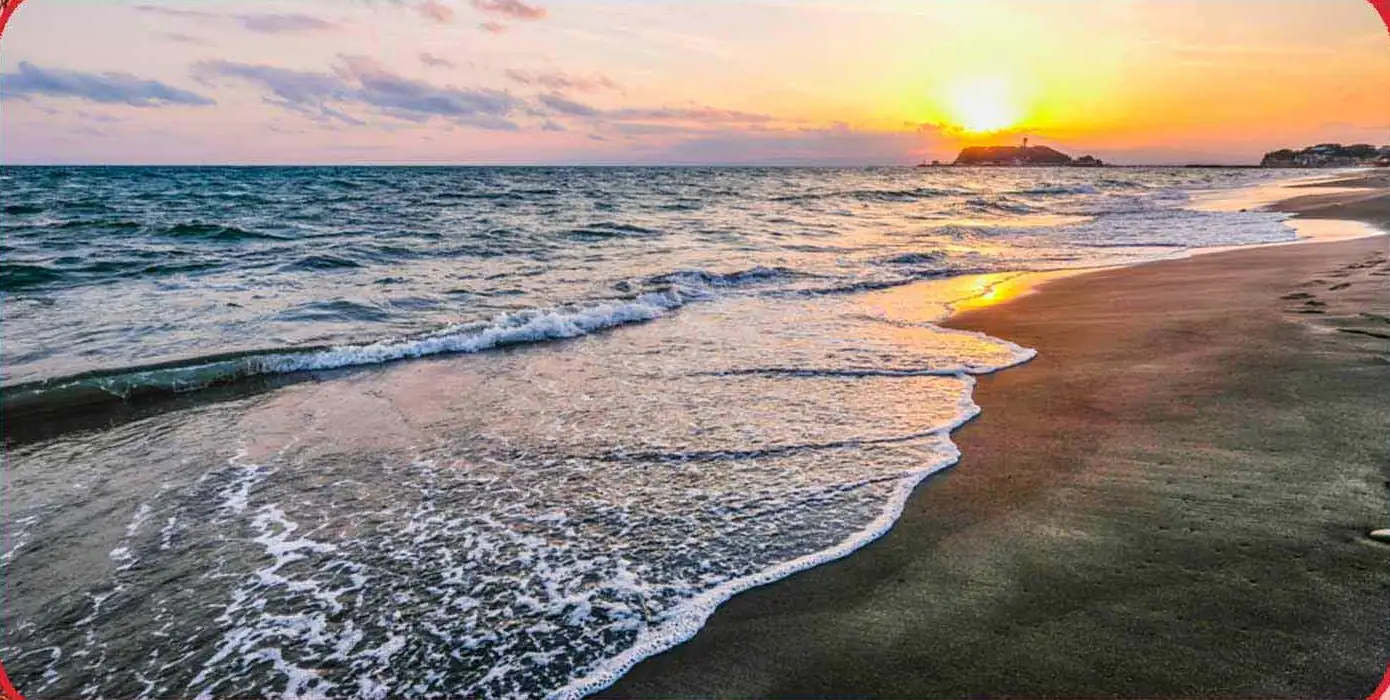
If you surf, these are your beaches. They curve around Enoshima island, and Japanese surf culture started right here, which is why the Shonan coast carries real cultural weight for locals.
89. Hitachi Seaside Park, Hitachinaka
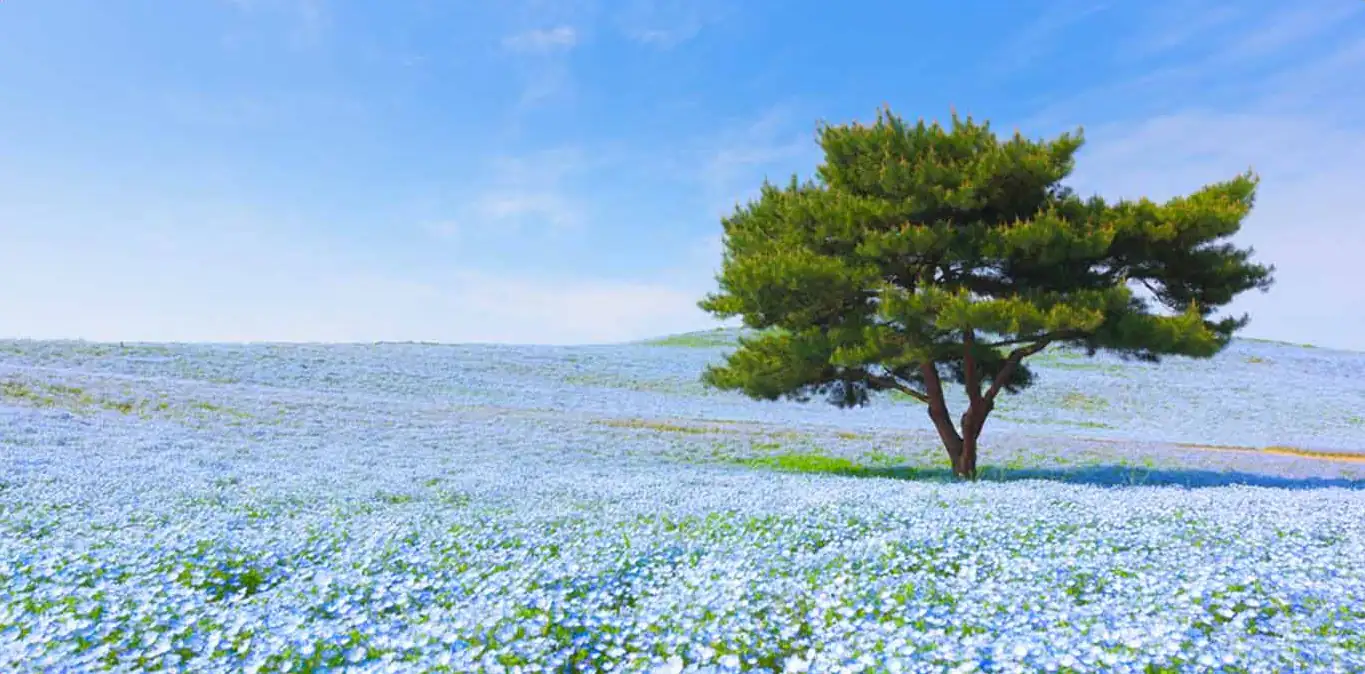
This seaside park is known for hills planted so that something is in flower most of the year: blue nemophila in spring, red kochia in autumn. It is a favourite with Japan lovers and with anyone who photographs what they wear.
90. Kyoto Higashi Honganji
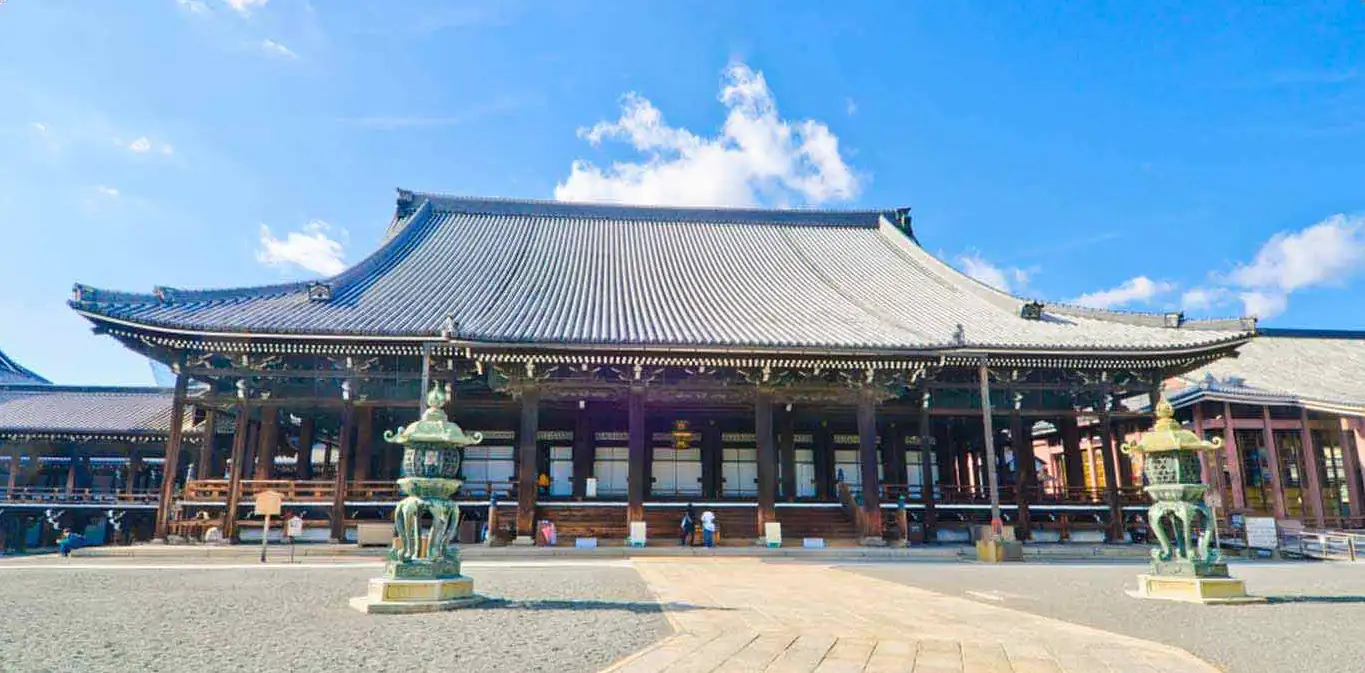
This temple complex matters a great deal to the Kyoto community. It is known for its vast wooden hall, the largest in the city, which is why locals call the place Ohigashi-san.
91. Fukuoka Japan
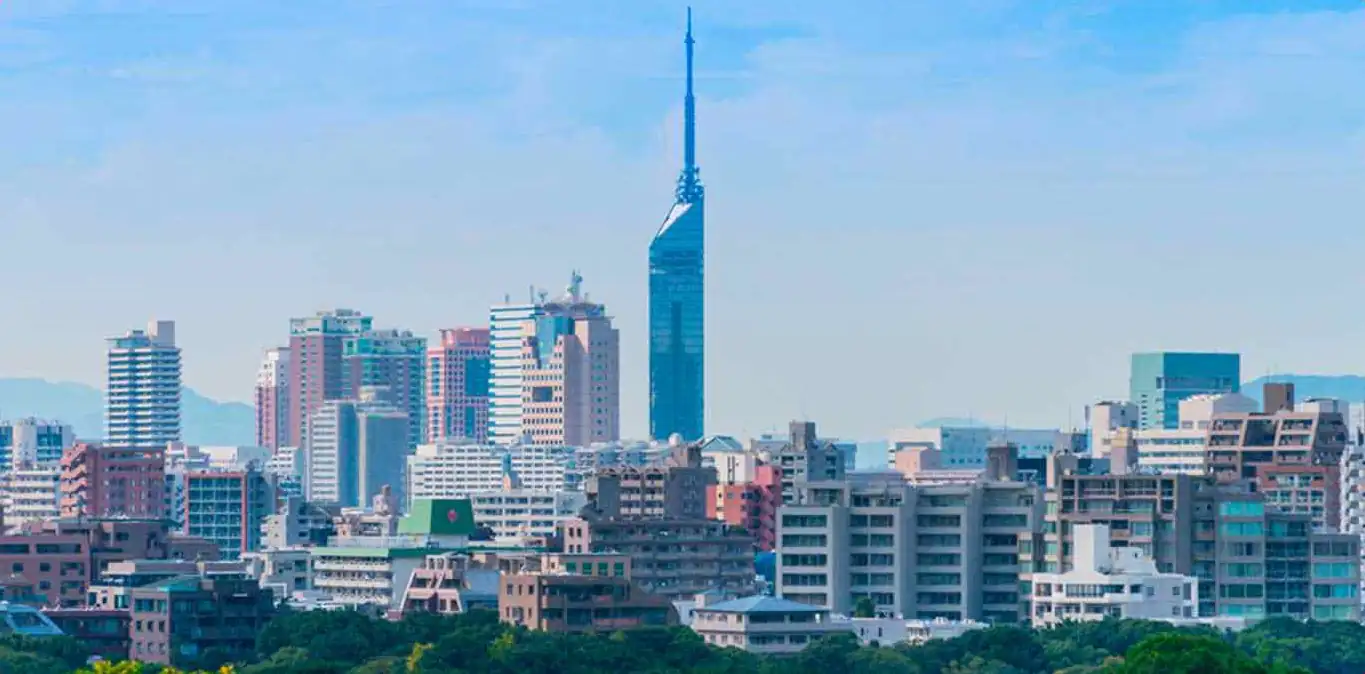
The Fukuoka Tower stands by the sea, clad in eight thousand half-mirrors. From some angles it looks like a sail. Its observation deck is a favourite with couples for the view over the bay at sunset.
92. Yoshikien Nara Garden
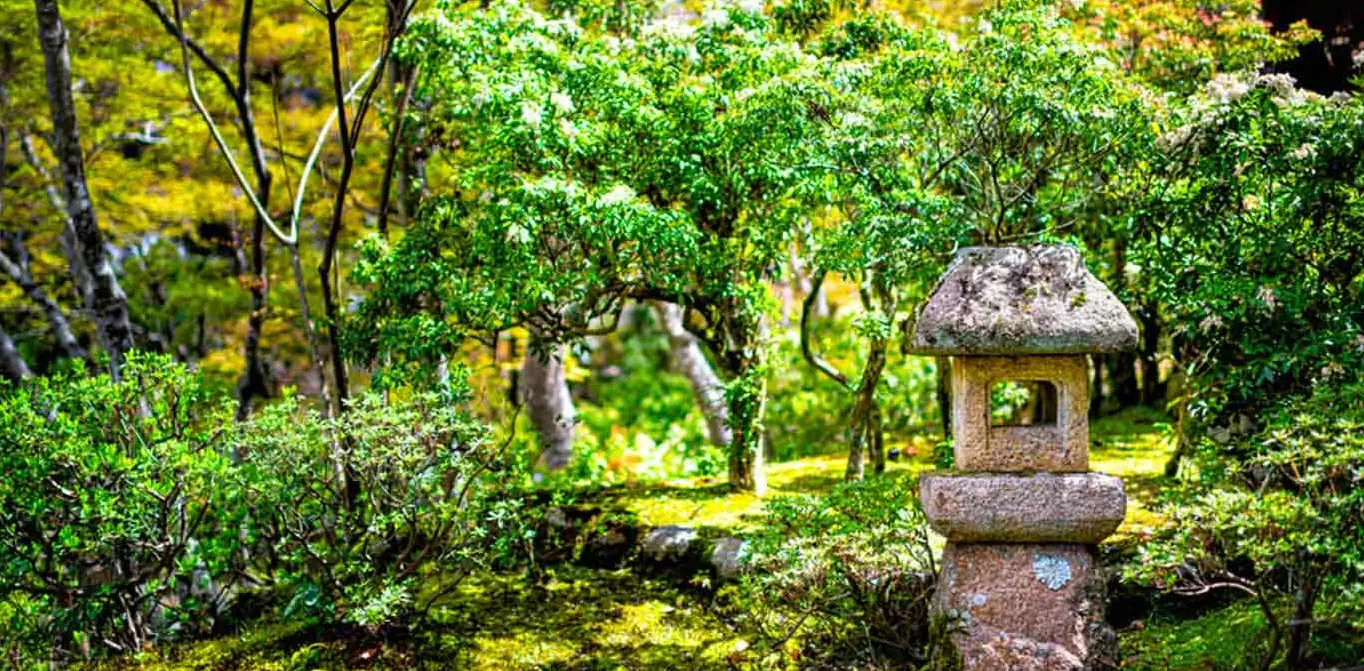
This quiet garden is really three in one: a moss garden, a tea garden, and a pond garden. Admission has long been waived for overseas visitors, so ask at the gate when you arrive.
93. Ohori Fukuoka Park
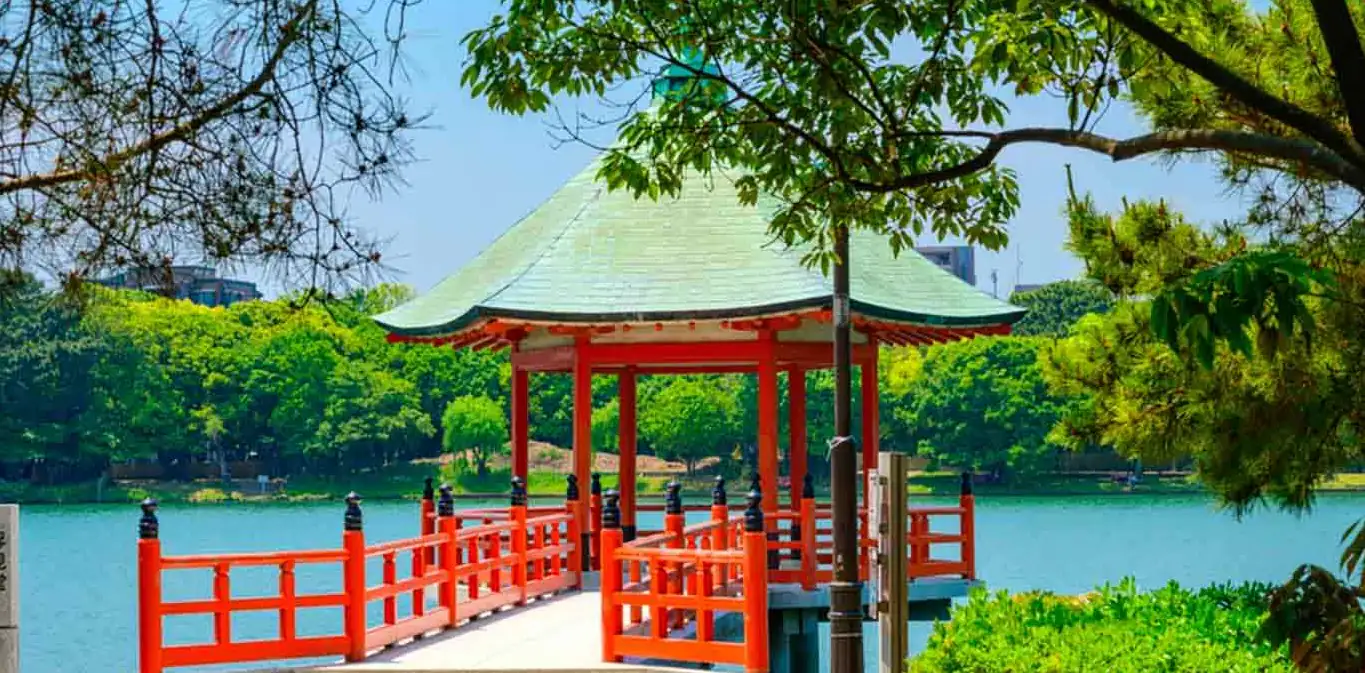 Pontoon in Ohori Park
Ohori Park was laid out in the image of a famous Chinese site, the West Lake. It occupies the old moat system of Fukuoka Castle, so the water you walk around is defensive in origin, with bridges hopping between small islands.
94. Nagoya Castle
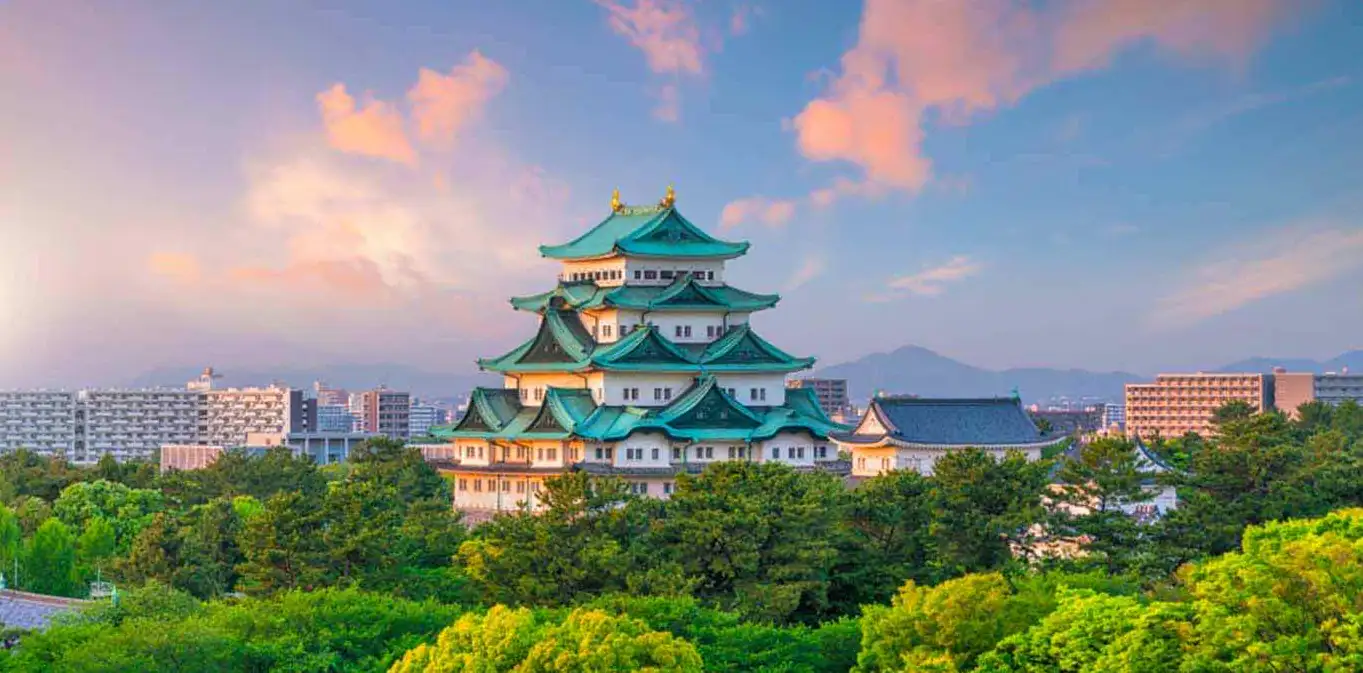
Nagoya Castle was built from 1610 on the site of an earlier fort, and it burned in the air raids of 1945. The reconstruction kept the moats and the stonework, and added a modern keep next to a painstaking wooden rebuild of the palace. The castle remains central to the city's sense of itself.
95. Hibiya Park, Tokyo
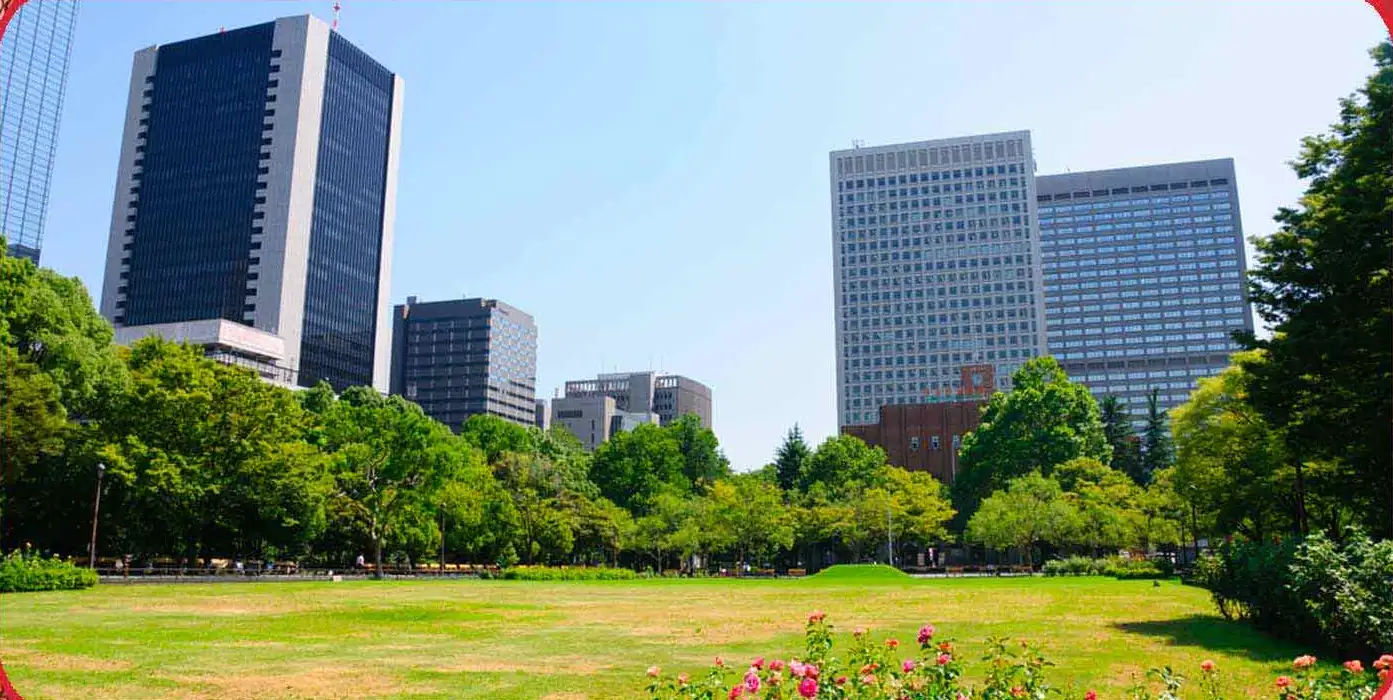
Opened in 1903, Hibiya Park was the first Western-style public park in Japan, and it is scattered with monuments and statues. Events are held here through the year, including the Hibiya Oktoberfest.
96. Kyoto National Museum
This is the largest museum in Kyoto, with a collection of more than 12,000 works. You will see sculpture, painting and the objects that define a period, including samurai armour, mempo face guards and Noh theatre masks. If those carved faces are what pull you in, our Japanese mask collection follows the same shapes, handcrafted by local artisans.
97. Dazaifu Tenmangu Fukuoka Shrine
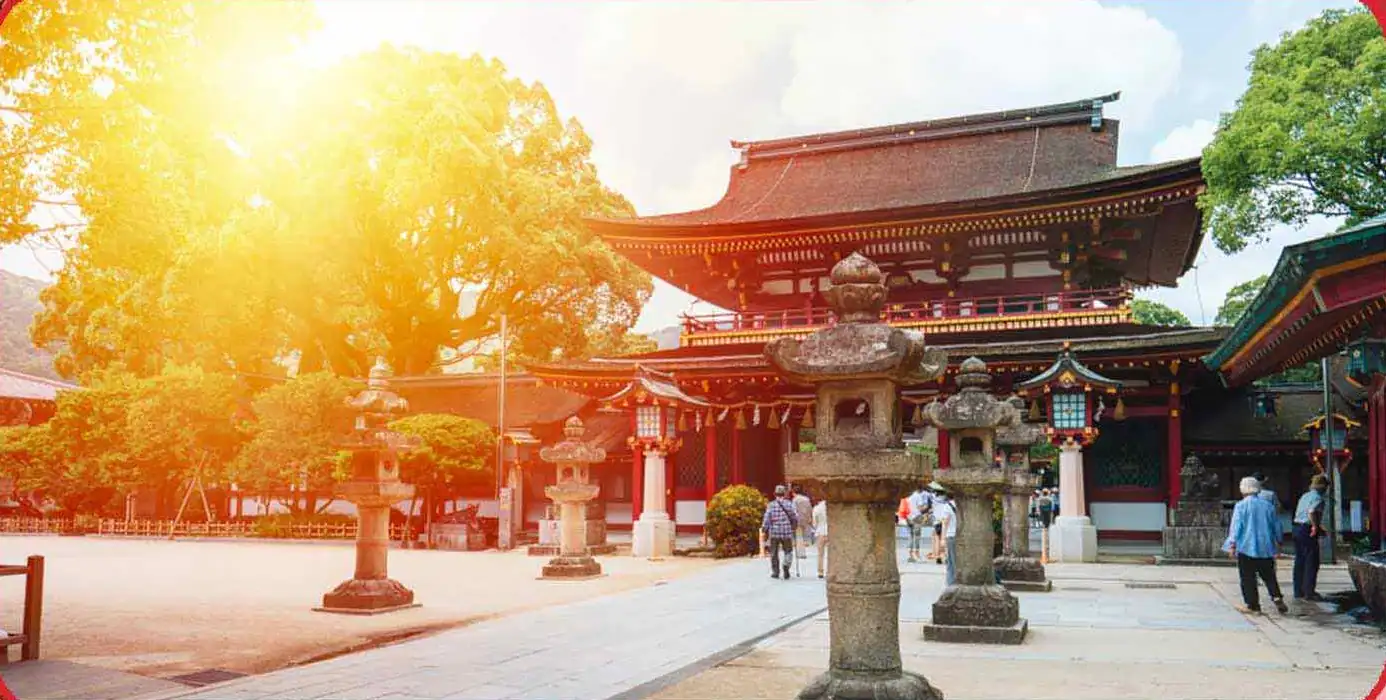
This shrine is dedicated to the deity of learning, which is why students come here before exams. It has around 6,000 plum trees and a pond shaped like a heart.
98. Canal City, Fukuoka
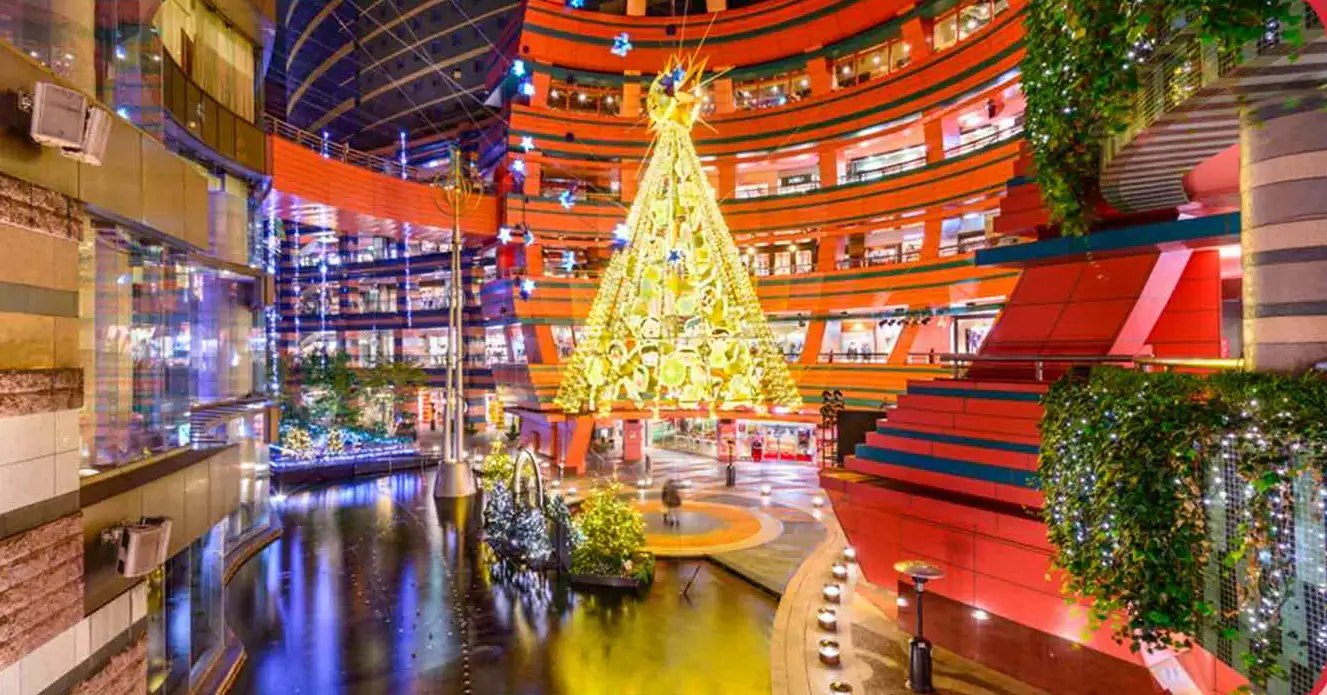
Canal City is a vast complex of shops, cinemas, theatres, hotels and restaurants. The name comes from the artificial canal that curves through the middle of it, with fountain shows on the hour.
99. Toranomon Hills Residence
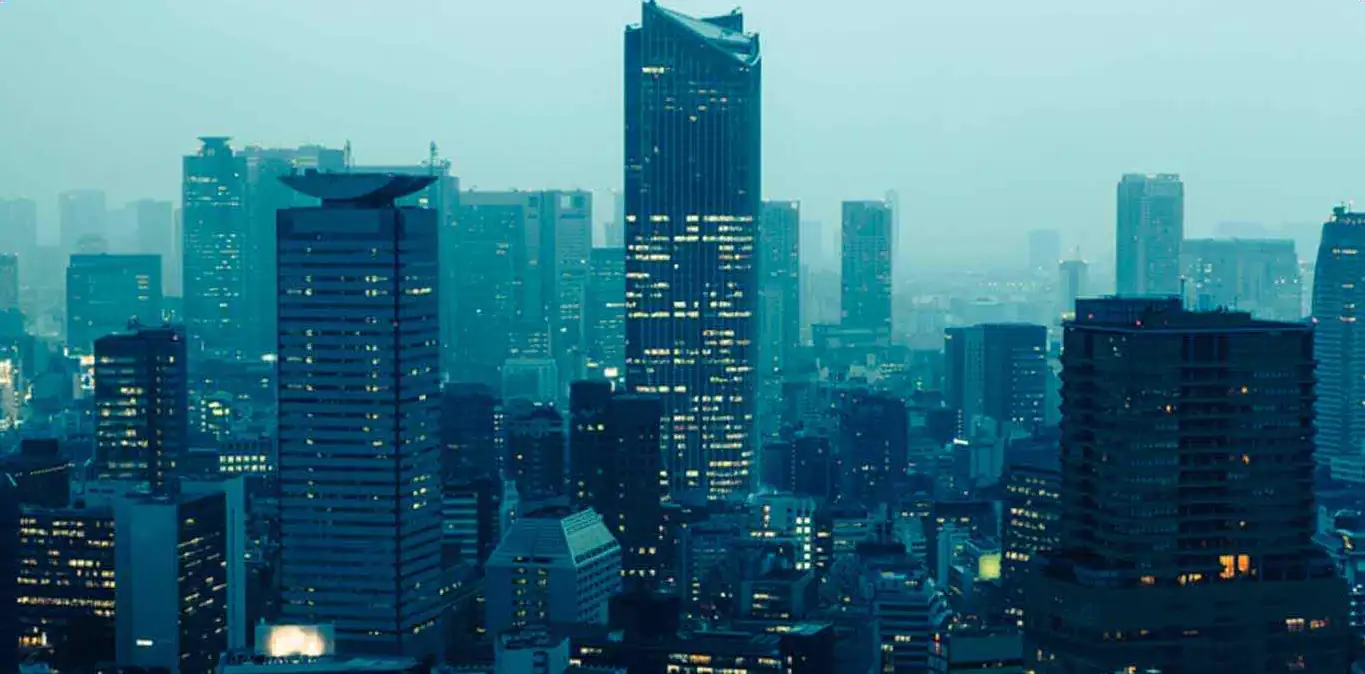
Toranomon Hills, one of the tallest buildings in central Tokyo, holds four floors of shops and restaurants with a luxury hotel at the top. The district takes its name from the old Tiger Gate of the Imperial Palace, which once stood here.
100. Todaiji temple
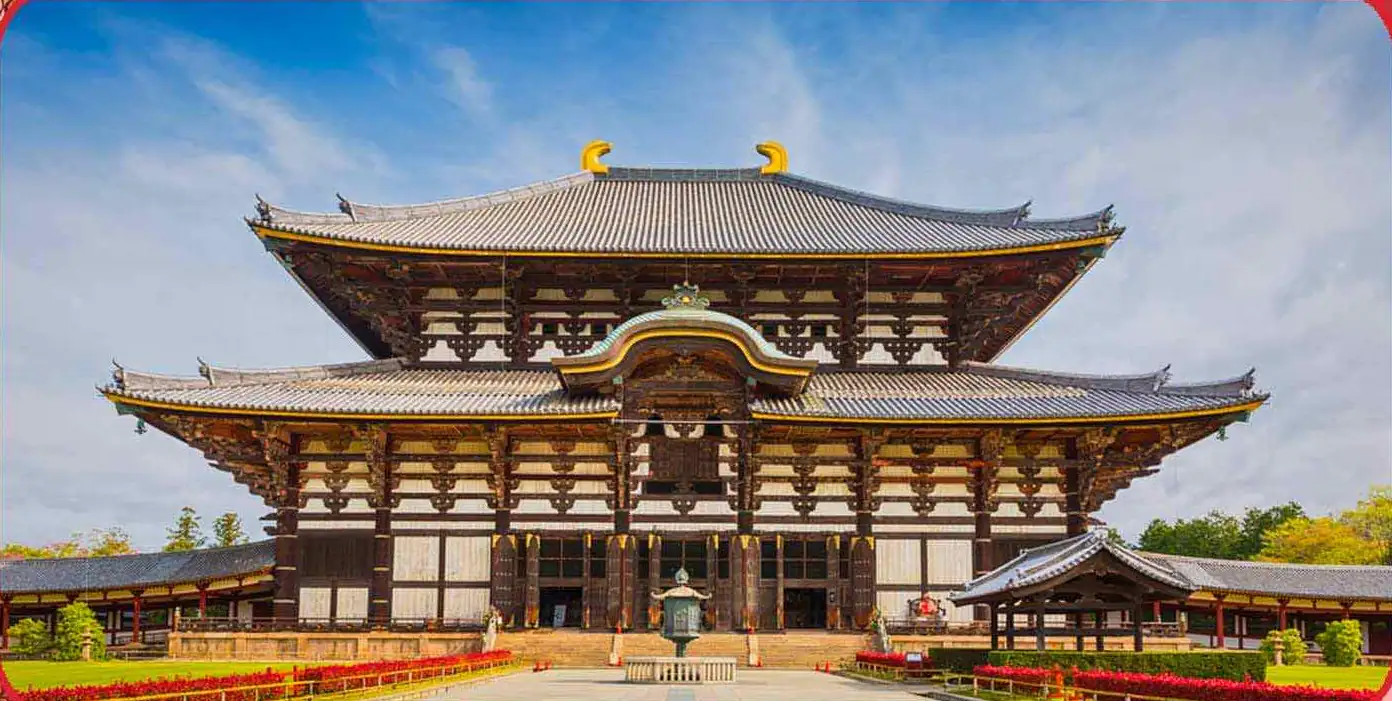
Todaiji holds colossal sculpture, starting with the largest bronze Buddha in Japan, seated in one of the biggest wooden halls in the world. The guardian figures in the gate on the way in are worth as much of your attention.
101. Kushida Jinja Fukuoka
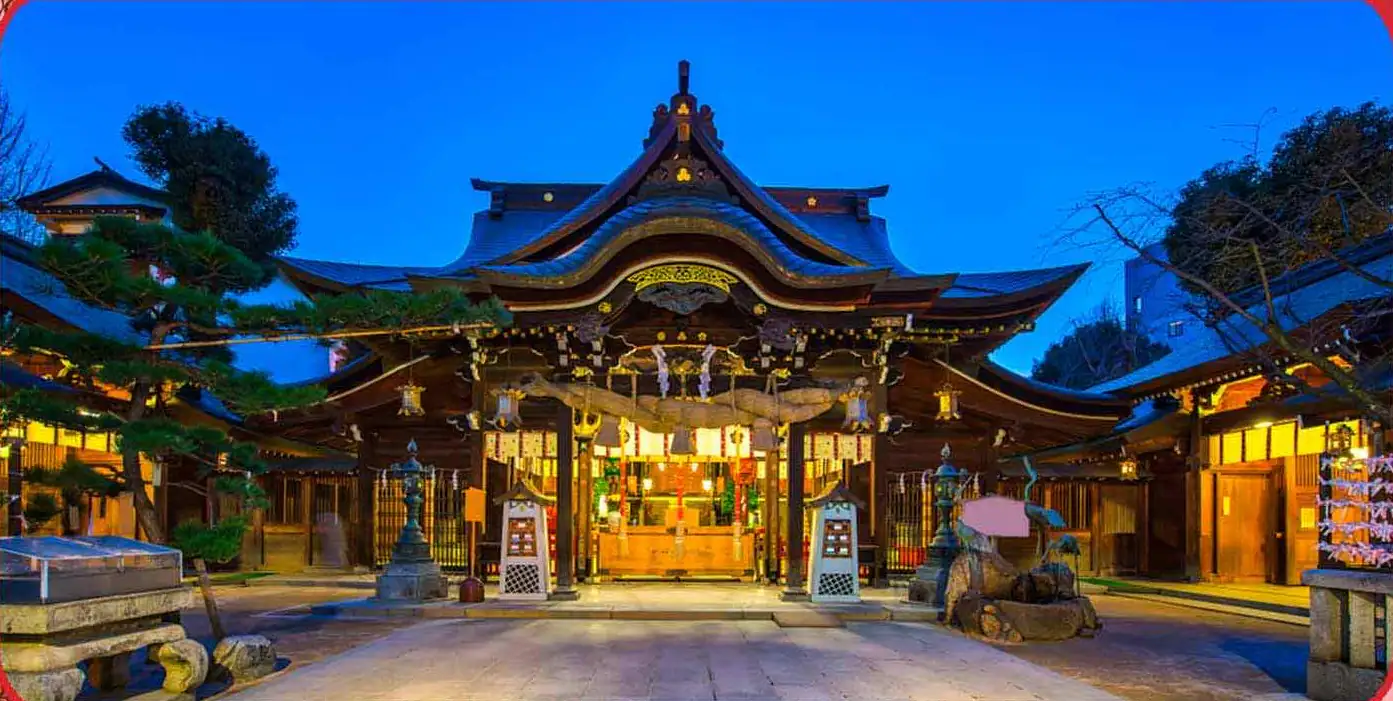
This shrine, founded in 757, hosts a steady calendar of events, including Japanese weddings. It is also the home of the Hakata Gion Yamakasa festival, when teams race one-tonne floats through the streets in July.
102. Hikawa Maru Yokohama
The Hikawa Maru is an ocean liner launched in Yokohama in 1929, as the Great Depression was starting. She is now moored at Yamashita Park and open to the public, art deco interiors included.
103. Amerikamura Osaka
Amerikamura works on the same idea as a Japantown in the United States, in reverse. The name means American village. You will find imported clothing, vintage stores, bars and a district with a strong character of its own.
104. Inuyama Castle
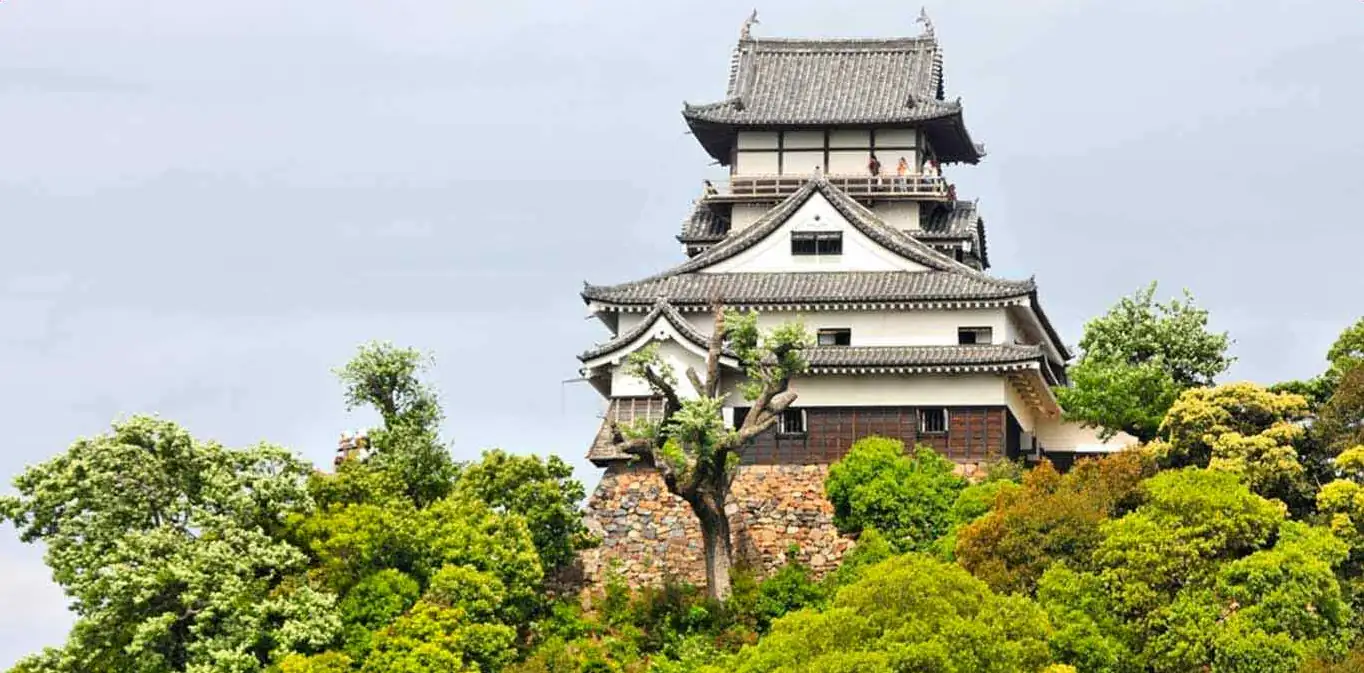
Inuyama is one of the twelve castles in Japan that still have their original keep, which makes the steep wooden stairs inside part of the experience. The balcony at the top looks straight down on the Kiso river.
105. Momochi Marine Park, Fukuoka
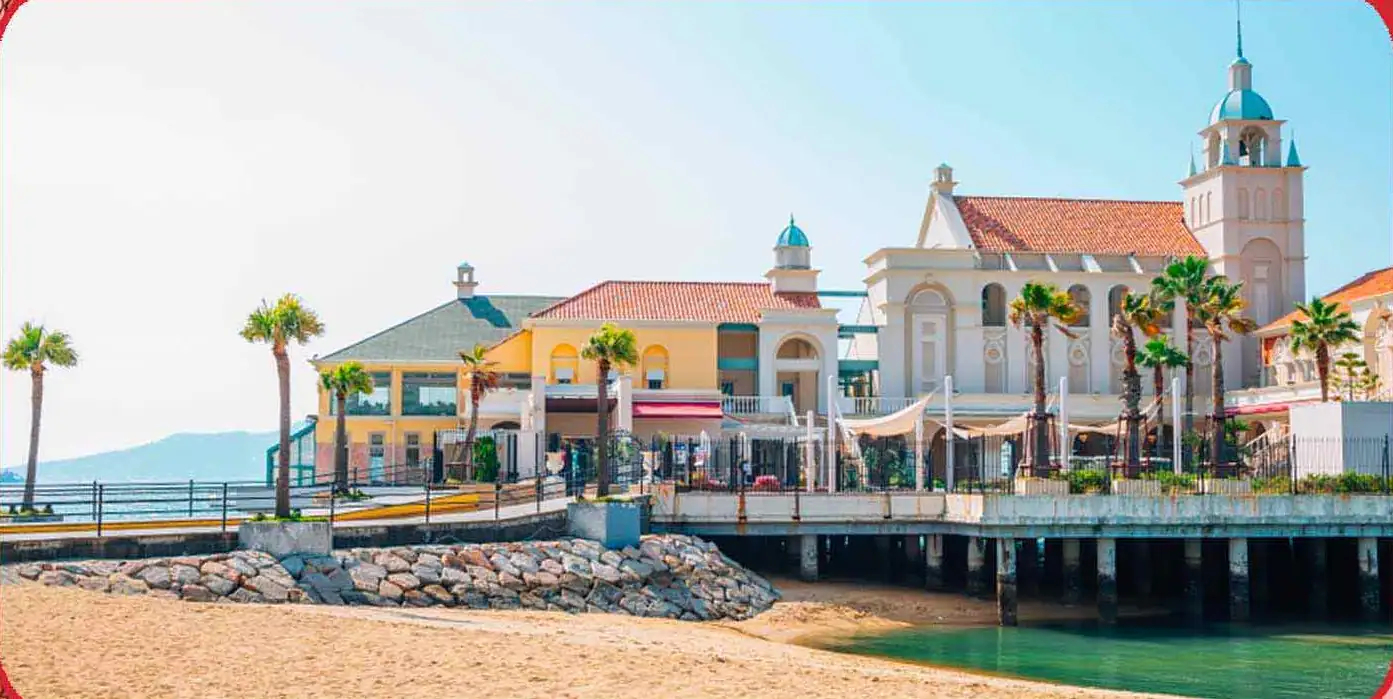
Momochi Marine Park is built around a large artificial beach lined with shops, restaurants and attractions. The whole seafront was reclaimed from the bay in the 1980s, and it is where Fukuoka comes to watch the sun go down.
106. Atago Shrine Tokyo
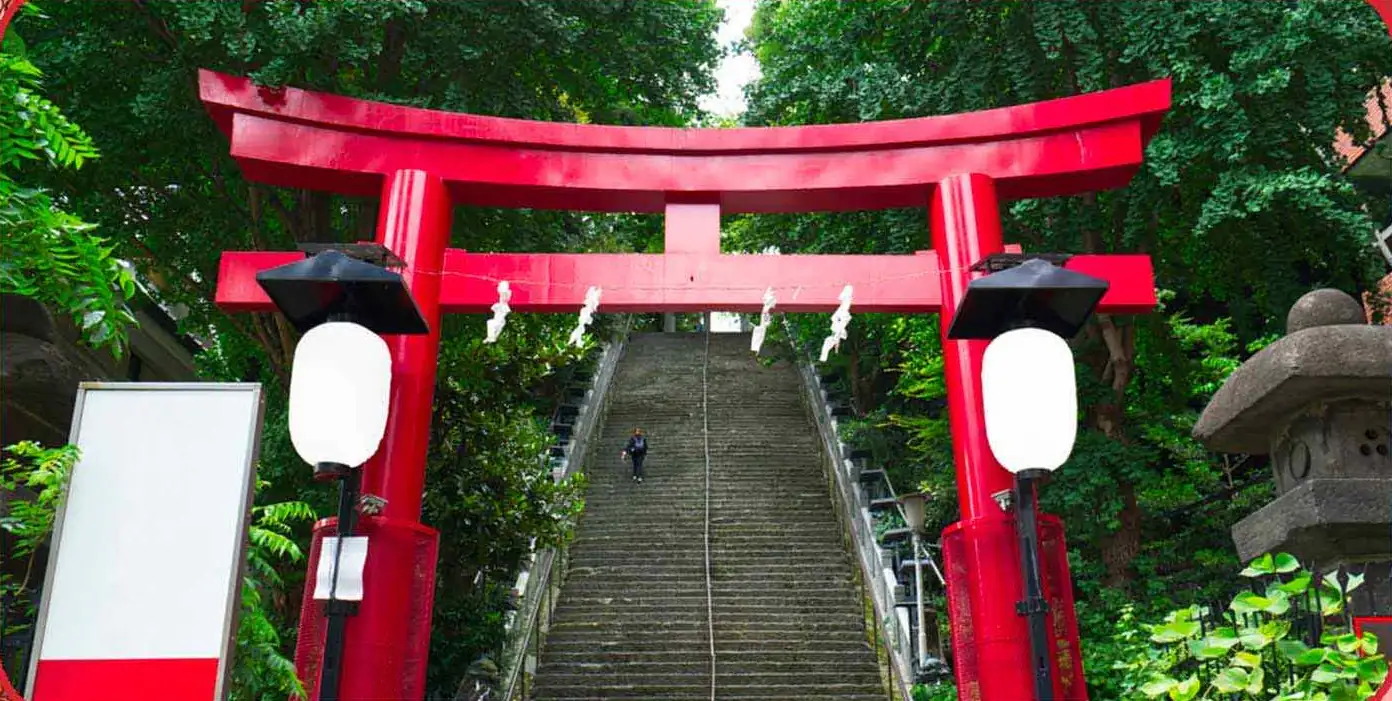
Inside this shrine, in the middle of the business district, you will find a very steep stone staircase. The site is still in active use: Shinto believers, local residents and office workers come up here to pray.
The stairs have their own story. A samurai is said to have ridden his horse up them to bring a plum branch to the shogun. The shogun of Japan praised his skill, and the feat is marked every year, when a palanquin is carried up the steps and back down again.
107. Kyoto Imperial Palace
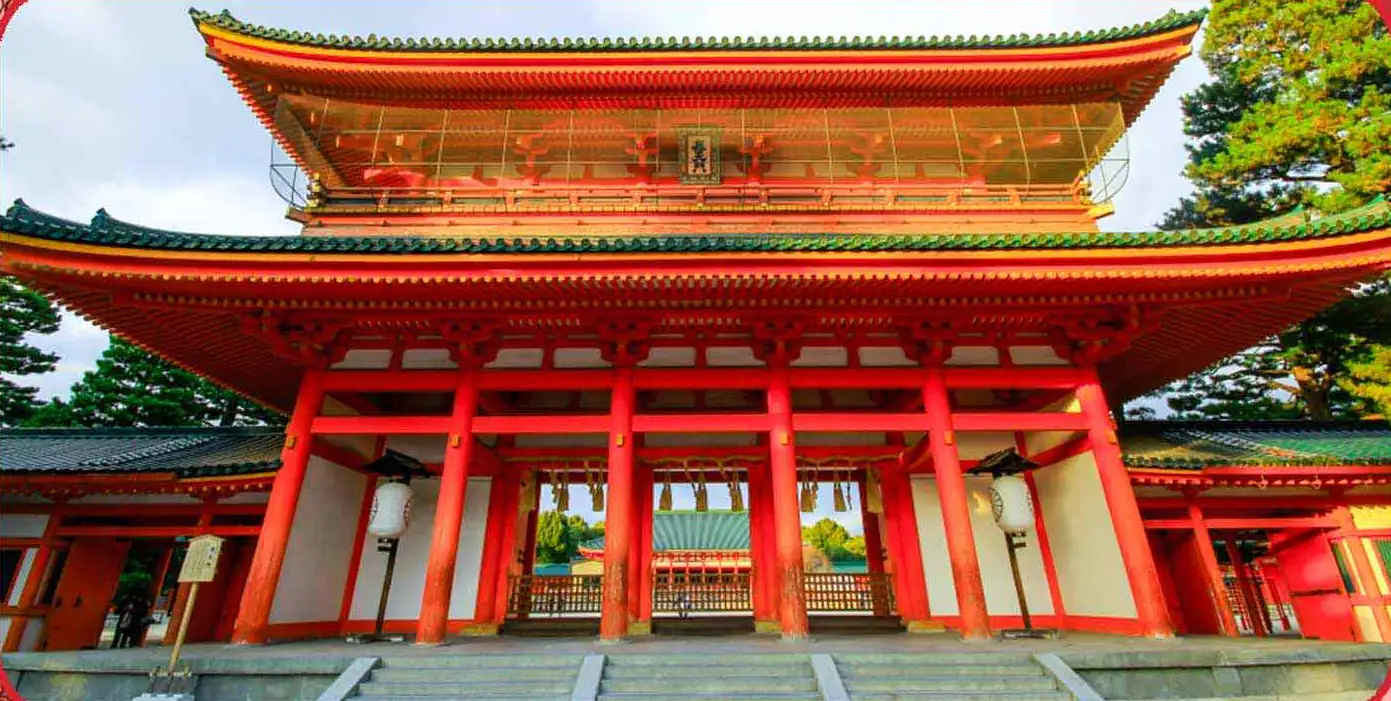
The Kyoto Imperial Palace was the emperor's residence until the court moved to Tokyo at the start of the Meiji era. The grounds open to visitors on most days, and the Imperial Household Agency runs guided tours of the inner halls.
108. Nishiki Kyoto Market
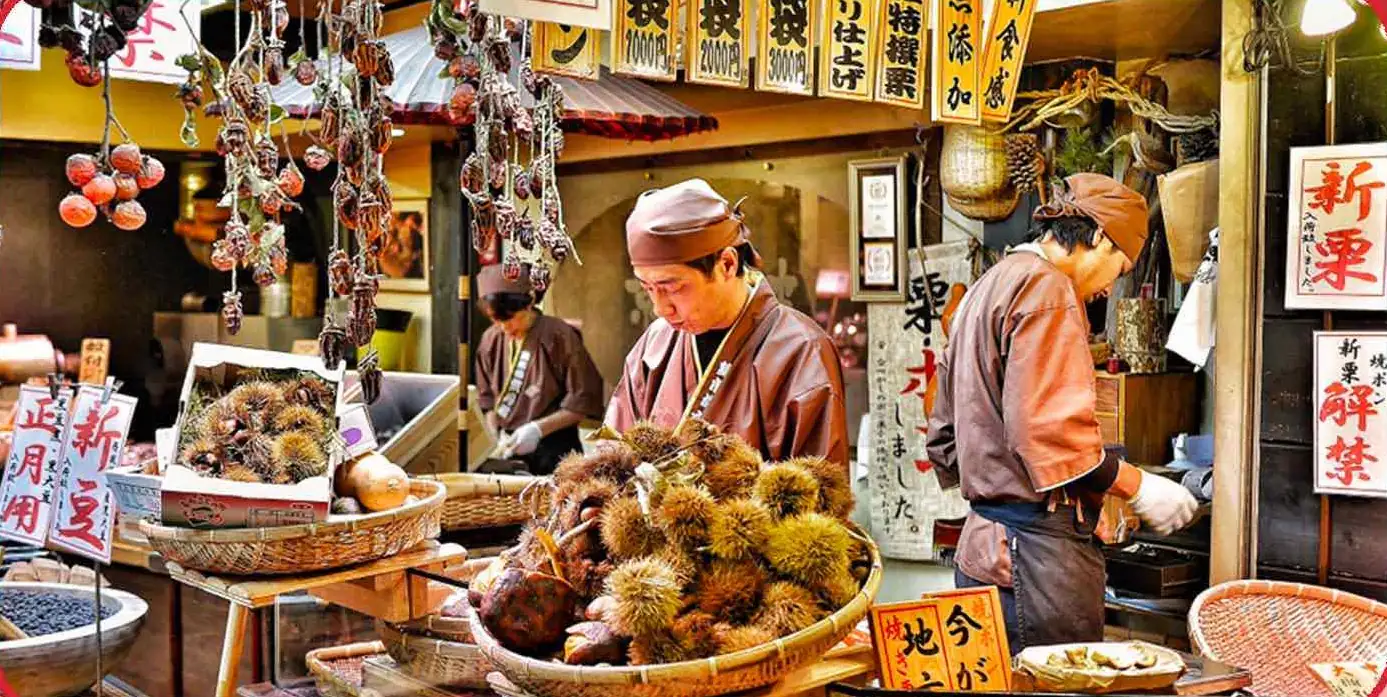
Nishiki is a food market of around 130 stalls, running five blocks through the centre of Kyoto. It draws crowds because it is still a working market, with pickles, tofu and knives sold where they have always been sold. Vendors often hand out a taste, and most are happy to explain what you are eating.
109. Tochoji Temple, Fukuoka
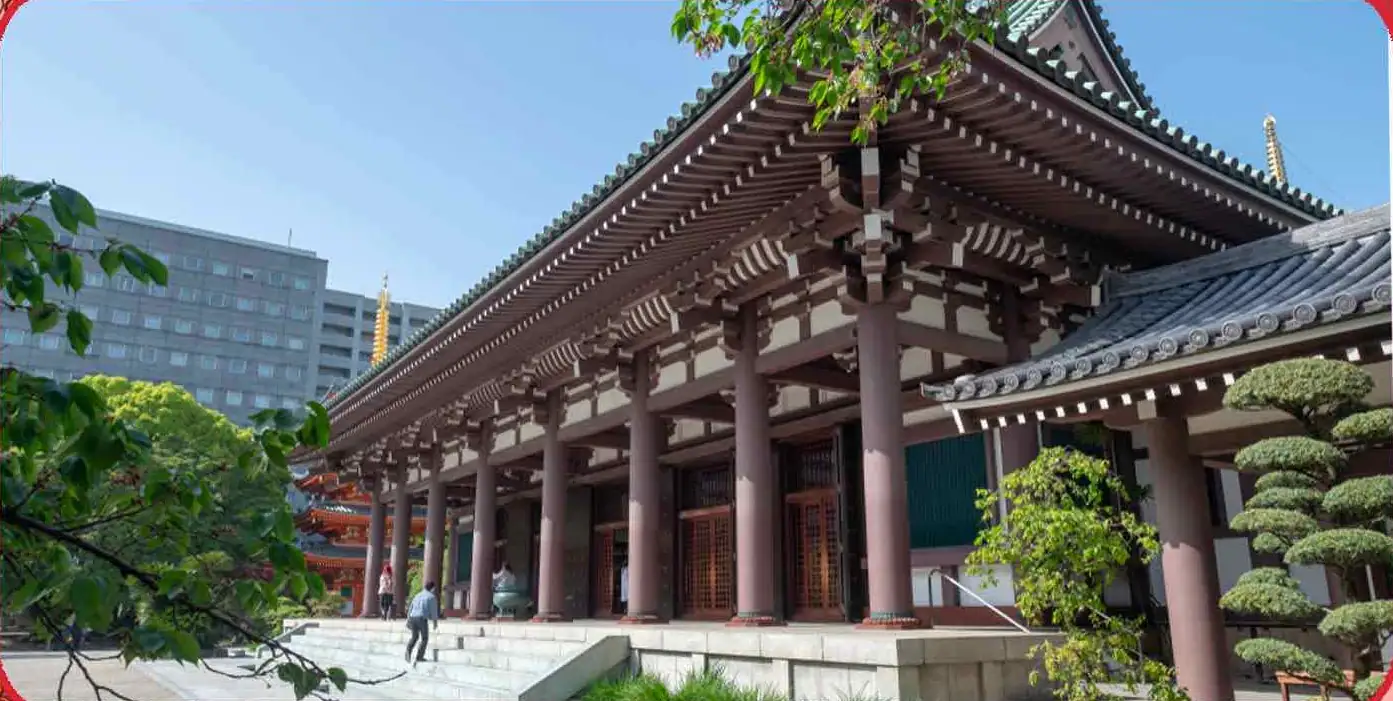
Tochoji holds two things worth the detour: a seated wooden Buddha weighing around thirty tonnes, one of the largest in the country, and a revolving sutra library you can turn as you pass.
110. Akashi Kaikyo Bridge, Kobe
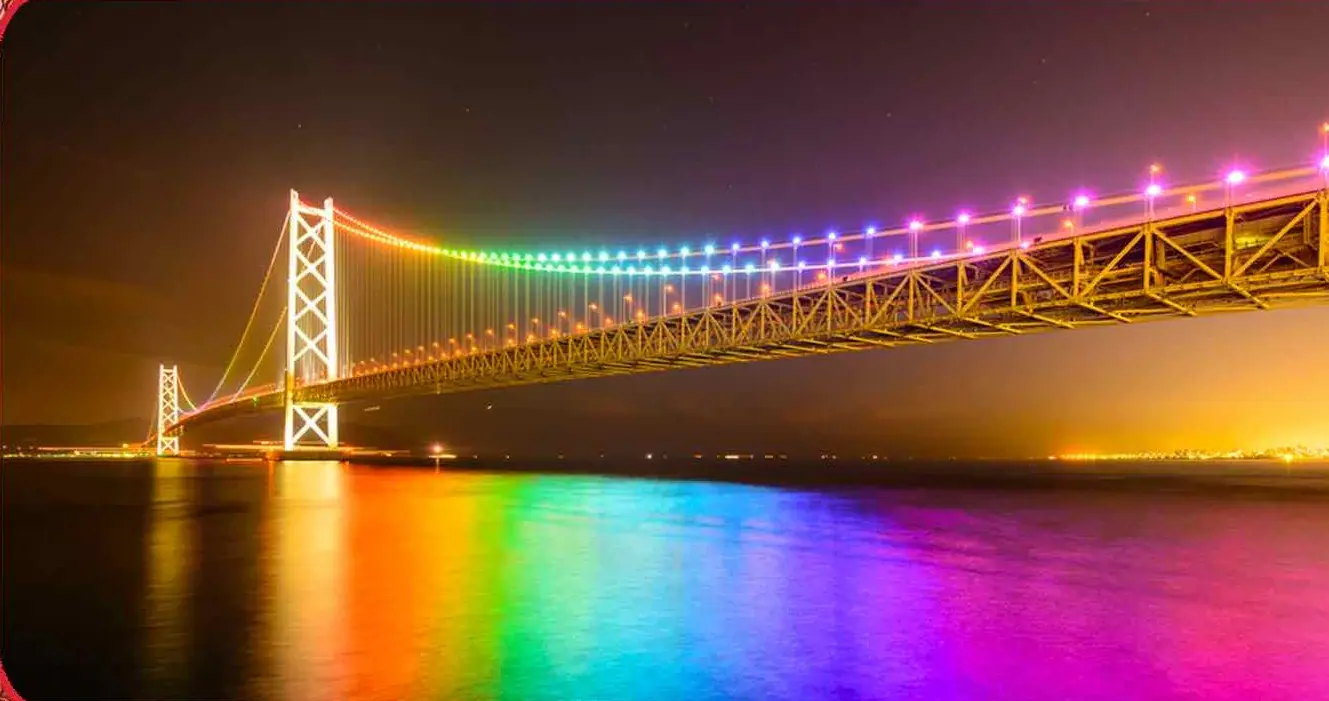
This suspension bridge links Kobe to Awaji Island, and it held the record for the longest central span in the world until 2022. Go for the view, and for the walkway tour that takes you out along the structure to the top of one tower.
111. Hozenji Yokocho Osaka
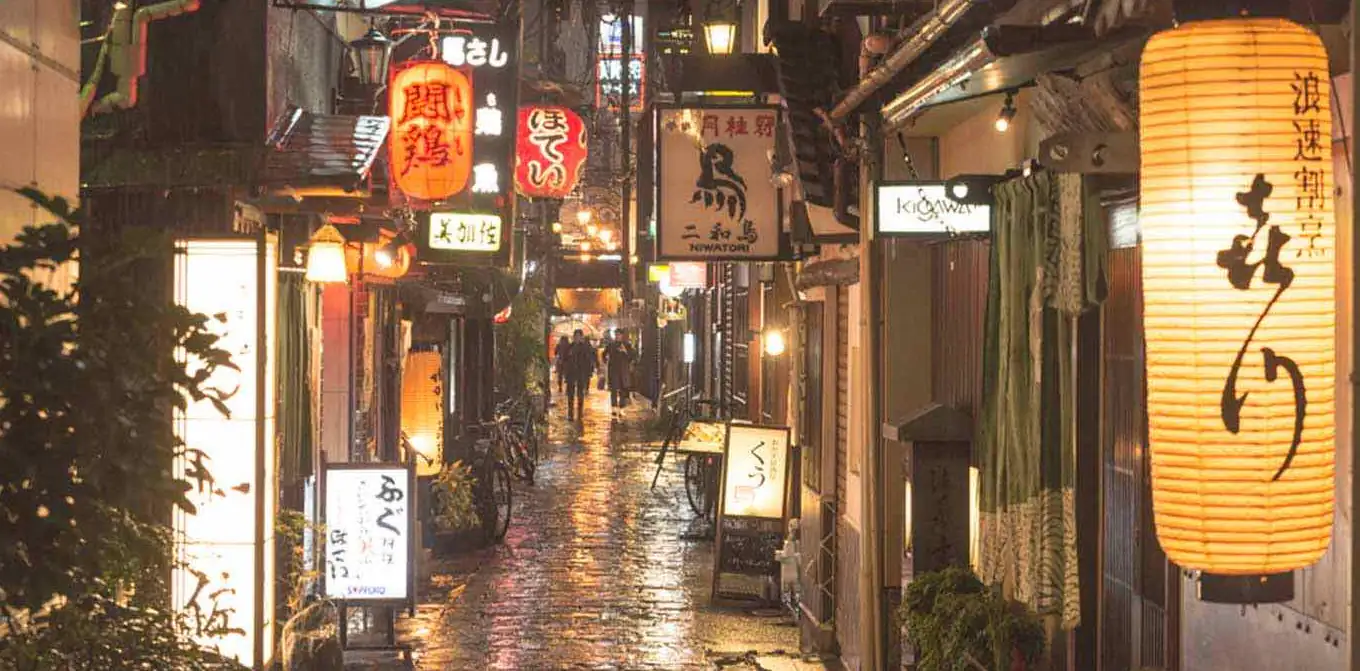
This stone-paved alley has been busy since the 17th century, tucked behind Hozenji temple. At one end stands a statue of Fudo Myoo completely covered in moss, grown there by generations of visitors throwing water over it in prayer.
112. Awashima Shrine, Wakayama City
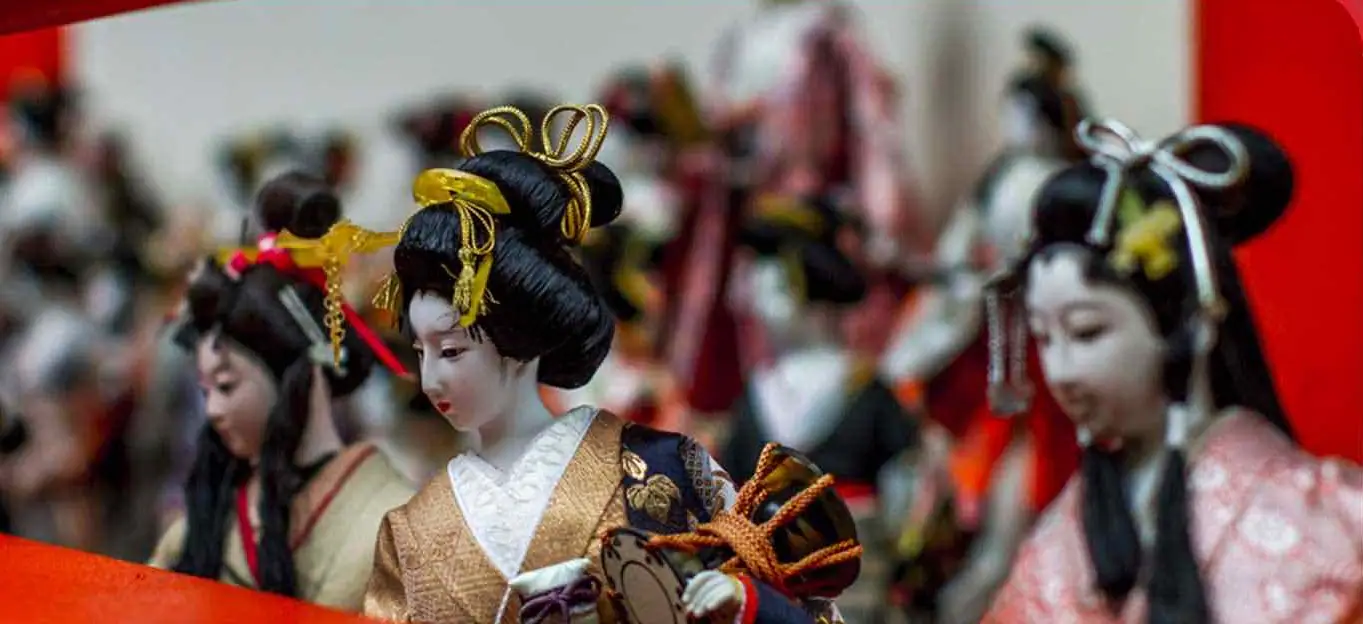
This shrine keeps a huge number of dolls, old and modern, brought here rather than thrown away. On Girls' Day, a rite for the health of children sends dolls out on a boat before they are returned to shore and ritually burned.
113. Hiroshima Castle
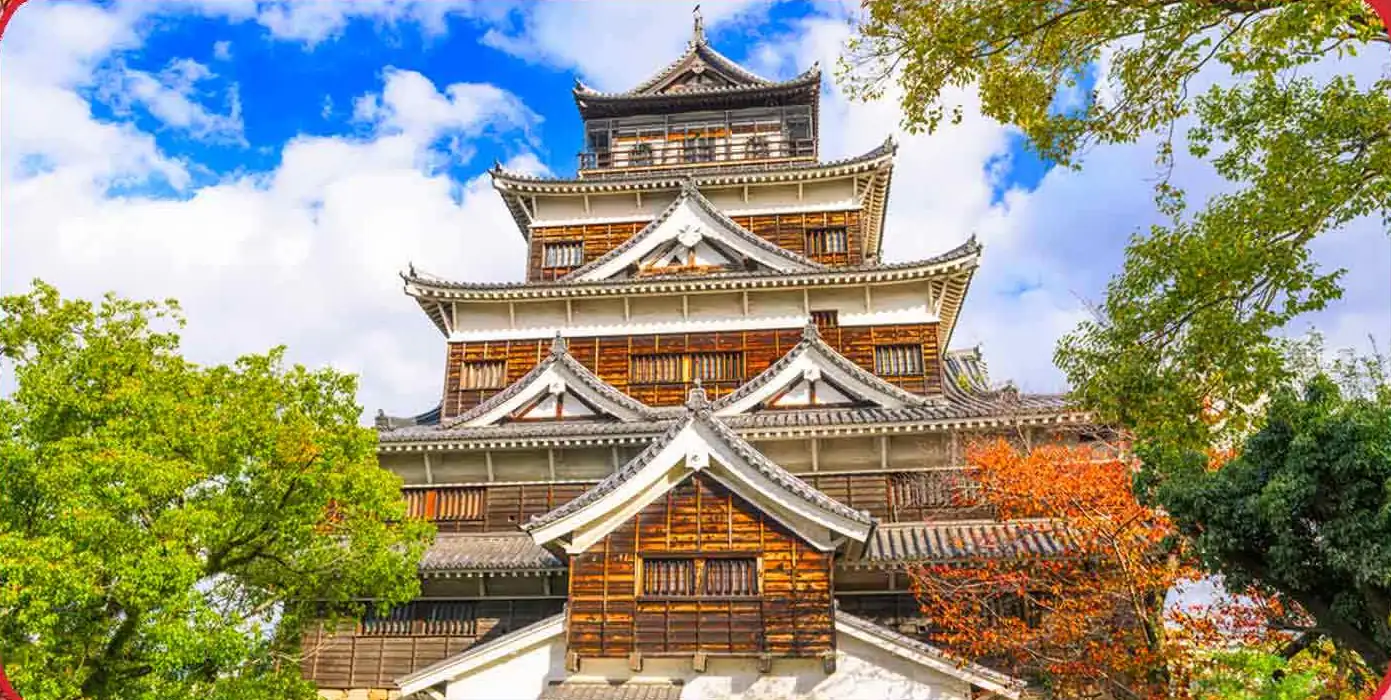 Hiroshima Castle
This castle dates from 1590 and was destroyed by the atomic bombing of 1945. What you see in the photograph is the reconstruction, completed in 1958, standing in a park inside a wide moat.
114. Fukuoka Castle
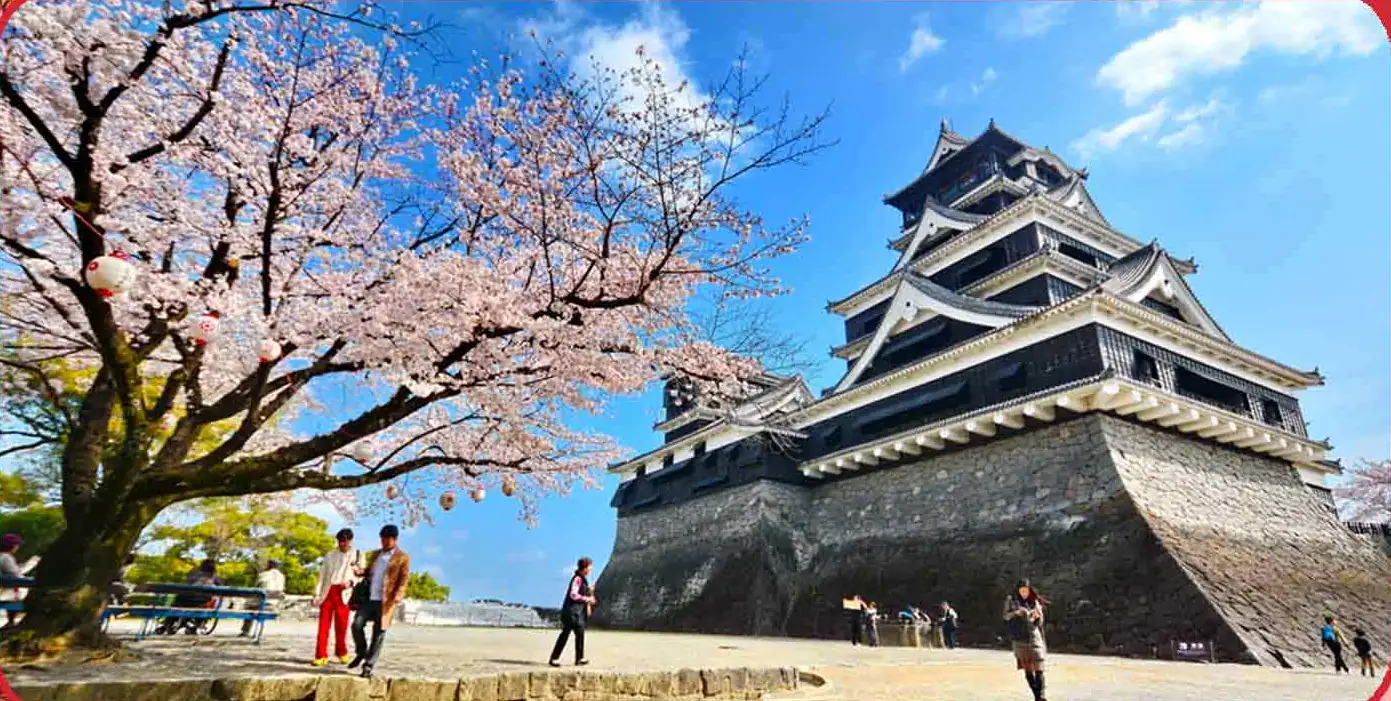
The ruins of Fukuoka Castle are the remains of what was once the largest castle in Kyushu. A moat, gates and long stretches of stone wall survive, and the hilltop still gives you the view the lord built for.
115. Suwa Shrine, Nagasaki
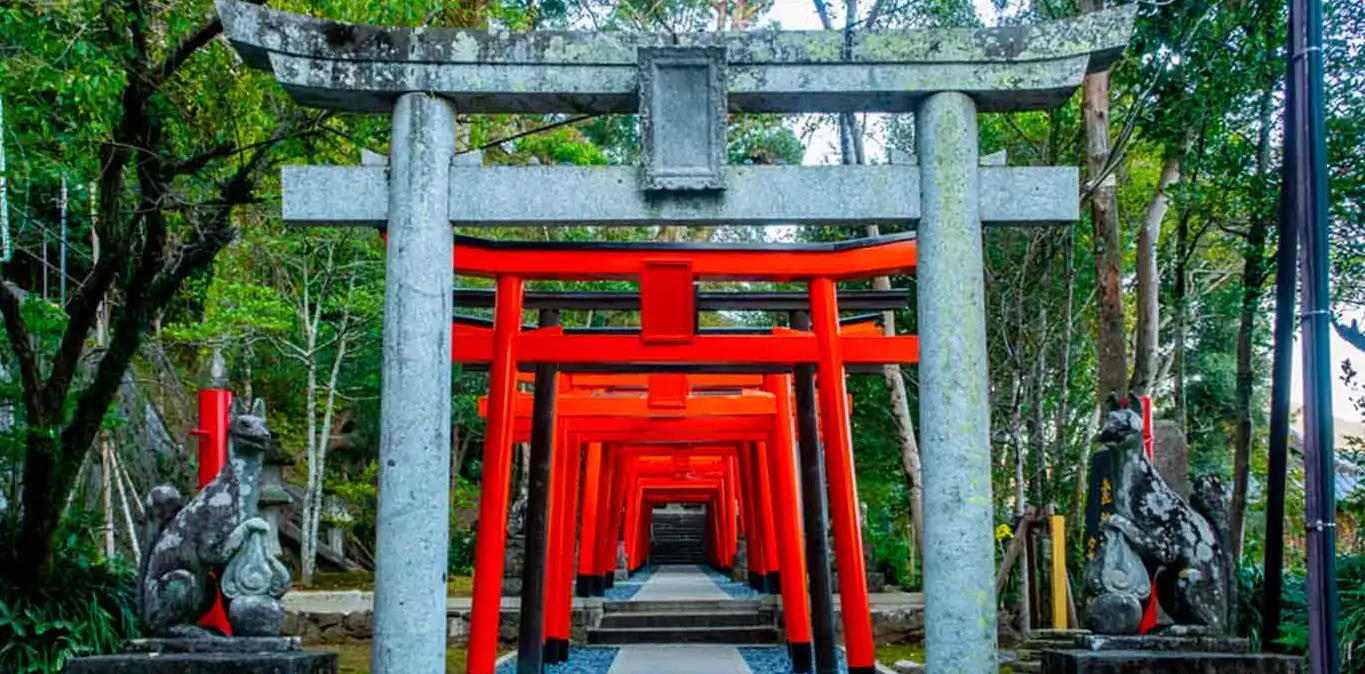
This shrine, founded in 1614, carries the story of Nagasaki's resistance to and against Christian conversion. Its autumn festival, the Kunchi, tells the history of Nagasaki through costume and dance, with Chinese and Dutch influences woven into both.
116. Edo-Tokyo Open Air Architecture Museum, Tokyo
This open-air museum collects old buildings saved from demolition and rebuilt on site. It matters more than it sounds: very few historic buildings survive in Tokyo, because of fires, floods, earthquakes and war.
117. Kyoto Station
Kyoto Station is not only a station. It is a piece of modern architecture, and a deliberate contrast with the city of old temples it opens onto. Its main hall rises fifteen storeys, and the building runs about half a kilometre wide, with a long open staircase you can climb for the view.
118. Takashimaya Times Square, Tokyo
This large mall spreads over sixteen floors, with department stores including Tokyu Hands and Takashimaya, plus the Kinokuniya bookshop and its whole English-language section.
119. Kyoto Tower
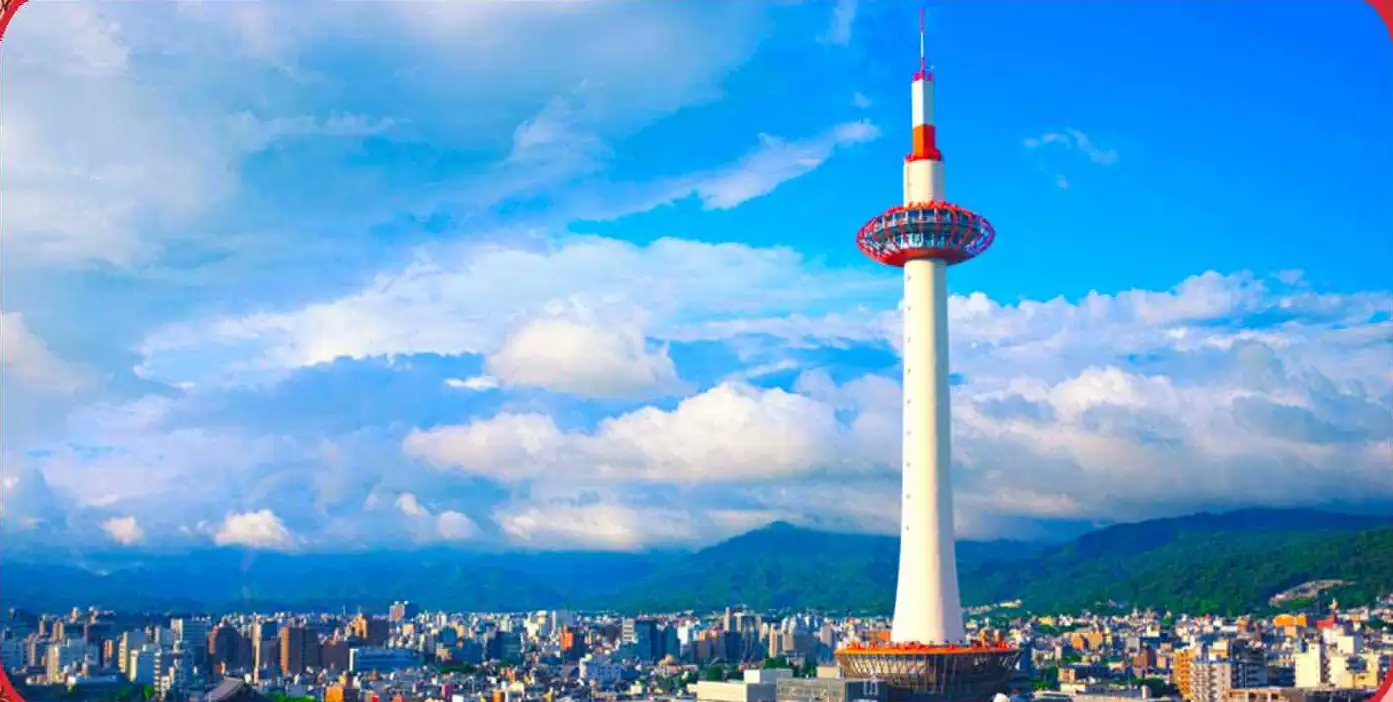
This is the tallest structure in Kyoto, and its observation deck gives you the old city laid out flat, with the mountains closing it on three sides.
120. Adashino Nenbutsu Ji Temple Kyoto
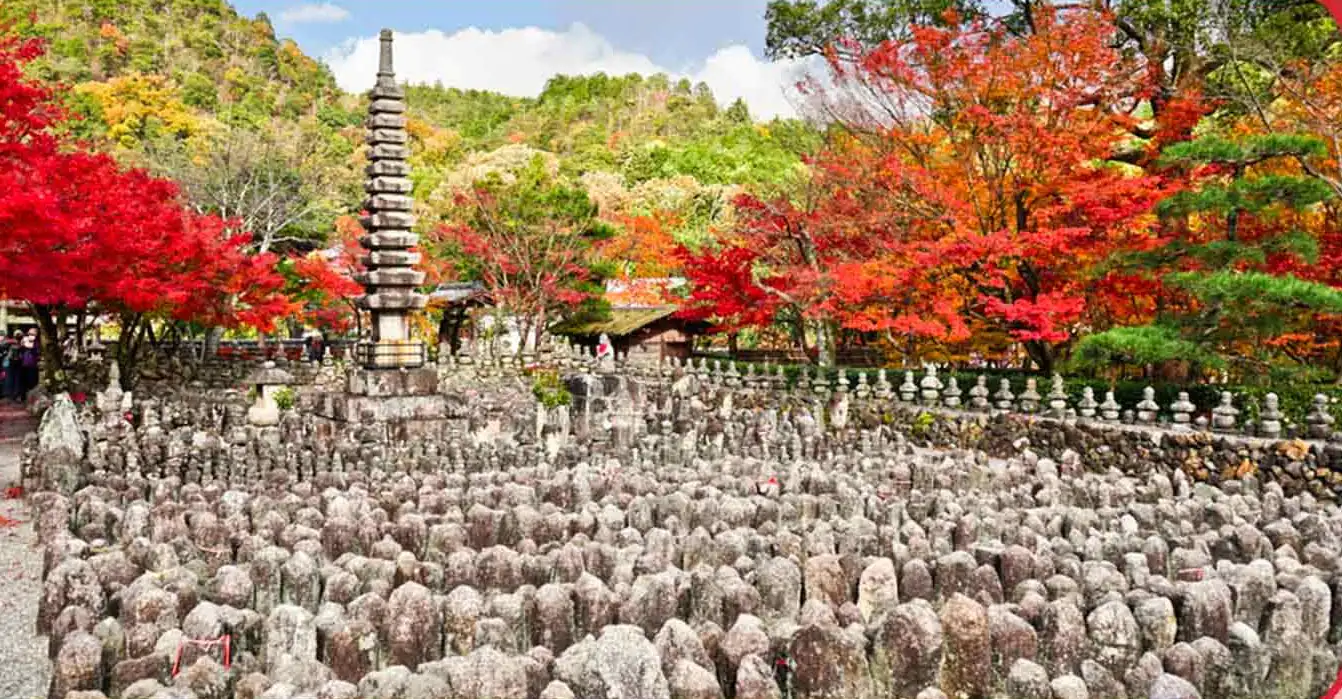
This temple gathers close to 8,000 small stone figures, collected from forgotten graves across the area and set out together. In August they are lit with candles, and the effect is quiet rather than spectacular.
121. Nishi Honganji
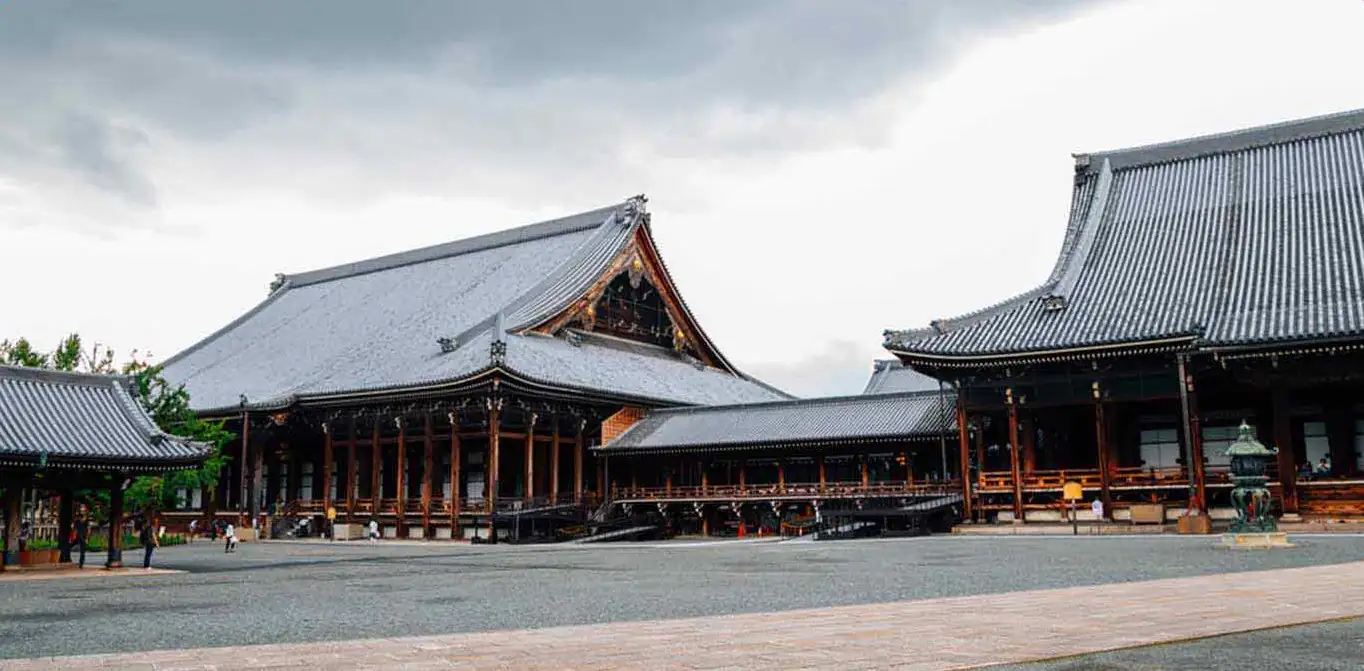
This temple has two vast wooden halls, both working places of worship. Its gate is a Japanese monument in its own right, as one of the few pieces of Momoyama-period architecture still standing.
122. Umeda Sky Building
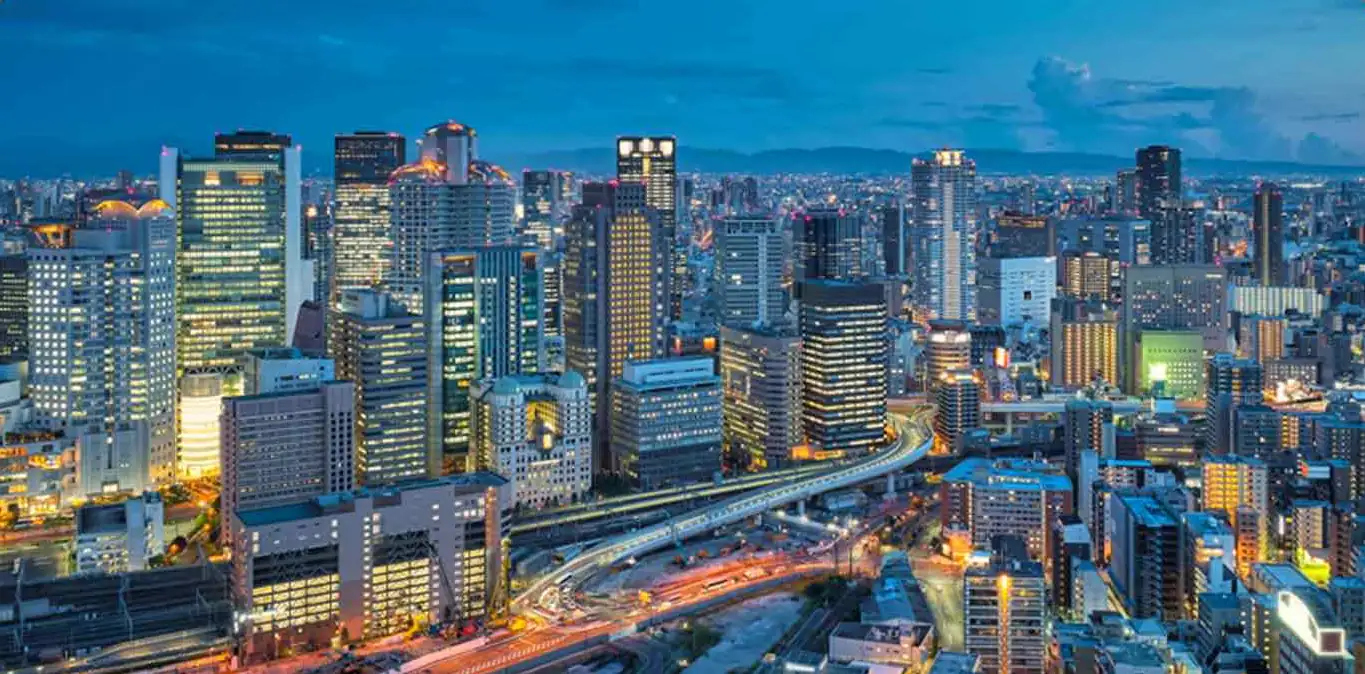
The Umeda Sky Building is two towers joined at the top by a bridge, forming a giant arch over the city. You reach the open-air roof deck after forty floors, the last stretch in a glass escalator suspended in the gap.
123. Eikando Kyoto
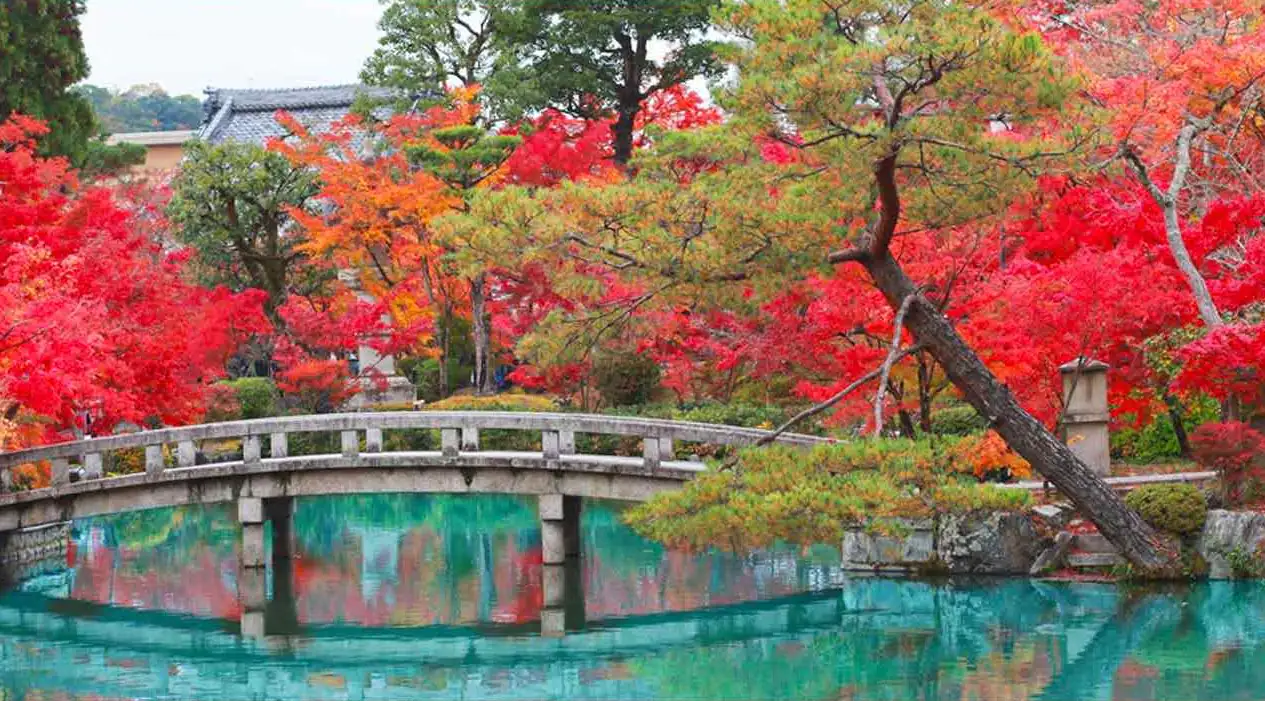 Eikando Temple
Eikando is a set of halls linked by covered wooden walkways, arranged around a garden with a small pagoda above it. Temple tradition says that in 1082 the Buddha statue turned its head to speak to a priest standing beside it, and has kept that turned posture ever since.
124. Miraikan Tokyo
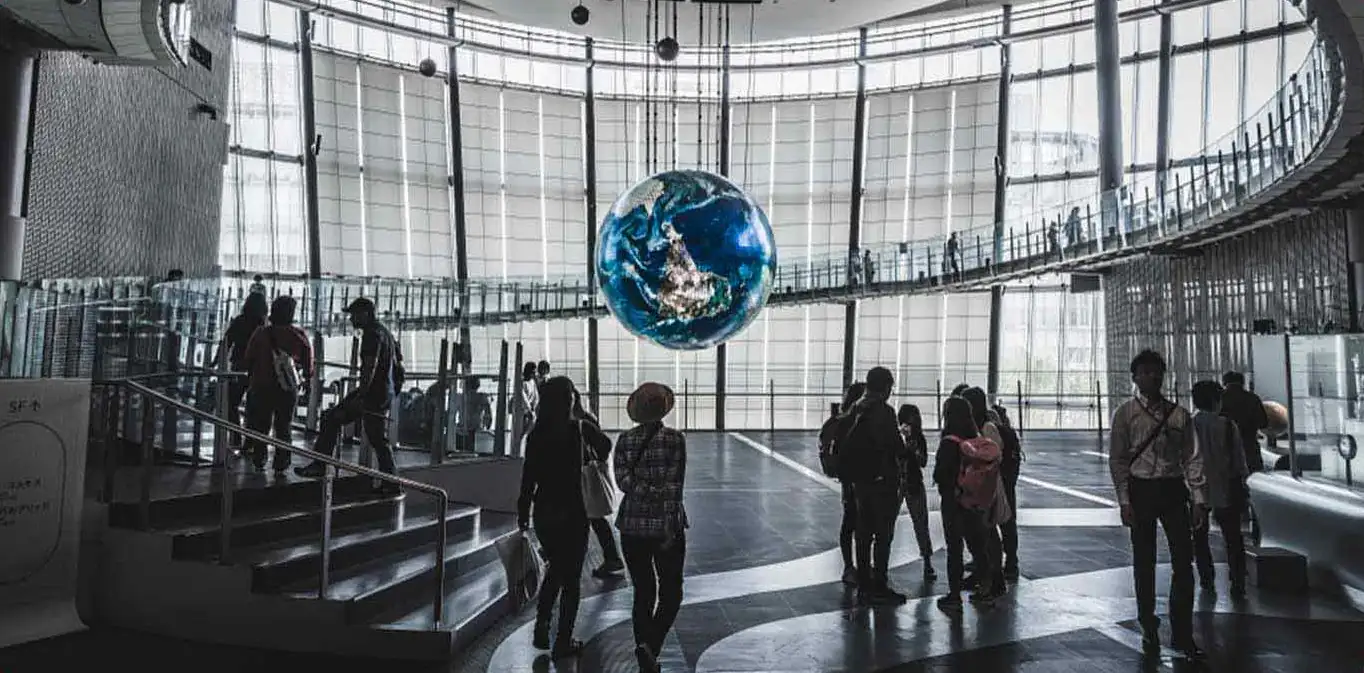
If you have the mind of a scientist, this museum is for you. The exhibits cover space, robotics and life sciences, with demonstrations through the day. The centrepiece is a large suspended globe wrapped in screens, used to project live scientific and historical data.
125. The Great Buddha Japan
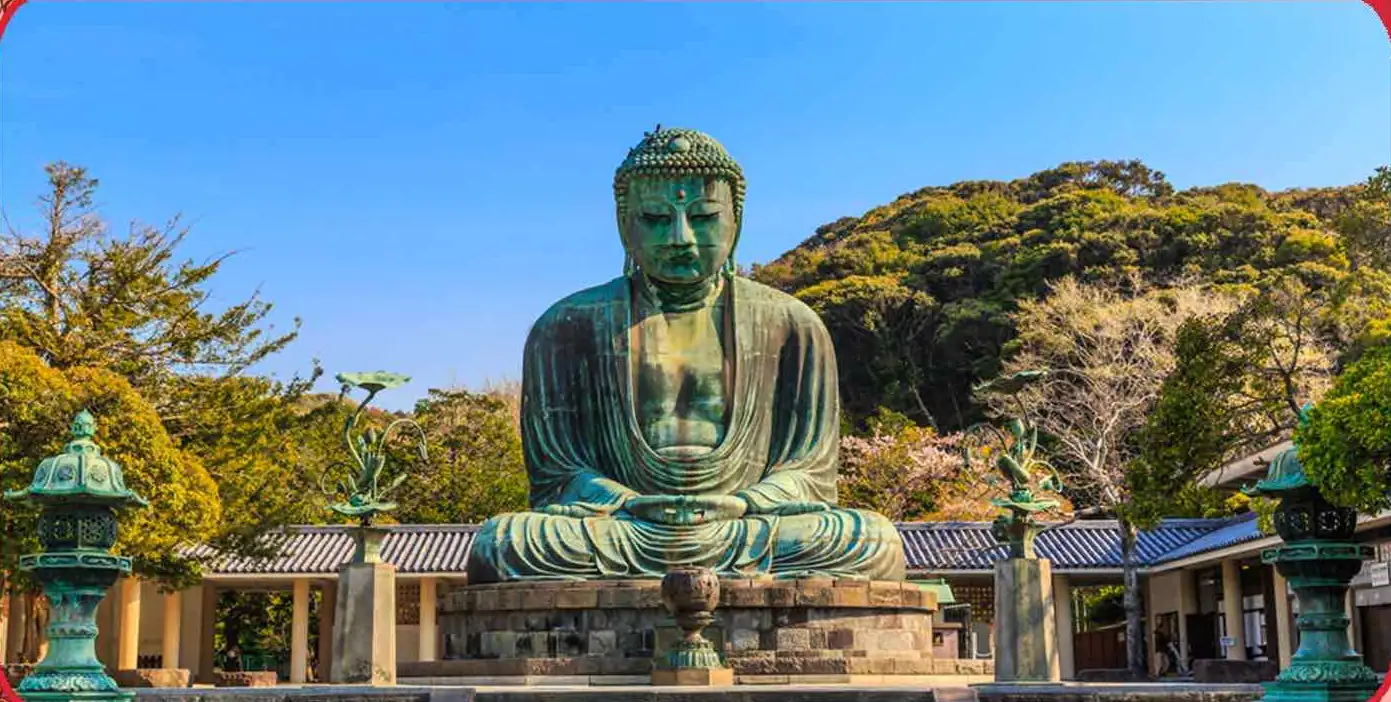
The Great Buddha is Kamakura's most remarkable work of art. The bronze figure was cast in 1252 and originally stood inside a hall, which storms and tidal waves eventually took away. It has sat in the open ever since.
126. Sento Palace
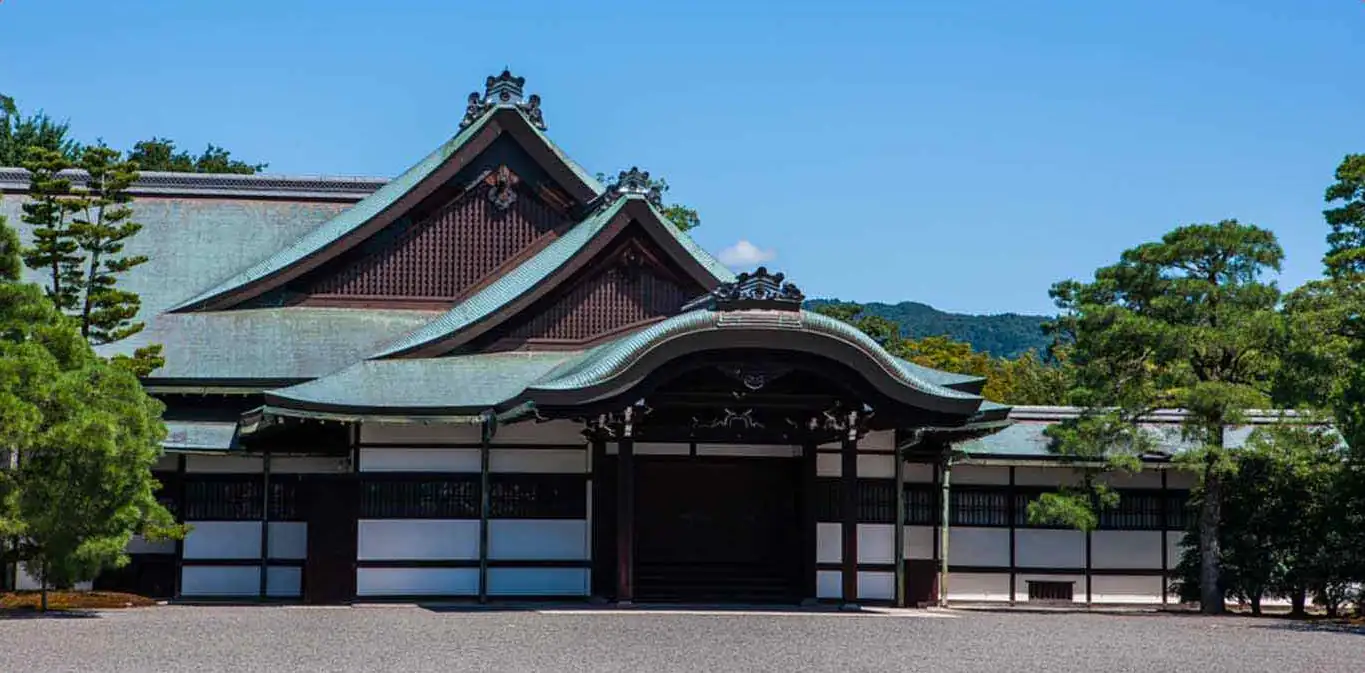
This palace was built in 1630 for a retired emperor to spend his last years in. It burned in the 19th century and was never rebuilt. What remains is two tea ceremony rooms and a garden around a pond, which many visitors rate above the buildings that were lost.
127. Kenchoji
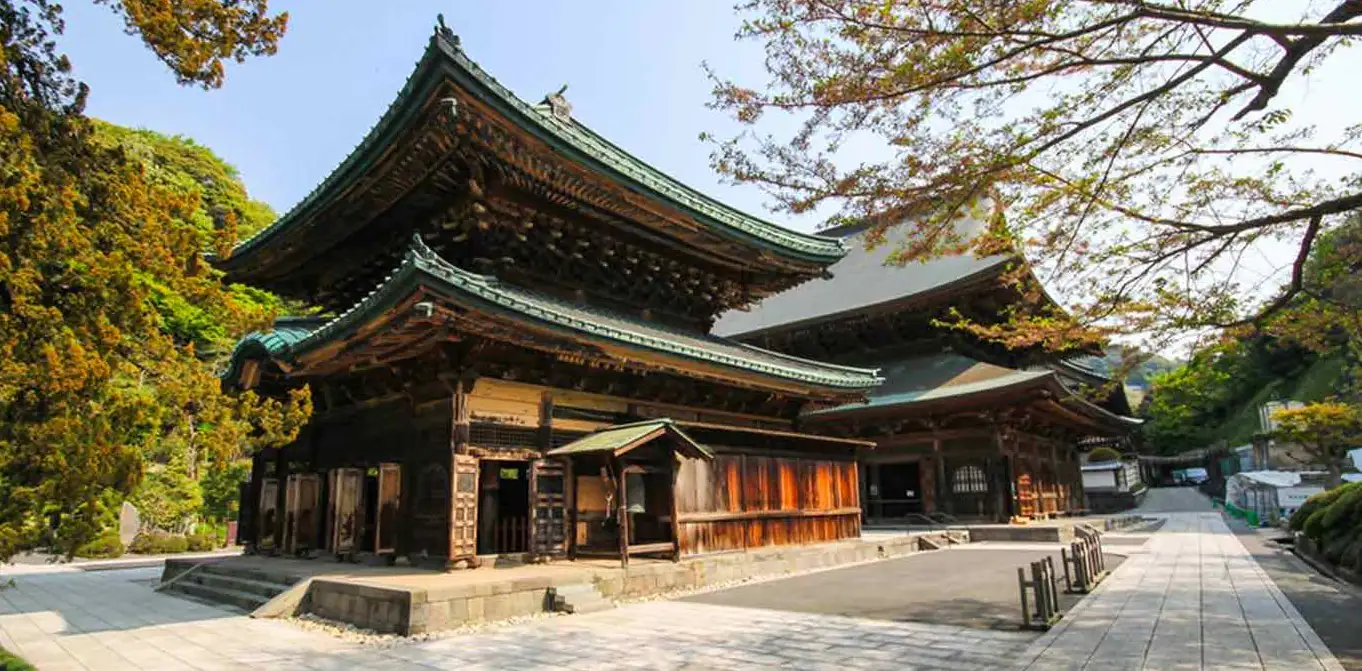
Founded in 1253, Kenchoji is the oldest Zen temple in Kamakura. The precinct holds a line of halls with restrained architecture and several forms of exceptional Japanese art. A trail climbs out of the back of the grounds onto the ridge, which makes this a walk as well as a visit.
How much does a trip to Japan cost?
As you have seen, Japan gives you a great deal to do. Between gardens, temples, big cities, ryokan, onsen (温泉) and samurai castles, you can spend weeks inside Japanese culture and traditions and still leave things out.
The country will give you landscapes and discoveries you did not expect, one stranger than the next.
The price of a trip to Japan depends on two things above all: how long you stay, and how many paid activities you book. A family looking for comfort and a backpacker riding local trains are not planning the same budget. Transport passes, ryokan nights and museum entries are where the differences show.
If travelling to Japan is not on the table yet and you still want a souvenir, or a gift inspired by the land of the rising sun for someone close to you, our article on the best Japanese gift ideas is the place to start.
You now have what you need to plan your way into the heart of Japan.
FAQ
How many days do I need for the main sights?
Ten to fourteen days covers Tokyo, Kyoto, Nara and Osaka without rushing, plus one side trip such as Hakone or Hiroshima. A single week means choosing between Tokyo and Kansai. Hokkaido and Kyushu deserve a trip of their own.
When is the best time to visit?
Late March to April for cherry blossom, November for maple colour. Both are crowded and expensive. Early summer and early December are quieter, and winter is the season for drift ice in Hokkaido and snow on the gardens of Kanazawa.
Can I wear a kimono as a visitor in Japan?
Yes. Renting or wearing a kimono (着物) in Kyoto or Asakusa is common and welcomed. Keep the left panel crossed over the right, keep the obi belt tidy at the back, and save costume versions for conventions rather than temple grounds.
Do Japanese sizes run smaller than US or EU sizes?
Yes, by roughly one size. A Japanese L usually corresponds to a US or EU M, and sleeves and shoulders are cut narrower. For geta and other sandals, measure your foot in centimetres and work from that number rather than from a letter size.