Read more
Choosing the right Japanese tableware set
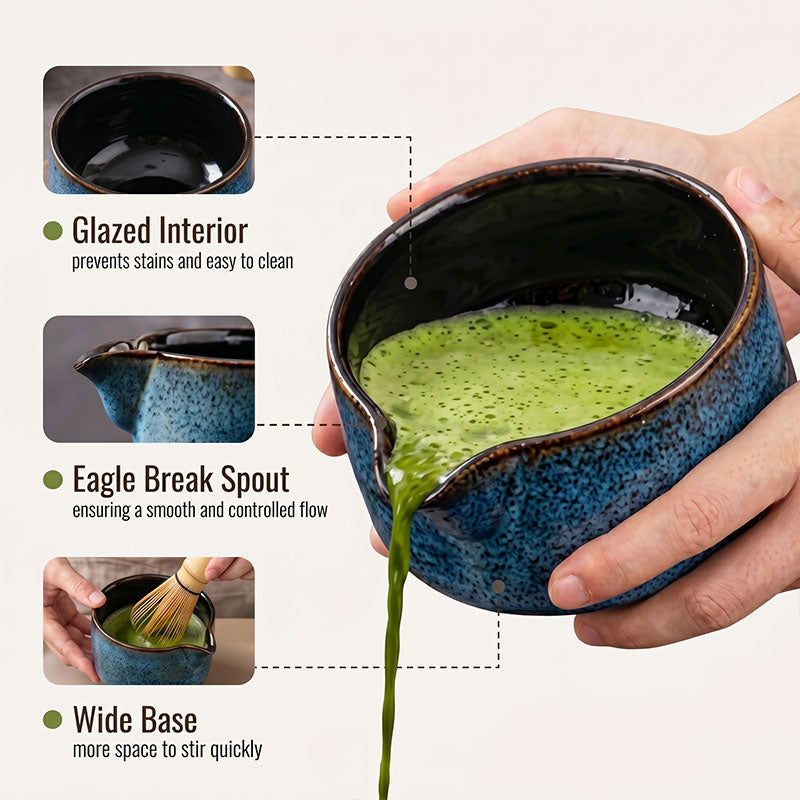
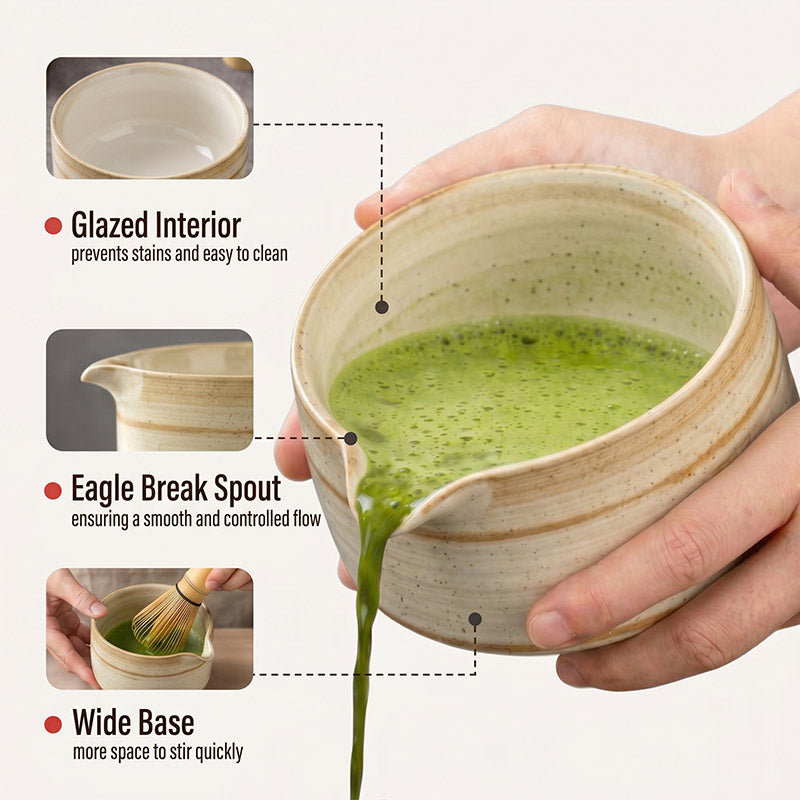
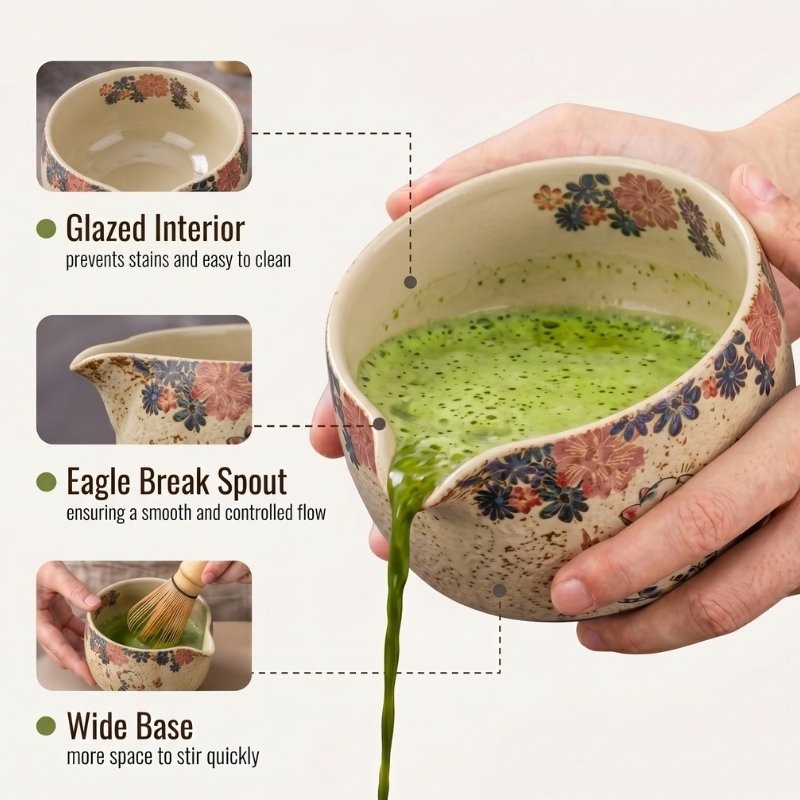
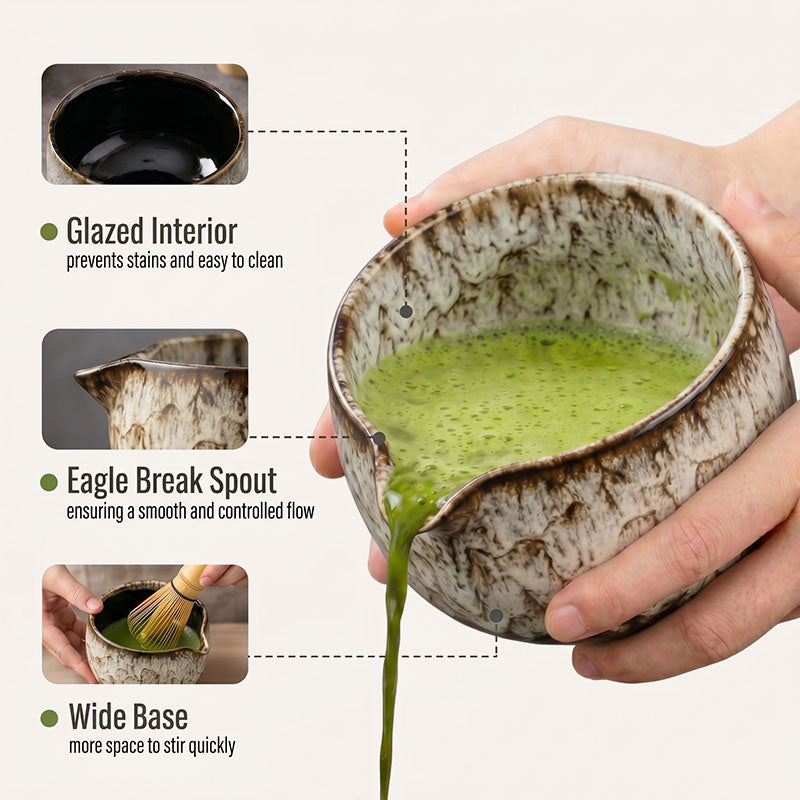
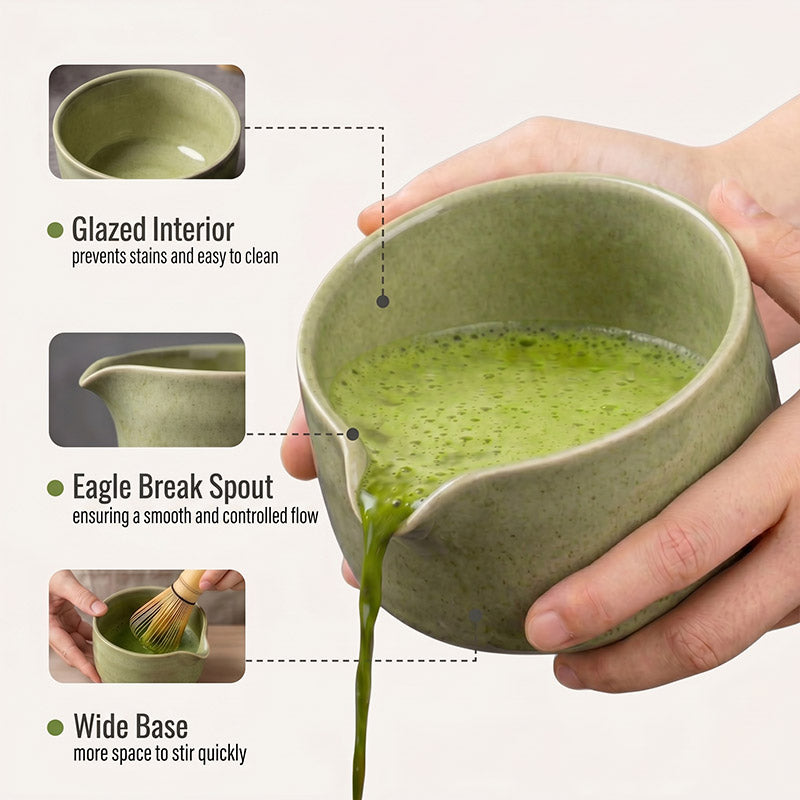
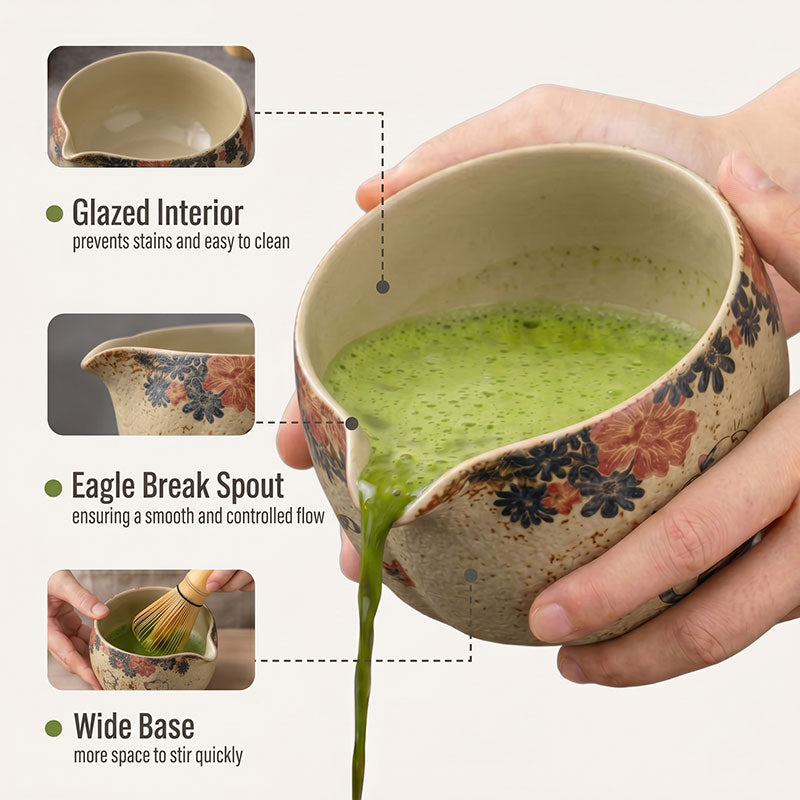
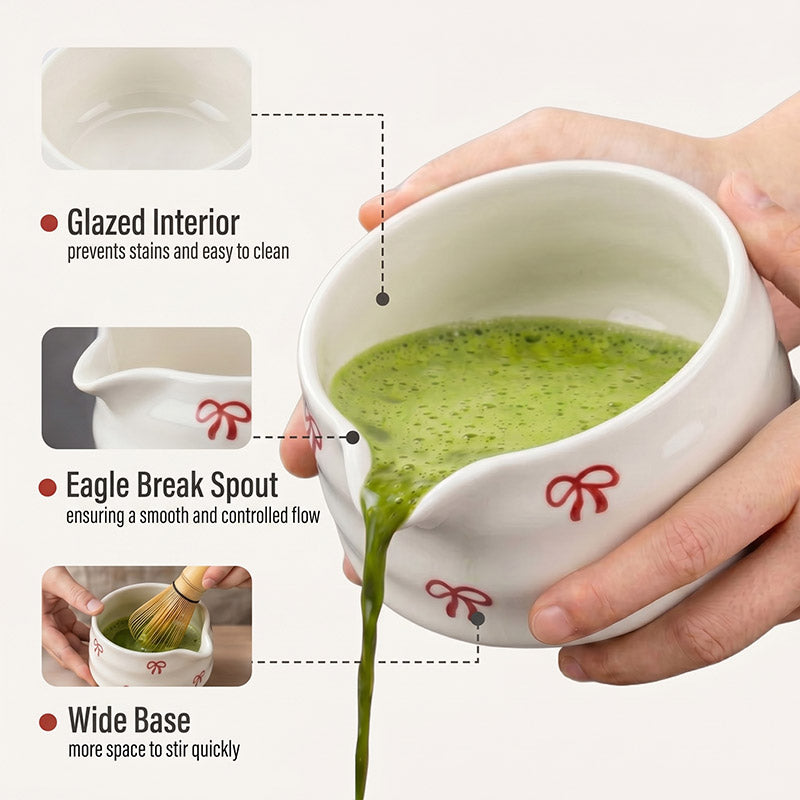
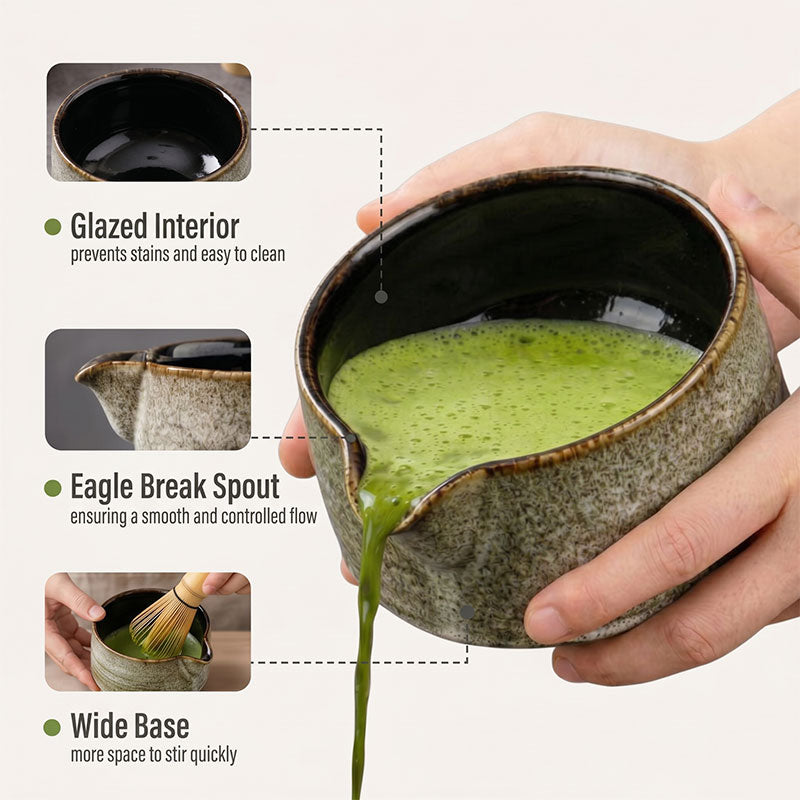
Japanese tableware is built around the meal it serves, not around a single all purpose plate. A matcha bowl is wide and shallow so the whisk can move freely, while a rice bowl is small and deep to keep the grains warm. Before buying, it helps to think about the moment: a quiet tea session calls for a different set than a shared dinner or a packed lunch. Choosing by use, rather than by look alone, keeps the practice close to Ikigai, the idea that an object earns its place through daily purpose.
Materials used in Japanese tableware craftsmanship
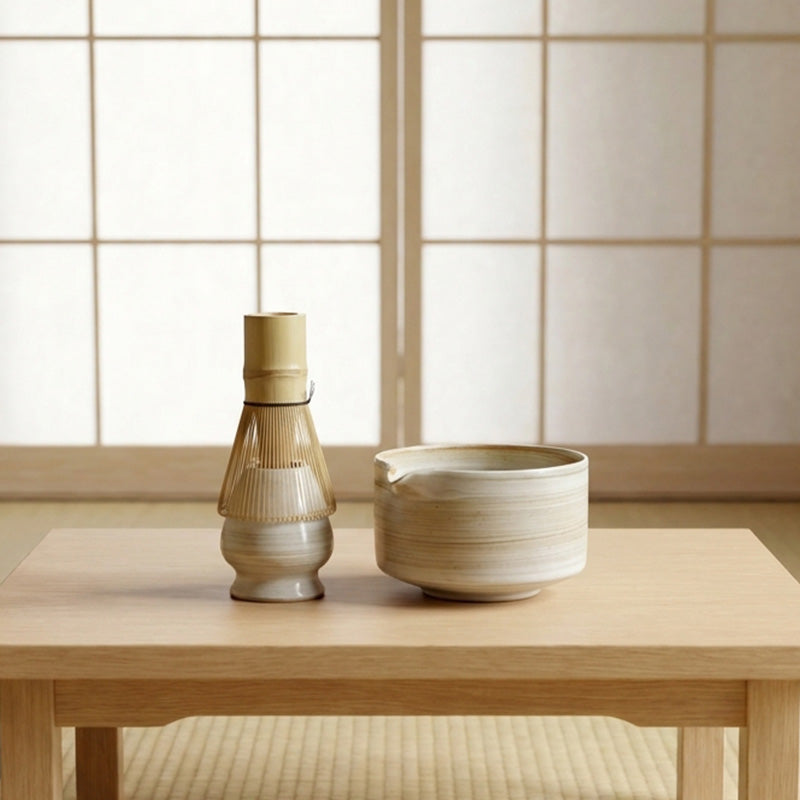
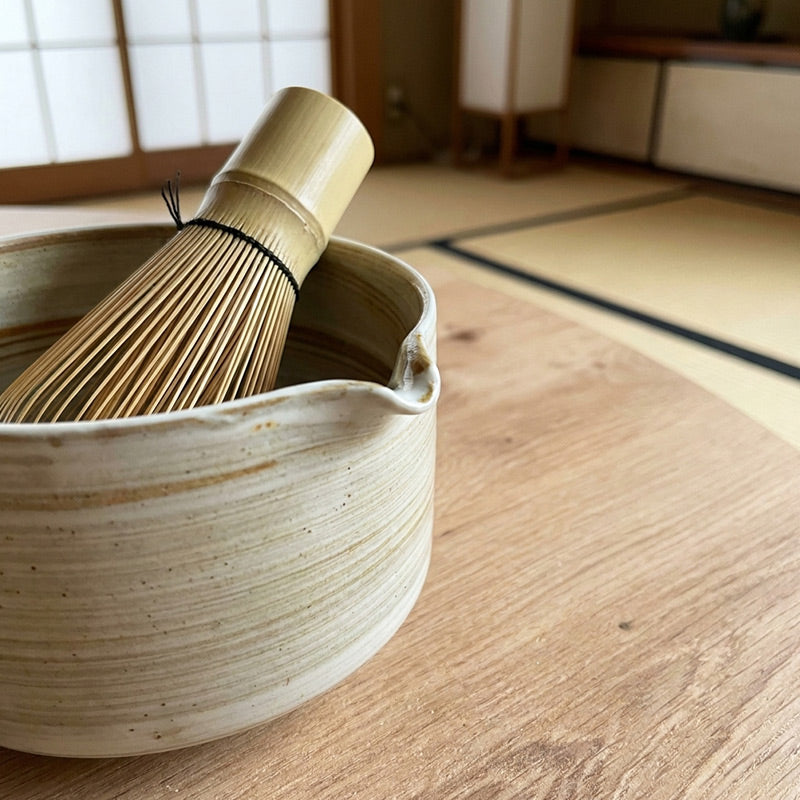
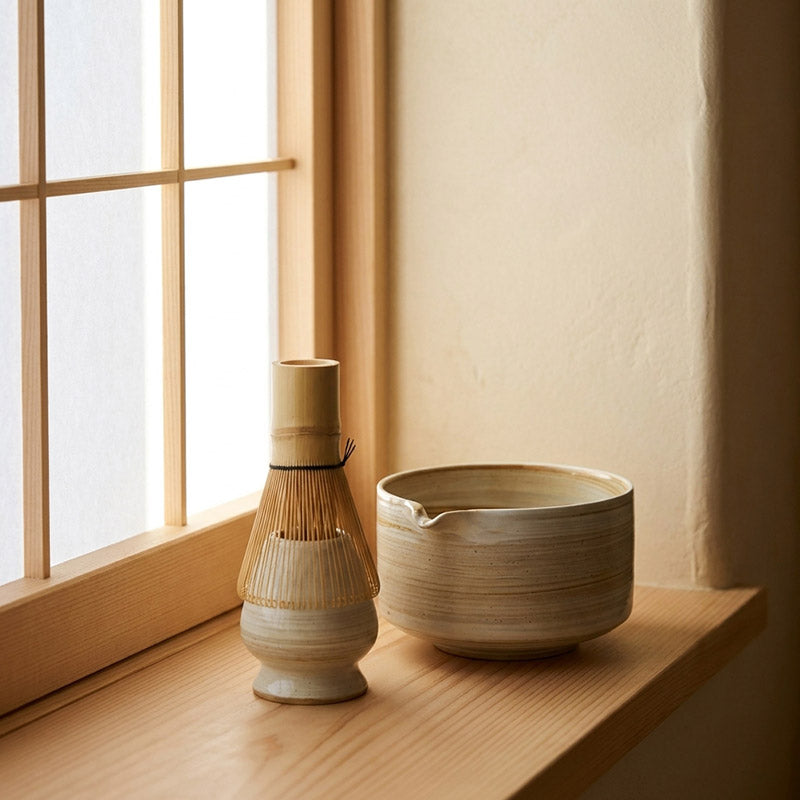
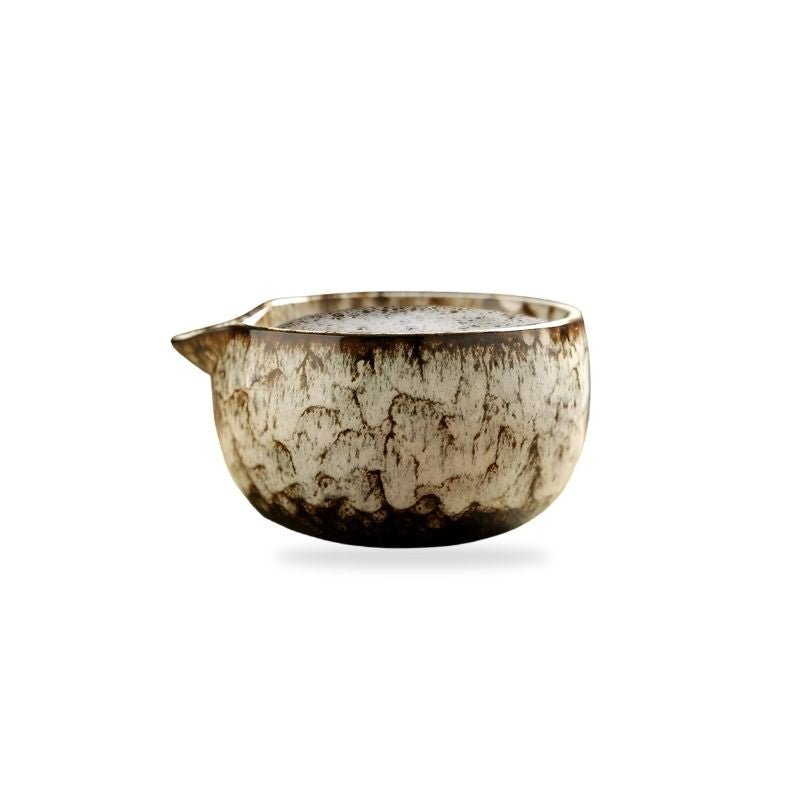
Ceramic, porcelain and lacquered wood are the three materials most commonly found across Japanese tableware. Ceramic and porcelain suit tea cups, sake cups and matcha bowls, since they hold heat well and show glaze variations that reflect Wabi-Sabi, the appreciation of imperfection. A chasen (bamboo whisk) used for matcha is the exception, made from a single piece of bamboo split into fine tines. Lacquered wood, on the other hand, is reserved for bento boxes and trays, where a light, food safe finish matters more than heat retention.
Caring for Japanese tableware at home
Most ceramic and porcelain pieces in a Japanese tableware set can go through a gentle dishwasher cycle, but lacquered items should always be washed by hand. A bento box with a lacquer finish needs to dry fully before it is closed again, to avoid trapping moisture inside. Bamboo tools such as whisks or trays should be rinsed quickly and left to air dry rather than soaked, since prolonged water contact can warp the fibers over time.
Styling Japanese tableware in a modern kitchen
A Japanese tableware set does not need a dedicated tea room to feel at home. A sake set placed on an open shelf next to everyday glassware, or a cross back apron worn over a plain t-shirt, brings the same pieces into a regular Western kitchen. This kind of small, gradual change fits the principle of Kaizen, improving daily habits one object at a time rather than redoing an entire room at once.
FAQ
What is included in a Japanese tableware set?+
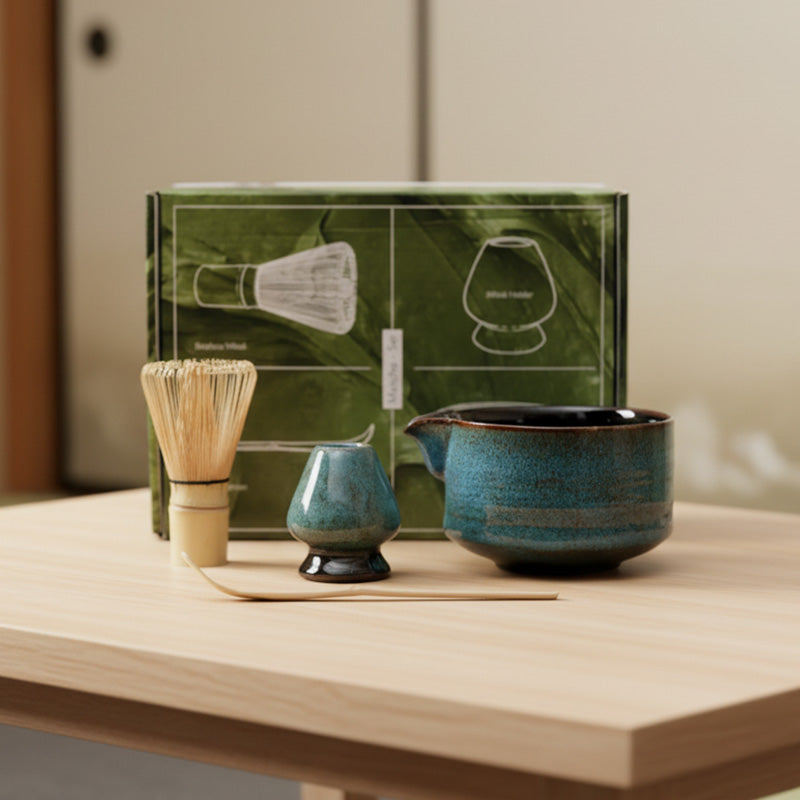
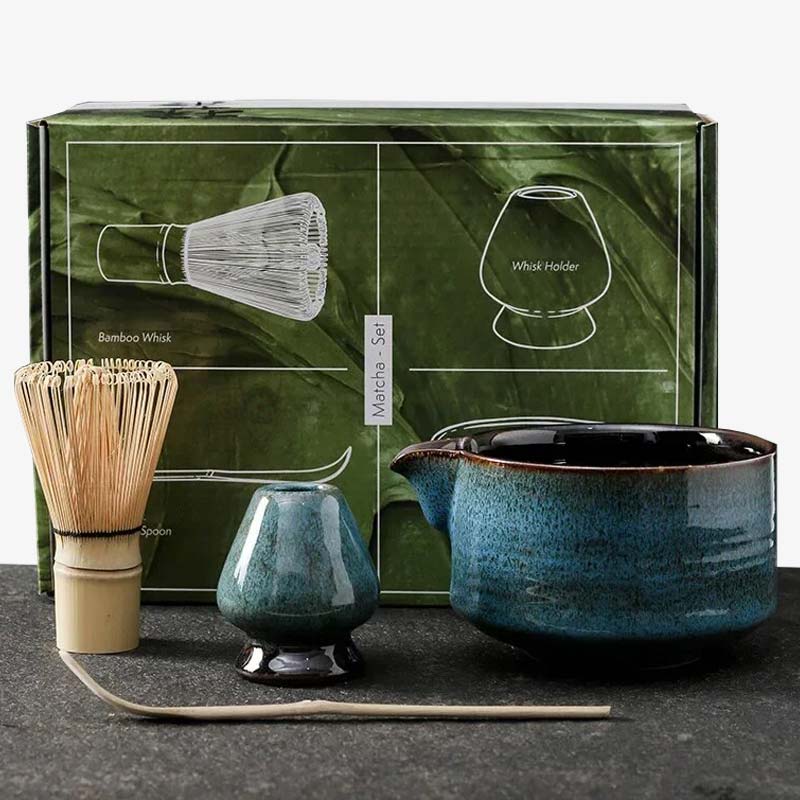
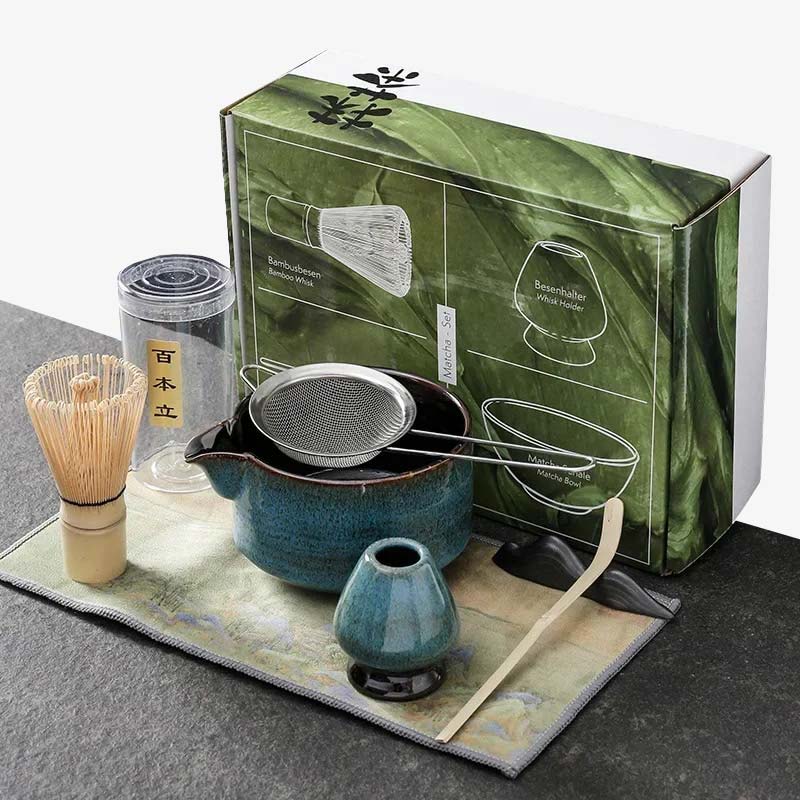
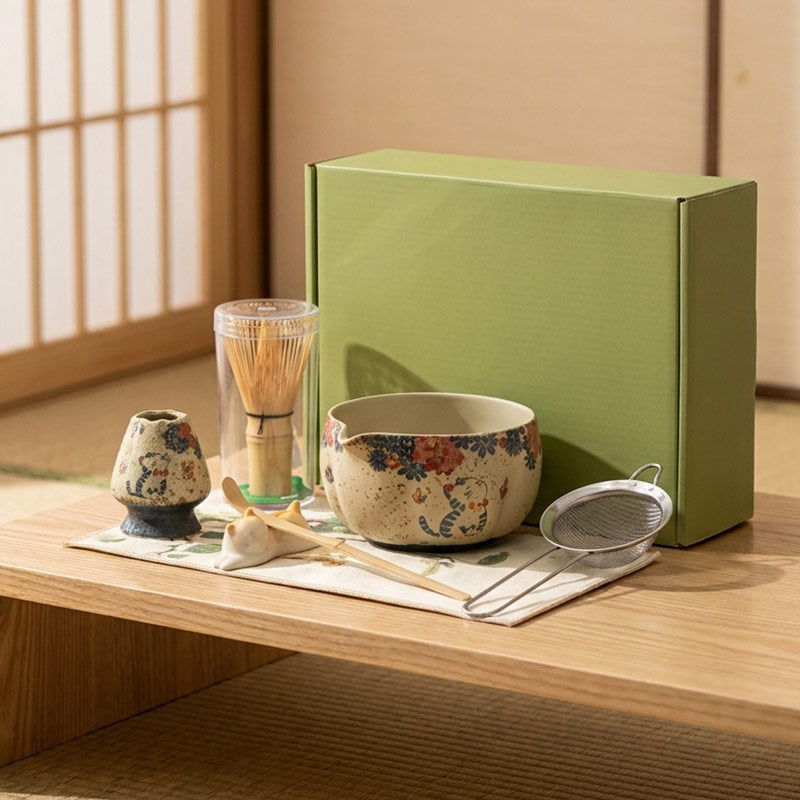
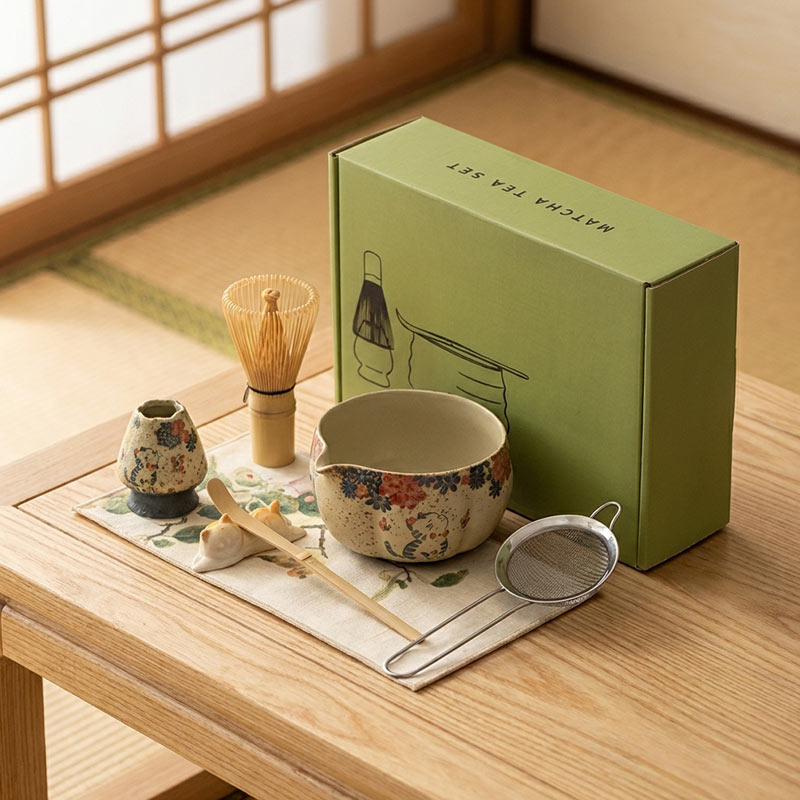
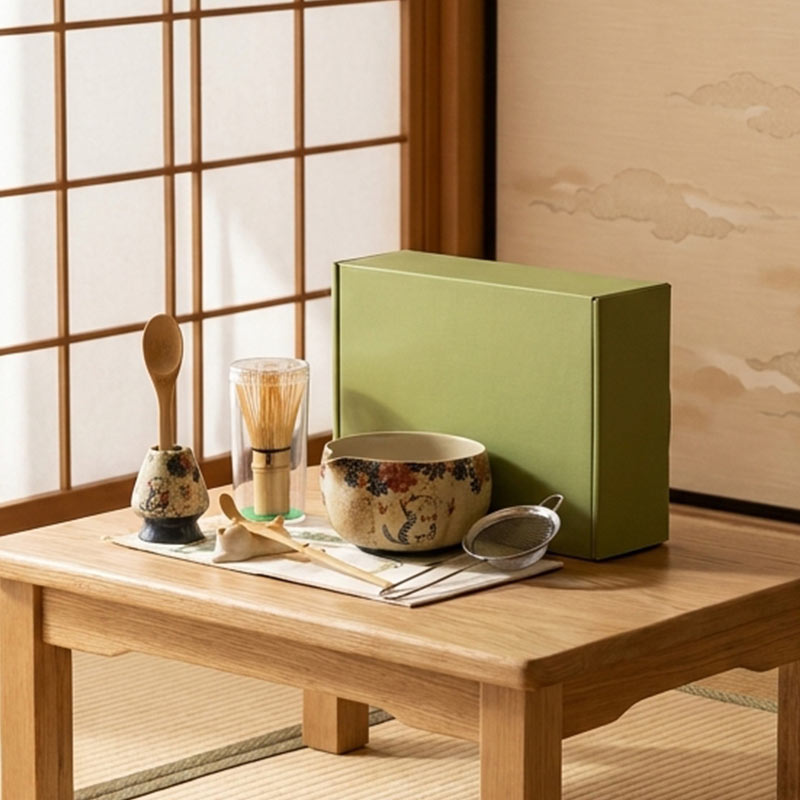
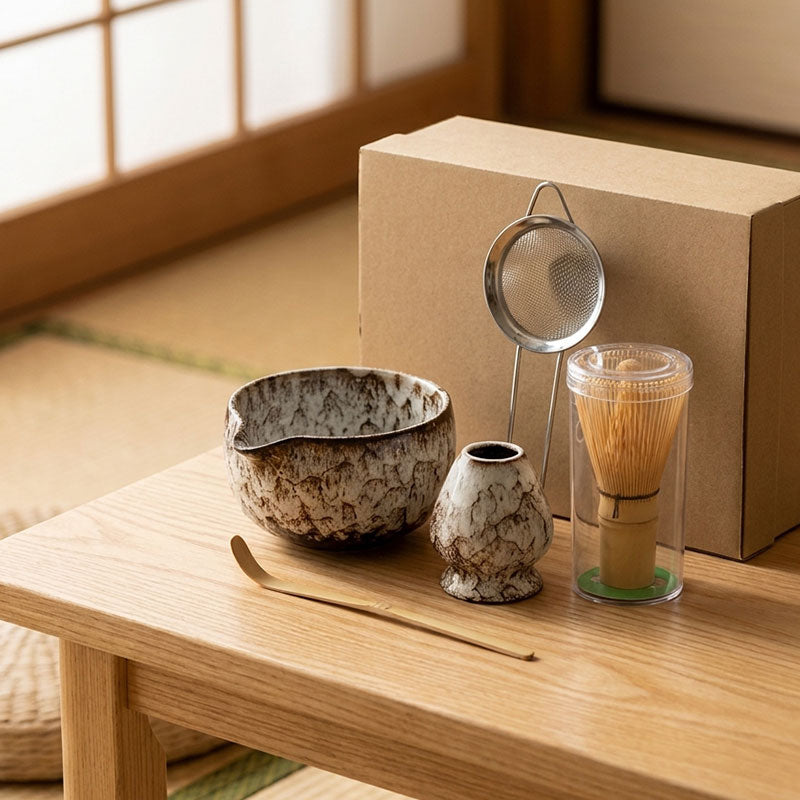
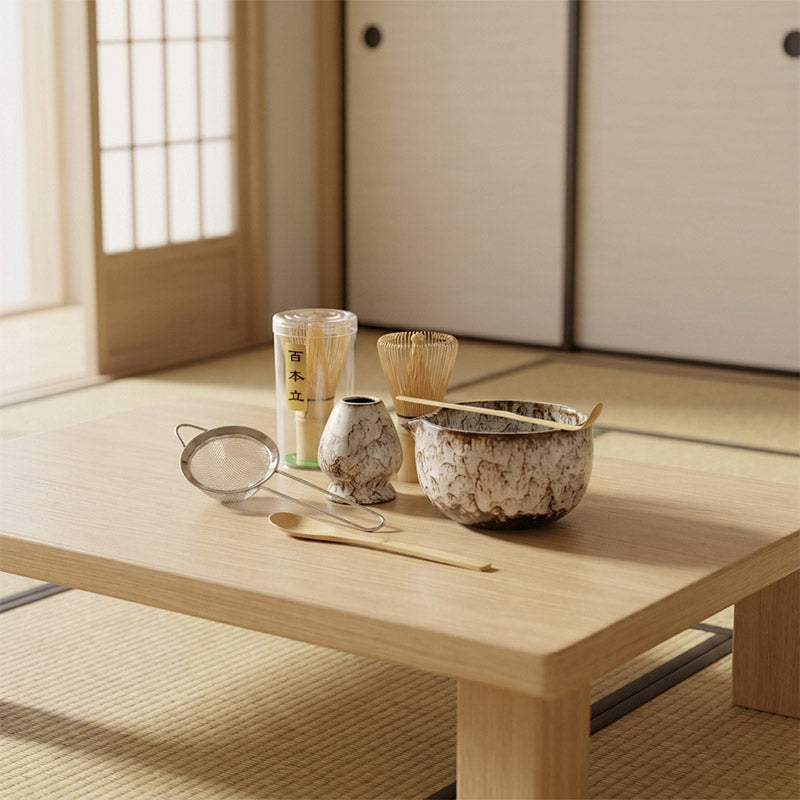
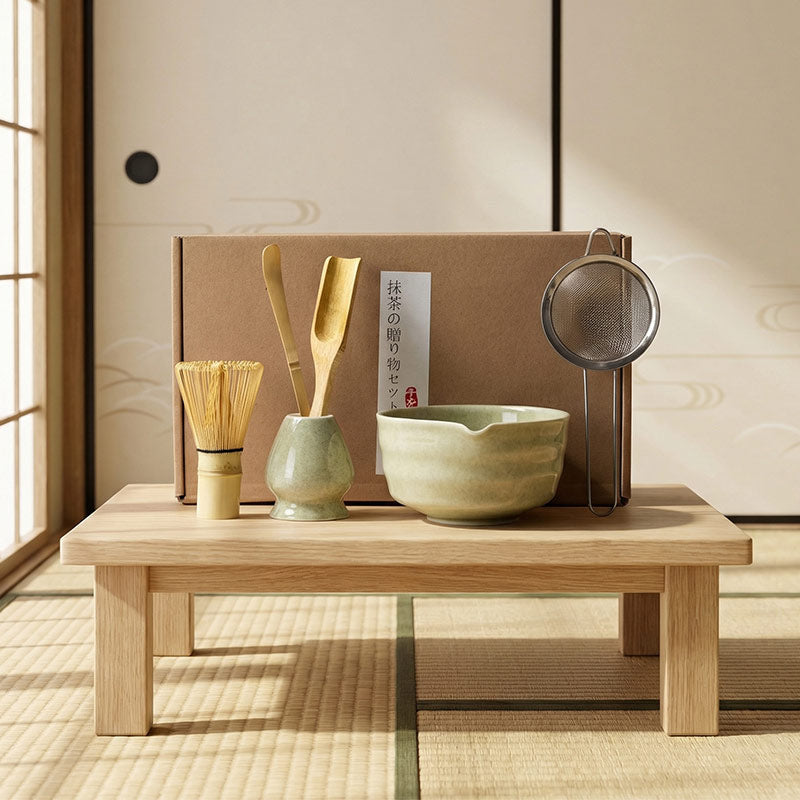
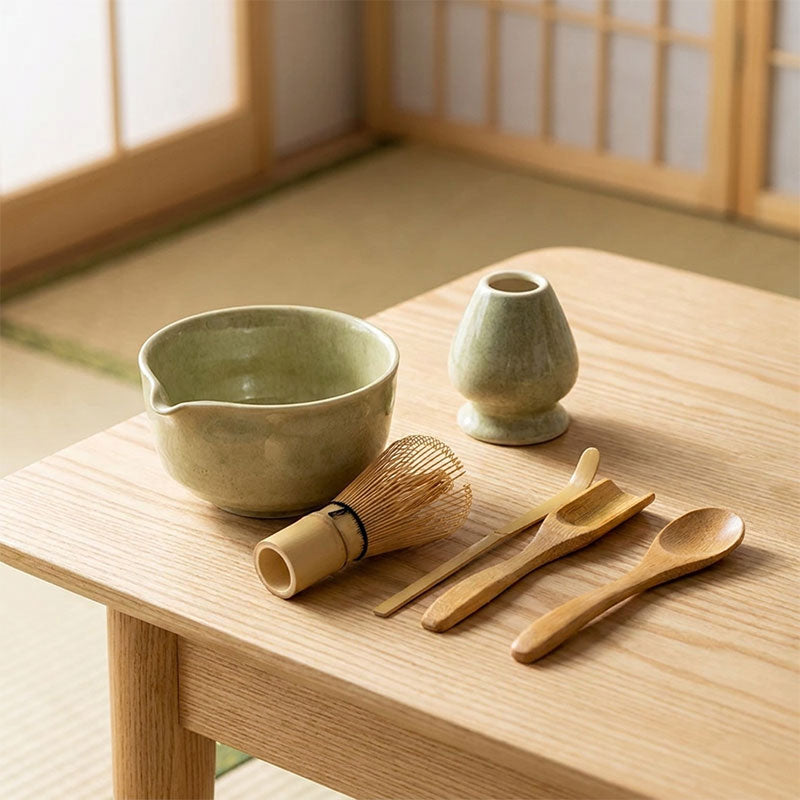
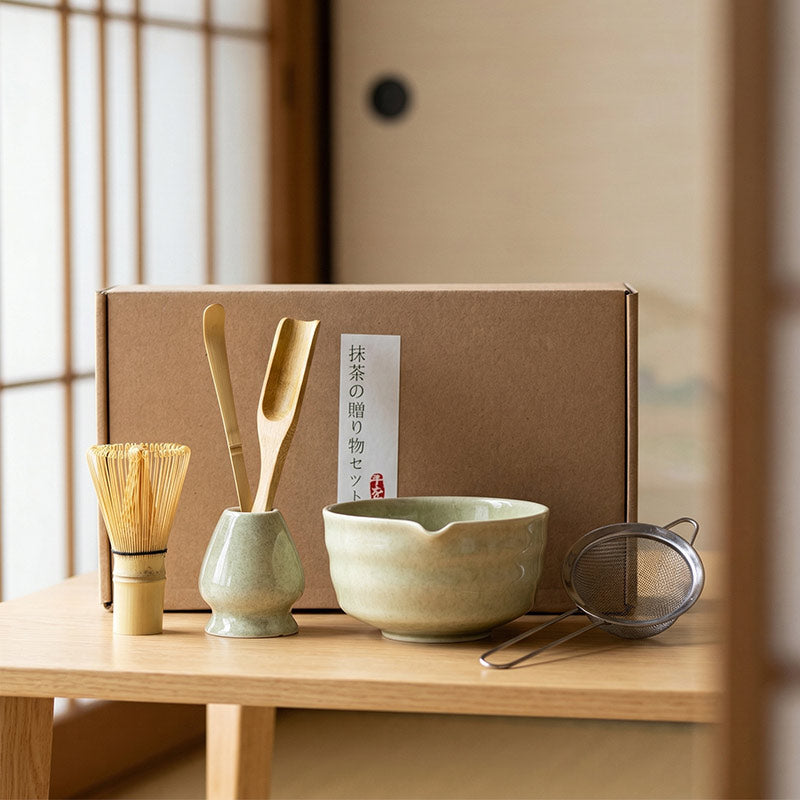
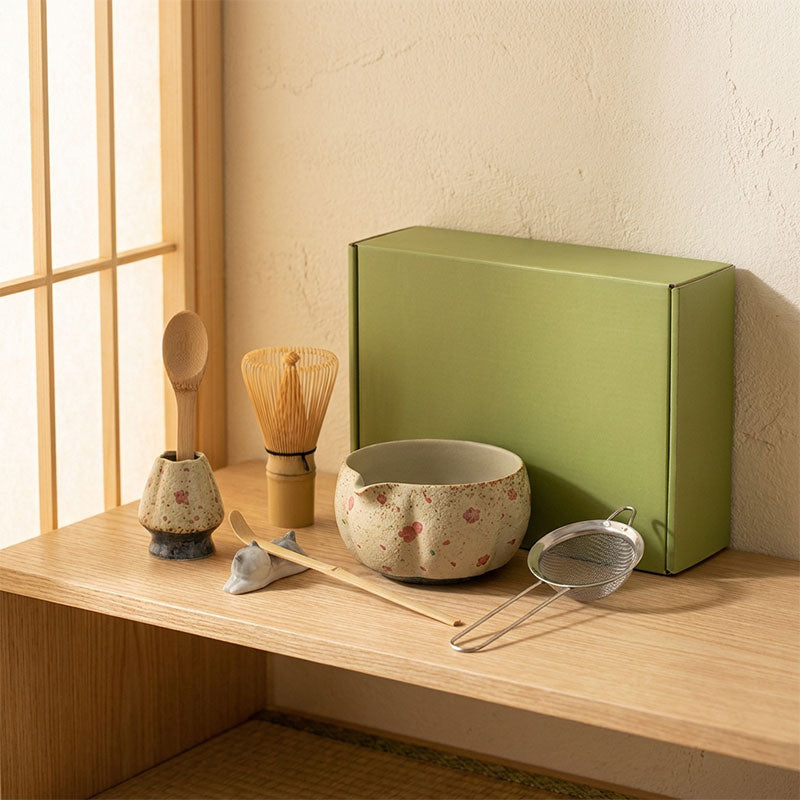
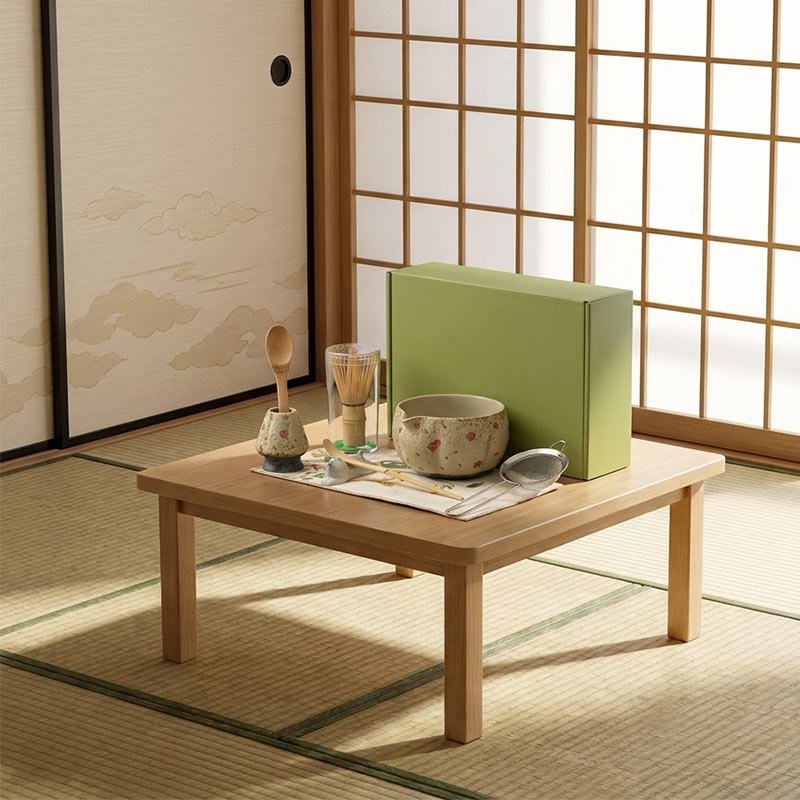
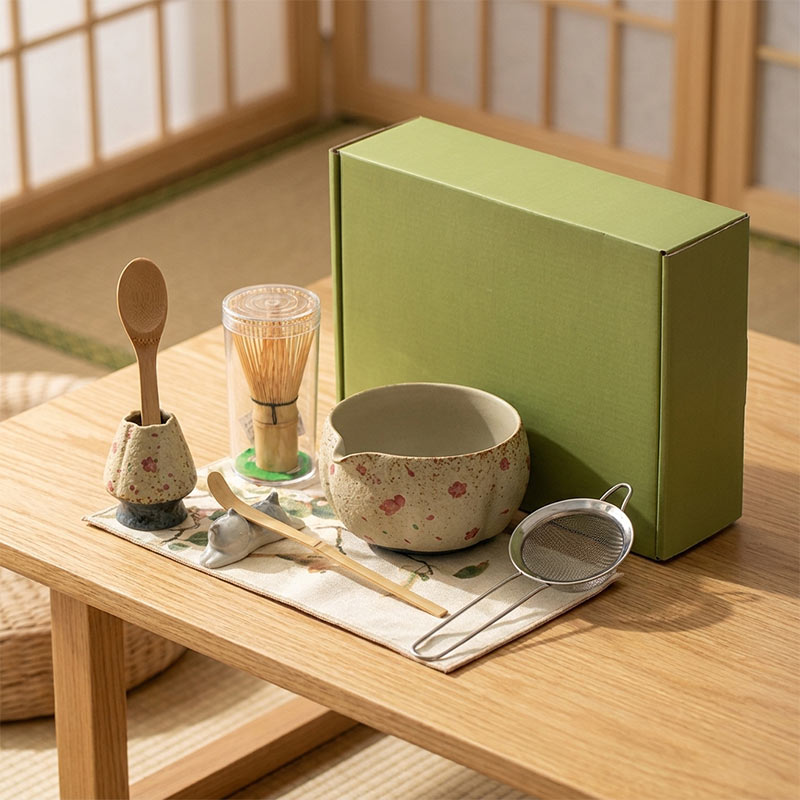
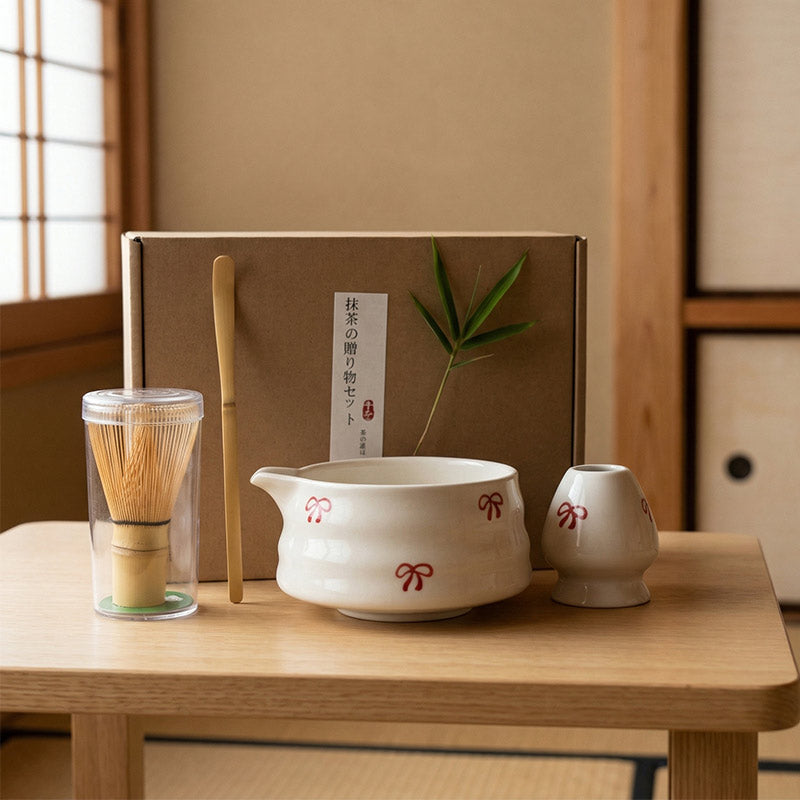
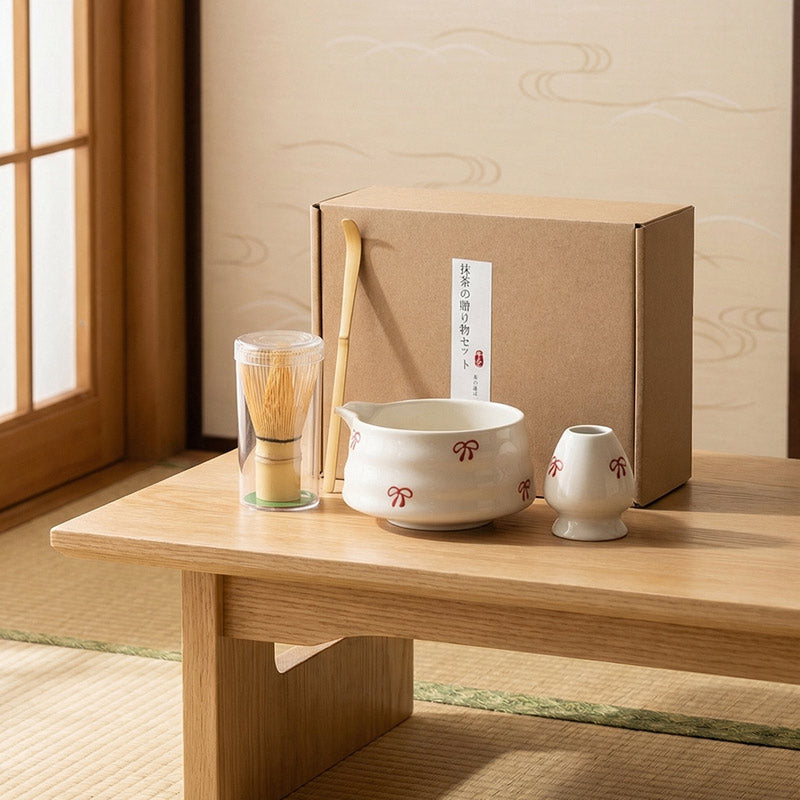
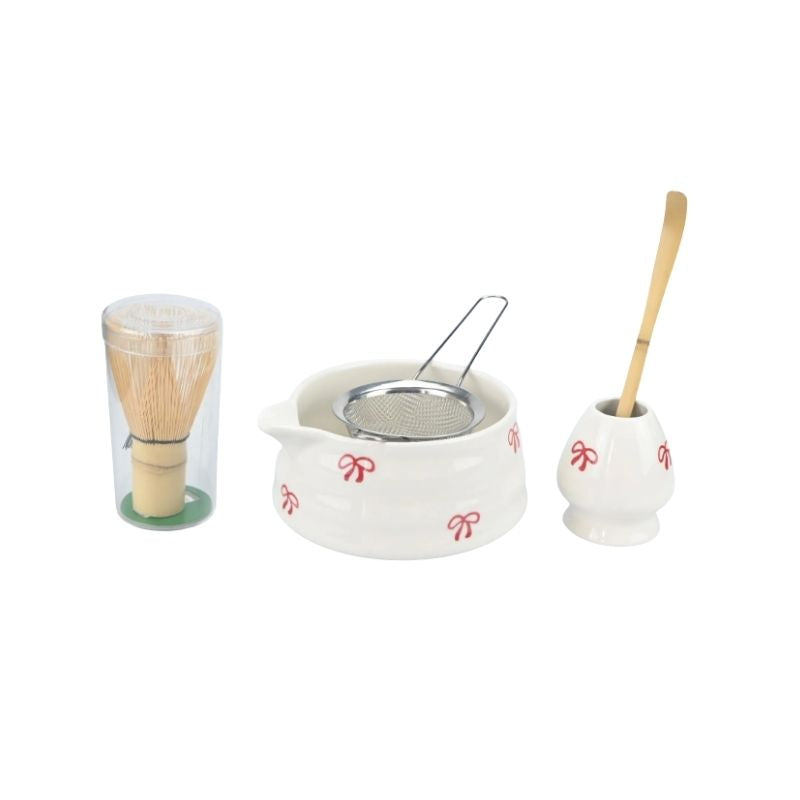
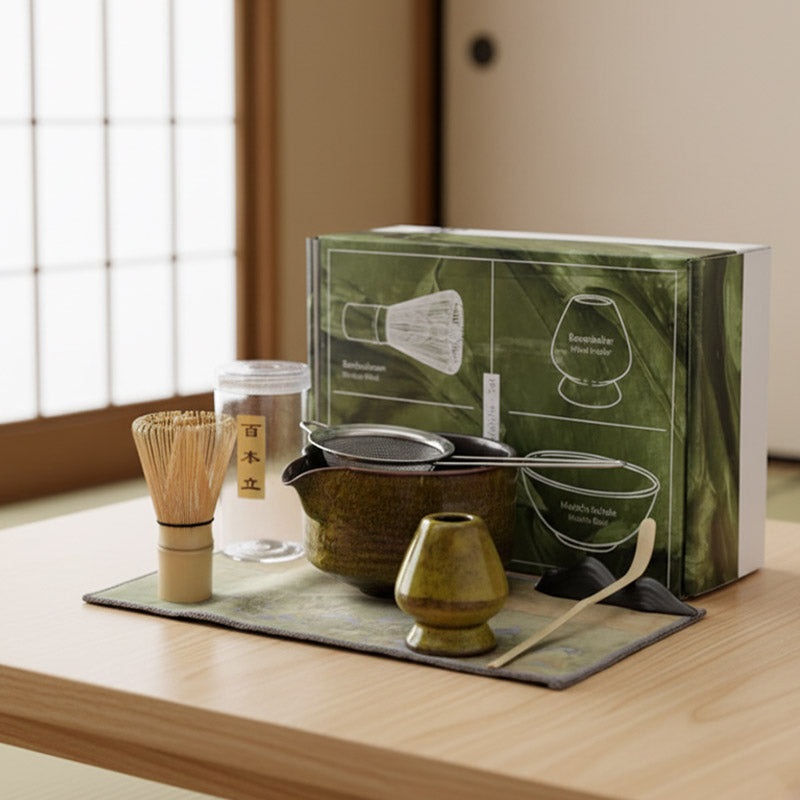
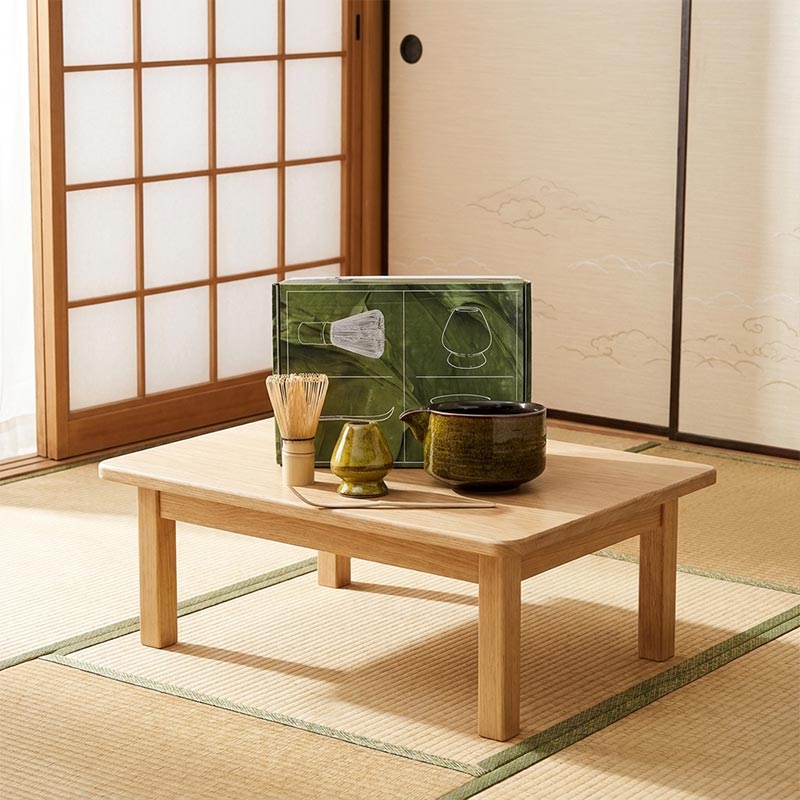
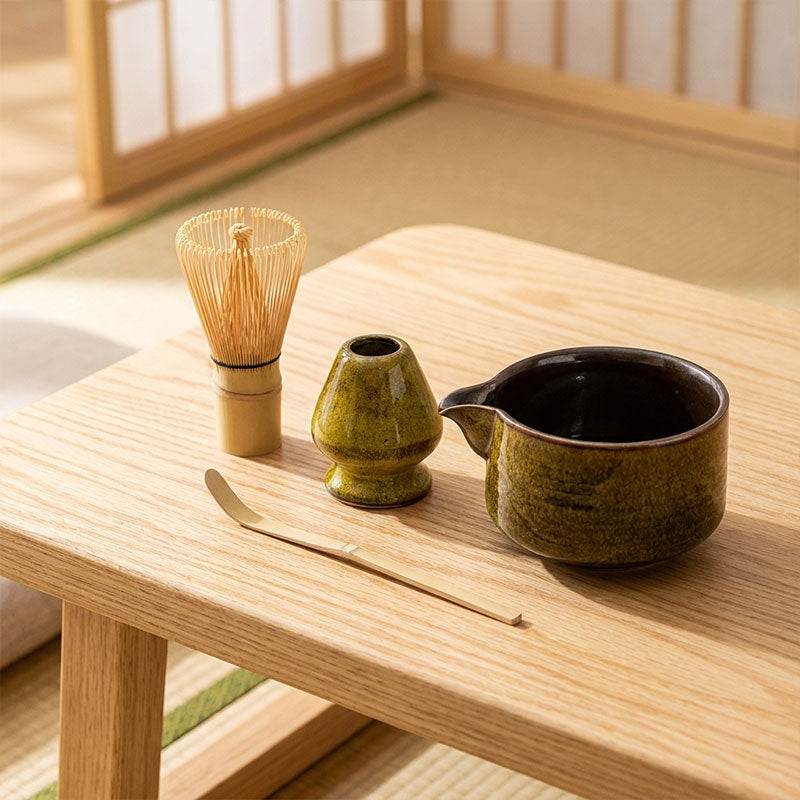
It depends on the piece: a matcha set usually includes a bowl, a whisk and a scoop, while a sake set includes a flask and small cups. Bento boxes and aprons are sold on their own since they serve a different, single purpose.
Can Japanese tableware go in the dishwasher?+
Ceramic and porcelain items, such as tea cups or matcha bowls, generally tolerate a gentle dishwasher cycle. Lacquered wood pieces like bento boxes should be washed by hand and dried fully before storing.
What is the difference between a matcha set and a regular tea set?+
A matcha set is built for whisking powdered green tea and includes a wide bowl, a bamboo whisk and a scoop. A regular tea set is meant for steeped tea and relies on a teapot and cups instead.
Does Japanese tableware make a good gift?+
Yes, pieces such as sake sets, bento boxes or aprons are compact and used often, which makes them practical gifts. They also introduce someone to a specific Japanese habit rather than a purely decorative object.