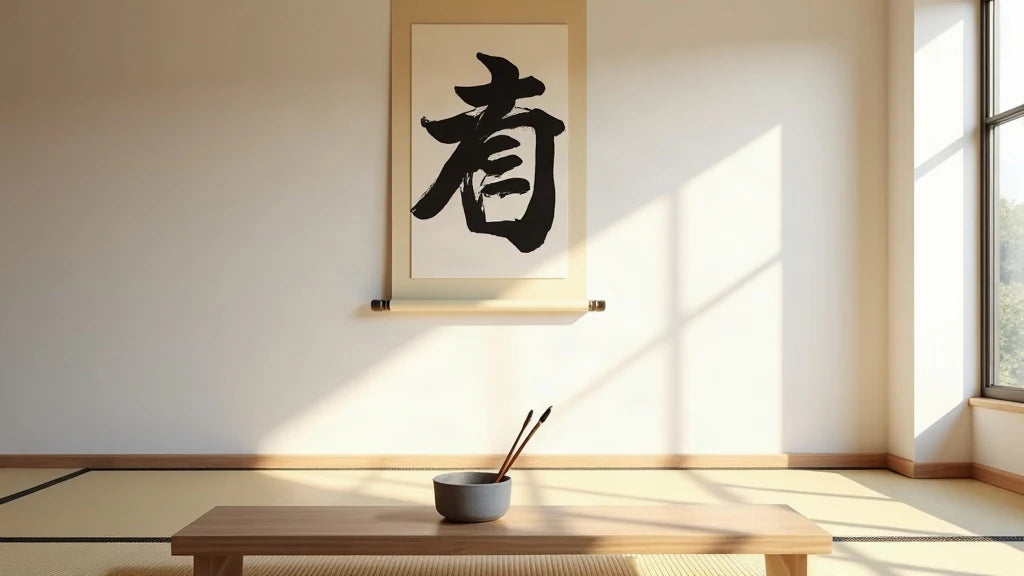
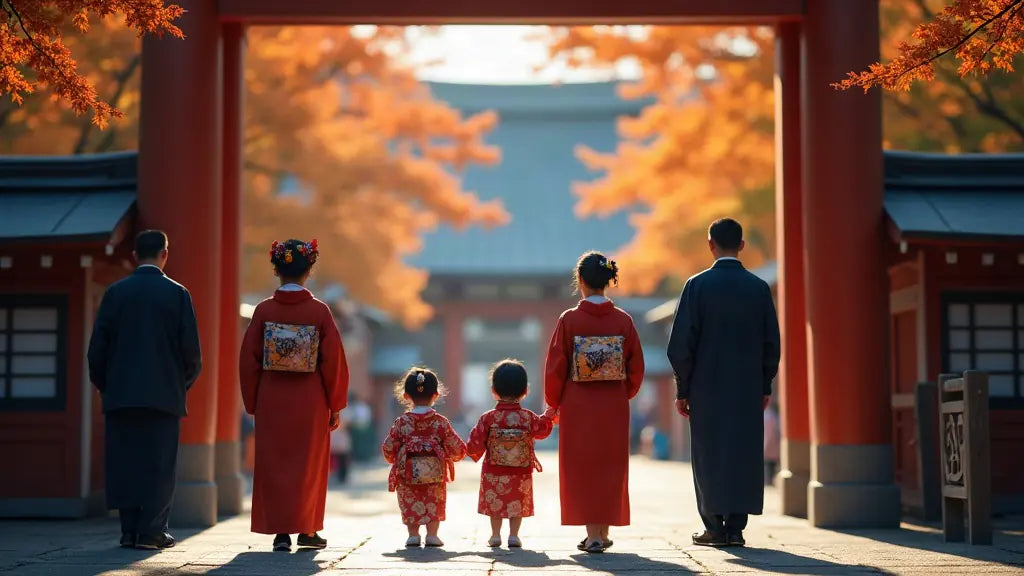
Last November, I helped a friend tie a tiny obi on her seven-year-old at seven in the morning. The child wriggled, the sash slipped twice, and we still made it to the shrine before the queue formed. The shichi go san meaning is simple once you hear it out loud: Shichi-Go-San (七五三) literally means "seven-five-three". It is the Japanese rite of passage celebrated on 15 November for girls aged three and seven and boys aged five, sometimes three. Families dress their children in formal kimono, visit a Shinto shrine for a priest's blessing, and leave with chitose-ame, the long "thousand-year candy" that wishes the child a long life. It is not a public holiday, so most families go on the nearest November weekend.
Key points
- Shichi-Go-San means "seven-five-three" and marks a child's growth at ages three, five and seven.
- Each age has its own garment: the hifu vest at three, the first hakama at five, the first real obi at seven.
- The day centres on a shrine visit, a blessing and chitose-ame candy, not on gifts or parties.
- Parents dress one notch down: a plain kimono or haori that frames the child instead of competing with them.
What does Shichi-Go-San mean, and why 3, 5 and 7?
The name is a list of ages, nothing more. Shichi (七) is seven, go (五) is five, san (三) is three. The festival does not celebrate a birthday; it celebrates having reached one of those three ages in reasonable health. In practice, a family marks one child at one age, then comes back two or four years later for the next step.
Girls are celebrated at three and seven, boys at five and sometimes three. Today most families use the child's actual age. Odd numbers carry good fortune in Japanese tradition, which is why three, five and seven mark this cycle: one long wish for a long life.
Why the obi at seven and the hakama at five matter
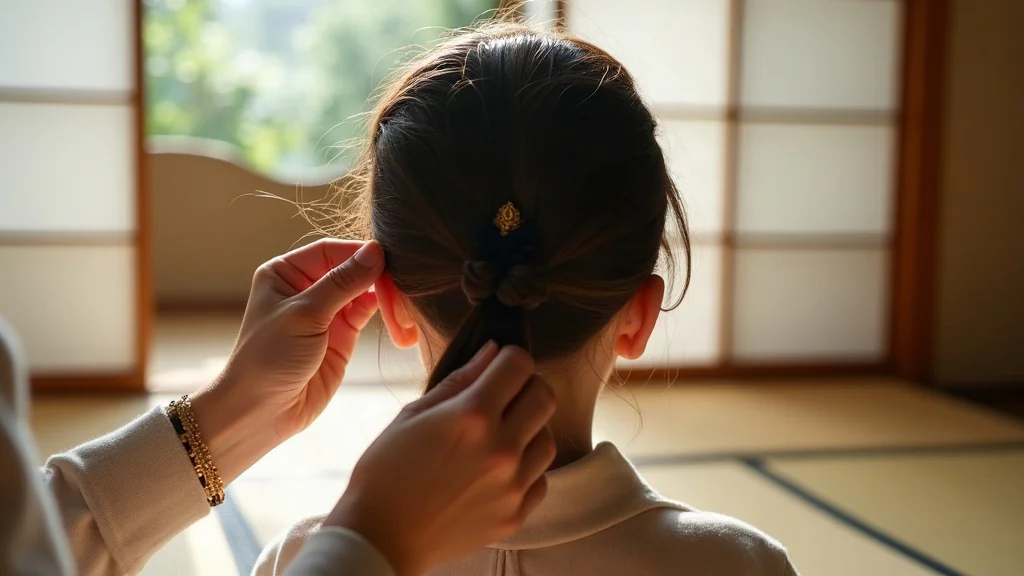
Here is the part most short definitions skip. Each age is readable in what the child wears. At three, the child stops having their hair shaved and wears a soft padded vest instead of a tied sash. At five, a boy puts on his first hakama (袴), the pleated trousers of formal dress. At seven, a girl wears her first real obi sash, tied properly at the back like an adult's rather than fastened with cords.
So the garment is the milestone. You are not watching a costume change; you are watching a child graduate from baby clothing to the formal wardrobe of the household. That logic is why the three ages were fixed in the first place.
Is Shichi-Go-San a holiday?
Shichi-Go-San falls on November 15, but it is not a national holiday. Offices and schools stay open. Families therefore celebrate on a nearby weekend, spreading shrine visits across late October and November.
Shichi-Go-San history: from Heian courts to November 15
The modern festival bundles three older court rituals tied together and given one date. Each ritual marked a change in a child's appearance, and each survives inside today's celebration. Knowing the three names makes the whole thing click.
Court rituals behind the modern 7-5-3 celebration
In the Heian period, aristocratic families observed three rites: kamioki (髪置き), "placing the hair", when a child stopped having their head shaved; hakamagi (袴着), "wearing the hakama", when a boy put on pleated trousers; and obitoki (帯解き), "untying the cord", when a child swapped a simple string for a proper obi. These three rites settled on three, five and seven respectively.
High infant mortality in earlier periods made reaching these ages genuinely worth marking; a shrine visit put the child under divine protection for the next stretch.
The date and its origins
November 15 likely comes from a 1681 story of a samurai lord praying for his son's health on this day, a story that gave the celebration a fixed calendar date. From samurai households the custom passed to merchants, then ordinary families by the Meiji period. Photography and later rental shops made it widespread: a studio portrait became as standard as the shrine visit itself.
What children wear for 7-5-3: hifu vest, hakama, kimono
This is where the shichi go san meaning becomes something you can see. The outfit changes at each age, and it changes for practical reasons as much as symbolic ones. A three-year-old cannot tolerate a tightly tied sash for three hours; a seven-year-old can. The clothing follows the child's body.
Age three: the hifu vest over a small kimono
At three, the child wears a small kimono closed with soft cords, then a hifu vest over the top. The hifu (被布) is a sleeveless padded overvest that covers the chest and ties with a cord and a decorative fabric flower. It hides the fact that no obi is tied underneath, keeps a small body warm in November, and lets the child sit, crouch and be carried. Girls at three often wear a simple fabric band in the hair rather than full ornaments.
Age five: a boy's first hakama and haori set
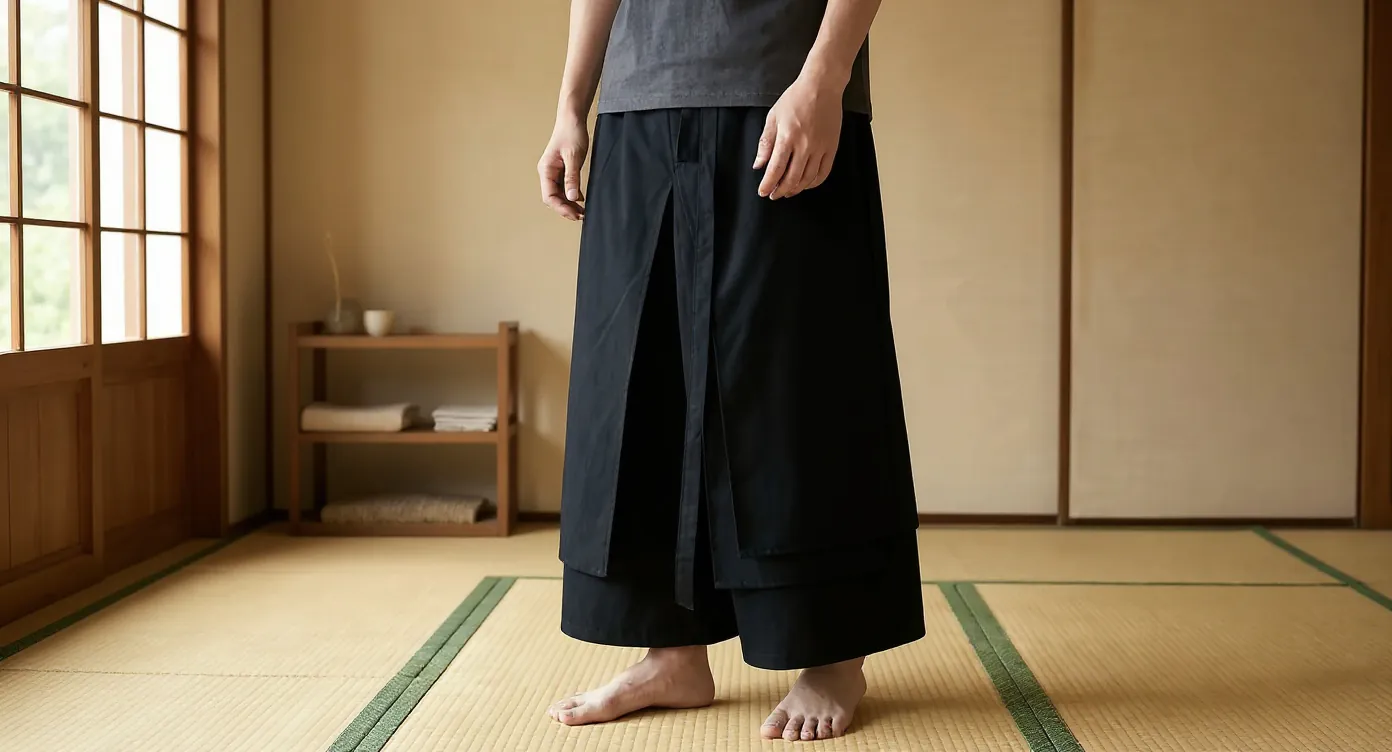
A five-year-old boy wears a kimono, a pleated hakama over it, and a formal haori (羽織) jacket on top, usually carrying a family crest. Two accessories complete the look: a short sword-shaped ornament tucked at the waist and a folding fan slipped into the sash. Feet go into tabi, the split-toe socks, then into zori sandals or geta.
The adult cut follows exactly the same rules, which is why I often tell fathers to try a pair before the shoot. A pair of Japanese hakama pants is what I reach for myself when I want to understand how the front pleats fall, and it gives the two of you a visual echo in the photographs without any matching outfits.
Age seven: furisode, obi and hair ornaments
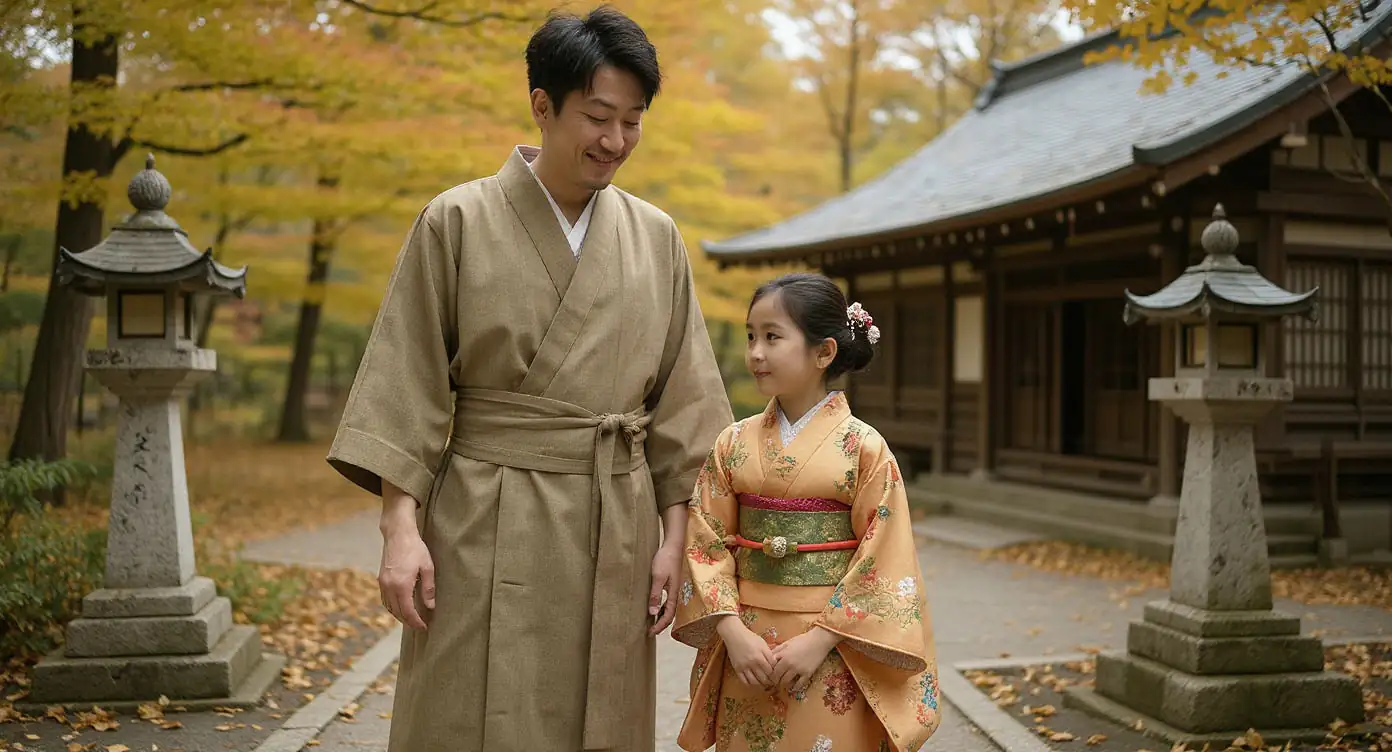
At seven, a girl wears a furisode kimono, the long-sleeved formal style, with a full obi tied at the back. The accessories are specific: an obijime cord across the sash, an obiage scarf tucked above it, kanzashi hair ornaments, a small kinchaku drawstring purse, and tabi with zori. This is the first time the child is dressed by the same logic as an adult woman, and most seven-year-olds feel the difference immediately.
If you have never handled a sash, the concept stays abstract. Tying one answers the question faster than any article. I keep a black obi belt at home for exactly this reason, and it is the one I hand to parents who want to practise a knot on themselves before they attempt a child's bow under time pressure.
Japanese sizes run small: a US M often corresponds to a Japanese L. Check flat measurements across shoulders and chest rather than trusting the label.
Inside the Shichi-Go-San shrine visit and chitose-ame
The ceremony itself is short, calm and more informal than visitors expect. A family arrives, offers a prayer, receives a blessing from a priest, and leaves with a bag of candy. Most of the day's length comes from dressing, travel and photographs, not from the ritual.


Booking the blessing: what happens at the shrine
Larger shrines require a reservation. You fill a form with the child's name and age, present an offering, wash at the water basin, then the priest performs a blessing that usually runs 15-30 minutes, sometimes with other families.
Chitose-ame: the candy, the crane and the turtle
Chitose-ame (千歳飴), "thousand-year candy", is a long red-and-white sugar stick handed over in a bag printed with cranes and turtles, symbols of longevity. Children carry it themselves, which is why it appears in almost every photograph.
Shrine etiquette for families and photographers
Bow at the torii gate, walk to the side of the central path. Ask about photography rules: grounds are usually fine, the inner hall usually is not. Keep voices low and let other families have their turn.
Family photo outfits: adult haori beside a 7-5-3 child
November in Japan is cold in the morning, the light is low by mid-afternoon, and most of these photographs happen outdoors. A workable plan accounts for all three. The guiding rule is restraint: the child carries the colour and the pattern, and the adults provide a quiet frame around them.
Parents' kimono and haori that frame, not upstage
Mothers traditionally wear a subdued kimono, fathers a dark suit or plain kimono. Nothing should be louder than the child's furisode. Pick a neutral base and keep the formality just below the child's level.
If a full kimono is too much, the haori design is what I recommend most often: it reads as formal in photographs, it layers over a plain top without any dressing skill, and it never pulls attention away from a child in full dress. I wear a dark one with a black base when I am helping someone else's family and want to disappear politely into the background.

Coordinating colours for November shrine photos
Choose the child's outfit first, then build the adults around it. If the furisode is red and gold, use charcoal, navy or grey. Avoid matching the child's exact colour. Two textures in the adult layers photograph better than competing patterns.
Celebrating Shichi-Go-San abroad with hybrid outfits
Outside Japan, a hybrid outfit is both practical and respectful. A haori over a white shirt and dark trousers with tabi and zori works in any park or garden. Keep layers warm; nobody photographs well while shivering.
Wear the collar left over right, skip costume props, and treat the garment as formalwear: pressed fabric, tidy hair and walkable shoes.
Shichi-Go-San FAQ: ages, dates and shrine etiquette
The same five questions come up every autumn in my inbox. Short answers below, in the order people usually ask them.
FAQ
What is Shichi-Go-San in English?
It translates as "seven-five-three", the three ages the festival marks. In English it is usually called the 7-5-3 festival or the Seven-Five-Three rite of passage. There is no single accepted English name, so the Japanese term is still the clearest one to use.
Is Shichi-Go-San a national holiday in Japan?
No. November 15 is a normal working day, and schools and offices stay open. Families celebrate on a nearby weekend instead, which spreads shrine visits across late October and the whole of November.
Why are ages three, five and seven celebrated?
Each age matched an old court rite: letting the hair grow at three, wearing the hakama at five, and tying a real obi at seven. Odd numbers are considered fortunate in Japanese tradition. The three ages were also meaningful survival milestones in a period of high infant mortality.
What is chitose-ame and why is it given to children?
Chitose-ame is a long red-and-white candy stick given to children at the shrine. Its name means "thousand-year candy" and its length expresses a wish for a long life. The paper bag is decorated with cranes and turtles, both longevity symbols.
Can a non-Japanese family celebrate Shichi-Go-San?
Yes, and many shrines welcome visiting families for a blessing. Treat it as a rite rather than a photo theme: dress the child properly, follow the shrine's etiquette, and ask before photographing. If you are abroad, a simple hybrid outfit and a family walk to mark the child's growth carries the same intention.
If you are building an outfit for this November, our Japanese kimono dress collection is a good place to start looking for a quiet adult piece. Take the time to check the measurements before you choose a size.
Explore the Japanese Kimono Dress collection
Browse the kimono collection for the adult pieces that work at a November shrine visit: haori, obi, hakama and layers you can wear over plain clothes.
Browse the collection →