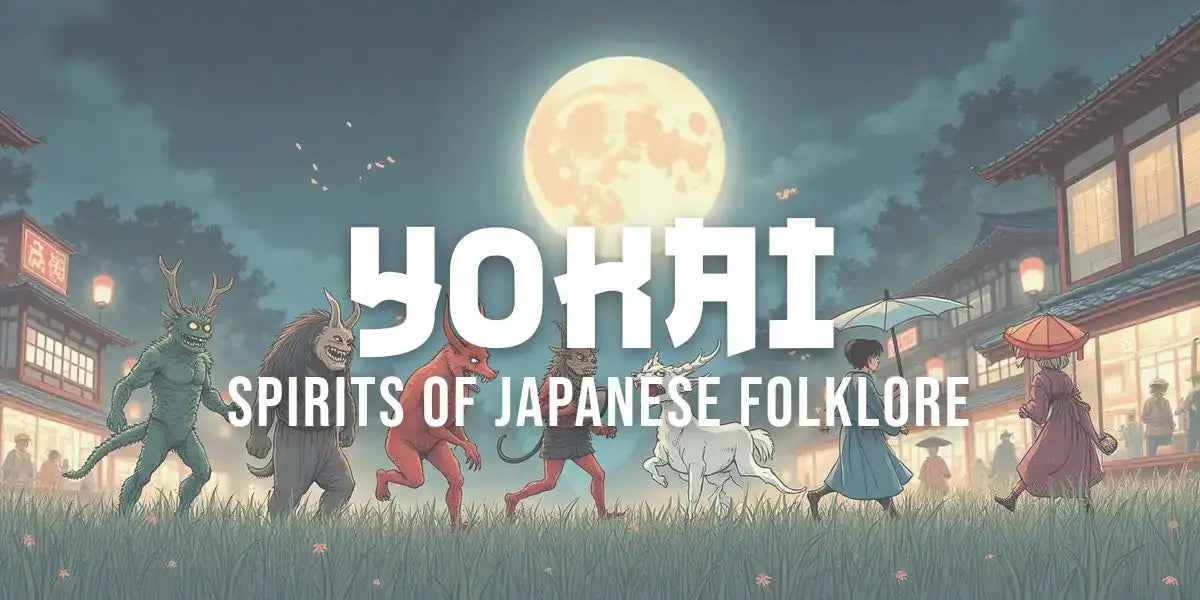
A paper lantern flickers in a night procession scroll, and behind it walks a one-eyed umbrella with a single leg. That image is four centuries old, and it still shows up on hoodies and haori today. This is the world of the yokai.
Yokai (妖怪) are the monsters, spirits and strange phenomena of Japanese folklore. The word joins two kanji: 妖, "bewitching, calamity", and 怪, "apparition, mystery". They were carved, painted and printed from the Middle Ages onward, and they live on now in manga, anime and video games.
So where do these creatures come from? What are they, and why do they matter so much in Japanese culture? Below, the origins, the art, and twelve yokai you would rather not meet on a dark road.
Key points
- Yokai are supernatural beings from Japanese folklore, not a single species but a whole category.
- Their roots mix Shinto beliefs, Buddhism, Chinese tales and local village stories.
- Edo period artists turned them into a visual catalogue that still shapes manga design today.
- They are not all evil: some are mischievous, some protective, a few bring good fortune.
- Masks are the easiest way to wear yokai imagery, starting with Oni, Kitsune, Tengu and Hannya.
What is a yokai?
Yokai means ghost, demon, monster, and also supernatural phenomenon. The term comes from Chinese and stays deliberately vague. Its kanji point to what is strange and out of the ordinary. Think of the little forest spirits in Hayao Miyazaki's Princess Mononoke. Those are yokai. Mononoke itself can be read as "vengeful spirit" or "strange thing".
1. Yokai shinto
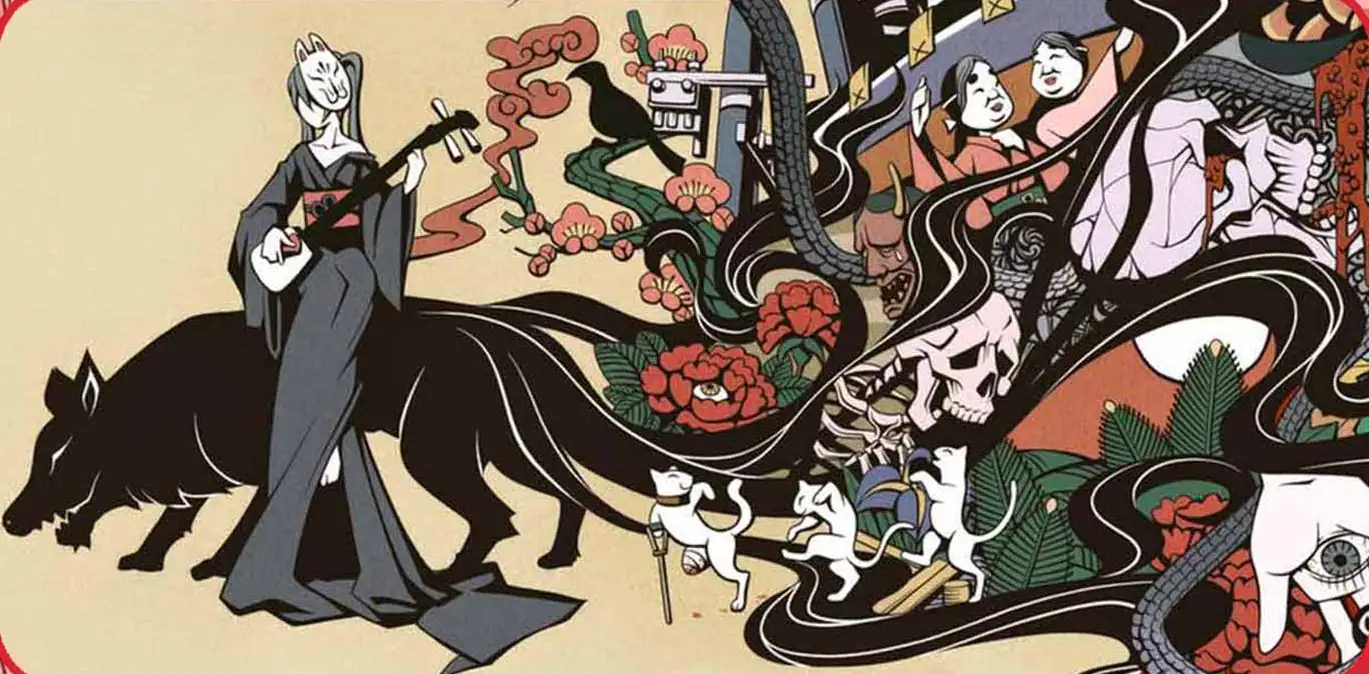
The yokai grow out of Japanese legends, mainly Shinto and Buddhist ones, with borrowings from Chinese history and foreign tales. At first these chimeric creatures gave a face to fear: illness, bad harvests, noises in the dark. Over the centuries they gained new powers, a sign of the growing interest in the invisible world. Scholars still separate traditional yokai from those invented by authors inspired by folklore, a game the Japanese enjoyed enormously during the Edo period.
This blurring between belief and invention is part of the appeal. A yokai does not need an official biography. It needs a shape you remember.
2. Yokai Art
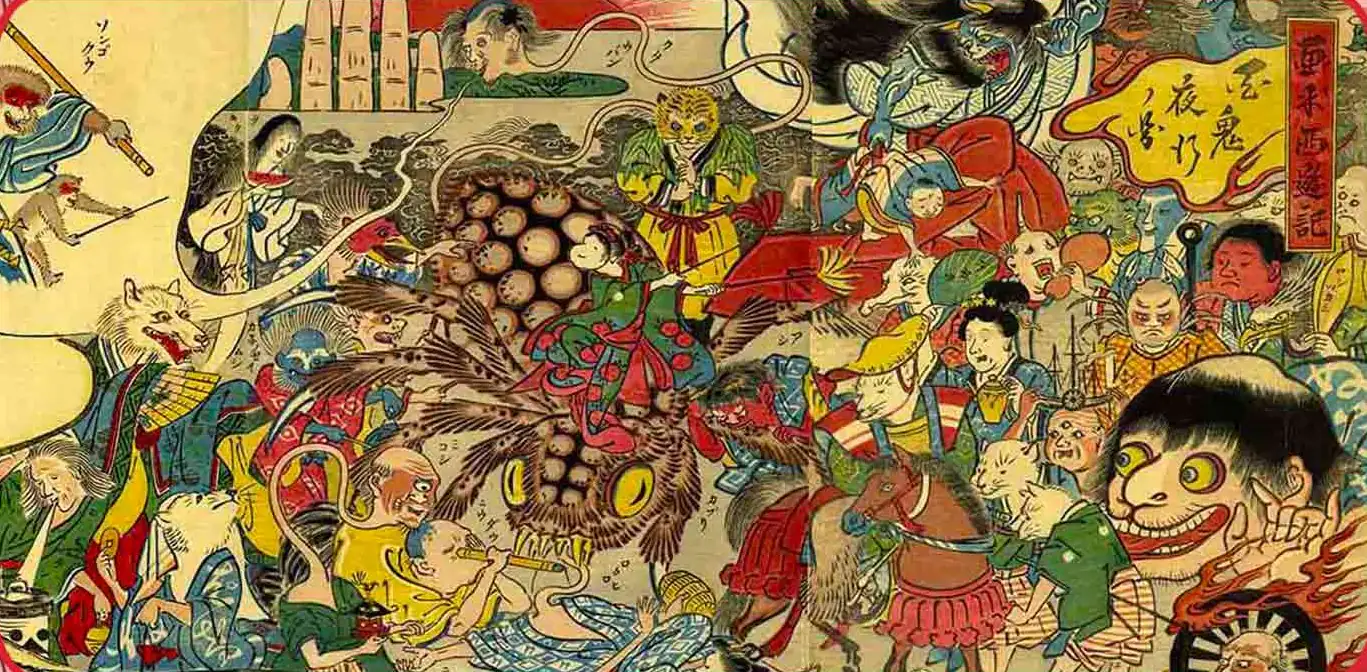
Yokai are woven into traditional Japanese arts. Among the best known works: the temples dedicated to the Kitsune kami, the illustrated scrolls of the night procession of the hundred demons, the ceramic Tanuki statues, Hokusai's prints of fantastic creatures, and Utagawa Kuniyoshi's giant skeleton Gashadokuro.
Beliefs, superstitions, or pure entertainment, the yokai also appear in festivals and in the media. They stand for the inexplicable and for the morality taught to children through Japanese tales.
That graphic heritage is exactly why yokai motifs work so well on clothing. A demon face printed on a dark fabric carries a story, not just a pattern.

3. Japanese Yokai Culture
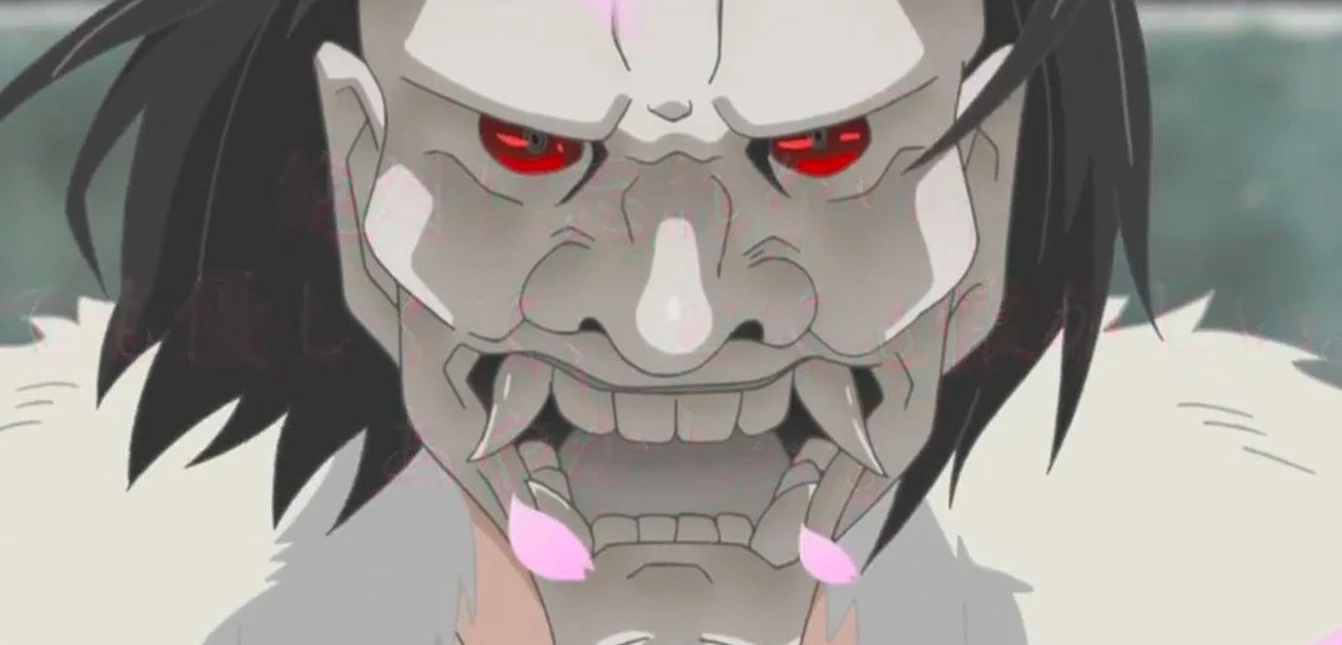
Manga carried yokai around the world. Yuki Midorikawa's Natsume's Book of Friends built a whole series on them. Video games followed with Yo-kai Watch, and animated films such as My Neighbour Totoro or the Ayakashi series kept the imagery alive for new audiences.
The Japanese manga Gegege no Kitaro tells the story of Kitaro, a boy-like yokai who tries to keep peace between the world of yokai and the world of humans.
Each yokai has human, animal or object features, and its own particularity and history. Some can even change shape at will. Those shapeshifters are called "obake".
If you meet a yokai, do not panic straight away. There are several kinds: the dangerous, the wicked, the mischievous, the jokers and the benevolent. Most are read as signs of bad luck, but a few bring fortune. The trick is knowing how to tell them apart.
12 dangerous yokai
Here are twelve of the most feared figures in Japanese folklore. Several of them have become mask archetypes you will recognise instantly at a convention or a summer festival.
1. Kitsune yokai
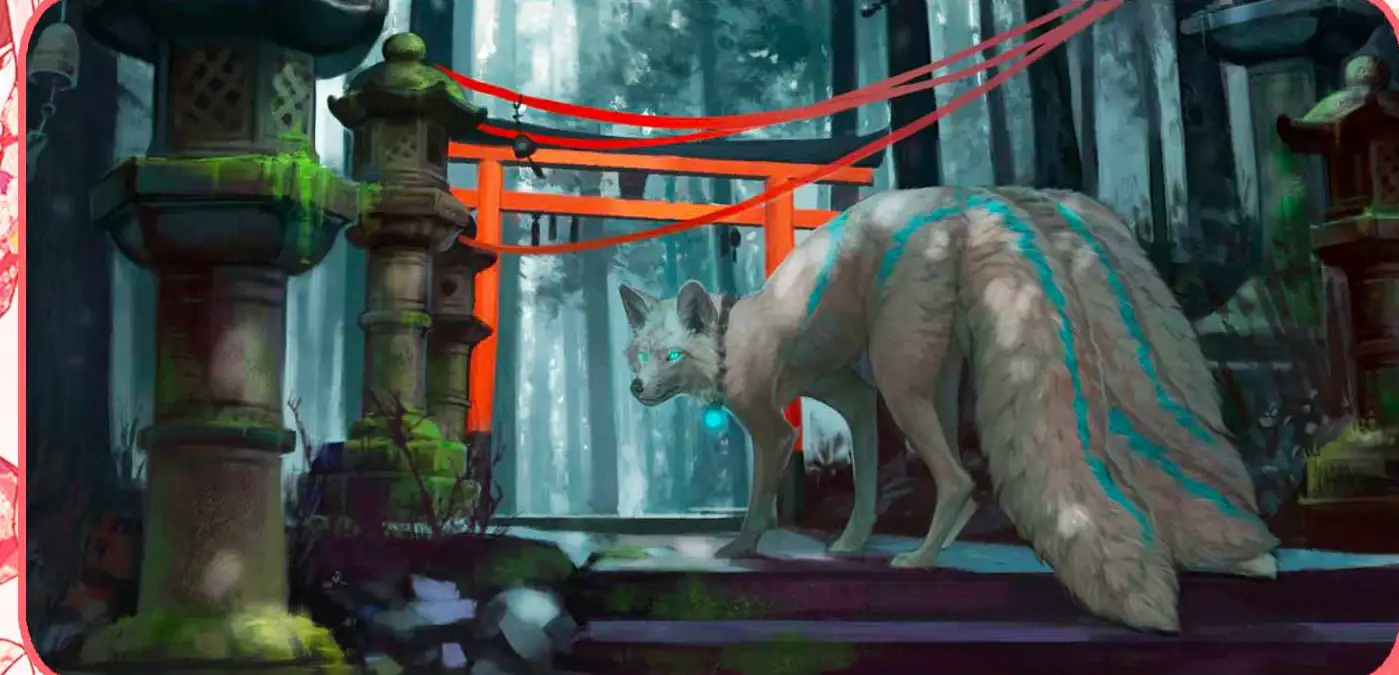
This multi-tailed fox can be benevolent, malicious or simply mischievous. What is certain is that it has more than one trick up its sleeve. The Japanese Kitsune gains power with age: breathing fire, manipulating souls, changing shape. It is also the messenger of Inari, a Shinto deity.
If you want to go deeper, read our article on the fox kitsune yokai, or look at how the fox face is treated across our Kitsune mask designs.
2. Yurei yokai
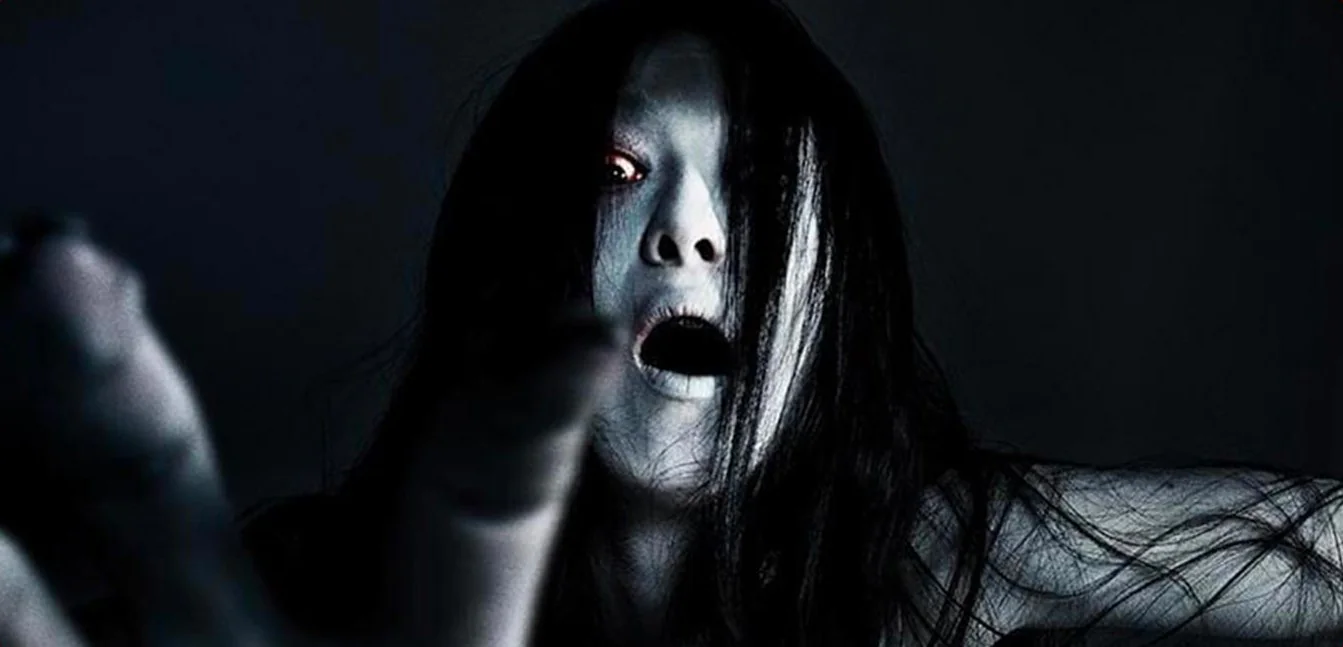
This Japanese ghost appears as a corpse in a white kimono, with long black hair falling over the face. Unable to reach the afterlife, it stays stuck in limbo. Yurei inspired a wave of Japanese works in the 19th century, and they terrified audiences much like the White Lady of European legend. The look may remind you of a certain horror film called The Ring. If you see a yurei, keep walking.
3. Oni demon
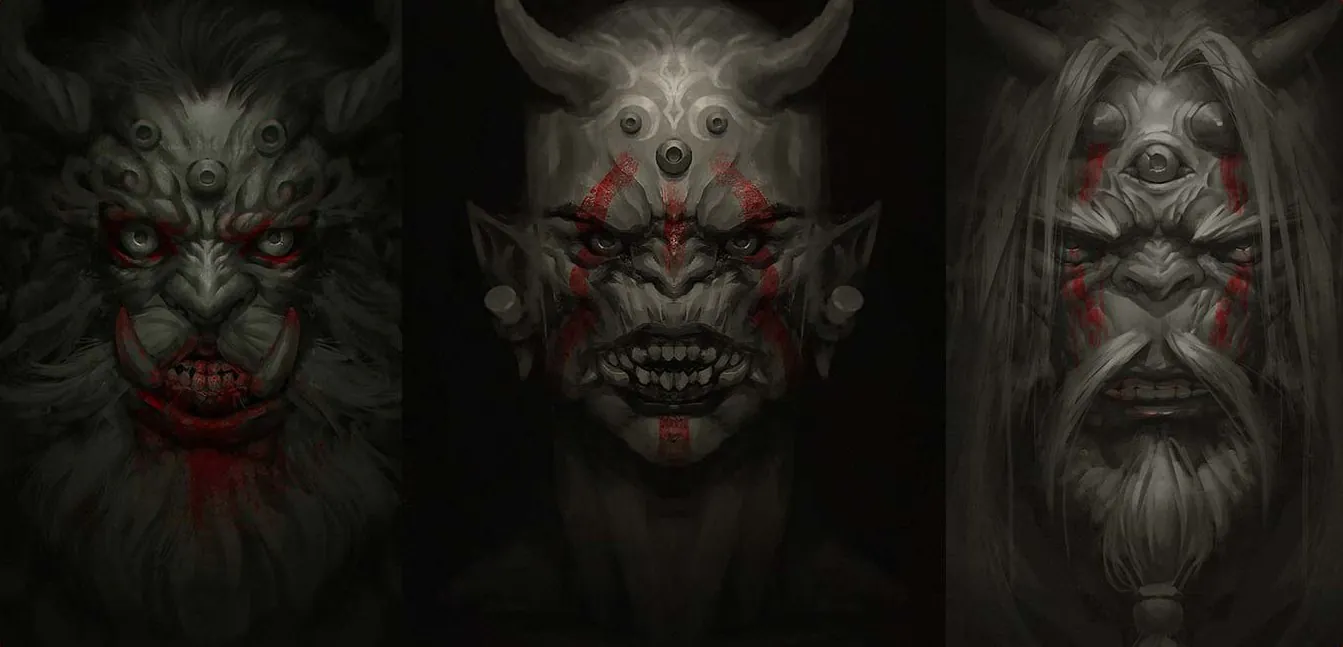
The Oni is a demon of Japanese mythology shaped like an ogre. It is usually drawn with horns and sharp teeth. Frightening as it was, it also became a protective spirit of the home in exchange for offerings. This mountain giant often has red or blue skin. In northern Japan, adults wear Oni masks during the seasonal ritual to scare disobedient children.
The red Oni is the version people recognise first, and it is the one I see most often at conventions.

For the symbolism behind each face, read our article on Japanese mask meaning.
4. Tanuki
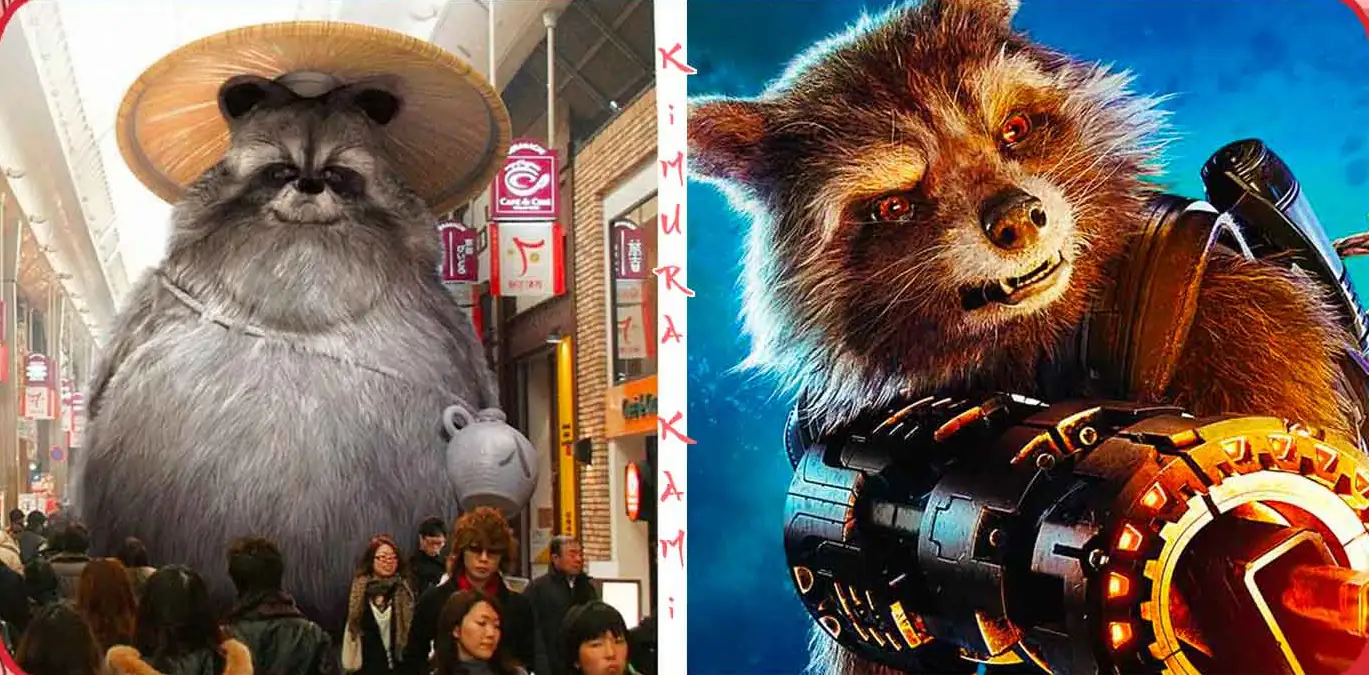
Animals fill a large part of the yokai catalogue. The Tanuki is a Japanese raccoon dog. This shapeshifter with its unmistakable face is a sign of luck and prosperity. In Japan, the Tanukidanisan Fudo-in temple is dedicated to it and worth a visit.
And no, your eyes are not playing tricks: those are his testicles carried over his shoulders. One of the running jokes of this yokai is an oversized scrotum said to stretch to the size of eight tatami mats. Inflated, it serves as a drum, a weapon, an umbrella, even a fishing net.
5. Tengu
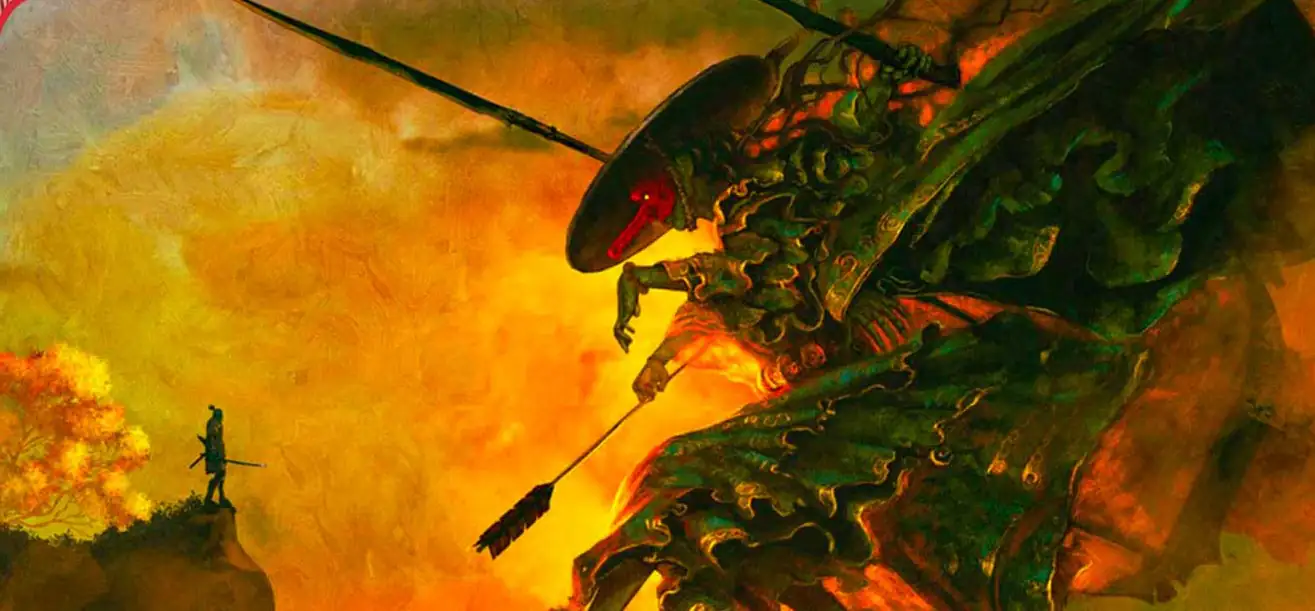
The Tengu is a scarlet-faced goblin with a famously long nose. Originally half bird, it grew more human over the centuries. It is a mountain deity, once feared for its violence. Skilled in martial arts, the tengu enjoys tormenting men, especially the arrogant ones. Today it is often seen as a benevolent guardian of the mountains and a bringer of prosperity. Plenty of manga characters wear a tengu mask.
6. Bakeneko cat
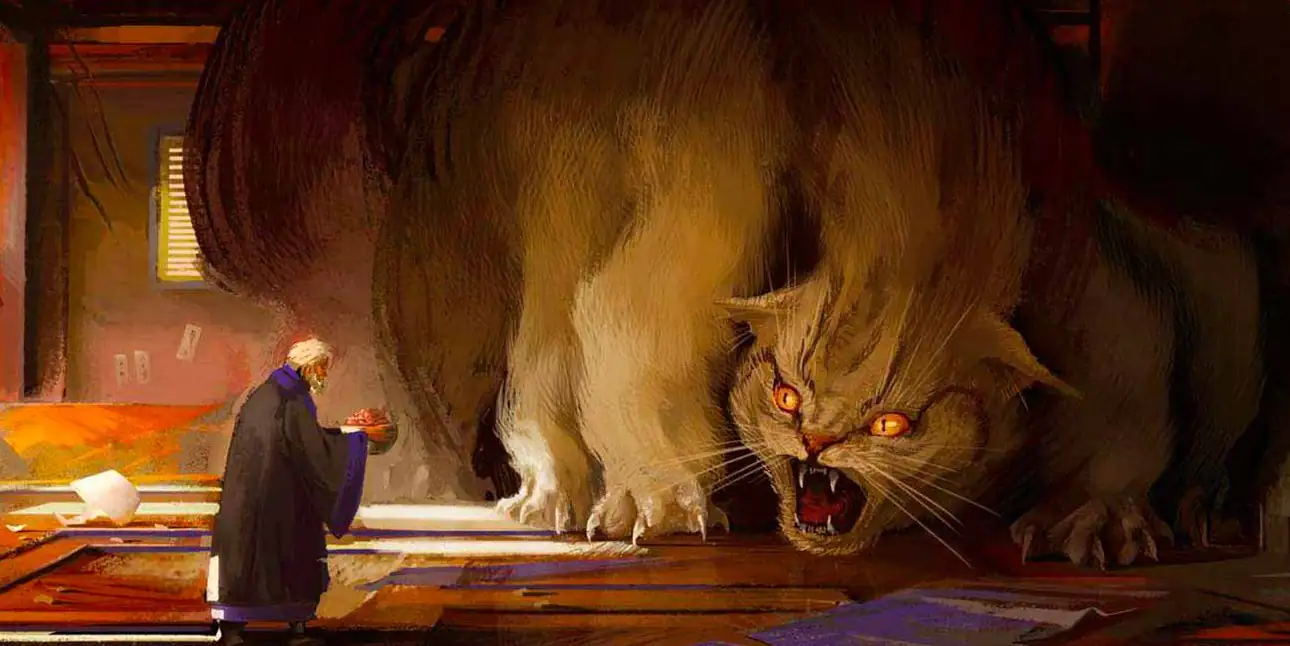
This Japanese cat haunts the house. It can speak and raise the dead. In its darkest version, it devours its owner and takes their place at home. You may think twice before adopting a kitten. Reassuring detail: not every cat becomes a Bakeneko. It must reach a certain age and weight, or have an unusually long tail.
7. Akaname yokai
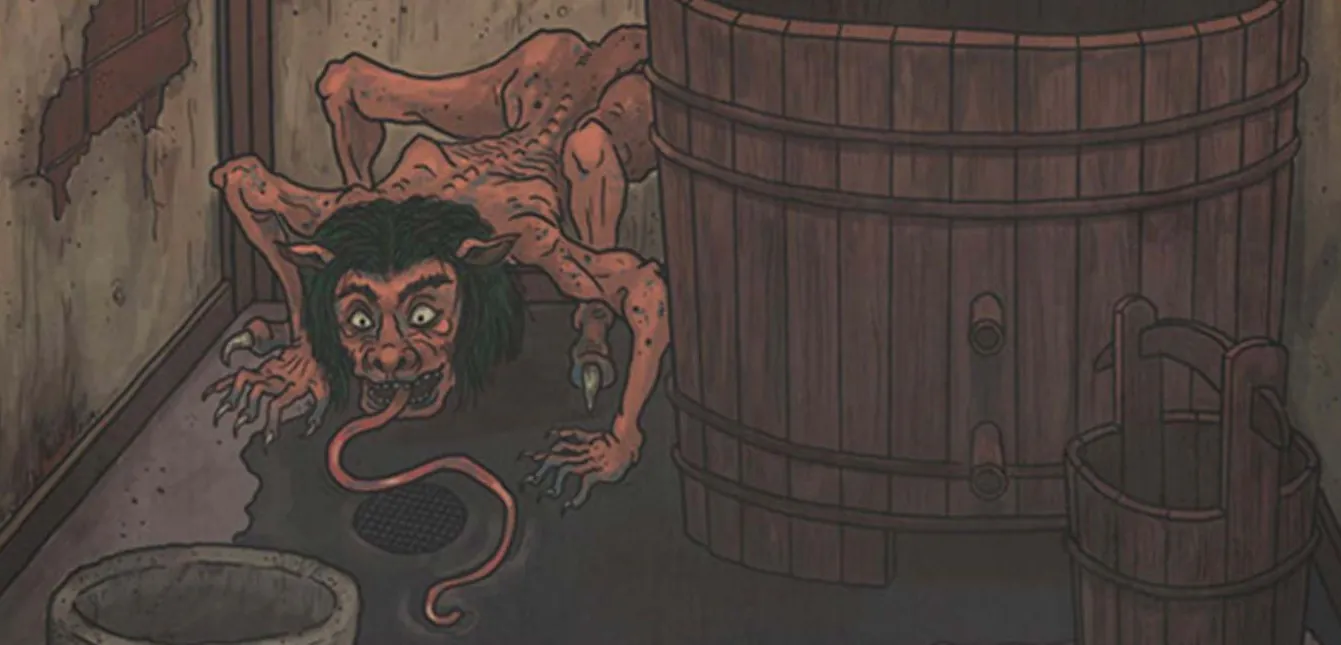
This Japanese monster feeds on the grime of neglected houses with its huge tongue. You meet it after nightfall, in a bathroom or a toilet left filthy. It may even go after people who ignore hygiene entirely. The remedy is simple: scrub the tiles.
8. Hannya
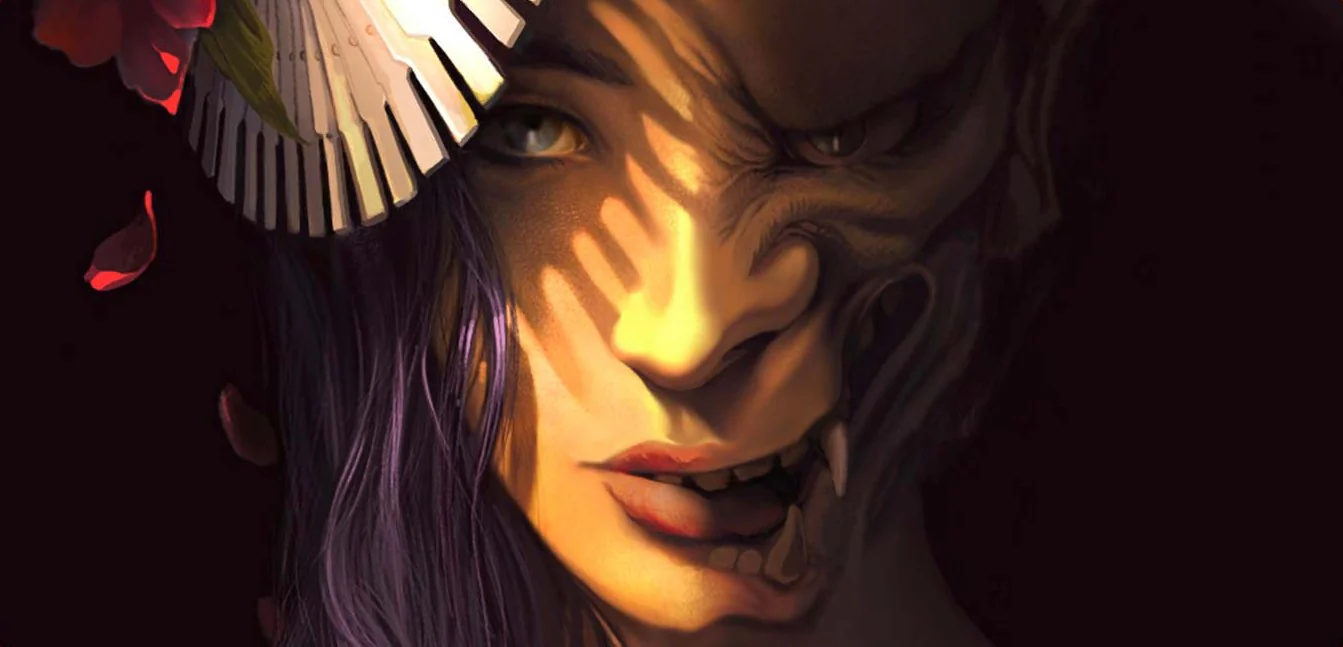
In Japanese culture, the hannya is linked to a spirit of vengeance. The hannya demon is a central figure of Noh theatre, where the roles are usually played by men.
Its origin is often traced back to Lady Rokujo, the noblewoman whose jealousy of Genji's wife turned her into a demon. To go further, read our article on the hannya mask meaning.
9. Rokurokubi
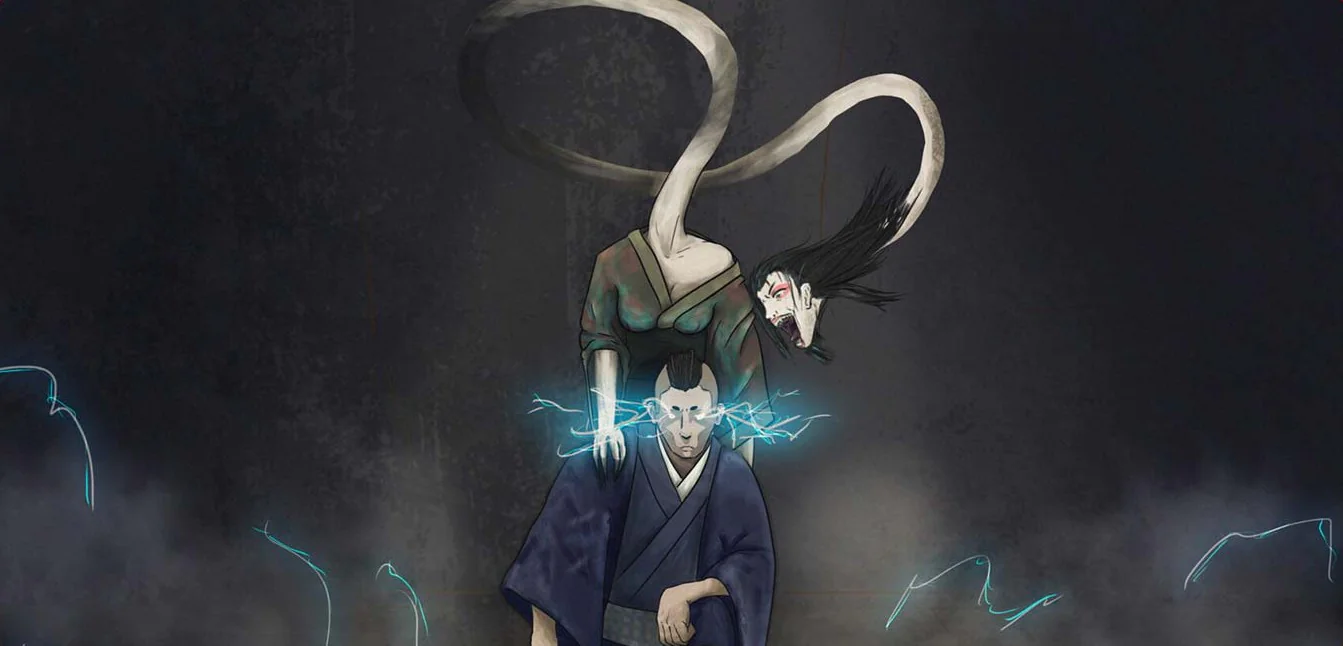
Human by day, she becomes a monster at night, with a neck that stretches without end. Rokurokubi play cruel tricks on humans and sometimes try to eat them. Some are unaware of their condition and believe themselves fully human. Others have heads that detach from the body entirely.
10. Yama Uba
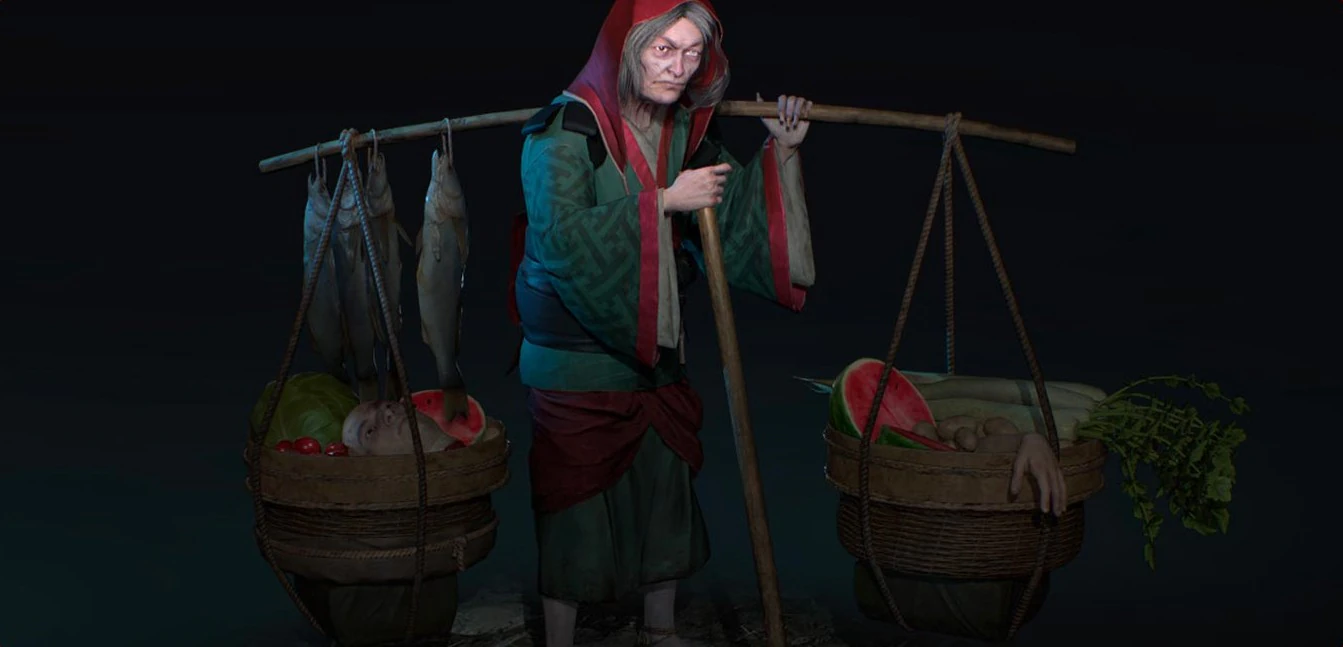
Like the witches of European fairy tales, Yama Uba is an old Japanese woman who changes shape to trap travellers and devour them. Dishevelled, dressed in a worn red kimono, she lives deep in the mountain forest. One more reason not to lose the path.
11. Jorogumo
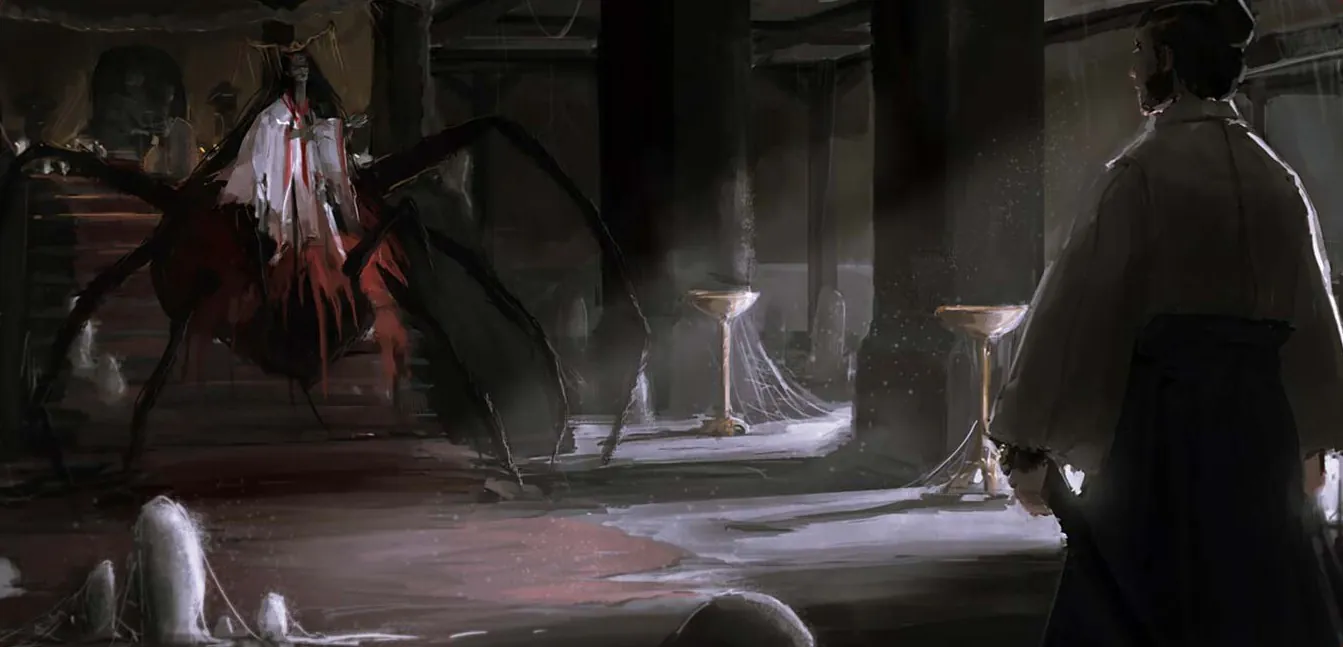
A large colourful spider called the Joro spider really does live in Japan. Legend says that once one of these spiders passes four hundred years of age, it develops supernatural powers.
This spider demon yokai is a nightmare for anyone with arachnophobia. It takes on the beautiful face of a woman to lure men into its web, then devours them slowly.
12. Kappa
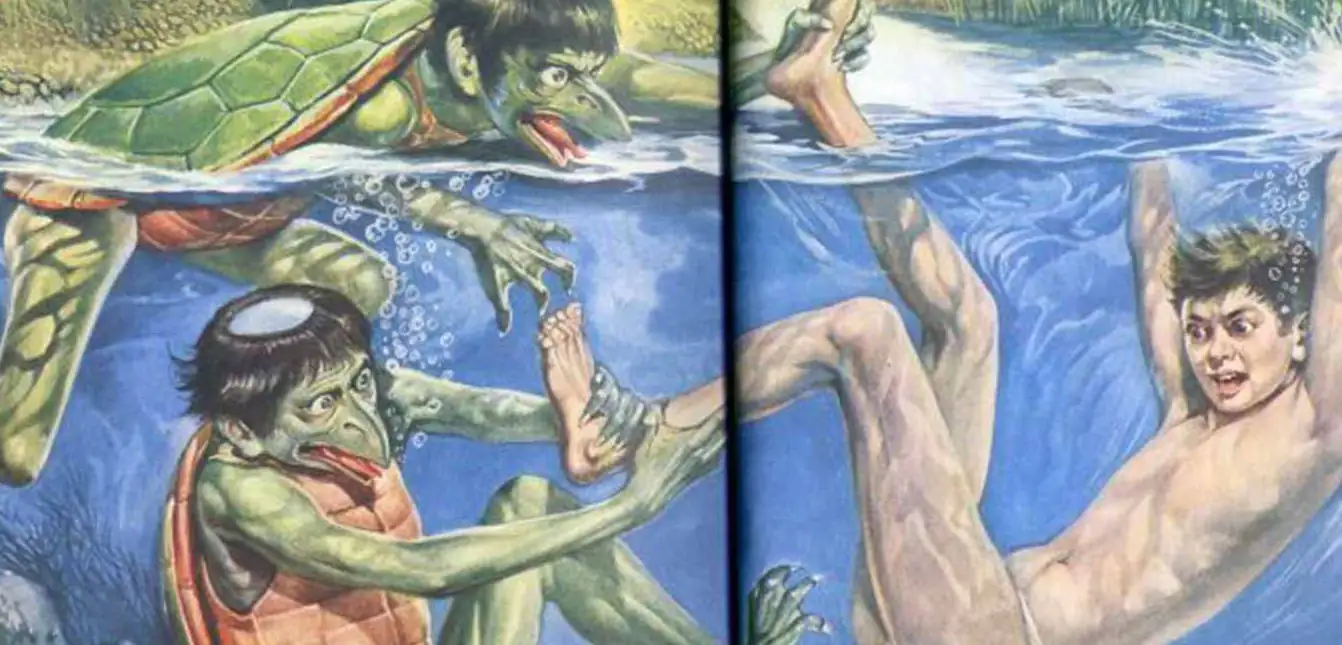
The Kappa prowls around ponds and rivers. It looks like a turtle, with a shell on its back and webbed hands. The top of its skull holds a bowl of water that must stay balanced, or it loses its strength. Its evil power is to drag humans and children into the water and drown them. It remains extremely polite about it, which is the strangest part of the story.
There are hundreds of other yokai, and new ones keep appearing. Keep your eyes open.
Where to see real yokai ?
From medieval paintings to the prints of the Edo era and today's animated films, yokai have never stopped fascinating Japan. Their mystery and their inventiveness are the reason.
In Japan, you can meet them in several places. Temple treasure halls keep old painted scrolls. Museums in Tottori and Chofu celebrate the artists who drew them. Summer festivals bring out masked processions. Outside Japan, conventions and anime screenings are where yokai now appear most often.
If Japanese folklore fascinates you, look at our Japanese mask collection. The pieces are handcrafted by talented local artisans, and the designs stay close to the demons and spirits of the old tales. It is a small example of Wabi-Sabi: each mask carries slight irregularities that make it its own.
FAQ
Are yokai the same thing as ghosts?
No. A yurei is the spirit of a dead person, stuck between two worlds. Yokai is a much wider category that includes animals, objects and unexplained phenomena. Every yurei is a yokai, but most yokai were never human.
Which yokai mask should I choose for a first costume?
Oni and Kitsune are the two easiest to recognise, so they read well at a convention or a festival. Oni suits a bolder, darker look, while Kitsune works with lighter colours and a kimono. Tengu is a strong third option if you want something less common.
Do Japanese sizes run smaller than US and EU sizes?
Yes. Japanese sizes are usually one size smaller than US and EU equivalents. If you sit between two sizes, take the larger one, especially for a haori (羽織), the short jacket worn open over other clothes.
Can I wear a yokai print outside of a costume?
Absolutely, and that is how I wear mine. A dark kimono (着物) with a demon motif works over black jeans and a plain white t-shirt. Keep the rest of the outfit quiet so the print stays the focal point.