Yokosuka, just after 1945. American soldiers wander the stalls near the naval base, looking for something to carry home. A local merchant picks up a needle and starts embroidering dragons on baseball jackets. That jacket is the one you know today.
Memory jacket, souvenir jacket, Japanese bomber, sukajan (スカジャン): four names, one garment.
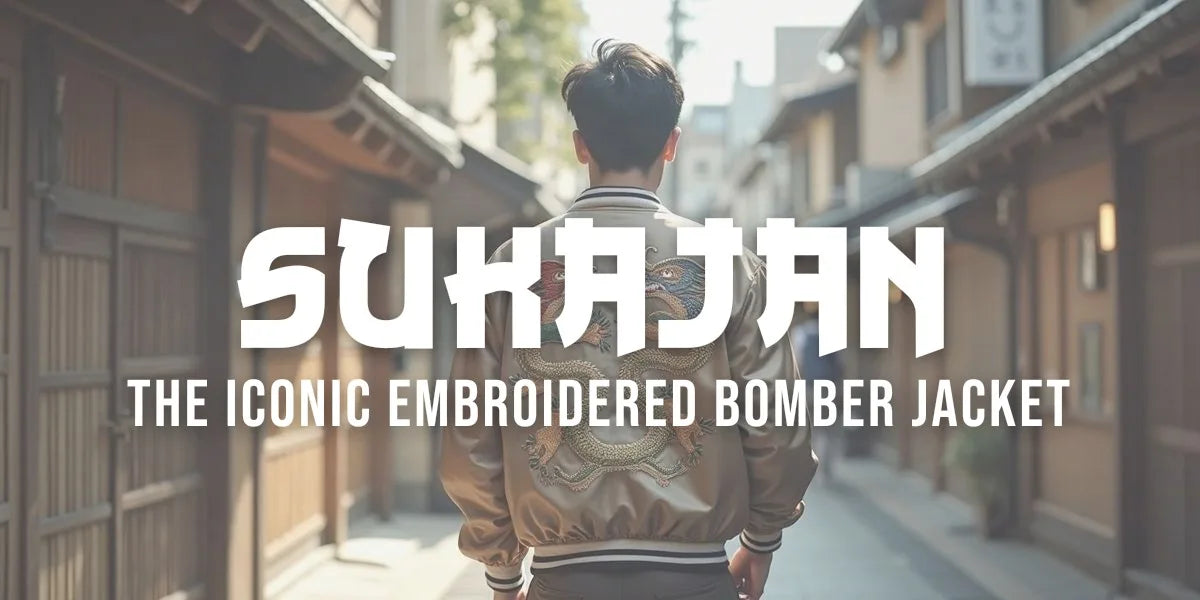
The Japanese bomber is a mid-season jacket cut like an American baseball or college jacket. The sukajan has a satin sheen and traditional Japanese embroidery.
The most common motifs are the Ryu dragon, the tiger, sakura cherry blossoms and the Great Wave of Kanagawa.
Key points
- Sukajan, souvenir jacket and Japanese bomber all name the same piece.
- It was born in Yokosuka after World War II, from GIs looking for a memento.
- Silk and satin came first, then acetate, and today cotton, rayon and acrylic.
- The embroidery carries the meaning: dragon, tiger, crane, blossoms.
- Japanese sizes run about one size smaller than US and EU sizes.
Below is the story behind this piece, its place in Japanese streetwear, and how to choose yours.
Japanese bomber origin
The jacket goes back to World War II, when the US Army settled in Yokosuka, in Kanagawa Prefecture, south of Tokyo.
Once the war ended, American soldiers wanted a memento of their time in Japan. They looked for something clearly Japanese, and first bought kimono (着物, literally "thing to wear") and obi, the wide cloth belts.
A merchant near the port watched the crowds around his stall and had an idea. He embroidered Japanese motifs on jackets the soldiers already recognised.
Word spread through the US Army post offices. Orders arrived from bases all over Japan, then from overseas.
That is how the "clothing originating from Japan" known as sukajan appeared, called souvenir jacket in English. The name itself is a contraction: "Suka" for Yokosuka, "jan" for jumper.
Characteristics of the sukajan jacket
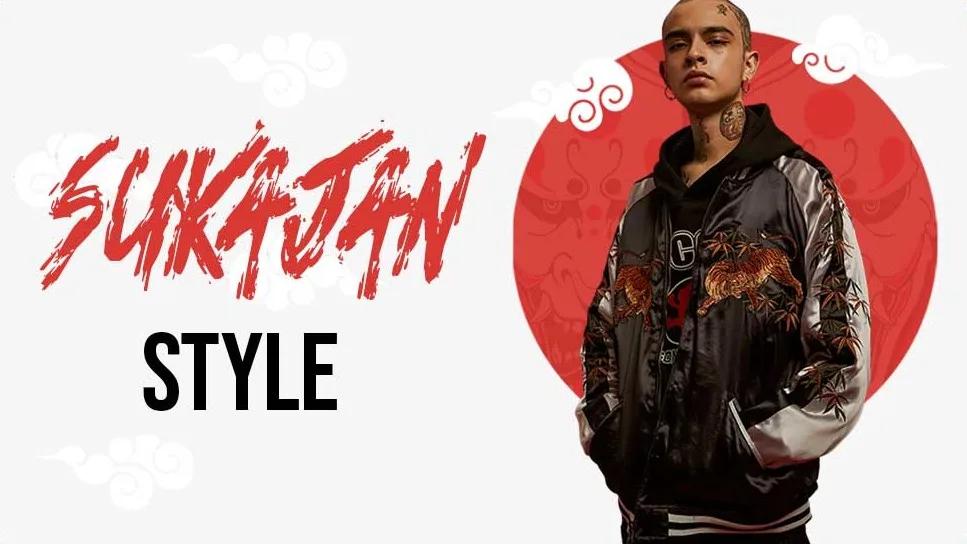
Three things define this garment: the fabric, the embroidery and the cut. Look at those before anything else.
The cut of the Japanese jacket
The shape copies the baseball and college jackets Americans knew well. It is a bomber jacket with long sleeves, leather replaced by fabric, and ribbed bands at the waist, cuffs and collar. It closes with snaps or a zipper. The straight cut sits easily over a t-shirt or a hoodie.
The result is a jacket that works with black jeans and a white t-shirt, and just as well over a plain black hoodie.
The fabric: silk, satin, acetate, viscose
The first pieces used silk or satin. Both were hard to obtain under wartime controls, so makers turned to acetate, which has a similar sheen.
Demand grew so fast that workshops sometimes ran out of material and cut into military parachute canvas.
Today you find them in many fabrics, natural or synthetic: cotton, acrylic, rayon (viscose). Care is simple.
- Material: satin, cotton, rayon or acrylic depending on the model
- Lining: usually present, sometimes reversible
- Care: cold hand wash or delicate cycle, inside out, no tumble dryer
- Ironing: low heat, on the reverse side, never on the embroidery
A tiger design is the easiest entry point if you want the classic look without the full dragon panel.

The embroidery of the souvenir jacket
Embroidery was hand-sewn by artisans in Kiryu and Ashikaga, two textile towns north of Tokyo. It took skill and long hours.
Fully hand-embroidered pieces are rare now, and mostly come from specialists such as Tailor Toyo. Machine embroidery still carries the density and the raised thread that give the jacket its character.
When you compare two jackets, run a finger over the back panel. Thread that stands slightly proud of the fabric is the sign of real embroidery, not a print.
The Patterns
The souvenir jacket carried symbols of identity: tigers, dragons, birds of paradise, and later American emblems such as eagles.
During the Vietnam War the designs shifted again, towards Marilyn Monroe, cartoon characters and short phrases, one of which became emblematic of the chaos of that period:
- "When I die I'll go to heaven, because I've served my time in Hell"
Choosing a motif deserves thought. Each one carries meaning: the dragon (Ryu) for power and water, the tiger for courage, the crane for longevity, sakura for the beauty of things that pass, which is the heart of Wabi-Sabi. Treat the choice as you would a tattoo.

Over time the sukajan gained a lining and even became reversible during the Korean War in the early 1950s. Side pockets, ribbed hem: an ideal mid-season jacket for men and women.
Bomber cult
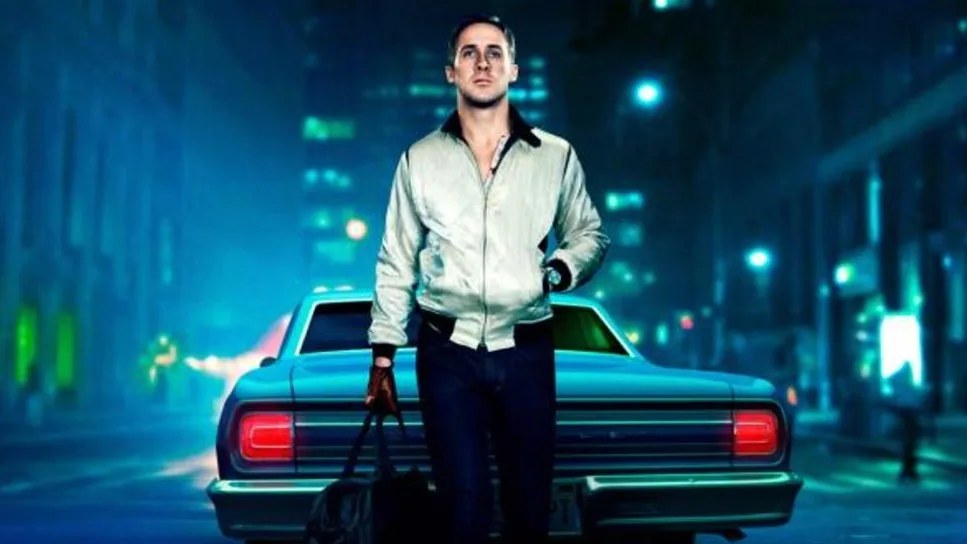
How did a jacket sold in souvenir shops in Yokosuka become a cult item?
Two forces pushed it. The presence of the US Army spread it far beyond Japan, and the rise of Japanese fashion on the world stage gave it credibility.
Famous celebrities wearing the Sukajan Bomber
Celebrities did the rest. Actors such as Ryan Gosling and Cate Blanchett, and musicians such as Katy Perry, Mick Jagger and Pharrell Williams, wore it and put it back in the spotlight.
Fashion brands
Fashion houses followed. Louis Vuitton, Gucci, Saint Laurent and Valentino have all reinterpreted this zip-up mid-season jacket in their collections.
That exposure helped the Japanese bomber, though purists of the original cut were not pleased.
None of those versions tells as much of a story in a single garment as the sukajan does.
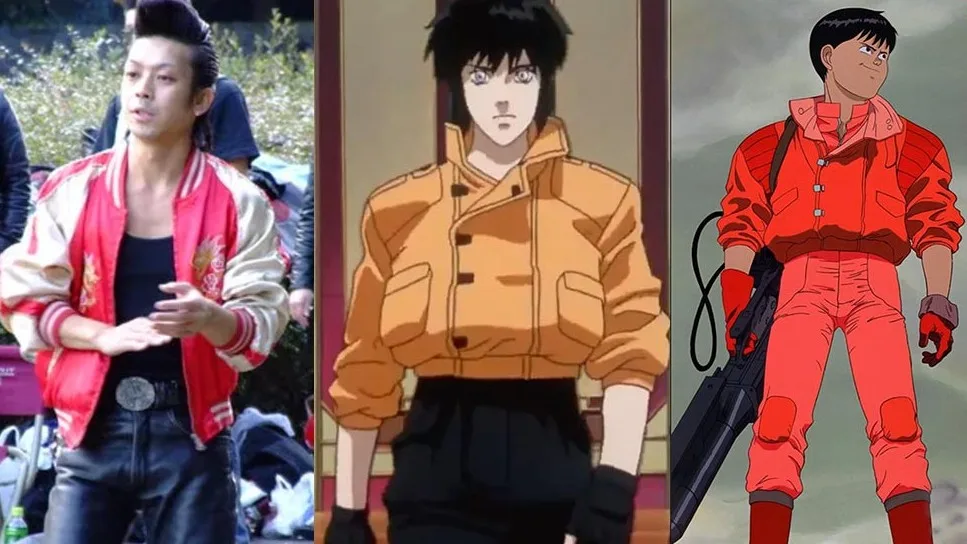
Manga and anime kept it alive too. In Akira, the Bosozoku biker wears one. So does the Major in Ghost in the Shell.
Find your sukajan bomber
Or rather, yours will find you. That is the spirit of the sukajan: a wild side that wants to show itself, night and day.
The Japanese bomber is also a form of respect for Japanese art, with embroidery detailed enough to show real craftsmanship.
Given its history, the souvenir jacket stands for openness, for novelty and change, a form of challenge or rebirth.
It mixes two strong cultural symbols: the American light jacket, two-tone and timeless, and the graphic patterns of Japan. A metaphor for renewal between two countries once at war.
So when you choose your souvenir jacket from our collection, do not overthink it. When you see it, you will know.
FAQ
The questions I receive most often about the sukajan, answered plainly.
What size should I order in a Japanese bomber?
Japanese sizes run about one size smaller than US and EU sizes. If you wear a US/EU M, take an L on most sukajan models. Always compare the chest measurement in the size chart with a jacket you already own.
Is a sukajan the same as a souvenir jacket?
Yes. Sukajan is the Japanese name, souvenir jacket the English one, and Japanese bomber the description most people use. They all point to the same embroidered, baseball-cut jacket born in Yokosuka.
Can I wash a sukajan at home?
Cold hand wash or a delicate cycle, turned inside out, with the zip closed. Never use a tumble dryer on satin or acetate, and dry flat away from direct sun so the embroidery keeps its shape.
Can it be worn every day, or only for events?
Every day. Keep the rest of the outfit plain: black jeans, white t-shirt, simple sneakers, and let the embroidery be the only statement. For a convention or a themed evening, the same jacket carries the look on its own.
Explore the Sukajan Jacket collection
Take a moment to browse our Sukajan Jacket collection and see which embroidery speaks to you.
Browse the collection →